
- The benefits of iodine for cabbage
- What does iodine deficiency in the soil lead to?
- When are iodine-containing fertilizers used?
- Types of solutions for watering and spraying plants
- General rules of application
- Timeframe for completion of works
- Rules for making
- How is foliar feeding carried out?
- Is it possible to water at the roots?
- Features of using pest control products
- The effectiveness of the drug
- What are the most common mistakes made?
- Gardeners' reviews of the product
A natural antiseptic and essential component for the healthy growth of vegetable crops, iodine has been used by gardeners as a cabbage fertilizer for decades. When used correctly, this folk remedy doubles vegetable yields, improves the firmness of the head, and enhances the flavor of ripe cabbage heads.
The benefits of iodine for cabbage
Iodine is an essential element for healthy plant growth. How does this component benefit vegetable crops?
- A natural antiseptic can accelerate plant growth by activating intracellular mechanisms.
- Vegetables absorb nitrogen compounds better.
- The head of cabbage ripens densely, and the taste of the vegetable improves.
- Iodine contains vitamin C, which is essential for plant growth and strong immunity.
- Increases cabbage's resistance to frost.
- The shelf life is extended and the fruits retain their marketable appearance.
A natural antiseptic solution is used at all stages of vegetable crop development and is an indispensable means of combating pests and fungal diseases.
What does iodine deficiency in the soil lead to?
Iodine deficiency in the soil negatively affects the development of vegetable crops:
- Intracellular metabolism in the plant is disrupted, the cabbage begins to lag in growth, the head of cabbage forms unevenly, and the color is less saturated.
- The ovaries take longer to form.
- Fungal or bacterial infections may develop, and the plant's immunity may deteriorate.
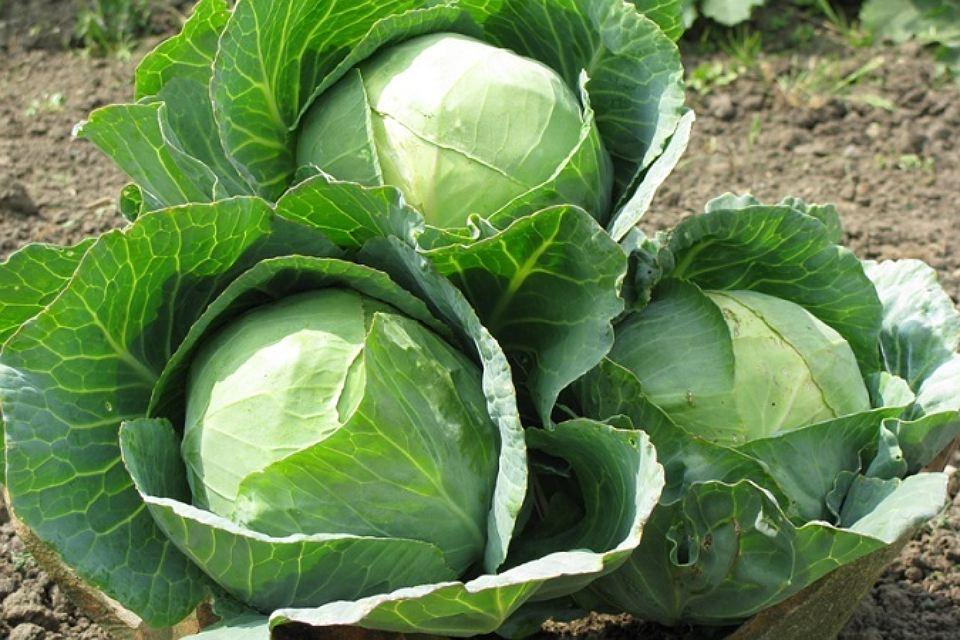
Fresh, pickled, sauerkraut – a treasure trove of vitamins for a person all year round. The high content of iodine and other essential microelements in cabbage heads allows people who eat this valuable vegetable to prevent diseases such as anemia, endemic goiter, thyroid disorders, and Graves' disease.
But the less iodine there is in the soil, the less of it will be contained in ripe cabbage heads.
Supplementing vegetable beds with iodine-containing preparations and solutions helps compensate for the lack of this important micronutrient in the soil. Sandy soils are particularly susceptible to iodine deficiency.
When are iodine-containing fertilizers used?
Foliar and root iodine-containing fertilizers are necessary in the following cases:
- The cabbage head is formed incorrectly: it is deformed and contains voids.
- The color of the cabbage is pale, unsaturated, the leaves are thin.
- Prevention of infectious, bacterial and fungal diseases is required.
- The need to repel insect pests.
- Cabbage is stored for a long time.
Take a look Also
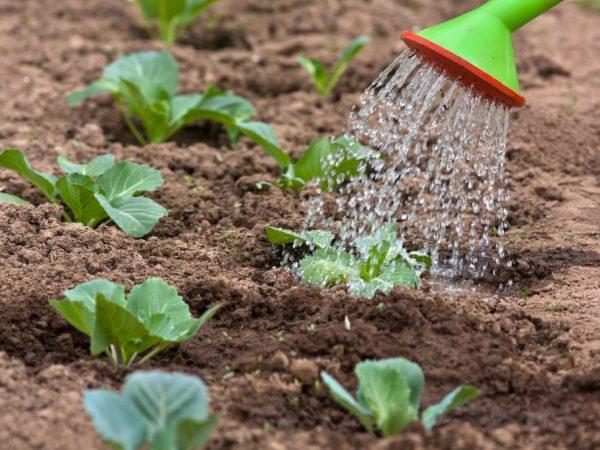
Iodine-containing fertilizers can be applied at various stages of plant development. Depending on the desired goals, the gardener determines whether to apply iodine by watering or spraying.
Types of solutions for watering and spraying plants
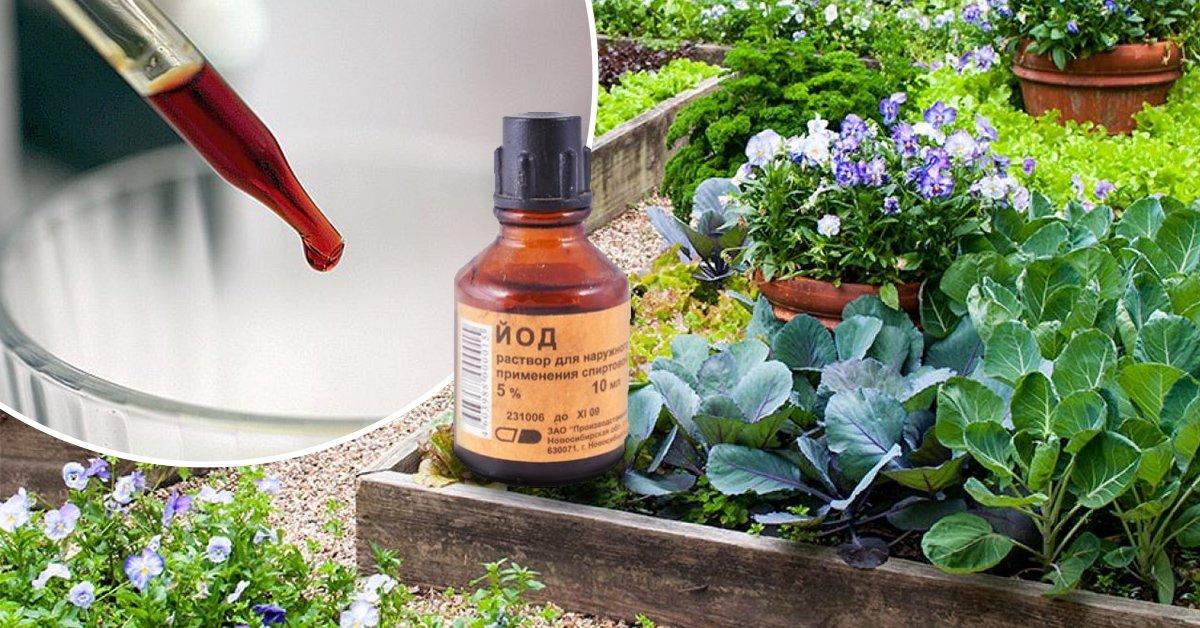
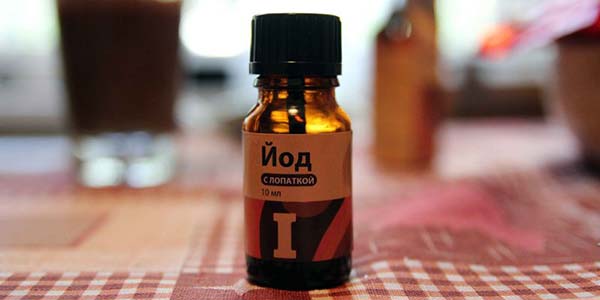
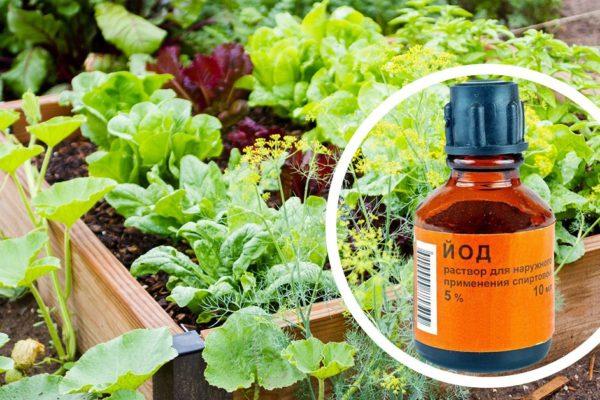
Pure iodine should not be used for treating vegetable beds. Five-percent pharmaceutical iodine is used in microdoses: 1 drop per 2 liters of water. This ratio is used in the prepared solution for both irrigation and foliar feeding.
General rules of application
Iodine supplements will provide maximum health and therapeutic benefits for cabbage beds if the following guidelines are followed:
- Before feeding plants with iodine-containing fertilizers, the soil must be additionally moistened with clean, warm water.
- Maintaining the concentration of microelements in an aqueous solution.
- The first root watering is carried out no earlier than two weeks after transplanting the seedlings to a permanent location.
- Spraying the iodine-containing solution onto the leaves and heads of cabbage is carried out using a fine sprayer.
- Processing of vegetable crops is carried out in the evening or in cloudy, windless weather.
- Spraying and watering with iodine are carried out at different times.
Note: for a gentler effect of iodine on plants, it is recommended to add wood ash to the solution - 1 glass per 10 liters of water.
It is recommended to treat the seed material with an iodine solution - the preparation disinfects the seeds and improves germination.
Timeframe for completion of works
Gardeners tend to their cabbage plants throughout the growing season. At what stages of plant development should iodine-containing fertilizers be applied?
- The first feeding is done during the seedling growth period—seeding and soil treatment. In this case, iodine acts as an antiseptic.
- Before planting seedlings in the ground, the bed is disinfected and the iodine deficiency in the soil is replenished by watering the pre-moistened soil with an iodine solution, then the soil, after planting the plants in the ground, is watered with warm water.
- The next treatment is foliar, carried out during the period of ovary formation, when the cabbage seedling has developed 3-4 leaves. Young plants are sprayed with a spray bottle. This procedure is aimed at preventing fungal diseases, improving plant immunity, and promoting harmonious growth and the formation of a healthy head.
- After 3-4 weeks, root feeding is carried out in order to increase the future harvest: metabolism in plant cells improves, growth accelerates, and immunity is supported.
- Two to three weeks before harvest, you can apply another foliar feeding to the ripening heads. This will improve the transportability, flavor, and firmness of the cabbage heads, and extend their shelf life.
Note: Iodine improves the absorption of nitrogen fertilizers by plants; it is recommended to combine iodine treatment with nitrogen fertilizers.
Rules for making
When treating vegetable crops with a natural antiseptic, it's important to adhere to the timing and concentration of the active ingredient in the solution. The number of applications depends on the intended use of the product.
Failure to follow these rules can cause irreparable damage to plants: leaves can become burned, and excess iodine in the soil can alter the taste of the cabbage, causing a "medicinal" taste to develop directly in the plant's fruit.
How is foliar feeding carried out?
The solution is poured into a spray bottle. How to apply the solution correctly:
- Maintain the ratio: 1 drop of concentrated iodine per 2 liters of water.
- The smaller the droplets that fall on the plant leaves, the better the substance will be absorbed.
- In open ground, spraying is carried out in the morning or evening; wet cabbage leaves should not be exposed to sunlight.
There should also be no wind, otherwise some of the preparation will not remain on the leaves.
Is it possible to water at the roots?
Water the cabbage roots with iodine solution in the evening. The water should be warm, and the dosage and iodine concentration in the solution must be strictly observed. One liter of the solution is used per plant. Avoid contact with the leaves.
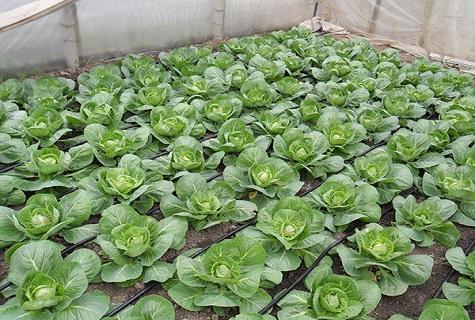
Features of using pest control products
May beetle larvae and weevils are afraid of iodine. These pests live in the soil, so when applying root treatment, you can apply the solution not only to the plant itself but also to the entire bed.
Aphids can destroy cabbage plants in just a few days. To combat this pest, additional foliar treatments are used. The iodine concentration per 10 liters of water is increased to 10 drops per 10 liters. To prevent leaf burn, add 0.5 liters of milk to the solution, and liberally spray the aphid-infested cabbage with the resulting solution.
The effectiveness of the drug
Iodine, a natural antiseptic, has been used in plant growing and gardening for decades. The effectiveness of this folk remedy has been proven, and its effectiveness is practically proven. Fungal diseases are eliminated, plant immunity is improved, and chemicals are not used, nor is harvest quality compromised.
What are the most common mistakes made?
The main mistakes novice gardeners make are:
- Failure to comply with the dosage and concentration of the substance.
- Irregularity of treatments: the greatest effect is observed when complex plant feeding is carried out according to a prepared work schedule.
- The treatment was carried out with “yesterday’s” solution: the plants are watered or sprayed the next day after the preparation of the product – the preparation has “exhausted”, the positive effect is reduced.
To avoid mistakes, plan all actions in advance. When growing cabbage outdoors, weather conditions must be taken into account. Foliar feeding before rain or in windy weather is pointless.
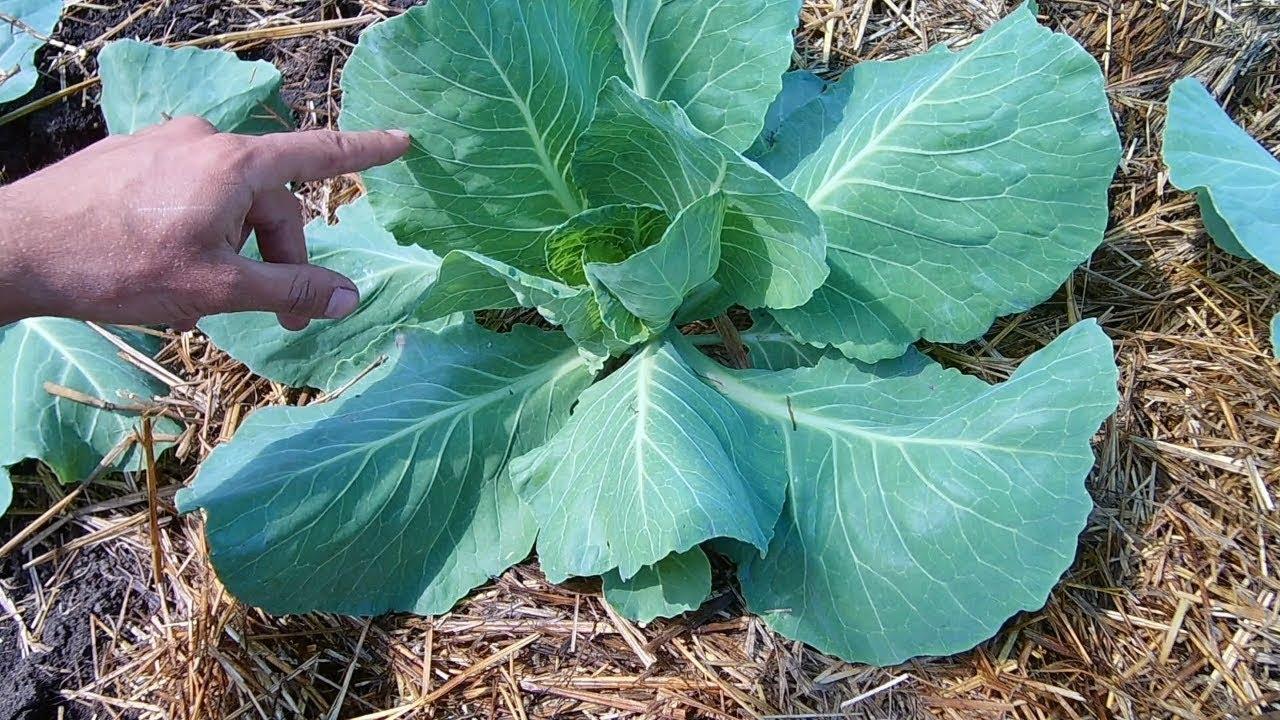 Iodine is an essential element for plant life. A deficiency of this component slows the growth of vegetable crops and makes them particularly vulnerable to diseases and pests. Compensating for this important micronutrient deficiency is easy—an inexpensive natural supplement is available in every pharmacy.
Gardeners' reviews of the product
Belyanin Ilya Vasilievich, 58 years old, Kazan.
"For a long time, my wife and I couldn't figure out why the cabbage in the cellar was spoiling so quickly. Last year, we decided to try treating the cabbage with a regular 5% iodine solution in water. We applied it four times: twice under the root and twice as a spray. The final treatment was done 10 days before harvesting the cabbage heads. First of all, I want to note that we produced many more heads than last year, and they ripened large and firm. We stored the cabbage heads until spring, and not a single one spoiled! And no chemicals were used! I recommend it."
Ponomareva Anna Olegovna, 38 years old, Nizhny Novgorod
"I've been battling aphids in my garden for several years; they're a dangerous and voracious pest. This year, they spread from my cabbage to other plants. I didn't want to use pesticides, as the kids love to eat cabbage fresh. I decided to treat the beds with iodine and milk. I dissolved 10 drops of pharmacy iodine in warm water (10 liters) and added two cups of milk. I sprayed them. The aphids were significantly fewer in number on the second day. I repeated the treatment two weeks later, and the pests were gone! It was a small victory, but a victory nonetheless. I plan to apply root dressings next year."
Related posts:
 How to spray cucumbers with milk and iodine for fertilization
 Why does cabbage grow tall in the garden and what can be done about it?
 Planting, growing, and caring for cauliflower in open ground and greenhouses
 Can cabbage be sprayed with valerian to control pests and what are the treatment guidelines?
 Why do you need to spray tomatoes with iodine? Recipes for feeding and treating them.
 Description of the best cabbage varieties for 2025 for different regions
 Using calcium nitrate for cabbage, how to feed it and the application rate
 Why cabbage leaves wilt in the garden and what to do