
Sometimes even such an unpretentious plant as cabbage can surprise a gardener with an unknown ailment. For example, the classic green color can change to a different shade. However, these changes are not signs of the underlying problem; rather, they indicate its presence. What do experts think about why cabbage leaves turn red, and is it worth addressing the color change?
What does red cabbage leaves mean?
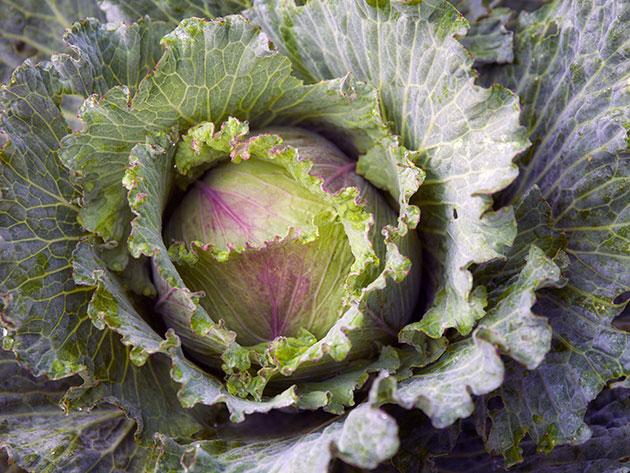
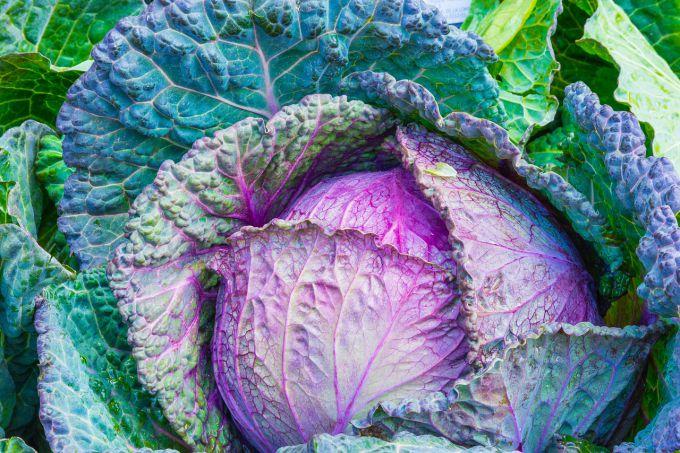
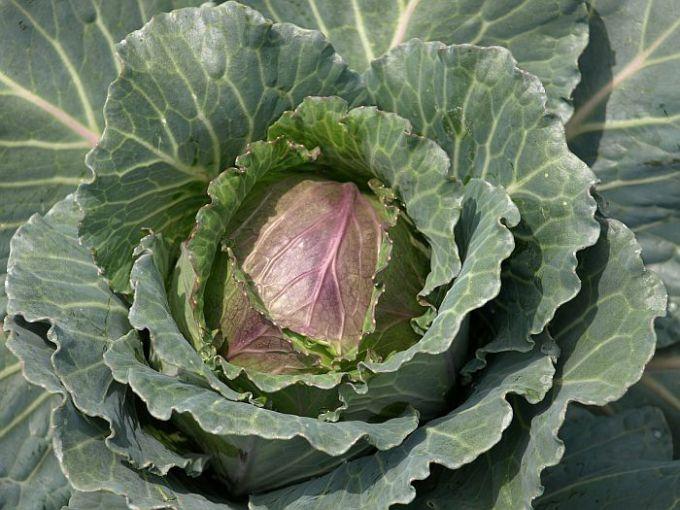
Cabbage leaves act as a kind of indicator, alerting gardeners to fertilization shortcomings and other care issues. Reddening of the upper layers of the cabbage head indicates a nitrogen or phosphorus deficiency in the soil, and ignoring such signals can worsen the situation. Over time, the leaves acquire darker shades: red and deep purple.
In some cases, a simple change in weather conditions also leads to a change in color. In late autumn, this signals the need for urgent harvesting, as cold weather is approaching.
Causes of color change
A pink leaf on a cabbage head may appear due to:
- insufficient amount of fertilizers applied;
- recent rains or heavy watering, which carry some of the fertilizer deep into the soil;
- Redness also sometimes accompanies a pest attack, but in this case there will be other signs: curling of leaves, the appearance of holes, and so on.
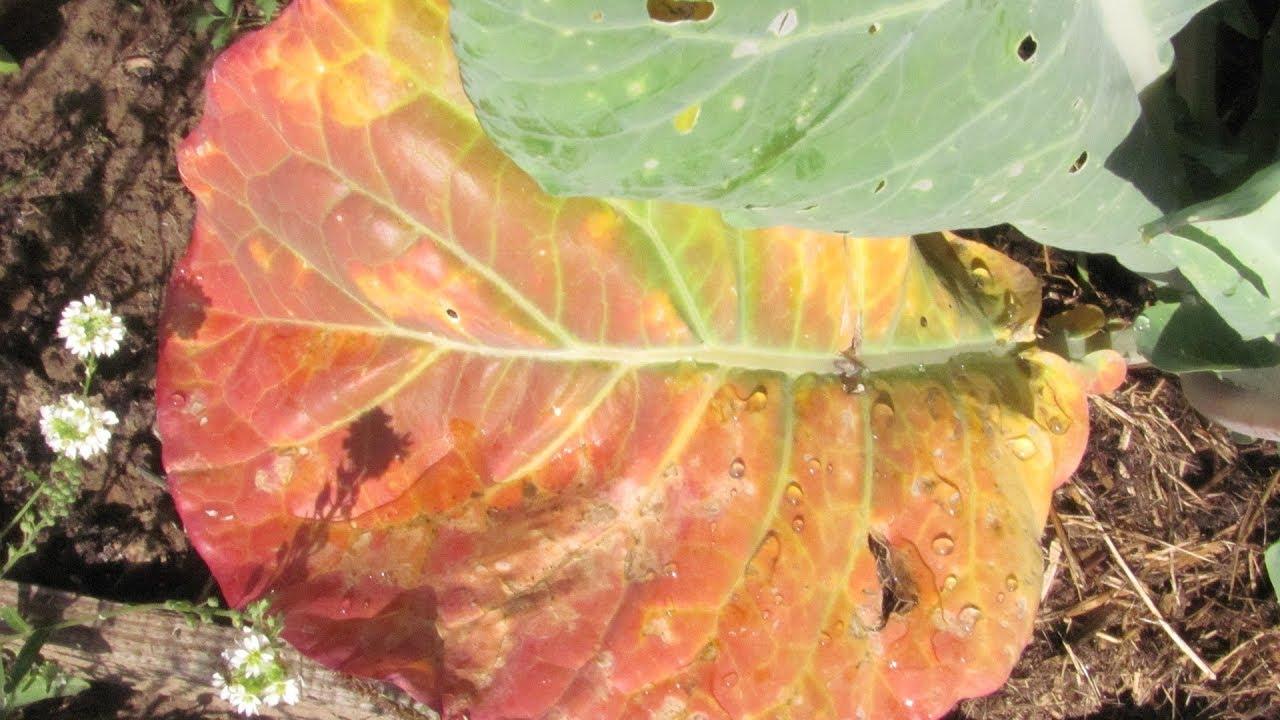
Important! Choosing the wrong cabbage variety can often lead to unwanted symptoms. Before purchasing, it's always recommended to check with the seller to ensure the variety is suitable for your region.
Associated symptoms
Depending on the cause of the color change, the accompanying symptoms also change:
- lack of nitrogen causes the lower leaves of the cabbage head to turn red;
- lack of phosphorus causes the top to turn pink;
- if the outer leaves turn pink and become transparent, it means frost is approaching quickly;
- Redness combined with strange spots, holes, wilting and curling of the leaf indicate the presence of diseases or pests.
Take a look Also
What danger does it pose to cabbage plantings?
The main danger posed by reddened cabbage leaves is a reduction in the healthy harvest. A lack of necessary fertilizer in the soil leads to slower head growth and changes in color and flavor.
Due to the lack of phosphorus, the root part begins to rot, causing the plants to die.
Redness caused by pest infestations reduces the aesthetic value of cabbage, reduces or completely destroys the seasonal harvest and makes the vegetable unsafe for consumption.
What to do?
As soon as the first undesirable signs of discoloration appear, and there's no sign of frost, the main question a gardener faces is what to do. There are several effective methods, which vary depending on the age of the seedlings (seedlings or mature bushes).
Important! Young plants have a weakened immune system and may not be able to cope with pests. Furthermore, if detected too late, fertilizing will be ineffective. Therefore, to avoid preventing the disease, it's recommended to focus on prevention.
Saving seedlings
To avoid leaf reddening and other characteristic symptoms, it is recommended:
- plant the young plants in open ground after about a month and a half, when the first 3-5 leaves appear;
- The seeds need to be sown in already fertilized soil with a high content of nitrogen fertilizers, and then regularly add additives to the soil;
- It is also necessary to protect seedlings from possible temperature changes.
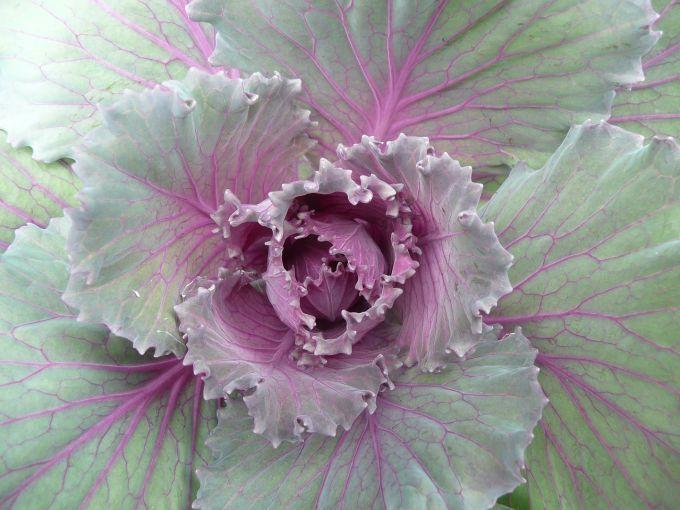
When growing seedlings, it's recommended not to rush their growth. The height of a seedling is inversely proportional to the strength of its root system. Small plants have strong roots and subsequently develop properly and have a strong immune system.
We treat mature bushes
Reddening of mature cabbage leaves is often easily remedied by applying appropriate fertilizers. Suitable fertilizers include:
- ammonium nitrate;
- urea;
- ammonia solution;
- lime;
- bird droppings.
However, it's important to develop a specific fertilizing regimen and avoid overdoing it. The plant will also indicate an excess of the aforementioned substances in the soil. If there's an excess, the entire leaf won't change color, but will become covered with characteristic yellow, white, or black spots.
Preventing cabbage leaf discoloration
To prevent cabbage pests, it is recommended to spray the bushes with a solution of Bordeaux mixture.
The product also has disinfectant properties and prevents the occurrence and development of traditional diseases.
Fertilizing should also be done regularly. It's especially important to pay close attention to the period after rainfall. Rain carries fertilizer from the surface down deeper into the soil, where cabbage roots can't reach.

Tips and recommendations from experienced gardeners
Vasily Ivanovich, 46 years old, Novosibirsk
"My advice: in addition to the seller's instructions, always read the full variety description. I ordered online and trusted the consultant, who claimed the seeds were perfect for my region. The cabbage ended up maturing late, and by autumn (with the onset of frost), the leaves had turned pink. I tried everything I could, but only now have I realized it was all due to the weather."
Mars Igorevich, 52 years old, Moscow region
"There was a problem with nitrogen fertilizer, which gave the leaves a beautiful pink tint. I didn't even want to fix it. But reason prevailed, I added saltpeter, and everything fell into place."
Valentina Timofeevna, 58 years old, Chelyabinsk
"Be careful with nitrogen fertilizers. I quickly corrected the deficiency, but then the leaves developed black spots. They told me it was due to overuse."
Related posts:
 Why cabbage leaves wilt in the garden and what to do
 Why do cabbage leaves turn purple and what can be done to treat them?
 Why does cabbage grow tall in the garden and what can be done about it?
 Why cabbage leaves turn yellow, what to do, and how to deal with it
 Growing and caring for Chinese cabbage in open ground and greenhouses
 Why cabbage leaves curl, reasons and what to do, what to spray
 Planting, growing, and caring for cauliflower in open ground and greenhouses
 Description of cauliflower diseases and pests, methods of treatment and control
Take a look Also
