
- What is needed for cauliflower to set
- When does cabbage begin to form?
- Causes of early ovary formation
- Why does cabbage develop late?
- Possible factors for lack of ovaries
- Wrong cabbage variety selected
- Poor quality of seed material
- Causes associated with improper care of cabbage
- Violation of boarding deadlines
- Thickening of cabbage beds
- Nutritional deficiencies in cabbage
- Poor soil and lack of micronutrients
- Diseases and pests
- Irregular watering of cabbage
- Air temperature too low or too high
- How to feed a plant to form ovaries
- Manure
- Mulch and herbal infusions
- Yeast feeding of cabbage
- Boric acid
- Mineral fertilizers
Cabbage is one of the most popular vegetables in the world. It is widely grown in the CIS countries; this variety is low-maintenance and easily adapts to new locations. Sometimes, the plant can cause problems. Gardeners wonder why their cauliflower isn't setting and what to do about it. To solve this problem, read the information below.
What is needed for cauliflower to set
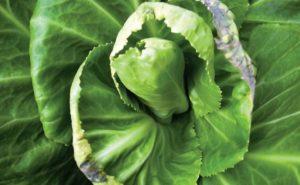
For normal cabbage head formation, moderate temperatures and high humidity are required. During dry periods, the plant should be watered daily, the soil should be loosened regularly, and the broad leaves above the heads should be pinched and tied. It's best to create a light shelter to prevent the ovaries from drying out.
When does cabbage begin to form?
The standard time for cabbage to form is October. The exact time depends on the variety. Heads should form simultaneously, with 7-9 outer leaves.
Causes of early ovary formation
Heads may begin to form early if fertilizers and nitrates are overused. If the variety is early maturing, there's no cause for concern. These varieties begin to ripen by the end of June or the beginning of July.
Why does cabbage develop late?
Cabbage leaves may begin to form late if the variety is growing poorly or is a late-ripening variety. These vegetables are harvested starting in mid-September and are completed when temperatures reach -5 to -7 degrees Celsius.
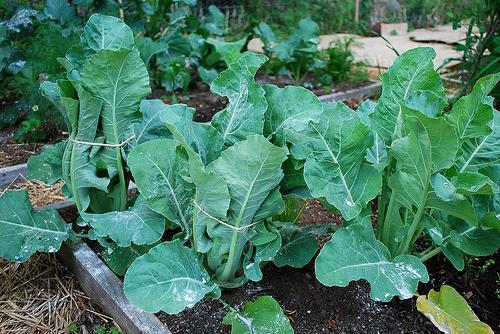
Possible factors for lack of ovaries
Sometimes cabbage heads do not form, this happens for the following reasons:
- poor quality planting material;
- poor care;
- dense beds;
- nutritional deficiencies;
- presence of diseases, pests;
- rare watering;
- poor temperature conditions.
Cabbage may turn yellow or white. This indicates the plant is about to die and requires help.
Wrong cabbage variety selected
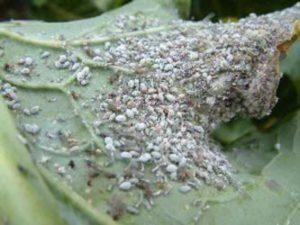
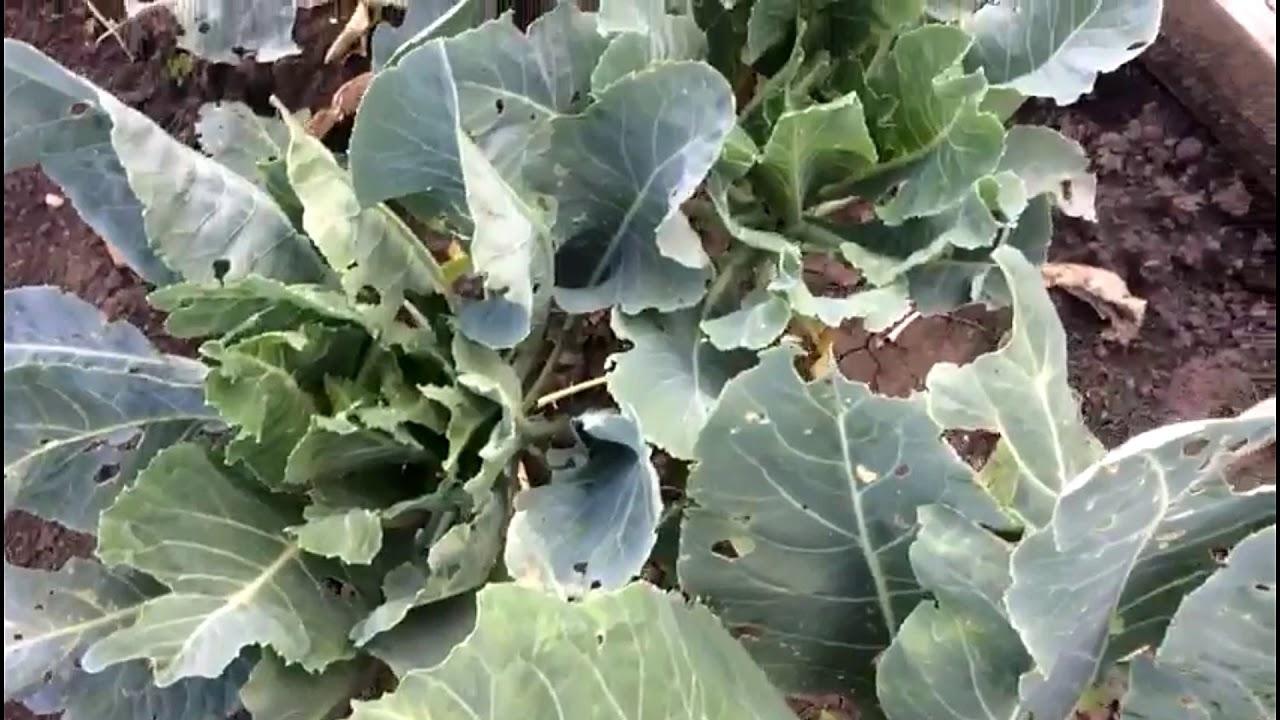
Sometimes cabbage leaves fail to form because the wrong variety was purchased. When a seed plant is crossed with another vegetable, a hybrid is produced. It resembles cabbage in appearance, but never forms heads.
Poor quality of seed material
It's impossible to determine the quality of seeds when purchasing them. If they're unsuitable, the cabbage may not produce a harvest. When purchasing, pay attention to the variety—early, mid-season, or late maturing. Each variety has its own planting time and growing conditions.
If these requirements are not met, the cabbage may fail to establish. It's important to carefully consider when to sow seedlings and the optimal time for planting them outdoors. You should also consider the location where the crop will be grown. It is important to pay attention to the manufacturer; it should be well-known and have a good rating.
Causes associated with improper care of cabbage
When growing cabbage, heads sometimes fail to form due to factors beyond the gardener's control. These include poor temperature conditions and unsuitable soil.
Violation of boarding deadlines
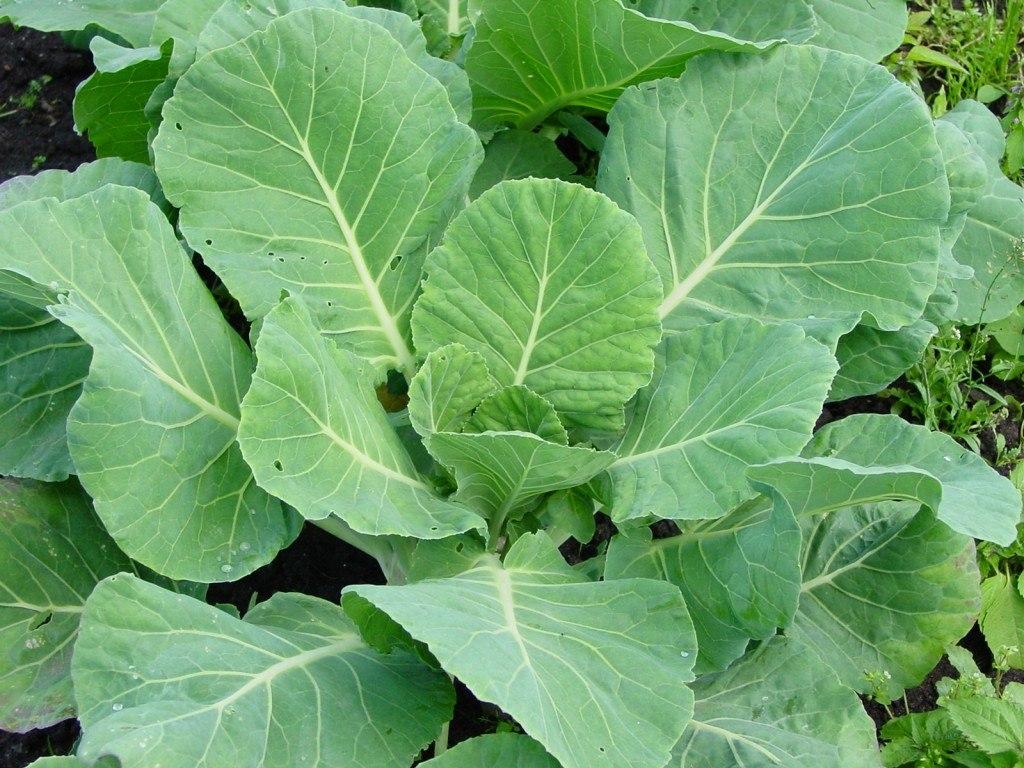
Transplanting cabbage plants to their permanent location should occur once the air temperature reaches 7°C or above. A greenhouse is installed over the young seedlings. The first shoots will develop quickly; seeds can be sown one month before transplanting into open ground. Young plants can be transplanted once they have developed several leaves.
Thickening of cabbage beds
When cabbage plants don't get enough sunlight or are planted too close together, heads may fail to form. It's best to avoid planting tall plants that could shade the beds nearby. When planting, it's important to maintain the required spacing. Leaves should develop in open spaces, without interfering with each other.
Nutritional deficiencies in cabbage
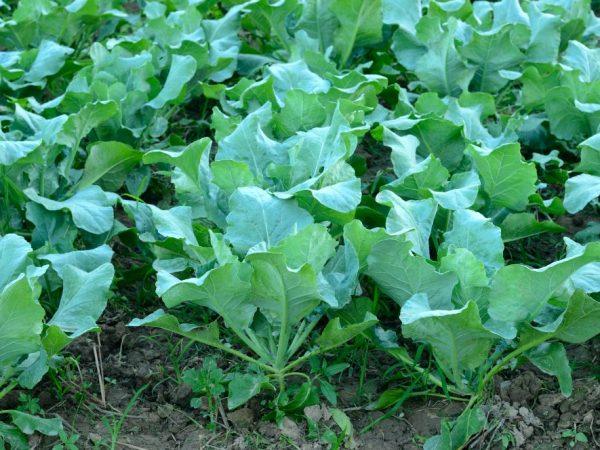
Cabbage should be planted in well-fertilized areas. Early varieties should be planted after onions, tomatoes, or cucumbers. Late varieties can be planted after potatoes, legumes, and root vegetables. Cabbage should not be planted in the same area if it was previously grown there. A three-year interval should be maintained to prevent disease. Celery, coriander, sage, and anise, which repel flies, grow well near cabbage.
Poor soil and lack of micronutrients
If you plant cabbage in the shade, where there's little or no sunlight, the plant will struggle to reach for it, expending all its energy. Poor soil also negatively impacts head formation, as the plant doesn't receive sufficient micronutrients. If the soil is too acidic, the cabbage is unlikely to form heads. Even neutral soil requires periodic weeding, fertilization, and liming before planting. If the soil is too hard, the plant will suffocate and fail to form heads.
Diseases and pests
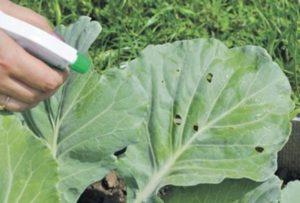
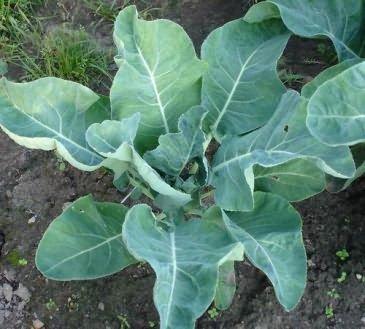
Insects and various diseases often attack cabbage before it has time to form heads. Flea beetles damage cabbage grown directly from seedlings, and seedlings after planting in the ground. Cabbage moth caterpillars sometimes eat the core of the cabbage when the head begins to form, which usually occurs in June.
Burns and death of the tops occur due to scattered application of fertilizers or dusting of seedlings with unsifted ash.
Irregular watering of cabbage
The plant requires a lot of moisture, but overwatering is harmful. Excessive watering causes root death, leaves turn purple, die, and a dangerous condition called bacterial blight develops. Affected plants are covered in a huge number of black spores on the longitudinal and transverse sections of the stumps.

Air temperature too low or too high
Prolonged cyclones, precipitation, or sudden temperature fluctuations negatively impact the process of ovary formation. Temperatures below 17-18 degrees Celsius are harmful to cabbage, as is heat above 35 degrees Celsius. The plant fails to form heads and eventually dies altogether.
How to feed a plant to form ovaries
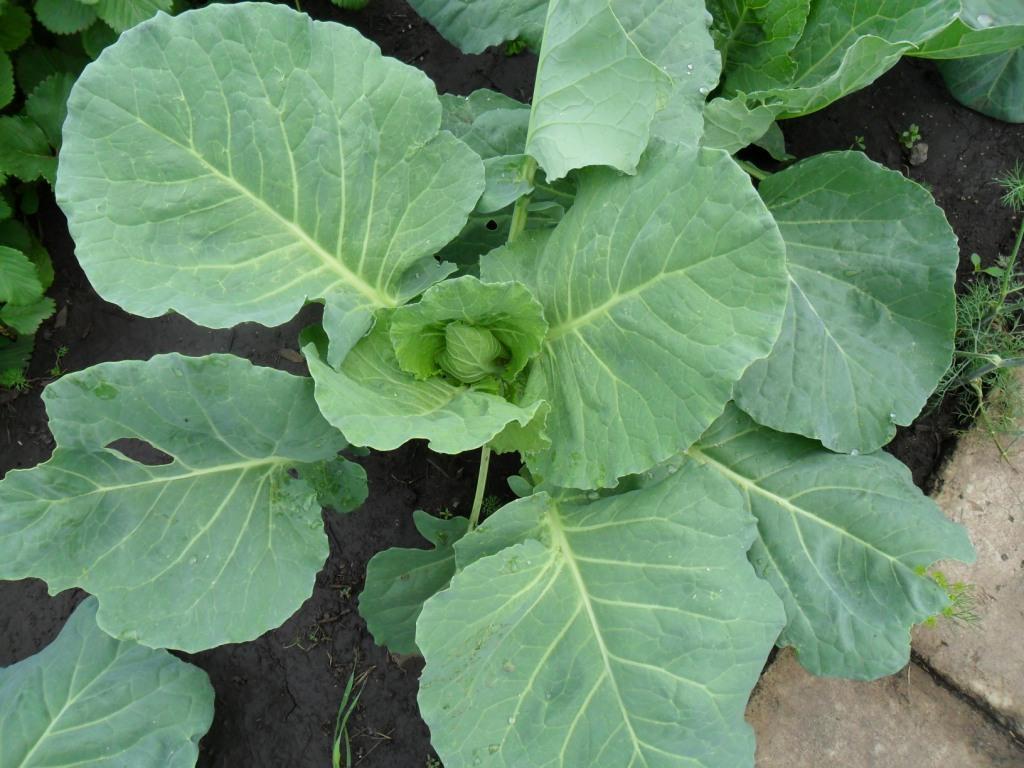
To correct the delay in cabbage head formation, you can feed it with organic matter, such as humus or cow manure. Fertilizer is best applied in the fall, but if this isn't possible, postpone the application until spring.
Manure
Fresh or rotted manure is used to fertilize cabbage. The soil should be tilled, with a shovel going 40 cm deep. Apply 6 kilograms of manure per square meter. Chicken manure can also be used at a rate of 300 grams per square meter. The second application is done two weeks after planting the seedlings. For this, use urea and saltpeter at the dosages indicated on the packaging.
If you weren't able to fertilize the plants in the fall, you can do so in the spring. Two weeks after planting the seedlings, dilute one part manure with five parts water. Water the beds with the mixture. Then, hill up the seedlings. When the bush begins to form ovaries, water it with a manure solution. Take 0.5 kg of manure and dilute it in 10 liters of water. You can add 40 g of ash to the mixture. After 14 days, repeat the watering with mullein.

Mulch and herbal infusions
Mulching cabbage promotes fruit set. The beds are treated with Siyanie-1 at a 1:100 ratio to build up humus, reduce weed growth, and suppress pathogens. In the spring, water the cabbage with Siyanie-2 to stimulate beneficial microorganisms. Mulch the plant with chopped fresh grass and water with Siyanie-1.
Place the chopped weeds in a barrel. You can use a large box covered with a wooden shield instead of a lid. Place the grass in the container, filling it to the brim. In addition to weeds, use garden tops, hay, and straw. Plants that absorb nitrogen should be preferred. A nitrogen-containing fertilizer, such as urea or carbamide, should be added to the mixture. Use 1 tablespoon of fertilizer.
Take a look Also
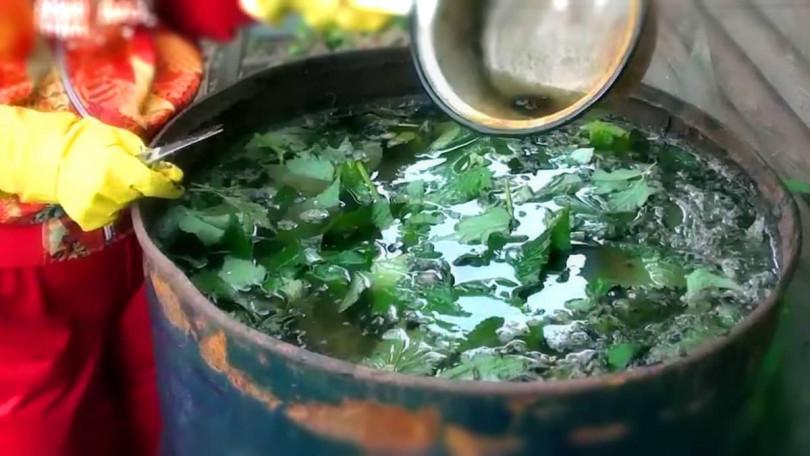
You can also use human feces, pouring no more than 3 liters into it. Add water until all the herbs are submerged, then cover the container with a lid and wait for the first signs of fermentation. It's advisable to refresh the green mass and liquid in the barrel every 14 days. The first batch will ferment for two weeks, or a month if little nitrogen was added.
When the mixture is ready, it will smell like mullein and ammonia, and the fertilizer will turn brown. Bubbling will begin, caused by the addition of carbon dioxide gas. This indicates the fertilizer is ready.
Yeast feeding of cabbage
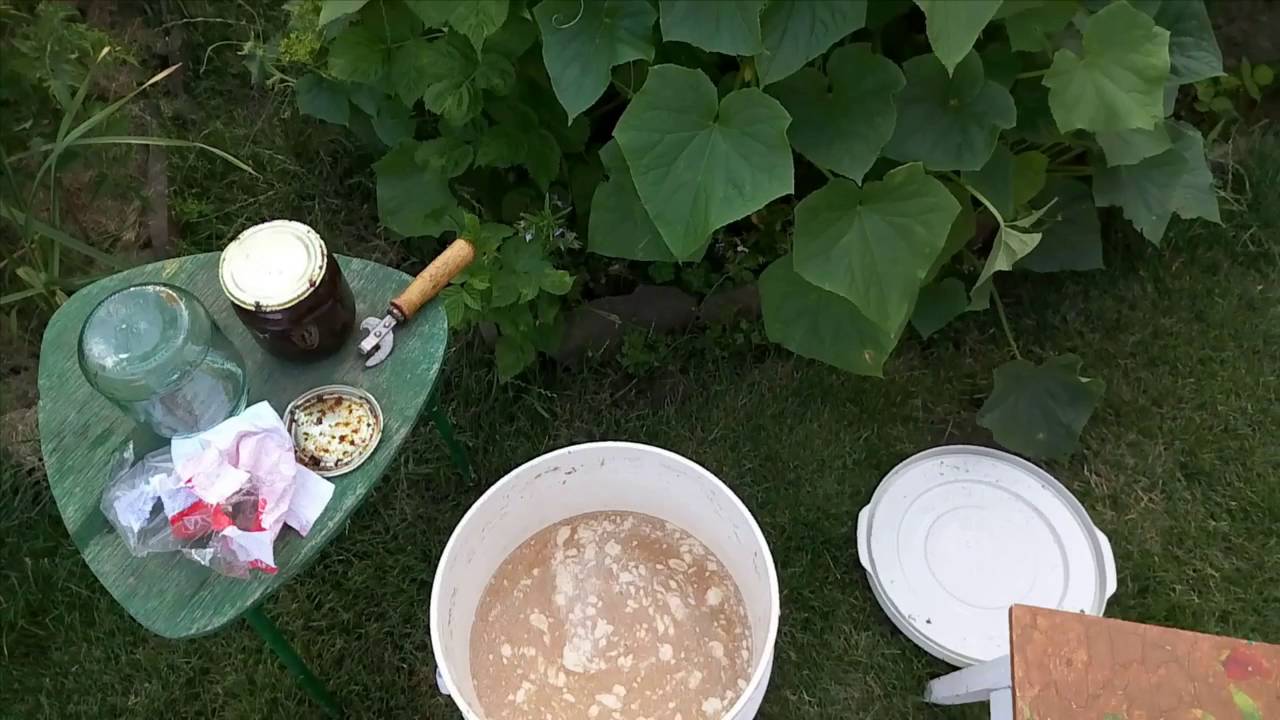
Many gardeners believe that yeast contains many beneficial elements. You can use brewer's yeast, regular yeast, or baker's yeast. Dissolve 100 g of pressed yeast in 10 liters of water, add 1 tablespoon of sugar, and let the solution ferment. Pour the yeast over the bushes in the evening. This nourishment is essential for successful head formation.
Boric acid
Boric acid will stimulate head formation and protect cabbage from beetles and diseases. Dissolve 1 dessert spoon of the solution in 1 liter of hot water, then add 9 liters of cold water to the mixture. Spray the cabbage tops with the solution.
Mineral fertilizers
Experts recommend using the following substances for preventative mineral fertilization:
- nitrophoska in the amount of 50 g per 10 liters of water;
- azophoska – 30 g/10 liters of water;
- complex feed additives such as Ortona, Rastvorin, Zircon, Kemira-Lux.
Apply any fertilizer according to the dosage specified in the instructions. Overdosing on fertilizer is akin to poisoning and can kill the plant. Superphosphate should be added to the soil periodically; this stimulates head formation.
Related posts:
 Why cabbage leaves wilt in the garden and what to do
 Why does cabbage grow tall in the garden and what can be done about it?
 Why do cabbage leaves turn purple and what can be done to treat them?
 Planting, growing, and caring for cauliflower in open ground and greenhouses
 Description of cauliflower diseases and pests, methods of treatment and control
 Growing and caring for Chinese cabbage in open ground and greenhouses
 Description of the best cabbage varieties for 2025 for different regions
 Using calcium nitrate for cabbage, how to feed it and the application rate