
- Features and characteristics of the culture
- How much and how does cauliflower grow?
- Fruiting nuances
- Ripening time in open ground
- How to determine ripeness
- Harvesting and storage
- What to consider before planting
- Deciding on the variety
- Optimal climatic conditions
- Temperature conditions
- Soil and planting site requirements
- Planting correctly
- Seedless method
- Seedling method
- Cultivation in open areas
- Preparing the ground
- Sowing seeds and planting seedlings
- Irrigation and fertilization of cabbage bushes
- When to hill cauliflower
- Caring for unblown inflorescences
- How to care for crops in a greenhouse
- Preparing the beds
- We sow seeds and plant seedlings
- Watering and fertilizing
- Loosening and soil care
- Prevention and treatment of diseases
- Insect protection
- Answers to frequently asked questions
- Should I pick off the lower leaves?
- Is it possible to get a second harvest?
Growing and caring for cauliflower outdoors is slightly different from cultivating white cabbage varieties. The yield depends on many factors. The crop's popularity is growing. It is consumed for health benefits, rejuvenation, and cancer prevention. Scientists have proven the beneficial properties of cauliflower.
Features and characteristics of the culture
Cauliflower is considered a cold-hardy vegetable. It's an annual plant. It's grown for its head, formed by shortened flower stalks. Its tissues contain fiber, making it beneficial for those suffering from digestive issues.
The pulp contains:
- dry matter - 10.5%;
- carbohydrates - 5.4%;
- proteins - 2.6%;
- vitamins;
- minerals (potassium, calcium, iron, magnesium).
A plant grown from seed has a taproot. Growing cauliflower from seedlings results in a fibrous root system. The plant has a herbaceous stem that hardens toward the end of the growing season. Cold tolerance is determined by the variety. Early-ripening varieties cannot withstand temperatures as low as -3°C during inflorescence formation, while late-ripening varieties are more cold-hardy, surviving temperatures as low as -5°C.
How much and how does cauliflower grow?
It takes a considerable amount of time from germination to flower head formation. The plant first develops 25-30 leaves, and only then does the inflorescence begin to form. Plants planted early in the spring develop flower heads sooner due to the long daylight hours.
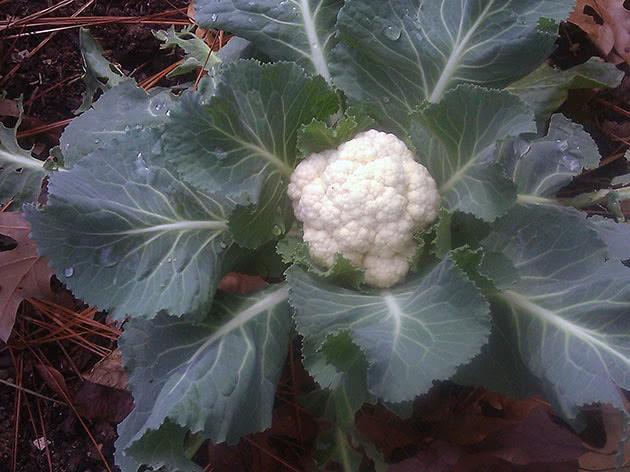
Inflorescences reach their largest size in late summer and early fall, when days are short. Nitrogen is needed for the growth of the above-ground parts (stems and leaves), while the development of the flower shoots requires potassium, phosphorus, and essential micronutrients:
- magnesium;
- boron;
- manganese.
Fruiting nuances
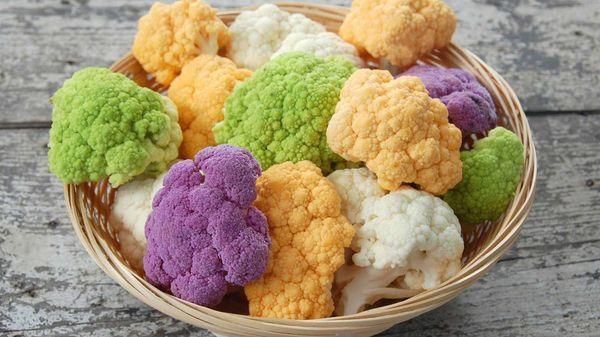
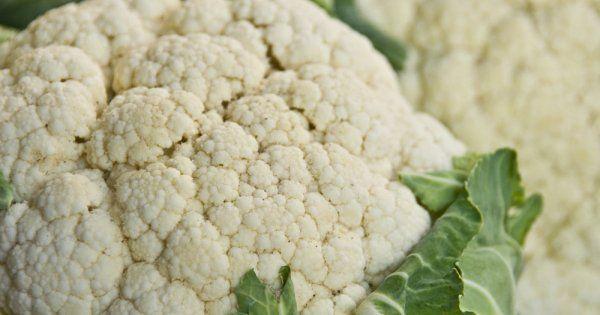
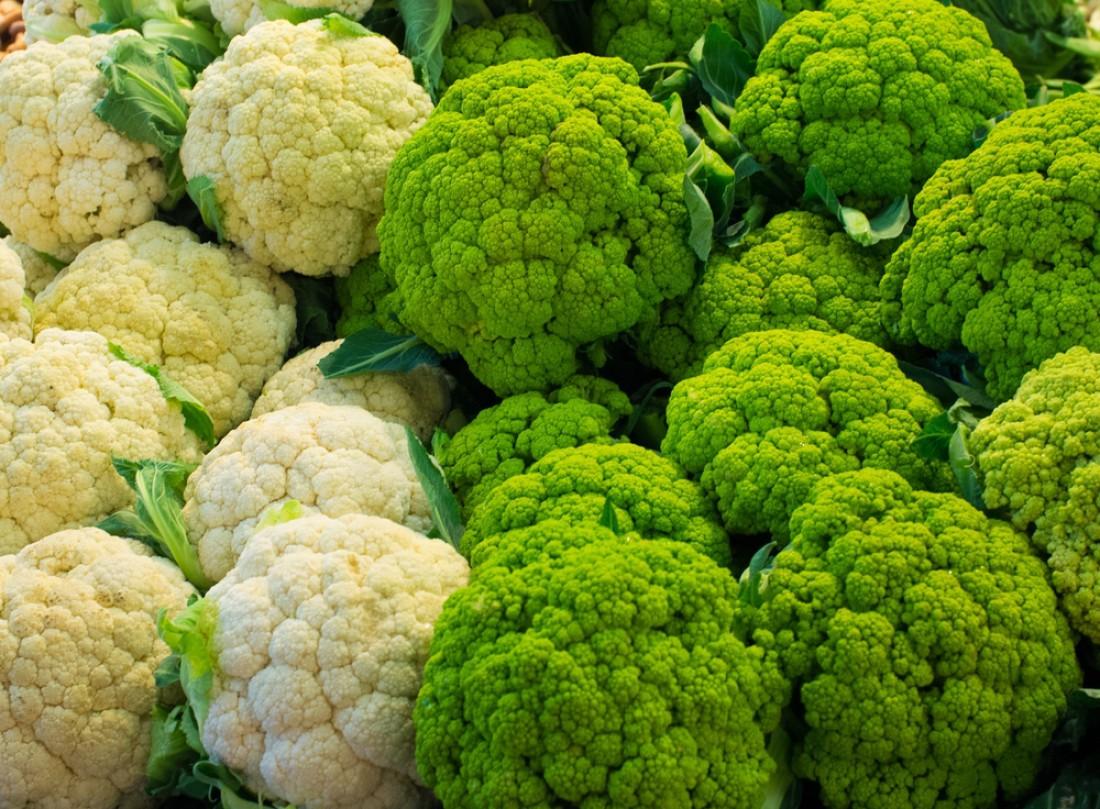
During the growing season, cabbage grows a stem up to 70 cm long. It is covered with glaucous-green leaves extending perpendicularly from it. The petiole length varies by variety, ranging from 5 to 40 cm. By the end of the growing season, a head formed at the top of the stem consists of underdeveloped flower stalks. The color of the head depends on the variety:
- cream;
- snow white;
- pink.
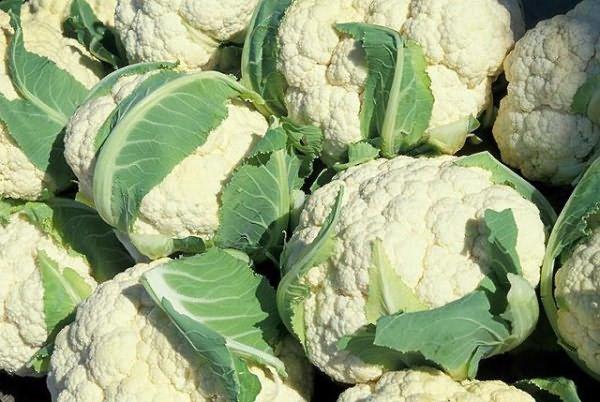
To prevent the inflorescences from darkening, protect them from the sun by tying the top two or three leaves together or covering them with burdock leaves.
Ripening time in open ground
All cabbage varieties are divided into three groups based on maturity. This characteristic determines the length of the growing season and is used to determine the approximate harvest time.
| Classification of varieties | Ripening period (days) | Harvest timing |
| Early | 90-110 | Beginning of July |
| Average | 110-135 | End of July |
| Late | 160-170 | End of August |
How to determine ripeness
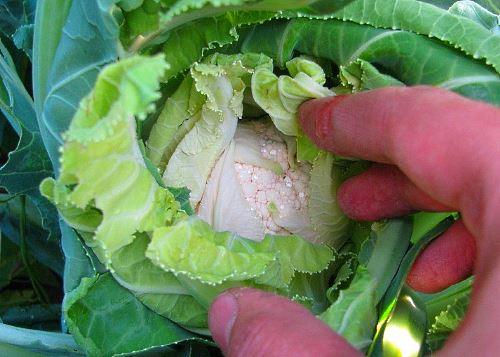
In summer, it's best to harvest early cabbage every 2-4 days. In hot weather, the heads quickly overgrow and become loose. In August and September, harvest every 7-10 days. The diameter of a mature inflorescence should be at least 8 cm. The color is white or cream, without dark spots.
Harvesting and storage
It's recommended to harvest the heads in dry weather before frost sets in. Trim the stems with a knife, leaving four rosette leaves. These protect the florets from mechanical damage. Store the harvest in boxes and store in a cool, dark place.
The heads are not left exposed to light. In the sun, they quickly darken, becoming limp and loose.
There are no special storage secrets. At temperatures close to 0°C and 95% humidity, the inflorescences retain their marketable quality for 4-6 weeks.

What to consider before planting
The quality and quantity of the harvest depend on the correct variety. When choosing, it's important to consider the early maturity. The ripening time determines whether the inflorescence will have time to form over the summer. Growing cauliflower like white cabbage is not possible. The crop has its own unique characteristics.
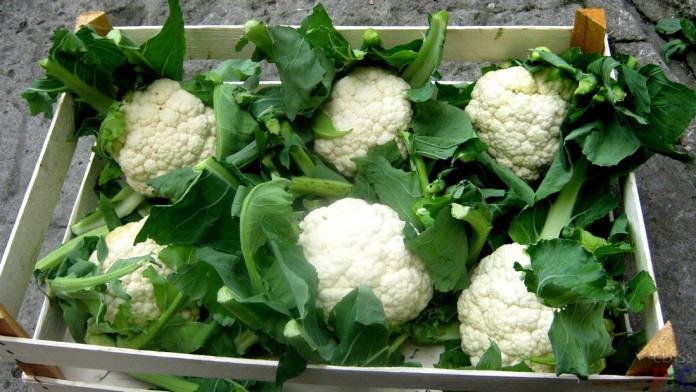
The size of the heads is influenced by:
- variety;
- planting time;
- agricultural technology;
- weather conditions.
Deciding on the variety
In the spring, gardeners in the Moscow region plant ultra-early maturing varieties of cauliflower. They get an early harvest, which doesn't store well. Early varieties of cauliflower used for preparing vegetable stews, side dishes, and salads. Grown:
- Snow globe;
- Early ripening;
- Alpha;
- Movir.
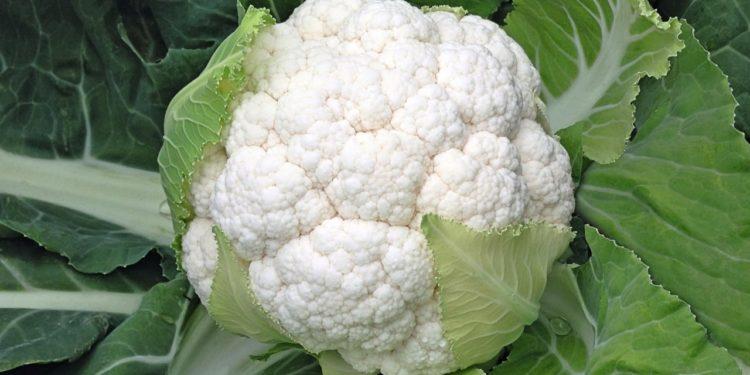
Late-ripening varieties are best for winter storage. The inflorescences reach technical maturity in late August or early September. The Cortes F1 hybrid is considered the most productive. It produces a beautiful, impressive head weighing 2-3 kg.
Optimal climatic conditions
Early summer, when daylight hours are long, creates favorable conditions for rapid cauliflower flower formation. If the weather is cloudy, the heads form better and don't darken. The crop's yield depends on the moisture level of not only the soil but also the air. Optimal values:
- air humidity percentage - 80-90%;
- soil moisture percentage - 75-80%.
With a regular lack of moisture, the growth of the above-ground part is stunted. Cabbage develops inflorescences early. If the soil is overwatered, vascular bacteriosis develops.
Temperature conditions
The crop is classified as a cold-hardy plant. Cauliflower grows best at temperatures of 15-18°C. In hot weather, when the air warms up to 25°C and above, the growth of the above-ground part slows. Small inflorescences form.
Temperature affects the rate of seed germination:
- at 11 °C germination takes 12 days;
- at 20 °C - 4 days.
Soil and planting site requirements
Soil quality affects crop yield. It has been noted that yields are higher in soils with:
- sandy loam, light loamy;
- fertile;
- neutral, slightly acidic.
Planting correctly
The planting technology for the crop depends on the growing method. For forcing an early harvest, seedlings are used. Cauliflower for winter preparations and storage are grown from seeds. They are sown directly into the ground.
Seedless method
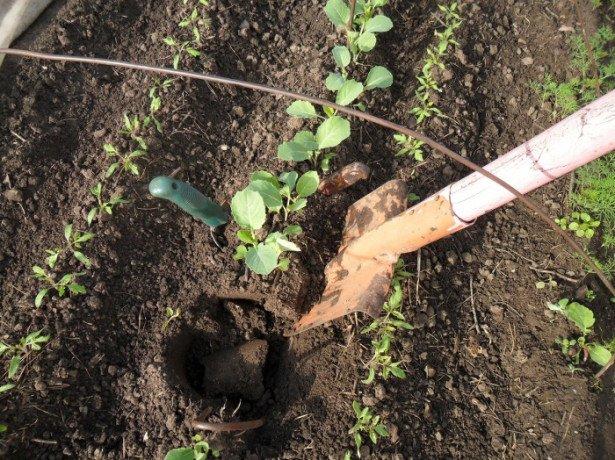
Late and mid-late varieties are sown by seeds. In the southern regions of Russia, the last cauliflower sowings are completed around July 10th to 15th. In the Moscow region, late cauliflower varieties are sown in early May. Dig holes 30 x 70 cm apart, placing a few seeds in each hole. Cover them with 2 cm of compost.
Seedling method
Early and mid-early varieties are grown using seedlings. Cauliflower seeds are sown in hotbeds, greenhouses, containers, cups, and peat pots. Seedlings are grown with or without transplanting. Seedlings grown in pots thrive in open ground. They are resistant to short-term cold spells, and their heads form two weeks earlier.
Cultivation in open areas
In a garden, a cauliflower bed is created in areas where certain vegetables were previously grown. Good predecessors for spring planting include:
- onion;
- tomatoes;
- potato;
- cucumbers.
In summer, cauliflower is planted after lettuce, spinach, and other early greens. Crop rotation is the foundation of agricultural practice. The harvest largely depends on it.
Preparing the ground
The soil is tended immediately after harvesting the previous crop. Any organic fertilizer (peat, compost, or humus) is added during tillage. The approximate application rate is 5 kg/m². Lime is added to acidic soil every seven years, and gypsum is added to alkaline soil.

During autumn digging, mineral fertilizers are added to nourish cauliflower:
- superphosphate - 1 kg;
- potassium sulfate - 0.5 kg.
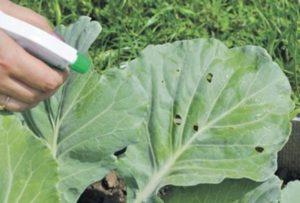
Fertilizer consumption is given for a 10 m² bed. Nitrogen fertilizer (ammonium nitrate) is applied in the spring before planting cauliflower. Consumption is 0.5 kg per 10 m².
Sowing seeds and planting seedlings
Before sowing, the seeds are heat-treated. They are placed in a cloth bag. First, they are dipped in hot water for 10 minutes, then in cold water for 1 minute. The seeds are then refrigerated for 10 hours.
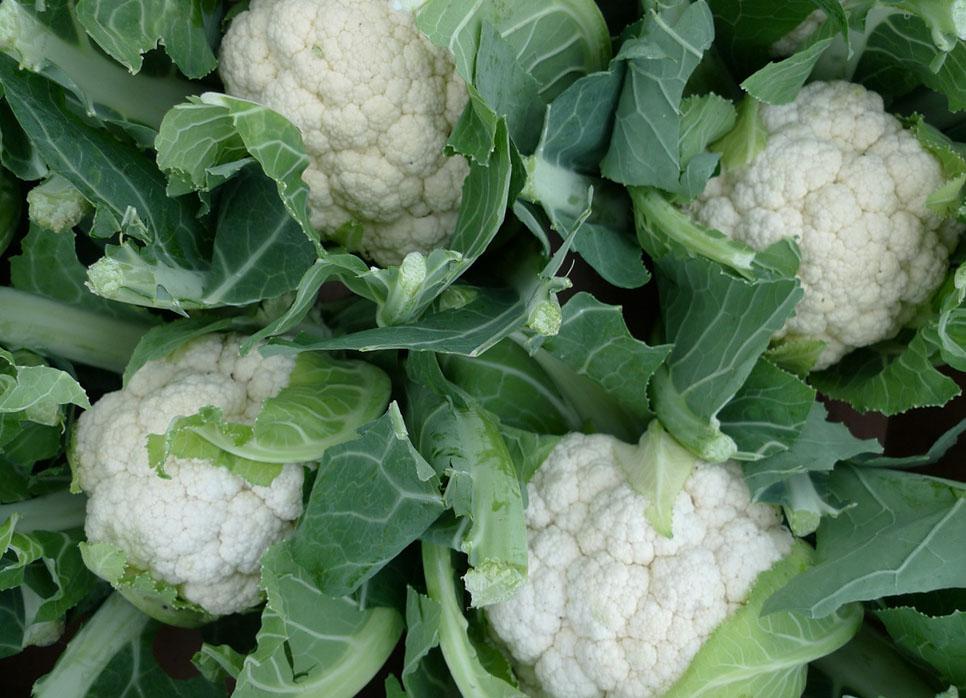
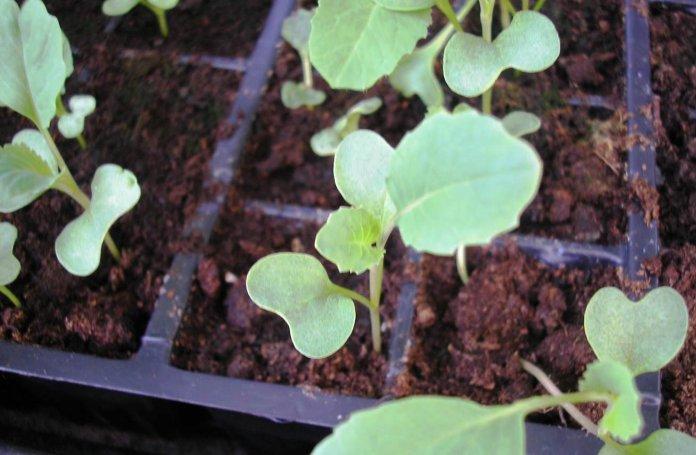
Sow seeds in a common container or in individual containers, planting them 0.5 cm deep. When 5-6 leaves appear, cauliflower seedlings are transplanted into the garden. They are protected from the sun for a week.
Irrigation and fertilization of cabbage bushes
The amount and frequency of watering are influenced by weather conditions and the amount of precipitation. At the beginning of the growing season, cauliflower requires less water than during inflorescence formation:
- first half of the growing season - 30 l/m²;
- second half of the growing season - 40 l/m².
Fertilize cauliflower 2-3 times per season, spaced 2-3 weeks apart. At the beginning of the growing season, apply nitrogen fertilizer (25 g/m²). As the inflorescence ripens, apply phosphorus-potassium fertilizer (30 g/m²).
When to hill cauliflower
Those growing cauliflower for the first time often wonder whether and when to hill it. Loosen the soil between the rows and around the plants throughout the summer. Weeds are removed at the same time. Follow this procedure:
- the first loosening to a depth of 4 cm a week after transplanting the seedlings;
- all subsequent ones - after watering to a depth of 10 cm.
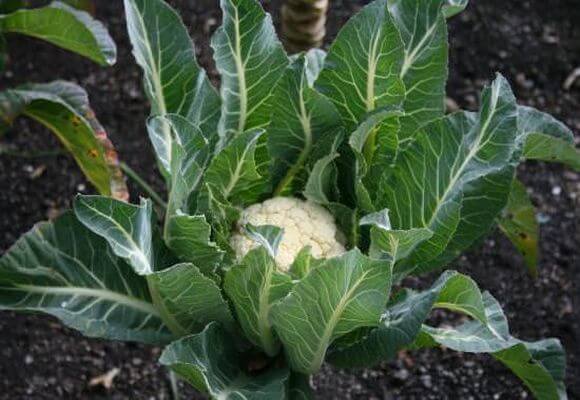
Cauliflower is hilled once before closing the rows.
Caring for unblown inflorescences
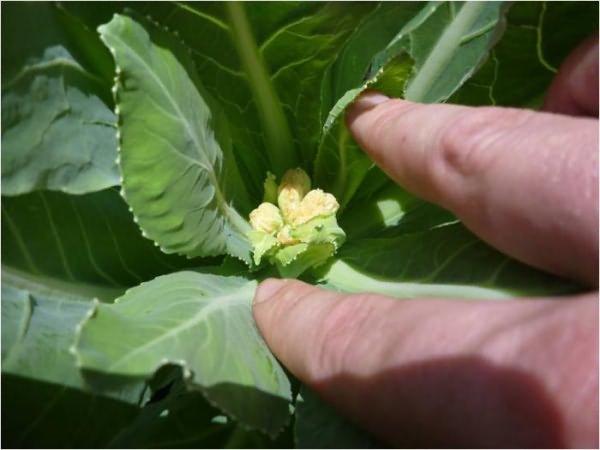
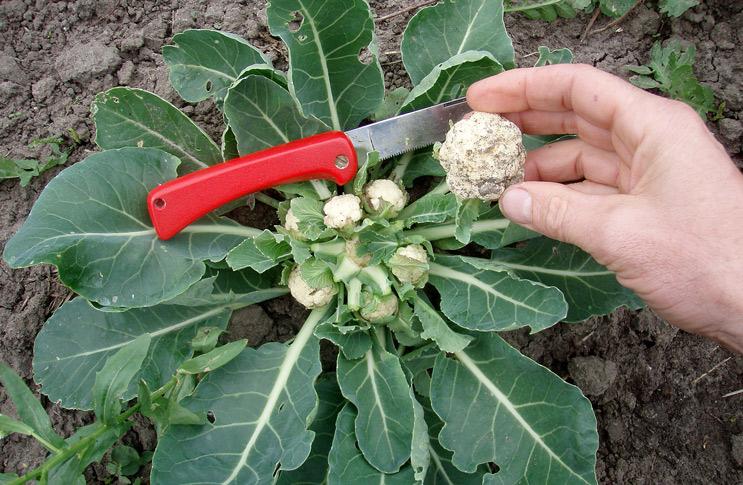
Cauliflower can be grown further if its heads haven't formed before frost sets in. Choose plants with a sufficient number of leaves (at least 14) and heads at least 2 cm long.
The plants are dug up with a clod of soil and transferred to the basement. They are placed in a container and covered with soil. Care during growing:
- maintain soil and air humidity;
- remove dried leaves.
| Air temperature | Growing time (days) |
| 13 °C | 20 |
| 5 °C | 50 |
| 1 °C | 120 |
How to care for crops in a greenhouse
The polycarbonate greenhouse is used to grow seedlings for open ground and cabbage for an early or autumn harvest.
Preparing the beds
The bed for cauliflower is filled with a soil mixture consisting of garden soil, humus, rotted sawdust, peat, and sand. The exact ratio doesn't matter much. Gardeners base their calculations on the available ingredients.
We sow seeds and plant seedlings
When sowing for seedlings, the rate of cabbage seed per 1 m² of bed is 10 g, with a row spacing of 4 cm. The seeding depth is 0.5-1 cm. In southern regions, the first cabbage seedlings are sown in greenhouses in February (1-10). Repeat sowings are carried out after 2-3 weeks.

In temperate climates, the soil in the greenhouse warms up later. Seeds for seedlings are sown in April. The seedlings are provided with a specific temperature regime:
- the first days the air temperature is 20-22 °C, soil temperature is 20 °C;
- a week after the emergence of sprouts, 10 °C during the day, 8 °C at night;
- in the following days during the day 16-19 °C, at night 12 °
The optimal soil temperature for cauliflower seedlings is considered to be 15°C. When the early seedlings reach 55-60 days of age, they are transplanted to their permanent location. Before transplanting, harden them off for a week. Open the greenhouse or hotbed for ventilation. Cauliflower seedlings are planted in furrows or holes. The standard planting pattern is 30 x 70 cm.
Watering and fertilizing
Cabbage in the greenhouse is watered generously and regularly. The soil should be kept moist at all times. To prevent fungal diseases, open the windows and doors for ventilation.
Take a look Also

| Feeding No. | Fertilizer composition | Method of application |
| 1 | Mullein - 0.5 l | Solution under the root |
| Water - 10 l | ||
| 2 | Kemira - 25 g | Solution under the root, consumption 5 l/m² |
| Water - 10 l | ||
| 3 | Nitrophoska - 30 g | Solution under the root, consumption 10 l/m² |
| Water - 10 l |
Loosening and soil care
Roots need oxygen. Therefore, the cabbage bed is loosened after each watering. To repel pests and prevent fungal diseases, the soil is sprinkled with ash.
Prevention and treatment of diseases
Crops fail due to Alternaria wilt, blackleg, bacterial slime, and viral mosaic. To prevent diseases, crop rotation is practiced, the soil is cleared of weeds and plant debris in the fall, and green manure is sown.

In summer, fungicides are used for prevention and treatment:
- "Alirin-B";
- Gaupsin;
- "Gamair";
- Trichopolum
- Fitosporin.
Cauliflower is treated with fungicides every 10-12 days.
Insect protection
Cauliflower is a favorite food source for butterfly caterpillars, cabbage moths, and cabbage whites. Snails and slugs also gnaw at it. Aphids and cabbage fly larvae also plague cauliflower crops. To prevent garden pests, treat cauliflower with bioinsecticides:
- Verticillin;
- Bicol;
- "Bitoxibacillin";
- "Boverin".
These products are used in tank mixes. Treatments are carried out during the insect flight and larval emergence. To combat slugs and snails, cabbage beds are sprinkled with ash. Watermelon rinds and damp cloths soaked in kvass are laid out as bait.
Answers to frequently asked questions
Why the flower heads aren't forming is the most pressing question for beginning gardeners. Hot weather may be the culprit. In hot weather, inflorescences don't form. Failure to plant on time is another reason for a poor harvest.
| Planting method | Sowing | Transplantation into the ground |
| Seedlings in the apartment | March 15-20 | Late April, early May |
| Seedlings in a greenhouse | First ten days of April | When the 4th leaflet is formed |
| Seeds in the ground | April-June | — |
Should I pick off the lower leaves?
In this matter, it's important to listen to the experts. They believe this procedure is harmful to cauliflower:
- infection (viruses, fungi) can get into the wounds from the soil; infected heads of cabbage do not store well;
- the lower leaves feed the head, their removal will affect its size;
- the juice released from the wound will attract pests, which will affect the quality and size of the inflorescence;
- the soil dries out faster, you have to water it more often.
You can pick off dry and rotting leaves. They're of no use. Sprinkle the wounds and soil with ash. This will protect the cabbage from infection.
Is it possible to get a second harvest?
Two harvests from one root are obtained in the southIt won't work in Siberia. Summer is too short. In Kuban and Stavropol Krai, they manage to get three heads from a single root. The leaves and inflorescence are cut off, but the core is left alone. It is hilled up, watered, and fed with a mullein solution. Within a few days, young shoots (1-2) appear. New inflorescences form on these. They are smaller than the first, but still edible.
Growing a good cauliflower harvest is challenging. The crop is very sensitive to high temperatures, requires balanced nutrition, and thrives in fertile soil. A slight delay in harvesting reduces its quality.
Related posts:
 Description of the best cabbage varieties for 2025 for different regions
 Description of cauliflower diseases and pests, methods of treatment and control
 Growing and caring for broccoli in open ground and greenhouses
 How to feed cauliflower in open ground for growth and how to do it correctly
 How to properly plant cauliflower in open ground: diagrams and timing of the procedure
 Description and characteristics of the best varieties of late cabbage, planting and care technology
 50 Best Varieties and Types of Cauliflower with Names and Descriptions
 Growing and caring for Chinese cabbage in open ground and greenhouses