
Experienced gardeners strive to collect their own seeds. This is because low-quality planting material is often found commercially, and it's also a great way to grow your own variety. This is especially true for cabbage, for which seeds, as it turns out, can even be collected from your own garden.
Peculiarities of peduncle formation
Everyone knows cabbage as the overgrown apical bud of a plant, which contains all the nutrients. Inexperienced gardeners naturally wonder: when the head is cut off, the plant stops growing, and it's unclear where the seeds come from.
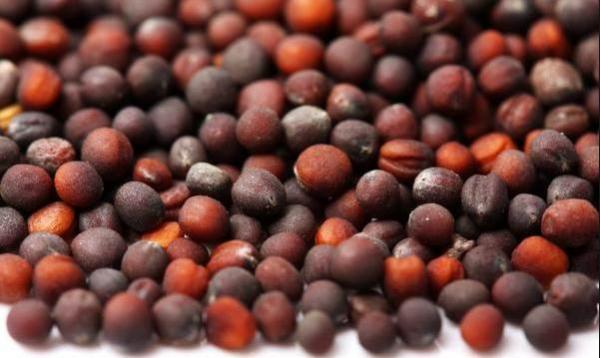
It turns out that only in the second year of plant growth does a shoot with flower stalks form from the apical soil, from which the fruits subsequently ripen – pods with seeds that are brown in color and have an angular-rounded shape.
Sometimes, the plant produces flower stalks even in its first year of growth. However, collecting such seeds is not recommended, as this material has a low germination rate and weak sprouts that rarely form heads.
Please note! Cabbage is a biennial crop that must go through all stages of growth and development to fully bear fruit.
When to collect seeds
To obtain cabbage seeds, you should select only mid- and late-ripening varieties, since it is unlikely that you will be able to obtain planting material from early varieties due to the short shelf life of the heads.
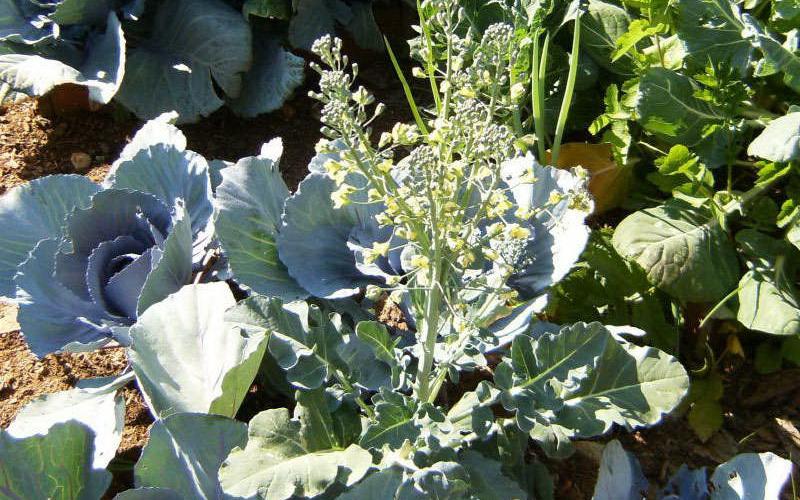
In the second year of life, the growing season, seeds form on the shoots, which are important to collect promptly. Typically, harvesting should take place 40 days after flowering ends. However, it's important to note that ripening doesn't occur simultaneously. Don't wait until all the pods are ripe; it's better to begin harvesting gradually. To do this, cut off branches bearing fruit that have turned brown.
Take a look Also

Weather conditions often prevent the fruit from fully ripening. In this case, the plant should be cut off, along with a small portion of the stalk, and hung indoors until the seeds are ready. Once the pods are ripe, the seeds should be split open, removed, and thoroughly dried.
Method for obtaining cabbage seeds at home
Growing cabbage seed yourself requires a serious approach, but with the right steps, you'll get seeds with a high germination rate.
The principle of selection of queen cells
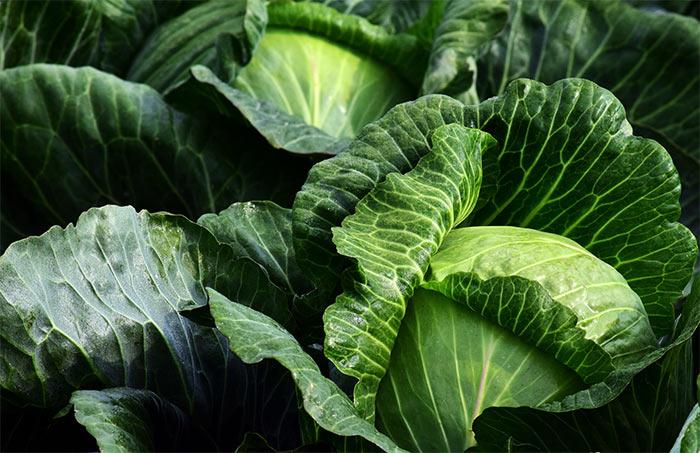
To grow planting material, it's first and foremost important to select the right mother plants; simply growing heads is not enough. The next step is selection, which favors low-growing plants with thin stalks. The following characteristics should also be considered:
- fortress;
- not overfeeding with nitrogen;
- full compliance with the description of the variety characteristics;
- no signs of overgrowth;
- full weight relative to the rest of the plant's mass.
Please note! If possible, cabbage should be grown from seedbeds using direct sowing. This allows for a plant with a strong root system and a short stalk.
Collection and storage conditions
The mother plants must be harvested before the onset of frost. This is typically in late September or early October. To do this, dig up the plant along with its rosette of leaves and roots. Only healthy plants will survive.
To fully preserve the queen cells, it's important to disinfect the area a month before harvesting. To do this, mix 2.5 kilograms of lime with 100 grams of copper sulfate and dilute this mixture in 10 liters of water. If the storage area is located far from living quarters, treat the area with lump sulfur.
To do this, burn it on metal sheets placed on bricks. For every cubic meter of space, 50 grams of this sulfur is required. The substance must ignite vigorously; wood chips can be used for this purpose. Then, close the room tightly and ventilate it well after 24 hours.

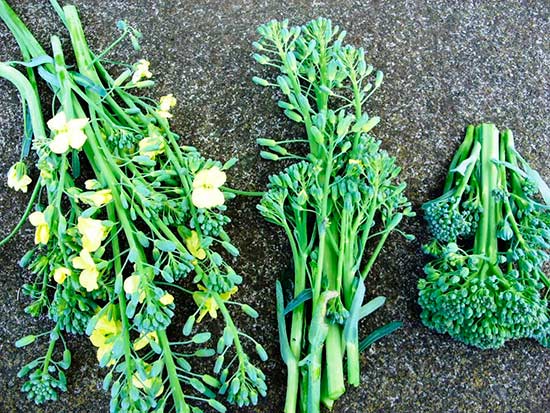
Before storing the queen cells, reduce the temperature to 4°C. If the cabbage heads are harvested while the weather is still warm, there's no need to rush into storing them. You can store them outdoors.
Before storing cabbage, remove the four leaves that are closest to the head. It's best to arrange them on shelves, stacking them in a small pyramid. The root system should be positioned inward. Until the onset of cold weather, the storage area should be ventilated daily, and once frost sets in, it should be insulated. Avoid freezing the mother plants.
When storing queen cells, it is important to observe the following conditions:
- the room temperature should be between 0.5 and 2 ⁰С;
- a decrease in temperature to -1 ⁰С is detrimental to the testicles;
- The humidity in the room should be between 90 and 95%.
During the winter, it's important to periodically inspect the seed heads and, if necessary, remove any rotted leaves. During the final inspection, carefully remove the cores.
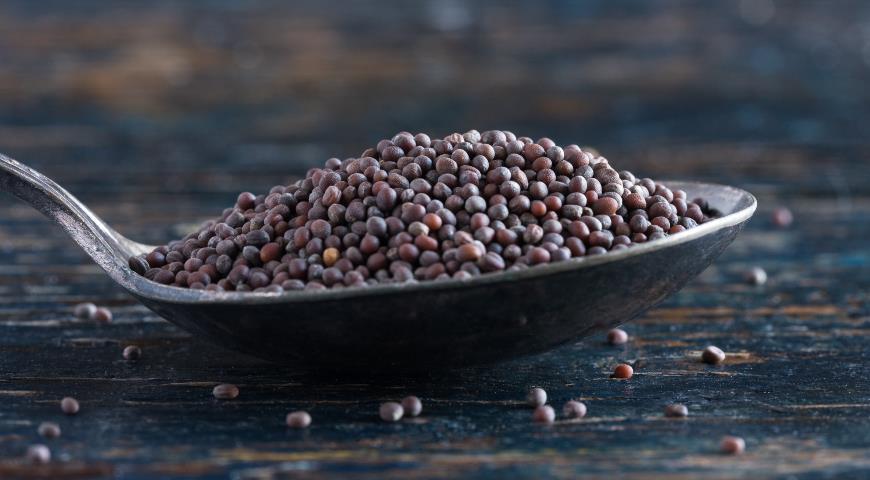
How to sprout cabbage from seeds
Growing cabbage from seeds requires preparation. This involves the following:
- Treat with a manganese solution to neutralize diseases and their pathogens.
- Rinse the seeds thoroughly.
- Wrap the fabric and leave it at room temperature for 24 hours.
After this, the seeds can be planted in shallow holes, where a greenhouse effect must be created to ensure effective germination.
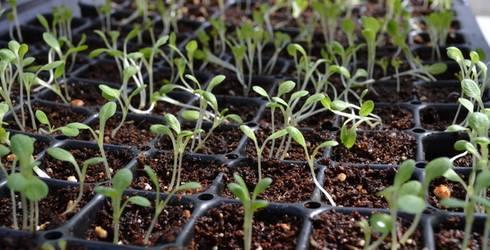
Planting seeds
A month before planting the queen cells, preparations must begin. To do this, follow these steps:
- dip the cut stalk in liquid manure;
- lay root down;
- sprinkle with humus, peat;
- leave it outside, while protecting it from frost.
Seedlings are planted from late April to early May. Only one variety should be planted in a single plot, otherwise cross-pollination will occur. The distance between varieties should be at least 500 meters.

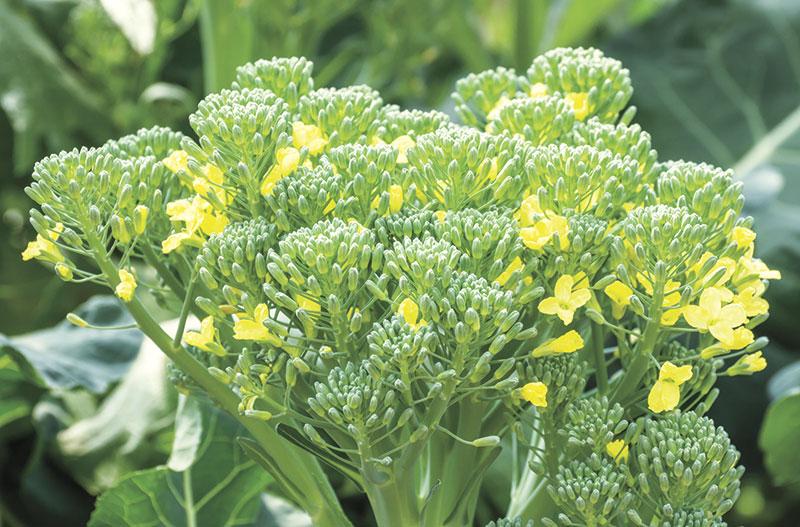
For planting, the soil should be rich in mineral and organic fertilizers. The stalks should be planted deeper than they grew in the fall, as new lateral root shoots will emerge. Water generously and cover with a layer of straw for two weeks.
Features of cultivation and care
Caring for queen cells consists of the following steps:
- weed removal;
- glaze;
- loosening the soil;
- hilling;
- top dressing before direct flowering;
- treatment against diseases and pests;
- garters;
- pinching the tips of seed shoots.
When the seedlings reach a height of 50 centimeters, they need to be loosely tied to stakes.
Related posts:
 How to properly plant peas in a greenhouse and open ground
 Is it possible to soak treated cucumber seeds before planting and how to do it correctly?
 How to propagate and grow peas, cultivation technology, and care in open ground
 How to plant grapes step by step, with a description of the process and care
 How to control onion flies using natural and chemical methods
 How to grow carrot seeds at home
 Description of varieties of sowing peas and cultivation, to which family they belong
 Methods for planting and propagating cherries at home