
- How to properly plant seeds to obtain seedlings
- Required soil composition
- Seed preparation
- Sowing scheme
- Optimal indicators for germination of seedlings
- Humidity
- Temperature
- Lighting
- Technology of planting seedlings in open ground
- Earliest and latest planting dates
- Bush placement scheme
- How far apart should I plant them?
- Carrying out planting operations
- How to care for cauliflower
- Watering and fertilizing
- Loosening and hilling
- Shading of heads
- Typical cabbage diseases and methods of control
- Protecting cabbage beds from pests
- How to harvest and store crops
Cauliflower is a rich source of vitamins and microelements. It's easy to grow at home. Cauliflower can be planted directly in the ground or grown from seedlings. With proper care, gardeners can grow a tasty, healthy vegetable that can be used to prepare a wide variety of dishes.
How to properly plant seeds to obtain seedlings
All stages of seedling cultivation are important: from sowing seeds to planting in open ground and subsequent care. Only then will the farmer obtain healthy seedlings and, subsequently, reap a bountiful cabbage harvest.
Required soil composition
The substrate for cabbage seedlings must be loose and breathable. Seeds will not develop properly in dense soil, which will negatively impact their growth and fruiting. To prepare your own potting mix, you will need the following ingredients:
- garden soil;
- humus;
- peat;
- river sand;
- perlite.
In such a substrate, young roots will develop in the desired direction, without being slowed down by hard clods of earth.
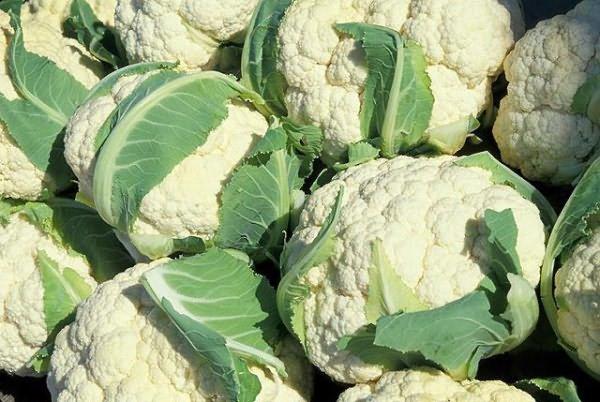
Seed preparation
The seeds are pre-activated by placing them in a linen cloth and immersing the cloth in warm water for 12 hours. To prevent fungal diseases, untreated seeds must be disinfected. To do this, they are dipped in a potassium permanganate solution for 20 minutes, then rinsed and dried.
Sowing scheme
To avoid damaging the root system when transplanting, it's best to sow the seeds in individual containers, such as peat pots. Place 1-3 seeds in each container, 1 cm deep, after moistening the substrate. Sprinkle a layer of river sand on top: this will draw out excess moisture, preventing the seeds from rotting.
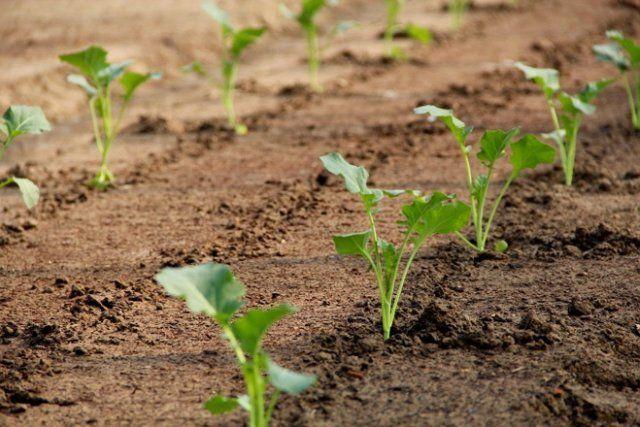
When sowing seeds in boxes, space them 1 centimeter apart and rows 3 centimeters apart. When the young seedlings develop 2-3 leaves, they are transplanted into individual containers. The roots are trimmed back by ⅓ before planting. This procedure has the positive effect of expanding the seedlings' feeding area.
Optimal indicators for germination of seedlings
To grow healthy seedlings at home, you need to comply with the requirements they impose.
Humidity
Even when sowing seeds, it's important to ensure adequate humidity. To do this, cover the containers with plastic film. Once the seedlings emerge, remove the film. Water the plants at least once a week, using 6-7 liters of water per square meter. As the seedlings grow, increase the amount of water.
Temperature
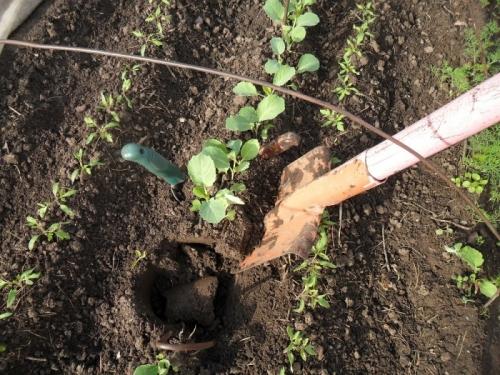
Immediately after sowing the cabbage, the containers are placed in a room with a temperature of 20°C. Once the seeds have sprouted, they are kept at a temperature no higher than 10°C. Under these conditions, the root system develops, and leaf growth slows. After a week, the temperature is raised to 15°C.
Lighting
The plant requires a lot of light. If it's not bright enough, the seedlings will stretch, resulting in weak growth and failure to produce a high-quality harvest. Since early spring light is scarce, the seedlings need supplemental lighting. To do this, use a fluorescent lamp above the container.
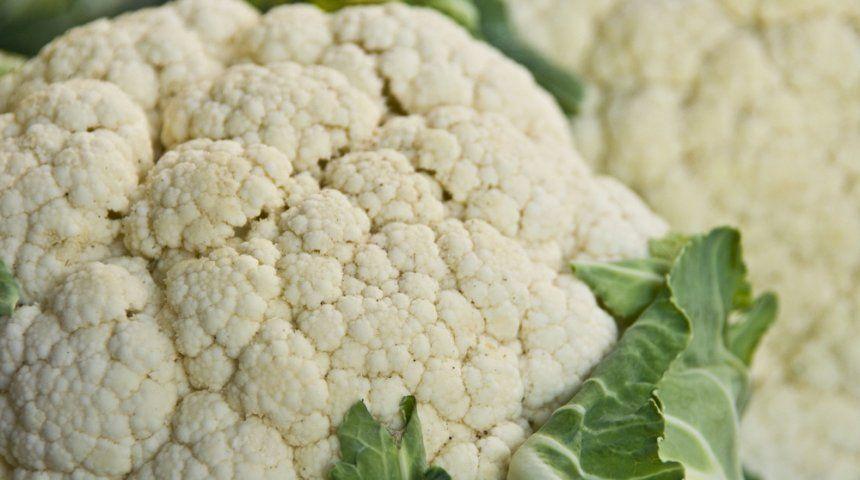
Technology of planting seedlings in open ground
Before planting seedlings outdoors, they need to be hardened off. To do this, young seedlings are exposed to fresh air for a week, first for a few minutes, then for several hours. To ensure the seedlings take root quickly and thrive, it's important to follow the planting technique.
Earliest and latest planting dates
The planting period depends on the region where the gardener lives and on ripening periods of cauliflower:
- Early varieties are planted between April 25 and May 15. To obtain seedlings, prepared seeds are sown in boxes or pots in early March.
- Mid-season varieties are ready for planting in open ground from May 20 to June 15, and those sown from April 10 to May 10 are ready for seedlings.
- Late-season vegetable varieties are planted outdoors in late May or June. To obtain seedlings, the seeds are prepared and then sown in late April or early May.
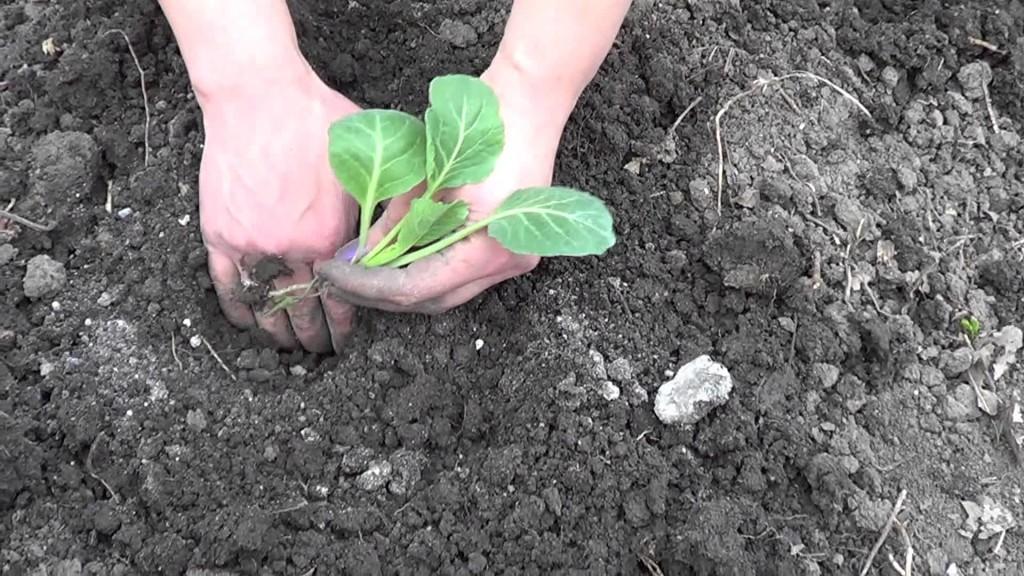
Tip! To enjoy this healthy vegetable for a long time, plant seedlings with different ripening times in your garden beds.
Bush placement scheme
Cauliflower leaves tend to grow larger, especially in late-season varieties. Therefore, this should be taken into account when planting seedlings. Planting pattern:
- early varieties of cabbage are planted at intervals of 25-30 centimeters between bushes, and 60-70 centimeters between rows;
- mid-season varieties – 30 centimeters between bushes, 70 – between rows;
- Late varieties are planted at a distance of 40 centimeters between bushes and 70 centimeters between rows.
To keep the soil from becoming empty, you can sow dill, lettuce, parsley, radish, and basil next to the cabbage.
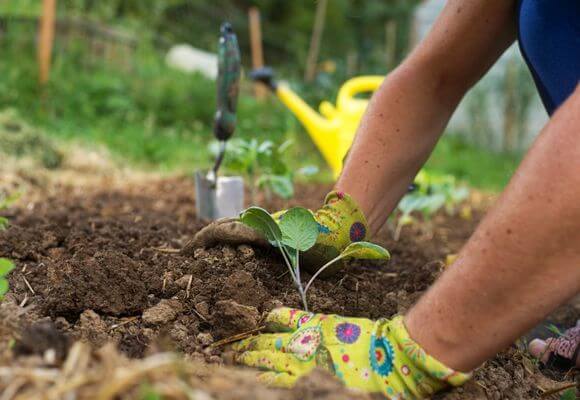
How far apart should I plant them?
In warmer regions, cauliflower can be sown directly into the ground. This procedure is carried out in early May. To do this, mark out rows every 60-70 centimeters. Sow the seeds 10-15 centimeters apart, planting them 1 centimeter deep. When the plants have 5-6 leaves, thin the rows, leaving 25-40 centimeters between plants.
Carrying out planting operations
Plant the seedlings in the evening or during the day if it's cloudy. Here's a step-by-step guide to planting young cauliflower plants:
- Holes are dug according to the diagram.
- Add a handful of humus and 1 tablespoon of wood ash to each pot. Mix the fertilizer thoroughly with the soil.
- Each hole is watered with warm water. The seedlings or seeds are planted.
- The root circle is mulched with humus.
- The bushes are shaded by throwing dry grass or a paper cap over them.
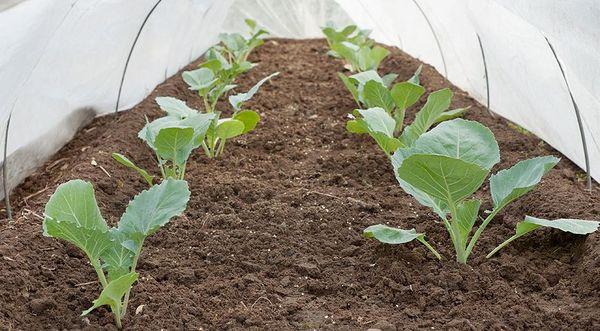
The seedlings are planted in such a way that the bush is buried in the ground up to the first leaves.
Please note! Properly grown seedlings should be squat and have 4 to 6 leaves.
How to care for cauliflower
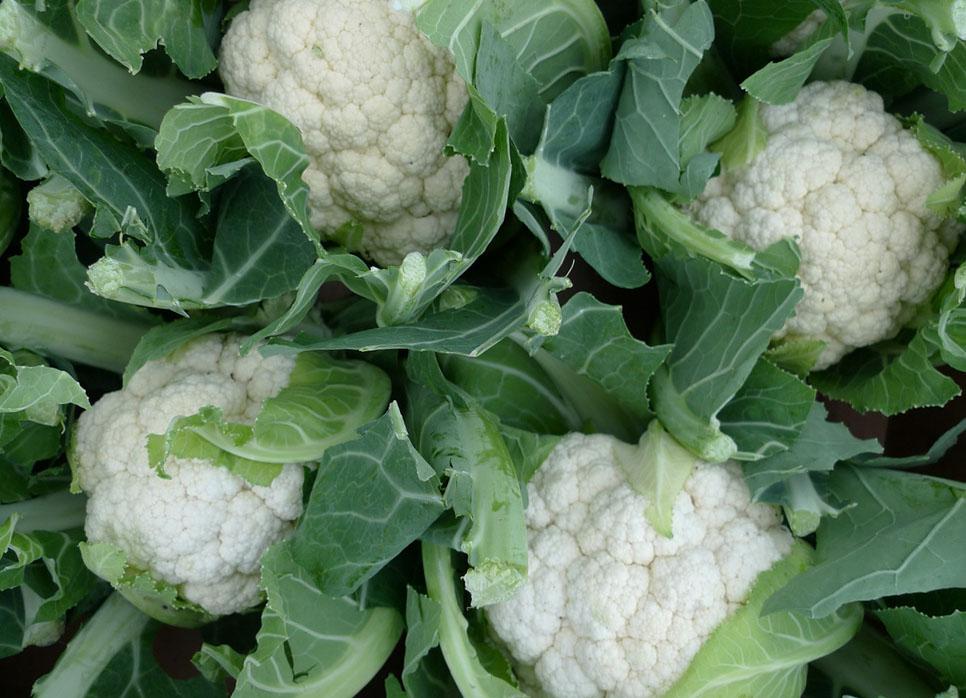
Each bush should develop an inflorescence consisting of fleshy flower stalks throughout the season. To ensure the plant's heads grow firm, healthy, and disease-free, it's important to know how to properly care for them.
Watering and fertilizing
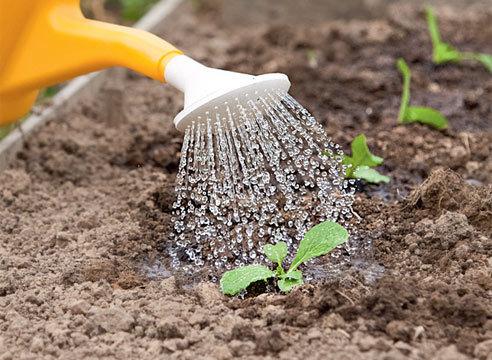
Cabbage is a moisture-loving crop, but the soil shouldn't be constantly wet. In moderate summer weather, watering once a week is sufficient. Constantly wet soil can promote fungal diseases. Insufficient watering will prevent the florets from growing large and crisp.
During the growth period cauliflower is fed 3 timesThe first is 10 days after planting the young plants in their permanent location. The second time, the seedlings are fertilized two weeks later, and the third time, before the cabbage begins to form inflorescences.
Loosening and hilling
After each watering or rain, loosen the soil around the cauliflower plants. This procedure allows air and moisture to reach the roots and helps control weeds that steal nutrients from the plants. Hilling helps retain moisture, protects the roots from overheating, and prevents the plants from leaning sideways.
Shading of heads
To prevent cauliflower florets from losing their marketable appearance and turning yellow from direct sunlight, shade them during the hot midday sun. Use the cauliflower's own leaves for this purpose. Tie them above the florets with string or secure them with a clothespin. Another option is to break off two inner leaves and cover the cauliflower head with them.
Typical cabbage diseases and methods of control
In open ground, cauliflower can be affected by diseases:
- cabbage clubroot;
- wet rot;
- fusarium;
- black leg;
- downy mildew.
It is amazing cauliflower disease, mainly due to poor agricultural practices. For example, untreated seeds were planted, the bushes were overwatered, or seedlings were planted in pathogen-infected soil. Cauliflower should not be planted after closely related plants such as mustard greens, radishes, horseradish, radishes, and other cabbage varieties.
Affected parts must be cut back to healthy areas. The plants are then treated with antifungal agents. Severely diseased plants must be destroyed. After harvesting, plant debris is destroyed, and the soil is treated with fungicides.
Protecting cabbage beds from pests
The main pests of the cruciferous family are cabbage flea beetles. They can destroy plants in a short period of time. As soon as small holes appear on the leaves of young seedlings, they should be covered with wood ash.
The procedure must be repeated after each watering until the leaves become rough.
Slugs love to eat cabbage, and they can be controlled with dry mustard, lime, and eggshells. Sprinkle the substance around the plants so the naked mollusks can't overcome the damaging material. Caterpillars can be collected by hand or sprayed with a solution made from 200 grams of dry mustard in one bucket of water.
 Important! Ash used for pest control must be fresh and not rained on.
How to harvest and store crops
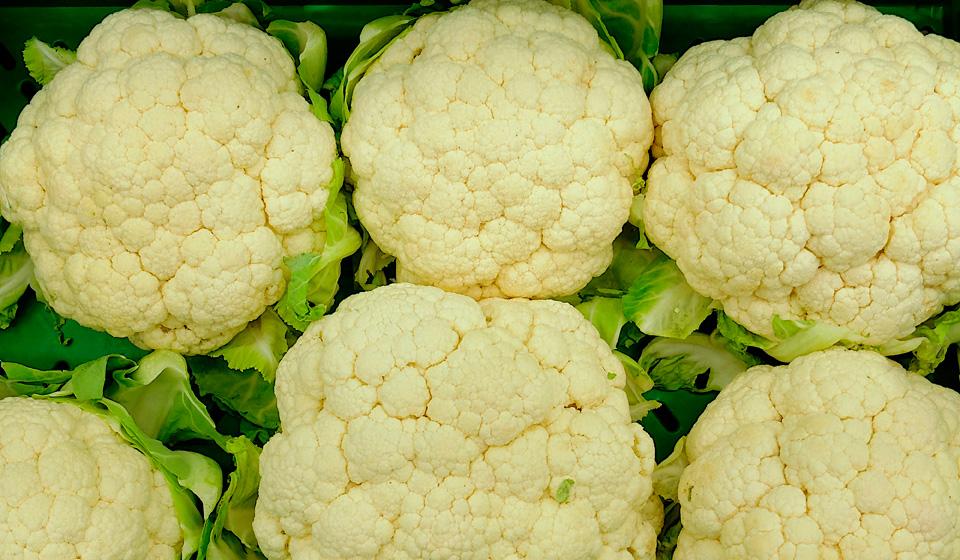
The heads of cabbage are harvested according to their ripening period. For storage, the florets are trimmed with 3-4 leaves. This will help them stay fresh longer. If the heads of cabbage need to be transported, they are stored with the cut side up: this will prevent damage to the florets and prevent them from getting dirty. The crop can be stored hanging upside down in a basement.
Cauliflower doesn't store well: it becomes wilted and yellows. Here's how to extend its shelf life:
- clean the plant head from leaves and dirt;
- disassemble into inflorescences;
- rinse, then dry;
- wrap in cling film and place in the freezer.
In these conditions, cabbage can be stored for up to 1 week. It can also be frozen or canned. Growing cauliflower is easy. To do this, a gardener needs to select a variety adapted to their region, sow the seeds, plant the hardened seedlings in open ground, and care for them properly.
Related posts:
 Why does cabbage grow tall in the garden and what can be done about it?
 How to properly plant cabbage seedlings in open ground: spacing, timing, and temperature
 Growing and caring for Chinese cabbage in open ground and greenhouses
 Planting, growing, and caring for cauliflower in open ground and greenhouses
 How to plant grapes step by step, with a description of the process and care
 How to properly plant peas in a greenhouse and open ground
 Description of the best cabbage varieties for 2025 for different regions
 How to propagate and grow peas, cultivation technology, and care in open ground