
- The best universal varieties
- Victoria
- Russian size
- Orange tangerine
- Martha
- Cha-cha
- Hydra F1
- Early ripening crops
- Richie F1
- Vesnyanka
- Beijing broadleaf
- Semi-pumped
- Tsha 2
- Lenok F1
- Mid-season varieties of Peking cabbage
- Pomegranate
- Manoko F1
- Yuki F1
- F1 slides
- Lyubasha
- Bilko
- Late
- glass
- Nika
- Monument
- Resistant to bolting and flowering
- We select the variety depending on the growing region
- Optimal conditions for the growth and formation of the bush
- Lighting
- Temperature and watering
- Fertilizer
- Rules for planting and caring for cabbage
- In open ground
- In the greenhouse
- The main mistakes when growing Chinese cabbage
Napa cabbage is also known as salad cabbage or Chinese lettuce. It is a subspecies of turnip, the origin of which is associated with the development of Chinese agriculture. Cultivation of this vegetable began in China's Sichuan province and later spread to other countries. Growing Napa cabbage in your garden begins with selecting the appropriate varieties.
The best universal varieties
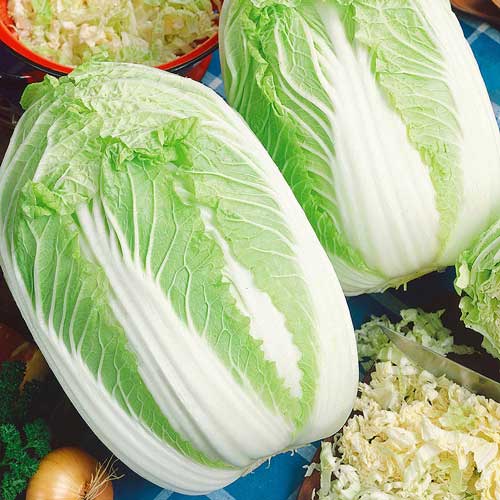
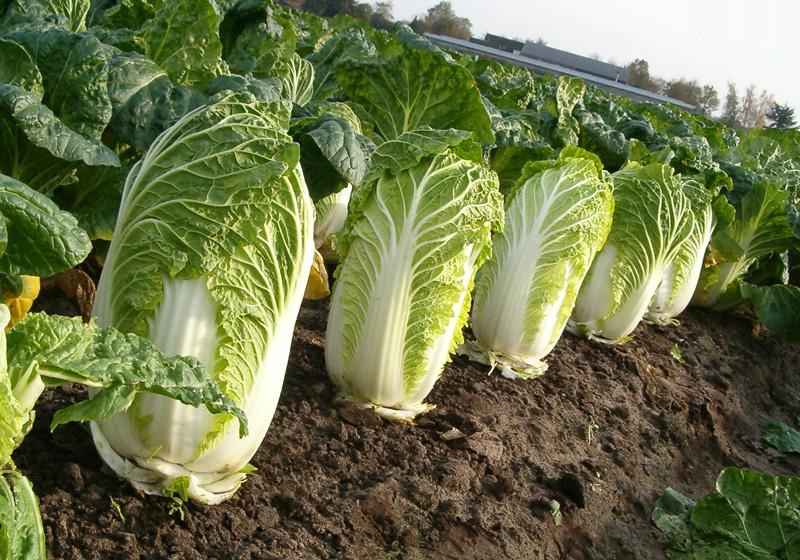
Chinese lettuce is an elongated, light-green head of cabbage. Although this vegetable has a two-year lifespan, it is grown as an annual. It has succulent, loose leaves with a dense white vein in the center. The leaves are arranged in a light-green rosette.
Chinese lettuce is a leader in vitamin C content. It also has increased levels of carotene and citric acid.
Information! This vegetable is considered one of the most beneficial foods due to its complex biochemical composition.
Cabbage is grown by sowing seeds in the soil. Over the past decades, a variety of hybrids have emerged, each with its own distinctive characteristics, and are grown in gardens or on summer cottages.
Victoria
This is an early-ripening variety. 60 days is the period from sprouting to harvest. The cabbage has a pleasant, delicate flavor, and the leaves are porous and loose. The rosette is a classic light green, and when cut, the cabbage remains light in color, without discoloration.
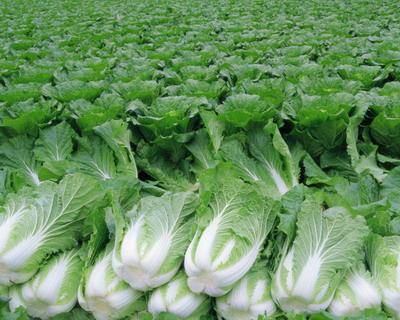
Chinese lettuce leaves are suitable for making vegetable mixes and retain their shape after cooking. The distinctive feature of the Victoria variety is its juiciness; when cut, the vegetable releases a strong cabbage-like juice.
Russian size
The hybrid owes its name to its large head of cabbage. A single fruit can weigh up to 4 kilograms. "Russian Size" is grown in Siberia and the Urals; it is resistant to low temperatures and can grow in any soil. It is an early variety, suitable for greenhouses and mini-hotbeds.
Orange tangerine
This early-ripening variety takes 40 to 50 days from planting to harvest. When cut, the head reveals bright yellow leaves. The outer part of the head is a classic light green. This feature is used by home cooks to create a striking salad presentation.
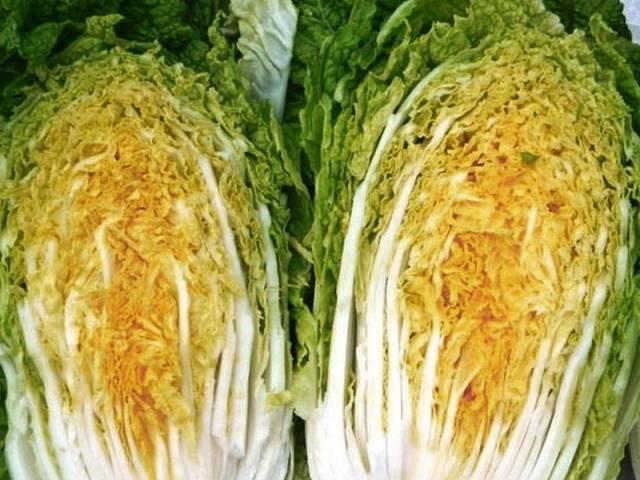
The variety is stress-resistant and suitable for growing in regions with low temperatures. Each fruit weighs up to 1 kilogram.
Martha
An early-ripening hybrid. According to the description, the growing season lasts about 45 days. The heads grow up to 1.5 kilograms and are cylindrical, like other varieties, but slightly wider at the top due to the unique structure of the leaf blade.
Take a look Also

Cha-cha
The hybrid is grown without seedlings. The period from sowing the seeds to the first harvest is approximately 55 days. The heads can weigh up to 2.8 kilograms.
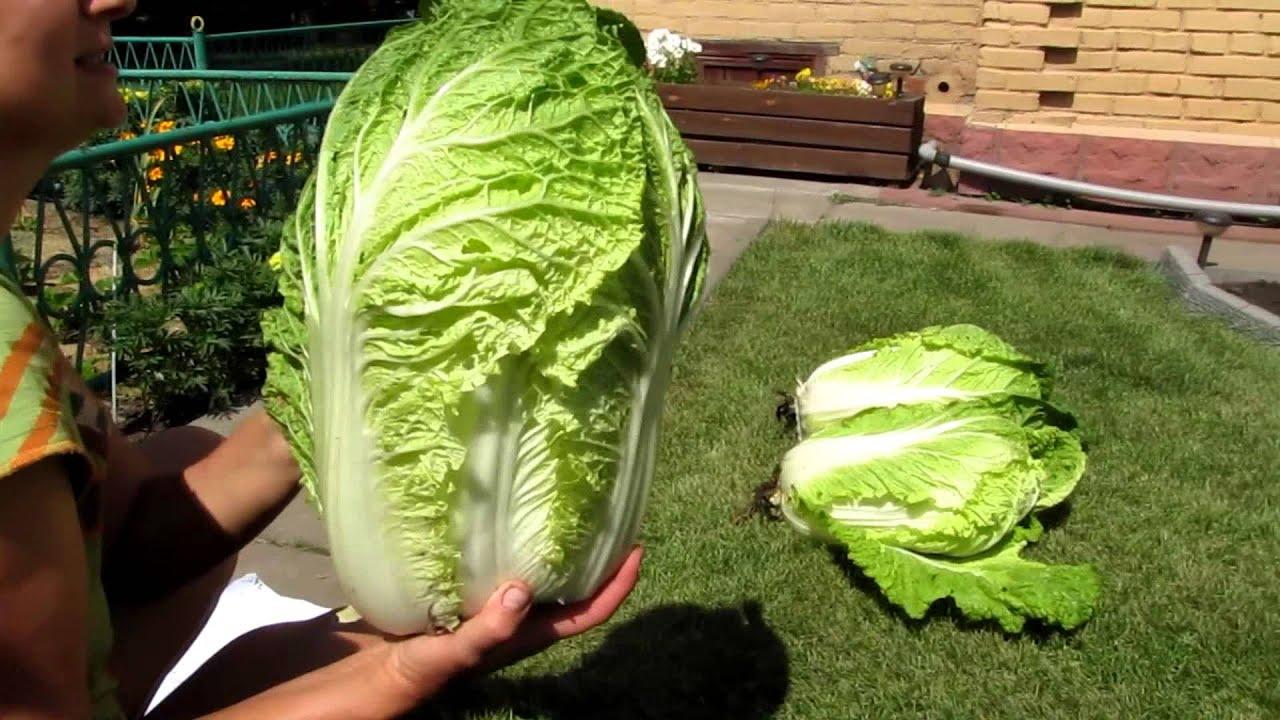
Napa cabbage leaves are loose and light green. They can be used as an ingredient in vegetable salads or as a side dish for main dishes.
Hydra F1
Among the early and mid-season hybrids, the Hydra variety is particularly popular. The head grows up to 1.2 kilograms, has a conical shape, slightly open at the top. This hybrid has a small, short stalk, and the leaves take on a green-yellow hue when cut.
Early ripening crops
Early-ripening varieties are distinguished by their leaf structure. They are typically loose and light. The weight of a single head of cabbage is determined by the number of layers; the stalk of these varieties is very light. It takes approximately 20-25 days from sowing the seeds to planting the cuttings. Harvesting begins 25-30 days after planting the seedlings.
Richie F1
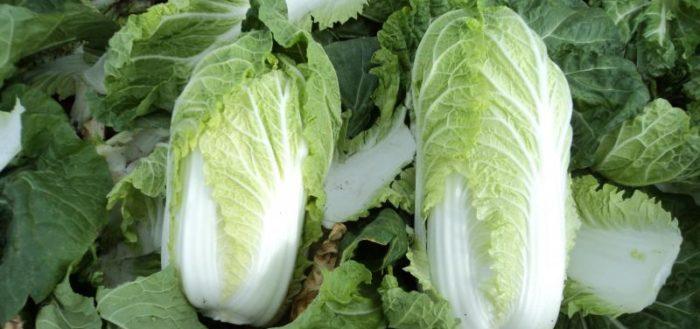
The heads weigh approximately 2.5 kilograms. The leaves form a dense white rosette and have a porous texture. They are suitable for making vegetable mixes and as an accompaniment to main dishes. This hybrid, through several crosses, has acquired high immunity to the dangerous disease, slimy bacteriosis.
Vesnyanka
An early variety with a distinctive appearance. The heads are small and short. The leaves are dark green, smooth, and non-porous. Vesnyanka's stalk is small and suitable for edible use. The variety has a distinctive delicate flavor. It takes about 35 days from the emergence of shoots to harvest.
Beijing broadleaf
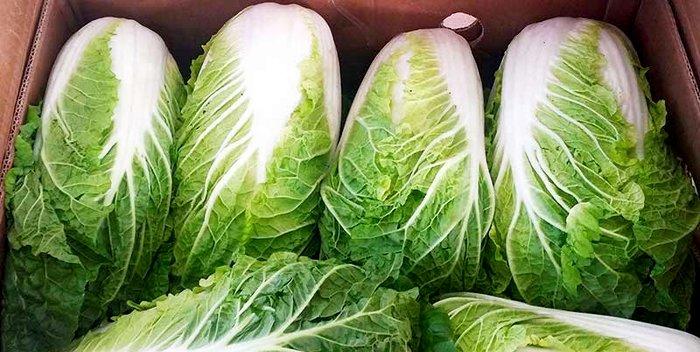
This hybrid's heads are light yellow and grow up to 2 kilograms. The leaves are wide and loose. Propagation without seedlings allows for harvesting within 50 days of sowing.
Semi-pumped
This hybrid produces a good harvest when grown in greenhouses or hotbeds. The growing season is 45 days. The head grows up to 2.8 kilograms and has an oval, elongated shape. The leaves are greenish and retain their shape for some time after cutting. It is suitable for salads and preserves.
Tsha 2
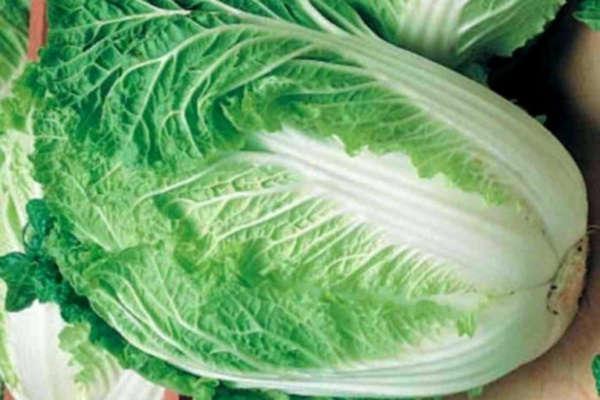
The fruits of this hybrid are small, weighing approximately 500-700 grams. Holes often form among the leaves of the cabbage head. Nevertheless, the variety is popular for its delicate, memorable flavor. It is suitable for salad mixes, imparting a distinctive aroma.
Lenok F1
Small heads, weighing up to 300 grams, are suitable for preparing a single dish, without the need to store the unused portion. The leaves range in color from light green to light yellow. When overripe, they lose their flavor.
Mid-season varieties of Peking cabbage
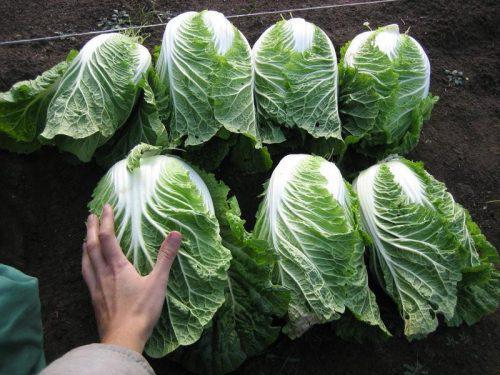
Mid-season varieties are characterized by a thicker center. It becomes denser, and the lower part is unsuitable for cooking. The growth period, from germination to harvest, is extended by 7-10 days. Mid-season varieties are recommended for growing from seedlings.
Pomegranate
This variety boasts high yields. The heads of Chinese cabbage are large, with dark green leaves. The heads are cylindrical and elongated. When cut, they reveal a juicy, light-green center, free of voids and gaps. A single fruit can weigh up to 2 kilograms. Greenhouse cultivation is the primary method of cultivation.
Take a look Also

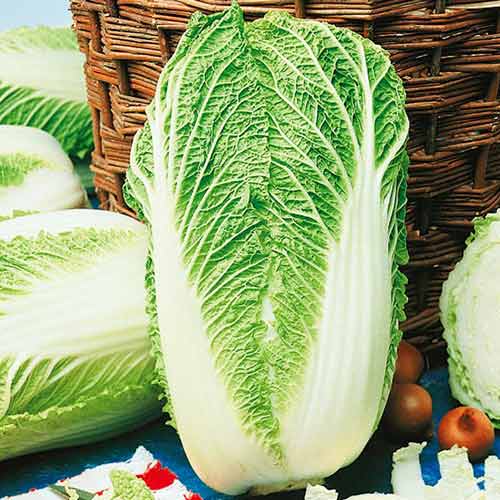
It is resistant to diseases typical for this crop and tolerates low temperatures well.
Manoko F1
Cabbage leaves are green, turning a greenish-yellow when cut. The head is elongated and cylindrical with a dense white stalk. Each cabbage weighs up to 1.5 kilograms.
Grown using various methods, it tolerates low temperatures and germinates outdoors at 4°C (4°F).
Yuki F1
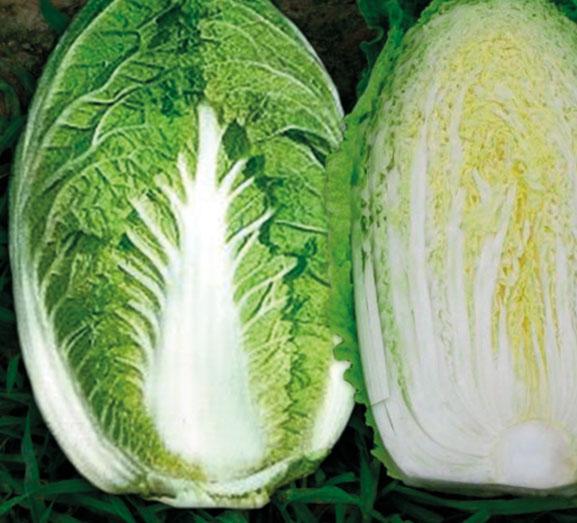
This hybrid boasts high resistance to diseases typical of this crop. It is suitable for both open-air and greenhouse cultivation using seedlings. It can be stored in cold storage for up to two weeks and is suitable for long-distance transportation.
F1 slides
The cabbage heads are dense, weighing up to 2.5 kilograms. The maturation period lasts 60-65 days. The cabbage is not prone to bolting. The hybrid exhibits resistance to disease and can be stored for some time. The leaves of the head are light green, with a white central axis.
Lyubasha
The cabbage is yellow-green in color, with a light green tint when cut. Heads weigh approximately 2.5 kilograms. With proper care, the vegetable produces fruit consistently. It can be grown using both seedlings and direct-seeding methods. It is drought-tolerant and thrives in shade.
Bilko
The head is barrel-shaped. Each head weighs 1.8-2 kilograms. The leaves are light and loose, with no hollow interior. The average time from sowing to harvest is 60 days.
Late
Late-ripening varieties tend to have longer shelf life. This is made possible by the development of denser leaves and midribs.
glass
One of the most well-known late-ripening varieties. Ripening occurs 70 days after planting. The heads become elongated as they mature. The leaves are loose and porous. The variety is resistant to bolting and boasts high yields.
Nika
The hybrid is resistant to bolting and is resistant to most diseases. Fruits weigh up to 2.5 kilograms. The leaves are dense and tough. They are suitable for salads and preserves. This variety retains its nutritional qualities for a long time without losing its shape. This is possible when stored in a cool, dark place with the leaves pressed tightly together.
Monument
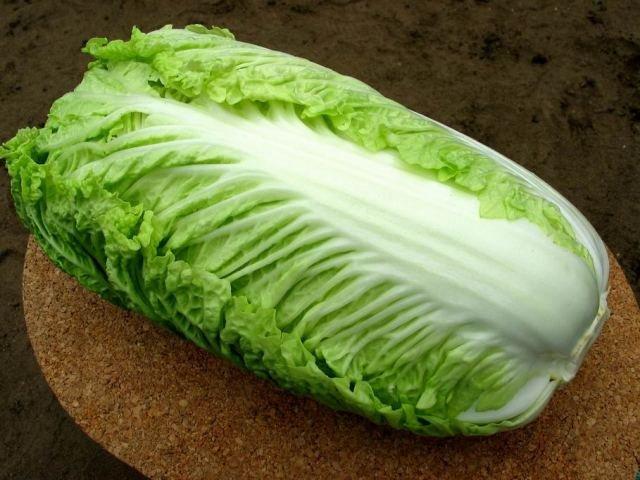
This variety produces fruits reaching 3.5 kilograms. It has a distinctive, slightly bitter flavor. It is tolerant of subzero temperatures and resistant to clubroot and bacterial infections. When cut, the leaves turn yellowish, but remain a classic light green on the outside.
Resistant to bolting and flowering
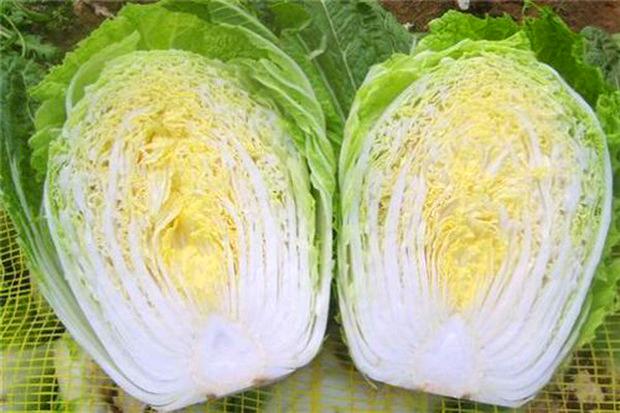
Bolting of Chinese cabbage refers to the failure of the main head to form, which is replaced by the production of bolts. Some hybrids bred through crossbreeding exhibit resistance to this phenomenon. In these cases, bolting is completely eliminated. Bolting of Chinese cabbage results in reduced yield.
Varieties known for their resistance to bolting:
- Manoko;
- Bilko;
- Nika;
- Glass.
We select the variety depending on the growing region
Each of the developed hybrids is suitable for different regions. The choice of variety depends on the temperature tolerance of the variety and its cultivation method.

| In the Moscow region and for the Central Belt | For southern regions | In the territory of Siberia and the Urals |
| · Victoria; · Martha; · Lyubasha. |
· Glass;
· Nika; · Hydra.
|
· Pomegranate;
· Cha-cha; · Orange mandarin. |
Optimal conditions for the growth and formation of the bush
Growing Chinese cabbage requires several requirements, which determine the future harvest.
Lighting
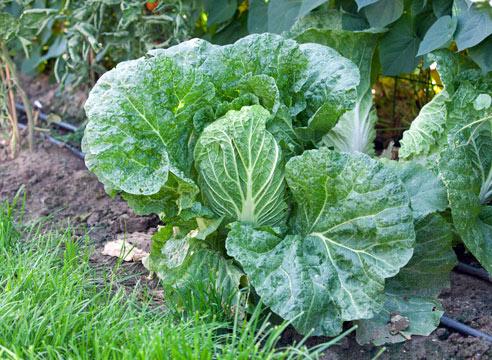
Chinese cabbage is a sun-loving plant. For growth and development, it is planted in open, sunny areas. As temperatures rise, the plants need to be protected from the scorching sun. Shading with non-woven fabric is used for this purpose.
Temperature and watering
Seedlings require temperatures between 15 and 25 degrees Celsius to grow. If the temperature drops sharply to 5 degrees Celsius, the cabbage will not receive enough warmth. In northern regions, seedlings are not planted before mid-June to prevent the possibility of recurrent frosts.
Irrigation is an important aspect of growing Chinese cabbage. Water the roots with warm water as the top layer of soil dries out.
Fertilizer
Cabbage requires potassium-phosphorus fertilizer complexes during the ripening period. The soil is fertilized with nitrogen-containing mixtures before planting.
Rules for planting and caring for cabbage
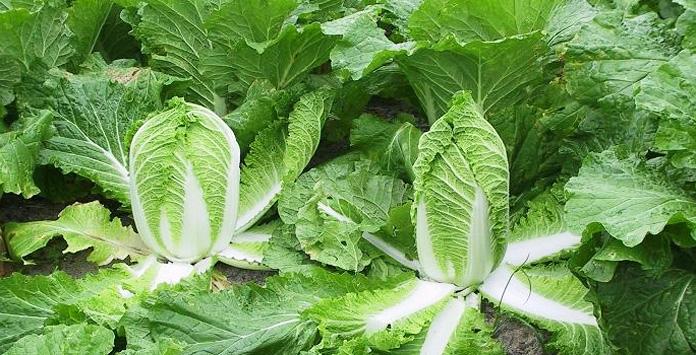
The growing method determines care planning. The direct-seeding method is suitable for areas of the country where good weather sets in at the end of spring.
In open ground
Seeds for planting are prepared in advance. Before planting, they are soaked in a root biostimulant for 10-12 hours. The seeds are buried no more than 2 centimeters deep, then the soil is sprayed and covered with plastic wrap if necessary.
The seedlings are planted at a similar depth, then watered with warm water, and left to adapt.
In the greenhouse
For greenhouse sowing, choose a time different from planting in the ground. The soil is covered with plastic or non-woven fabric to create a greenhouse effect for the seedlings. Once the seedlings emerge, the covering is removed.
The main mistakes when growing Chinese cabbage
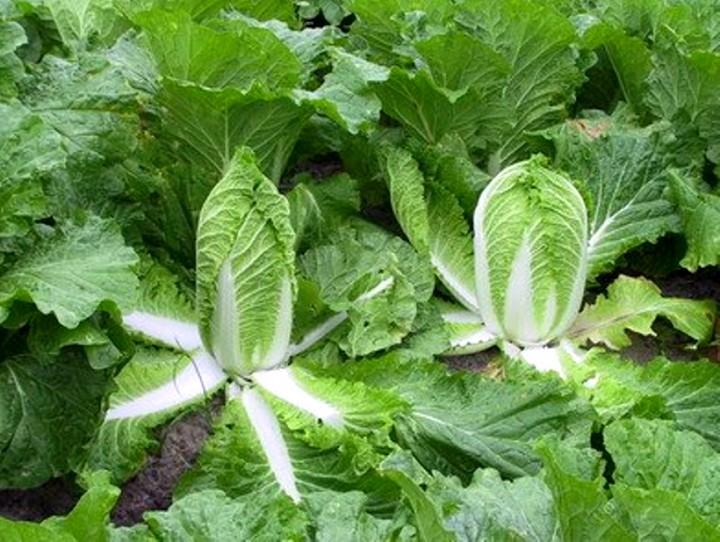
A common mistake when planting Chinese cabbage is planting it too close together. The plants don't allow each other to develop fully, resulting in reduced yields.
Advice! Maintain a distance of at least 25 centimeters between plantings.
Yellowing heads and wilted leaves indicate overwatering. Overwatering the roots leads to the development of fungal diseases that affect the above-ground parts.
Related posts:
 Top 40 Best Cabbage Varieties with Descriptions and Characteristics
 Description of the best cabbage varieties for 2025 for different regions
 50 Best Varieties and Types of Cauliflower with Names and Descriptions
 Description and properties of the 50 best varieties of asparagus beans, benefits and harms
 Why cabbage leaves wilt in the garden and what to do
 Planting, growing, and caring for cauliflower in open ground and greenhouses
 Why does cabbage grow tall in the garden and what can be done about it?
 Growing and caring for Chinese cabbage in open ground and greenhouses