
- Benefits of Growing Cabbage
- Classification of varieties by ripening time
- Early maturing crops
- F1 Transfer
- June
- Dot
- Cossack F1
- Number one Gribovsky 147
- Stakhanovka
- Malachite F1
- Mid-season varieties
- Tobia
- Snowstorm
- Vestri F1
- Bravo F1
- Menza
- Siberian 60
- Semko Jubilee 217 F1
- Present
- Hope
- Belorusskaya 455
- Rinda F1
- Golden hectare 1432
- Late-ripening varieties
- Midor F1
- Moscow late 15 and 9
- Amager 611
- Wintering 1474
- Kharkiv winter
- What to plant in the Moscow region
- Belarusian
- Number one Gribovsky 147
- Golden Hectare
- Winter
- Amager
- The best cabbage varieties for the Urals
- Stakhanovka
- Polar K-206
- Popular in the south of Russia
- Glory
- Mozharskaya local
- Judge 146
- Zavadovskaya
- Derbent
White cabbage is successfully grown in all regions of Russia. In colder regions, it's one of the crops that produces well without shelter, requiring no greenhouse investment. Its long shelf life allows for fresh consumption year-round. Let's consider which varieties and hybrids of white cabbage are best for a good harvest.
Benefits of Growing Cabbage
The main advantage of growing this crop is its remarkable cold resistance, which makes it possible to obtain a decent harvest in any weather conditions.Hardened seedlings survive cold temperatures down to -4-6°C, and continue to grow at temperatures close to freezing. The optimal growing temperature is considered to be 18-20°C.
Cabbage contains a range of micronutrients (Ca, Mg, K, Fe) and vitamins from various groups. It has an important property: vitamins are preserved after pickling through natural fermentation. White cabbage has been cultivated since ancient times throughout the world. In Russia, it accounts for up to a quarter of all land allocated to garden crops. White cabbage completes its full growing cycle in two years. In the first season, it produces a head of cabbage, and seeds from varietal crops are harvested the following year.
The main requirements for agricultural technology are high soil moisture (75%) and air humidity, as well as adequate drainage. High temperatures are harmful to cabbage; at 35°C, the fruits are small and often fail to form at all.
Classification of varieties by ripening time
Ripening time is an important characteristic of any crop. It determines not only the time required for the head to fully form and reach maturity, but also how it's consumed. By using a variety of white cabbage varieties, you can ensure a harvest from early summer and create reserves and preserves for the winter.
Early maturing crops
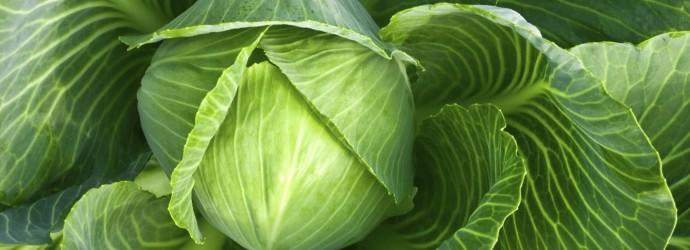
Early-ripening varieties of white cabbage complete their growing season within 110 days. The main characteristic of these crops is their small, not very dense heads. Early varieties ripen in the first third of summer and are rich in nutrients that support the body until other garden crops emerge. Fresh cabbage is a delightful crunch early in the season, and it's used in salads.
These varieties of white cabbage don't take up much space in gardens and aren't overly demanding of soil conditions. Once the space clears, you can grow another crop before fall.

F1 Transfer
An early-ripening hybrid variety, ready in just 100 days. Small heads (up to 1.5 kilograms) are quite loose, with wavy leaf edges and a loosely attached leaf. The Transfer hybrid does not produce seeds. For an early harvest, seedlings are grown. It grows well in any region.
June
The variety description mentions high cold resistance (down to -5°C). The heads, with closely spaced leaves, weigh up to 2 kilograms. When cut, the cabbage is greenish-white, fragrant, and juicy. June cabbage should be harvested promptly.
Dot
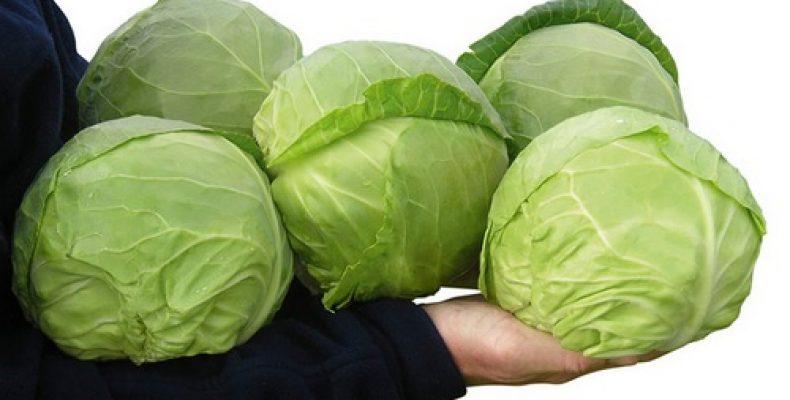
The Tochka cabbage grows in 106-108 days. The rounded heads grow uniformly and ripen simultaneously. Growth slows in acidic soils. Siberian-bred Tochka cabbage grows well in most regions.

Cossack F1
A hybrid named Kazachok was developed in 1996. Ripening occurs in 100-110 days, with the heads growing slightly over a kilogram and yellow-white when cut. The seed producer recommends harvesting the heads immediately after ripening, as the hybrid tends to split in the beds.
Number one Gribovsky 147
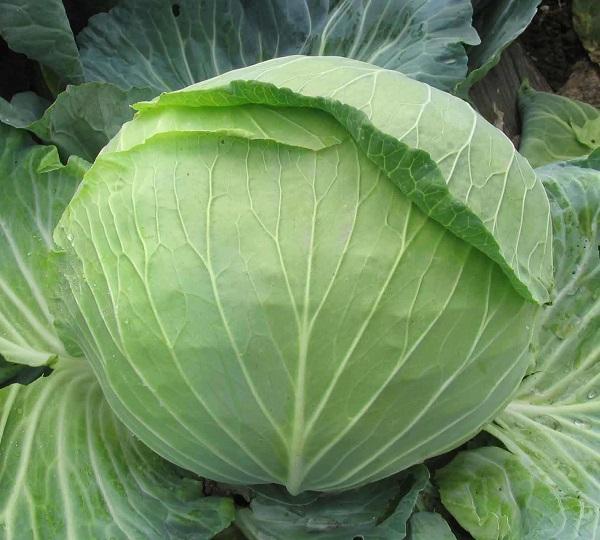
The fruits ripen in 60-80 days, maturing quite early. If planted according to the recommended timeframe (early May), you can enjoy the cabbage by mid-June. The heads are round and slightly flattened. They ripen evenly and need to be harvested immediately, as they tend to crack when overripe. They are used in spring salads and first and second courses.
Stakhanovka
The heads aren't particularly dense, growing to 3.5 kilograms. They take 100-125 days to ripen. Stakhanovka cabbage, grown in the north of the country, is fermented, but the resulting product doesn't keep for long.
Malachite F1
The small heads of the Malachite hybrid store well and are transported without loss. They do not crack even after prolonged storage in the soil. They mature in 100-135 days. The sweet flavor makes them excellent in salads and dietary dishes.
Mid-season varieties
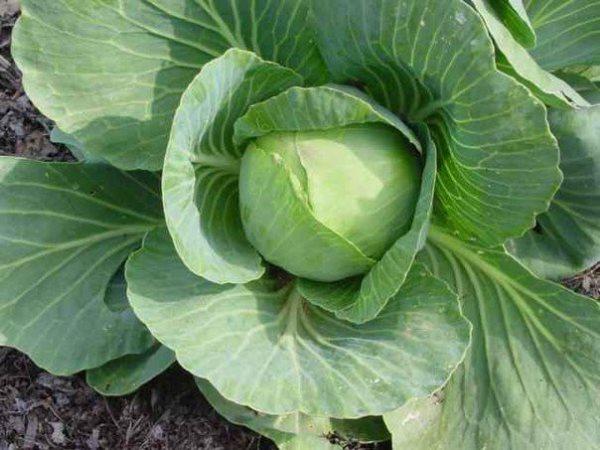
Mid-season varieties reach maturity in 120-140 days. They have a wider range of uses, including salads, cooking, and pickling. Note that fermented cabbage should be consumed within 2-4 months; it softens quickly.
Tobia
This hybrid hails from the land of seeds—Holland. Its head is dense, growing up to 3 kilograms. It has a snow-white center. Tobia is renowned for its flavor and is used for preserves.
Snowstorm
A variety developed by Siberian breeders. The heads are dense, do not crack, and are transported without loss of quality. They can be stored for up to 7 months. Vyuga cabbage has excellent flavor no matter how it's eaten, including pickling.
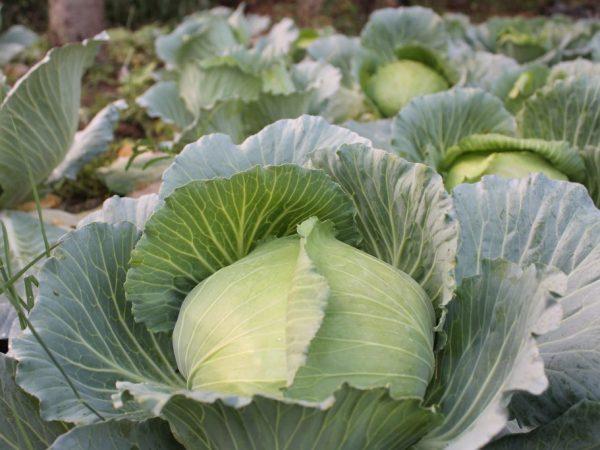
Vestri F1
This hybrid, originally from Holland, has a long shelf life without cracking. Its shelf life is short—4 months. The heads are dense, with delicate leaves. The bush is vigorous. Up to 95% of the harvest is of high quality.
Bravo F1
This French white cabbage hybrid has taken root in Russian gardens thanks to its flavor, juiciness, and undemanding growing conditions. It weighs 2.7-3.5 kilograms, has white, juicy flesh, and tightly packed, tender leaves.
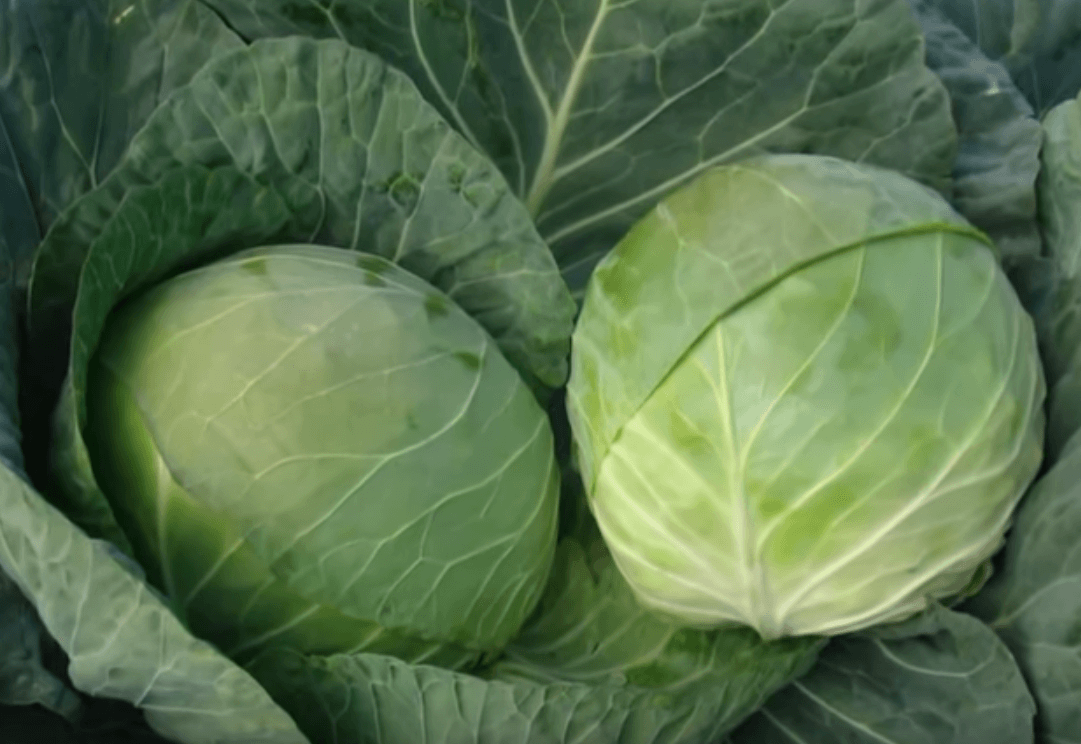
Menza
The slightly flattened fruits grow to 4-5 kilograms. This white cabbage hybrid is easy to grow and is grown in all regions of the country. It has a high yield, lasts a long time on the vine, and does not crack. It has a wide range of uses.
Siberian 60
This cabbage is a true Siberian; cold temperatures don't slow its growth. It can be stored for up to four months without losing its flavor or rotting. When fermented, it retains its crunch and flavor.
Semko Jubilee 217 F1
Even if harvesting is delayed, the cabbage remains intact and does not crack. It is ready in 120-130 days. It has universal use. The heads are free of voids and gaps, weighing approximately 4 kilograms.
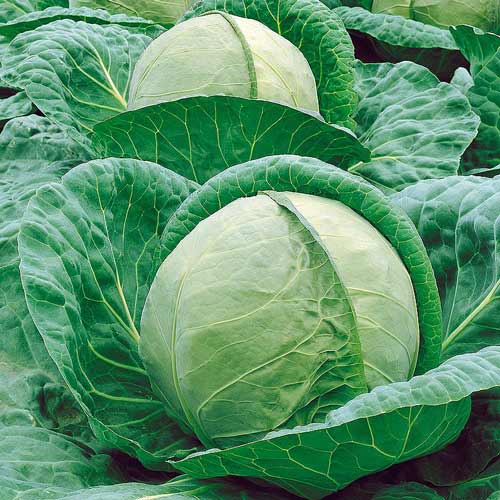
Present
This variety is zoned nationwide. The heads are resistant to cracking and store well until March. The bushes reach up to a meter in height, which should be taken into account when planting seedlings. Dense heads grow up to 4 kilograms.
Hope
It exhibits its best qualities when prepared for future use by any method, including pickling and salting. The leaves curl slightly at the edges, and the interior is white and firm. It has high immunity to common cabbage infections.
Belorusskaya 455
This variety is cultivated in most regions of Russia. It's versatile, doesn't crack, and ripens evenly. It doesn't keep until spring, only lasting 2-3 months.
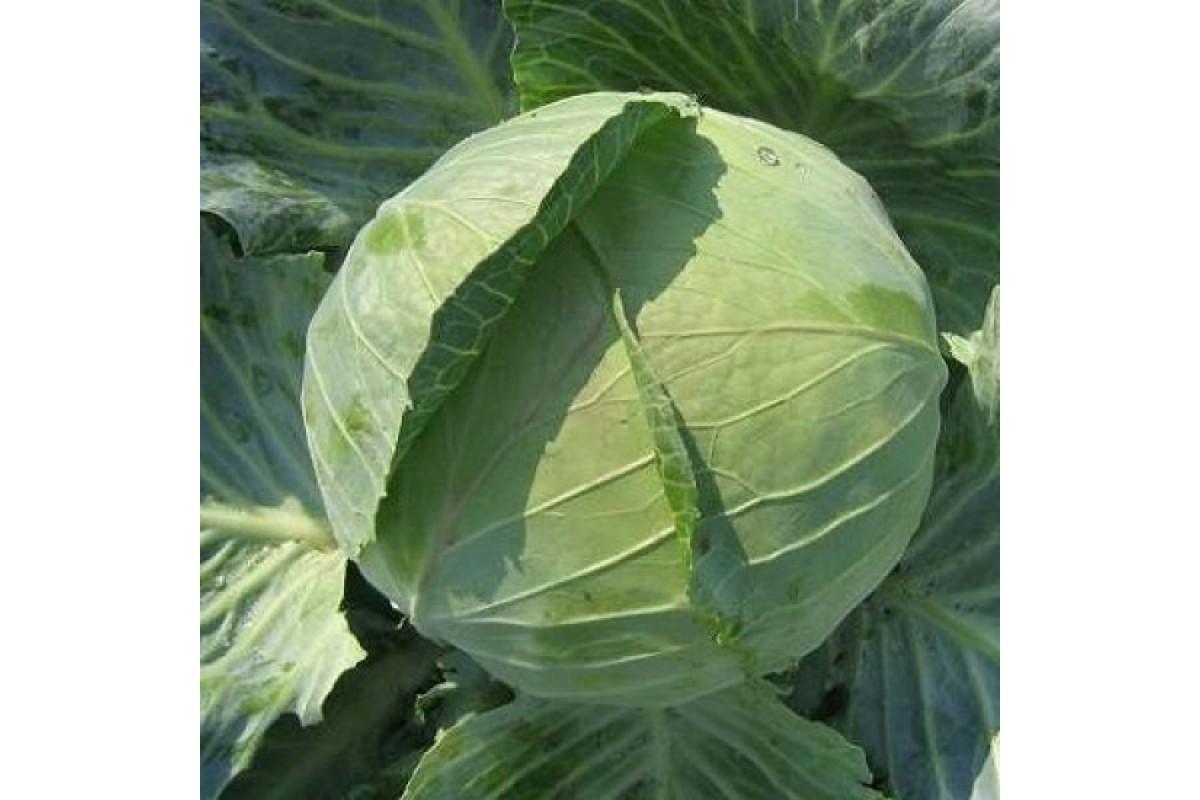
Rinda F1
The hybrid matures in 120-140 days, with a head weighing 3.2-3.7 kilograms. The shelf life is 2-4 months. The head is dense, and the cut color is yellowish-white.

Golden hectare 1432
This variety has been cultivated since 1943. It's suitable for salads. Heads grow up to 2.5 kilograms and are quite dense. They remain in the soil for a long time without losing quality or appearance.
Late-ripening varieties
Late-season white cabbage varieties require special care when choosing. They must remain fresh and vigorous until the young cabbage stage; these varieties are fermented for the long winter. These varieties have the longest growth and development period—up to 180 days.
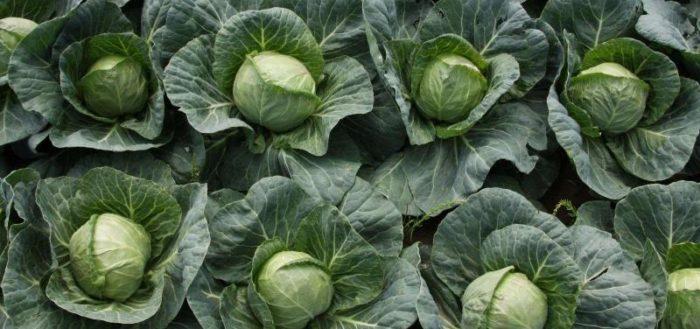
Those planting late cabbage varieties should be aware that they are harvested late in the fall, so ending the gardening season early is not an option. Cabbage becomes sweet and juicy after a light frost, developing its aroma, crispness, and characteristic flavor.
Midor F1
The Midor hybrid is distinguished by its medium-dense head, which grows up to 4 kilograms. It has a high sugar content. The stalk is small and creamy white inside. A significant drawback is that it doesn't keep well in the cellar.
Moscow late 15 and 9
Two excellent late-ripening varieties, long known, are especially popular with gardeners. Late 15 grows on tall stems and is easy to hill and water. Variety 9 has a short stem, with the head lying almost on the ground, but is more resistant to clubroot.
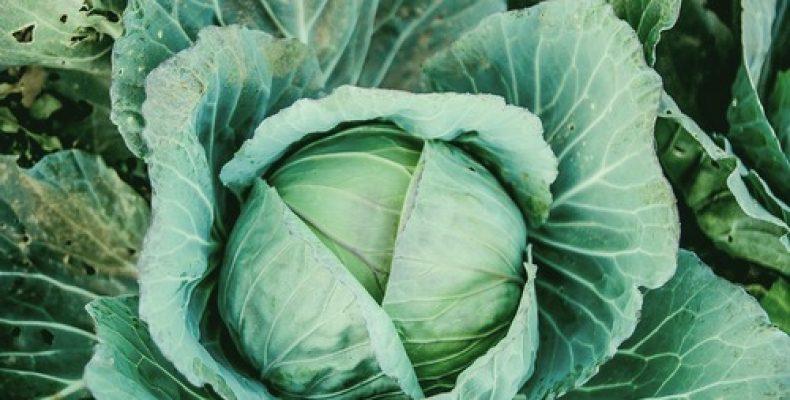
The leaves are tightly packed together, with a slight wavy edge. The heads are slightly flattened, and the interior has a slight yellow tint. They weigh 3.5-4.5 kilograms, and can reach 8-10 kilograms under favorable conditions.
The fruits are of excellent commercial quality, with a low defect rate of 3-10%. The stock keeps well until spring, and when fermented, it retains its crispness for a long time.
Amager 611
This variety is designed for long-term storage. By spring, the flavor even improves—bitterness disappears, and the aroma becomes more pronounced. It takes almost 150 days to ripen. It has increased cold tolerance and can be planted early to ensure the cabbage matures. Each head weighs 3-4 kilograms. It is grown commercially due to its ease of harvesting with agricultural machinery and its easy transportability.
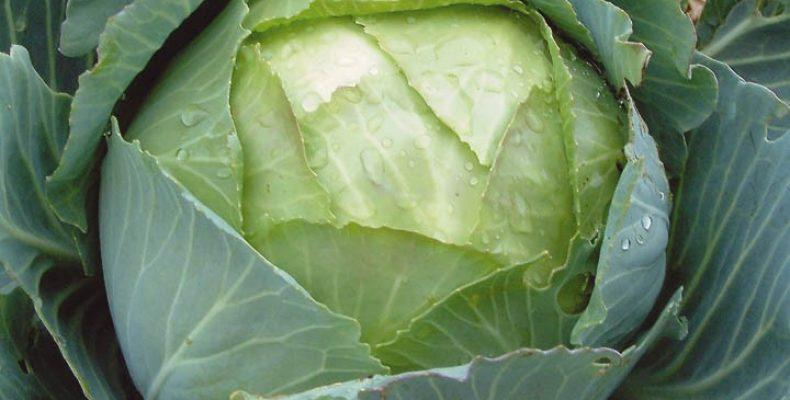
Wintering 1474
True to its name, this variety remains delicious after winter. The leaves are tightly packed together, with no gaps or air pockets, and the flavor is distinct and juicy. It weighs 3.6 kilograms. A late-ripening variety, it ripens in up to 150 days.
Kharkiv winter
A record-breaking cabbage variety, it lasts until May-June and is not susceptible to pitting necrosis. Heads average 3-4.5 kilograms in weight and grow evenly. They reach technical maturity in 150-160 days. Kharkiv Winter cabbage has excellent characteristics for any type of consumption.
What to plant in the Moscow region
The region's climate is characterized by few sunny days and frequent cold spells. Early, mid-season, and mid-late varieties are planted in the Moscow region. It is recommended to harvest white cabbage no later than mid-October.
To improve the yield, liming is recommended, as acidic soils predominate in the region.
Belarusian
The old group of varieties has been known since 1937, and several modifications have been developed since then. Belorusskaya 455 is a mid-late variety that grows well in the Moscow region. The heads weigh up to 3.5 kilograms, with dense leaf arrangement, no voids or gaps. For a full harvest, abundant watering and protection from diseases and pests are required.
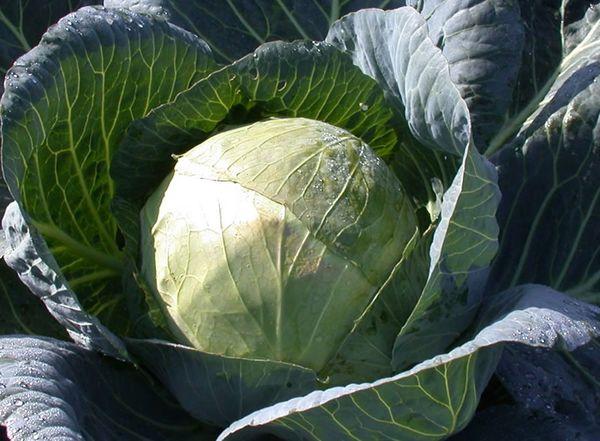
Number one Gribovsky 147
Early cabbage is eaten fresh only. It is not used for preserves. When technical maturity is reached, the heads are cut off to prevent cracking. A head weighs approximately 2 kilograms. The structure is firm, and the color is yellowish-white.
Golden Hectare
The full name of the variety is Zolotoy Hektar 1432. The rosette leaves have a waxy, gray-green coating. The heads are round, uniform in size, and grow simultaneously. Harvest time: 110 days.
Take a look Also
Winter
Winter Kharkivska tolerates cold snaps and summer heat. It produces a consistently high yield regardless of weather fluctuations. It can be stored until summer, preserving its flavor and beneficial micronutrients. It should be protected from clubroot during cultivation.
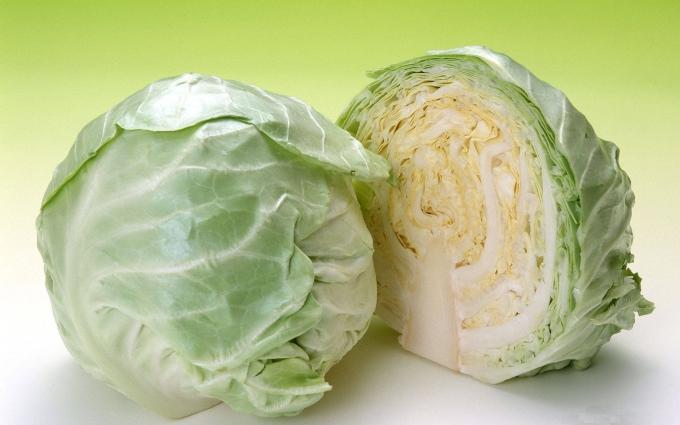
Amager
The variety requires frequent watering and tolerates drought poorly. Its marketability is high: the head is dense, without voids or bitterness. Amager is fermented, used fresh, and for cooking. It stores and transports well.
The best cabbage varieties for the Urals
In the Ural region, white cabbage is planted from seedlings. Late-ripening varieties are generally avoided, as they don't reach technical maturity during the short summer.
Stakhanovka
This cabbage produces heads 15-26 centimeters in diameter with medium density. It has good flavor. It's an early variety, maturing in 100-125 days. It's eaten fresh and for cooking.
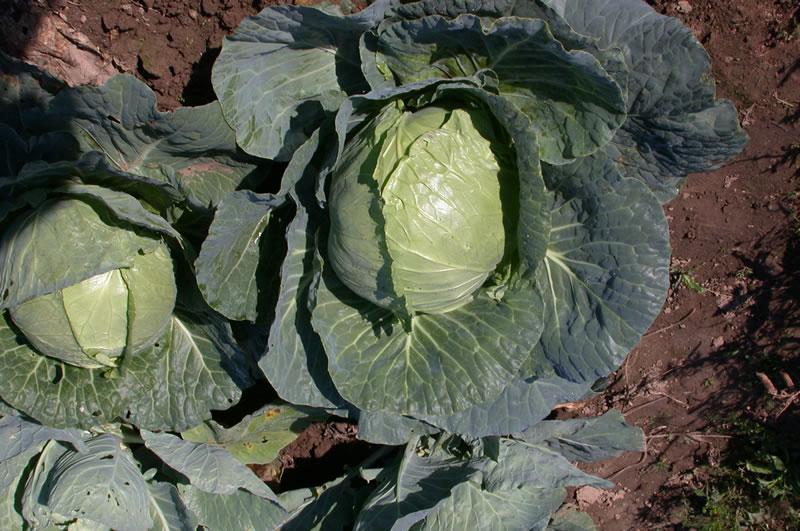
Polar K-206
One of the older varieties recommended for the Ural region. Ripens early and stores until January. Used for pickling in summer and early fall. It grows poorly in acidic soils, and the heads are loose in low light. The leaves are coated, and the head is gray-green. The fruit weighs just over 3 kilograms.
Popular in the south of Russia
Cold tolerance is not essential for cabbage in the southern regions of the country. Low rainfall and high temperatures often reduce yields. Early varieties should be planted so they have time to ripen before the heat sets in. Late varieties require ample watering. It's important to choose hybrids and varieties with increased drought and high temperature tolerance.
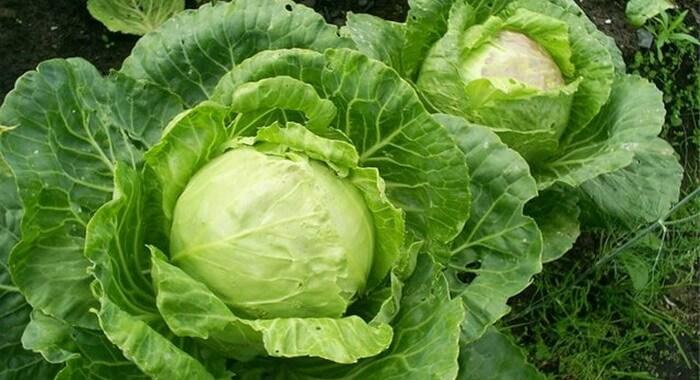
Glory
This variety is ideal for growing in southern regions and is highly drought-resistant. It reaches technical maturity in 100-125 days. The heads are large and round. It is used for pickling and can be stored for 4-5 months without losing quality.
Mozharskaya local
This variety is recommended for growing in Crimea and the southernmost regions of Russia. It has demonstrated high heat tolerance. It cracks when exposed to insufficient moisture. The cabbage has excellent flavor, and the heads are round, weighing up to 3 kilograms.
Judge 146
A Volgograd-bred variety developed for cultivation in the south of the country. Ripening time is 130-155 days. Head density is average to above average. Veins are not visible. Sud'ya 146 cabbage is fermented if planted late.
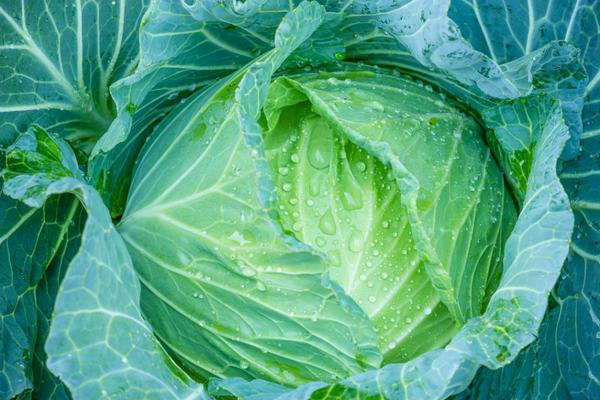
Zavadovskaya
This late-ripening variety is recommended for growing in southern regions. It matures in 180-190 days. It is drought- and temperature-resistant. The heads are dense and do not crack easily. Zavadovskaya cabbage weighs 2-4 kilograms.
Derbent
This variety originates from Dagestan. It's considered an early-ripening variety and is eaten fresh. Heads weigh 0.8-2 kilograms and are thinly veined.A wide selection of domestic and imported varieties and hybrids of white cabbage allows you to grow this universal favorite in any region of the country.
Cabbage is a traditional Russian vegetable; it's essential for cooking dinner and preparing winter preserves. When choosing a variety, it's important to consider the ripening time and growing conditions in your region.
Related posts:
 Description of the best cabbage varieties for 2025 for different regions
 Description and characteristics of the best varieties of late cabbage, planting and care technology
 50 Best Varieties and Types of Cauliflower with Names and Descriptions
 Description of the best early cabbage varieties, cultivation and care in open ground
 20 Best Varieties of Chinese Cabbage with Descriptions and Characteristics
 50 Best Broccoli Varieties with Names and Descriptions
 Planting and caring for red cabbage in open ground, description of varieties
 Why cabbage leaves wilt in the garden and what to do