
- What kind of insect is this?
- What kind of midges parasitize cabbage?
- Signs of cabbage bed damage
- What are the dangers?
- Traditional methods of control: all the pros and cons
- What do people use?
- Ammonia solution
- Potato broth
- Tobacco dust and wood ash
- Celandine
- Celery stalk decoction
- Red pepper
- Needles
- Hot pepper infusion
- Chicken manure
- Garlic
- Dandelion
- Tansy
- Vinegar solution
- Infusion of chamomile
- Naphthalene with sand or ash
- Infusion of yarrow
- Milk solution with iodine
- Valerian solution
- Timing and technology of planting treatment
- How to prevent reinfection
Among cabbage pests, the cruciferous flea beetle is one of the most dangerous. This insect's attacks are swift and can cause significant damage or even completely destroy an entire planting in a short period of time. Both chemical and folk remedies are used to combat this pest. The decision on which treatment to use depends on the pest infestation and the extent of damage caused.
What kind of insect is this?
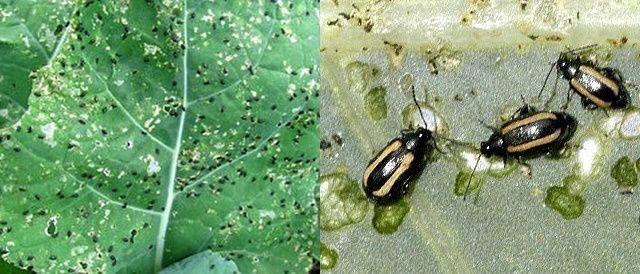
The cruciferous flea beetle is a small leaf beetle (2.0 to 3.5 millimeters long) with a variety of body colors (from off-white to two-color) and powerful hind legs for jumping. It feeds exclusively on weeds and cultivated plants of the cruciferous family, causing significant damage to the latter.
Note: You can distinguish flea beetles from other small beetles by their characteristic large jumps, accompanied by a distinctive clicking sound.
What kind of midges parasitize cabbage?
The following species of fleas parasitize cabbage:
- Black beetles are small beetles with black or dark blue elytra with a metallic sheen.
- Light-legged (white) beetles are fairly large (up to 3.5 millimeters in length) beetles with yellow-colored paws (legs).
- Wavy and notched - unlike the previous species, these fleas have single, clearly visible longitudinal stripes of a greenish or yellow color on each elytra.
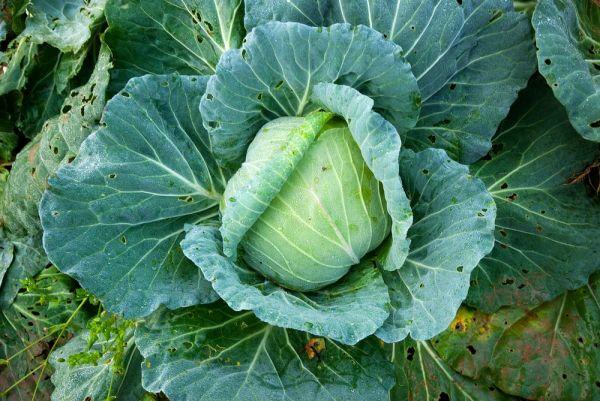
Among these pest species, the most common are the wavy and black flea beetles.
Signs of cabbage bed damage
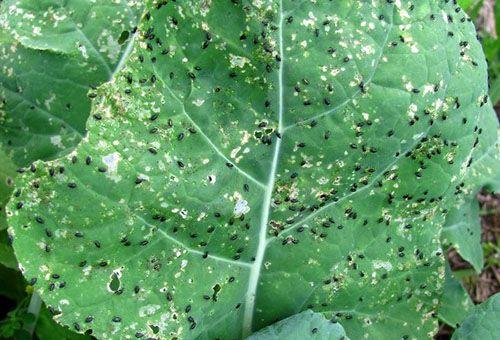
The main signs of damage to a cabbage plot by the cruciferous flea beetle are the following:
- perforated eating of young leaves of cabbage seedlings;
- wilting and drying of leaves.
Another sign of cabbage infestation by this pest is the presence of a large number of small insects that make large jumps on the leaves and soil around the plants.
What are the dangers?
The danger of these pests lies in their following negative impacts on cultivated plants:
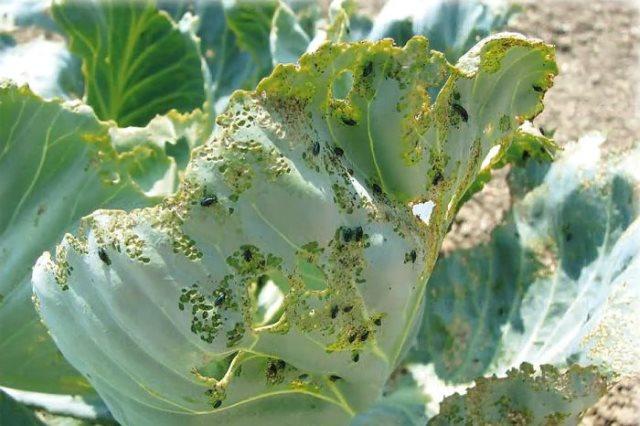
- in severe damage to leaf blades, leading to their wilting and drying out;
- a reduction in the area of leaves involved in photosynthesis, which significantly reduces the accumulation of nutrients in the heads;
- reduction in yield and quality of cabbage heads;
- complete destruction of seedlings and death of the entire plantation.
Take a look Also

By settling on cabbage seed plants, flea beetles damage the leaves and cause a decrease in yield and seed quality.
Note: Contrary to popular belief, flea beetles do not cause serious damage to the root system—their larvae, which develop in the soil, eat the roots but do not cause significant damage to the plants.
Traditional methods of control: all the pros and cons
The main advantages of folk remedies against fleas on cabbage are the following:
- ease of preparation;
- accessibility;
- cheapness;
- environmental friendliness.
The main disadvantage of such products is their low effectiveness when there are a large number of pests on the affected plants.
What do people use?
Folk remedies include decoctions and infusions of various plants, tobacco dust, wood (stove) ash, solutions of ammonia, valerian, and iodine.
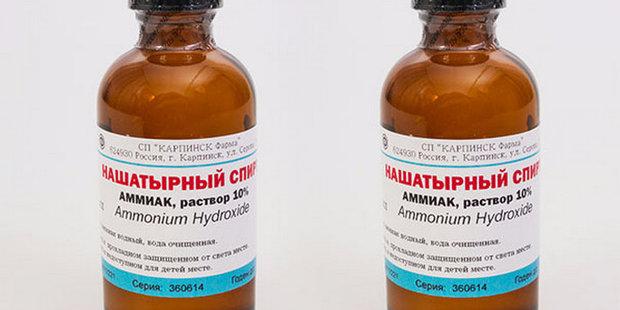
Ammonia solution
Dilute 20-25 milliliters of an alcohol-based ammonia solution (40-45 drops) with 10-12 liters of rainwater, pour it into a watering can, and pour the resulting solution onto the leaves of plants affected by the pest and the surrounding soil. When using this folk remedy, avoid using sprayers or atomizers—the ammonia in the solution will evaporate too quickly when sprayed onto plants, making the treatment ineffective.
Potato broth
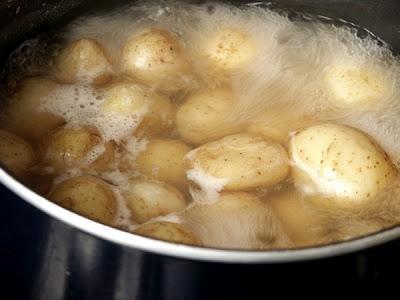
This remedy is prepared as follows:
- Place 4-4.5 kilograms of chopped green and healthy potato tops in an enamel bucket.
- The tops are poured with 10 liters of water, placed on the fire and, brought to a boil, cooked for 15-20 minutes.
- The hot decoction is allowed to cool to room temperature for some time, after which it is diluted in a 1:1 ratio with cold water.
The diluted decoction is sprayed on cabbage plantations affected by flea beetles.
Tobacco dust and wood ash
Mix wood stove or fireplace ash with tobacco dust in a 2:1 ratio. Dust the resulting powder onto the flea-infested leaves and also sprinkle it on the soil around the plants.
The amount of such dry mixture is calculated taking into account that 1 head of cabbage requires, on average, 200-250 milliliters of powder.
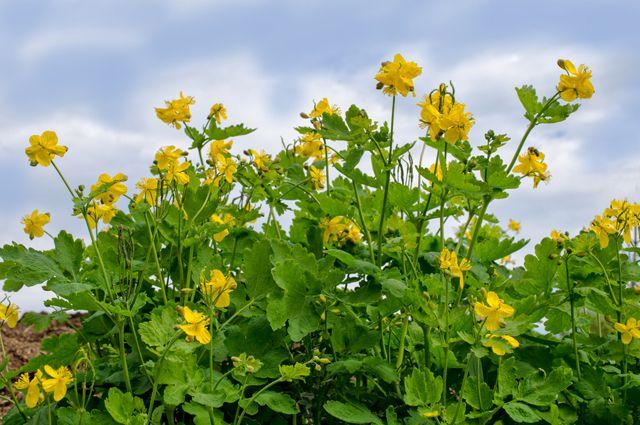
Celandine
Celandine leaves, collected during the flowering and budding phases, are dried in the shade and ground by hand or in a coffee grinder. The resulting powder is used to dust the leaves and the soil around the plants. The recommended application rate of ground celandine per plant is 10-15 grams. To ensure better adhesion of the powder, the plant leaves should be sprayed with a soapy solution beforehand.
Celery stalk decoction
Chop 4 kilograms of green celery stalks, add 10 liters of water, bring to a boil, and simmer for 0.5 hours. Allow the mixture to cool and steep for 3 hours, strain, and dilute with clean water at a ratio of 1:5.
Before watering the affected plants with the resulting decoction, add a small amount of liquid soap (40-45 grams).
Red pepper
Grind one medium-sized pepper, add 1 liter of water, and let it steep for 3-3.5 hours. Before spraying the affected plants, strain the infusion through cheesecloth or a sieve and add 5-10 grams of liquid soap.


Needles
To rid the garden of a small number of fleas, dilute 10-15 drops of fir essential oil in 10 liters of water, then spray the affected plants and the soil around them with the resulting solution.
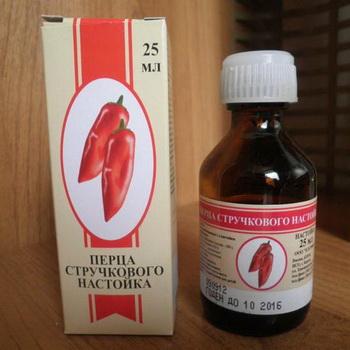
Hot pepper infusion
Grind 100 grams of hot pepper pods using a meat grinder or blender, add 1 liter of warm water, and let steep in a warm, dark place for about 48 hours. Then strain the infusion and dilute it with clean water at a ratio of 1:100 (100 grams of the infusion is diluted in 10 liters of clean water). It is recommended to spray the leaves and soil around the plants with the resulting solution in the evening and morning hours.
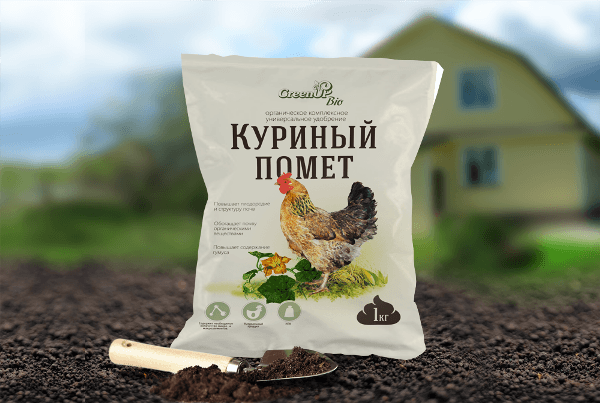
Chicken manure
This effective flea beetle remedy and nutritious organic fertilizer is prepared as follows:
- A 100-liter barrel is filled 1/3 of its volume with chicken manure;
- the barrel is filled to the top with water;
- using a stick, mix the droppings with water and let it sit for several days;
- The finished concentrate is diluted with clean water in a ratio of 1:10.
The resulting fertilizer is poured onto the soil around plants—the solution not only helps eliminate macro- and micronutrient deficiencies during critical growth phases, but also repels pests with its scent.
Garlic
Grind 200 milliliters of garlic cloves and chopped fresh tomato tops through a hand or electric grinder, add 10 liters of water, and let steep for about 2 hours. Spray the resulting infusion not only on the leaves but also on the soil around the plants.
Dandelion
Grind 0.5 kilograms of freshly picked dandelion leaves, stems, and roots in a meat grinder, add 10 liters of warm, settled water, and let steep for 2 hours. Then strain the infusion, add 3 tablespoons of liquid soap, and spray it on the affected cabbage planting.

Tansy
This pest can be effectively controlled using a powder made from dried and crushed tansy flowers. Apply 10-15 grams of this powder to each plant and the surrounding soil.
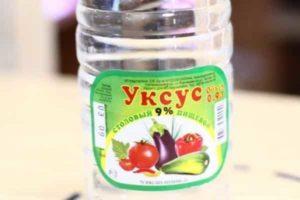
Vinegar solution
Simple vinegar or its essence can help save plantings attacked by pests. To do this, add 200 milliliters of simple 9% vinegar or 25 grams of its 70% essence to 10 liters of water, then immediately spray the plants with the resulting solution.
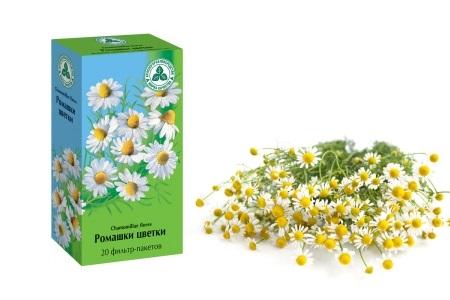
Infusion of chamomile
Place 1 kilogram of dried herbs in a large container, add 10 liters of hot water, and let steep for 24 hours. Then strain the infusion, dilute it with water in a 1:3 ratio, and add 40-45 grams of liquid soap.
Naphthalene with sand or ash
Naphthalene powder is mixed with fine-grained river sand or wood ash in a ratio of 1:5. The resulting mixture is sprinkled onto the soil around the plants within a 5-centimeter radius.
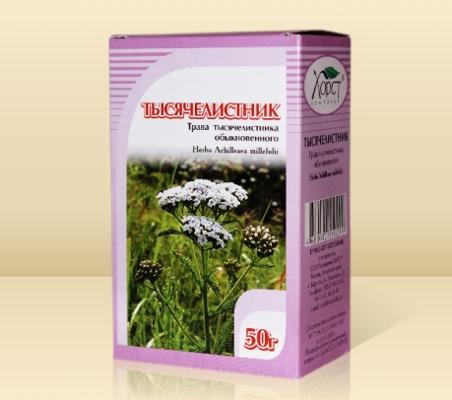
Infusion of yarrow
Place 800 grams of yarrow in a large container, add 2 liters of boiling water, and let steep for 25-30 minutes. Then strain the resulting concentrate, pour it into a 12-liter bucket, and dilute it to the full volume with warm water. Before spraying the affected plants, keep the diluted infusion in a warm place for 4 days.
Milk solution with iodine
Add 8-10 drops of iodine to 0.5 liters of milk with 1.5% fat content, mix thoroughly and immediately spray the plants affected by the pest with the resulting composition.
Valerian solution
Dilute 50 milliliters of valerian tincture in 3 liters of water. Use the solution immediately after preparation to spray the affected plant leaves.
Timing and technology of planting treatment
The following methods of treating plants affected by flea beetles are distinguished:
- Dusting is the application of finely ground powder from plant materials to leaves infested by pests and to the soil around plants.
- Spraying is the application of a solution of one of the folk remedies described above to the leaves in the form of small drops.
- Watering is the treatment of soil against pests by adding a liquid insecticide to it.
 Dusting can be done at any time of day, when there is no wind. Watering and spraying are done in the evening or morning, when there is no wind, no dew on the leaves, and the air temperature is no higher than 21°C. WITH.
How to prevent reinfection
To prevent the infestation and damage of cabbage plantations by flea beetles, the following preventative measures are taken:
- Early planting of seedlings in open ground.
- Frequent and abundant watering during periods of drought.
- Removing cruciferous weeds that the pest feeds on before planting seedlings.
- Autumn deep digging and plowing of the area to destroy beetles overwintering in the top layer.
- Compliance with the principle of crop rotation.
Also, when deciding what to do to prevent cabbage plantation infestation with flea beetles, special attention is paid to timely fertilizing, loosening the soil, and weed control.
Related posts:
 How to control aphids on cucumbers using folk remedies, what to treat and spray with
 What is the best way to treat cabbage from caterpillars and butterflies, folk remedies
 Causes and treatment of eggplant pests and diseases, how to combat them at home
 What is the best way to treat cabbage from pests? Folk, chemical and biological remedies.
 What is the best way to feed cabbage for growth using folk remedies, when and how to apply fertilizers
 How to treat peppers for aphids, how to fight them with folk and chemical remedies
 What folk remedies are best for treating cabbage from pests to protect it?
 The best eggplant varieties for growing in a polycarbonate greenhouse: planting and care