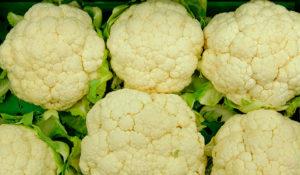
Cabbage Amager 611 belongs to variety of white cabbage Late-ripening. Harvest can be expected 170 days after planting the seeds.
Characteristics of the variety
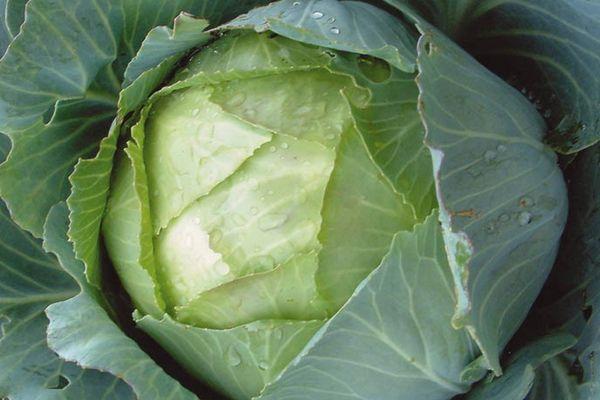
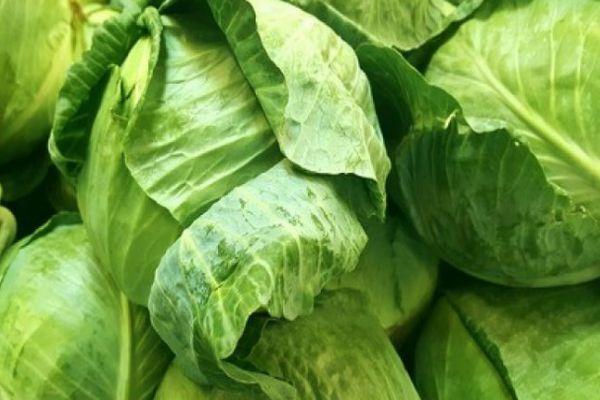
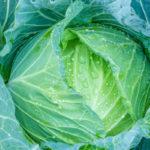
Amager cabbage, a description of which should begin with its appearance, can reach up to 110 cm in diameter and rise 25-27 cm above the ground. The leaves are smooth, wide, and gray-green. The average head weight ranges from 2.5 to 4 kg. The heads are quite dense and firm. The yield is 5-6 kg per square meter.
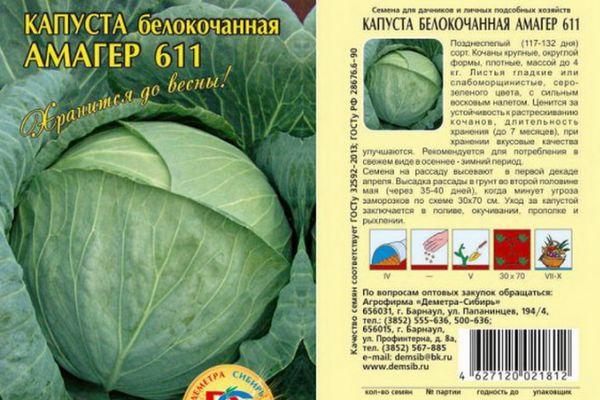
Cabbage Amager, characteristics:
- Easily tolerates low temperatures and late frosts. Seedlings do not spoil even at -5°C.
- One of the vegetable's main advantages is its excellent shelf life. It retains and even enhances its flavor throughout the winter and spring.
- The head does not crack under conditions of prolonged rain and heat.
- Cabbage easily tolerates hot weather and drought.
- Good transportability.
- High yield.
- Uniform ripening of the heads.
The vegetable has several significant disadvantages:
- in conditions of extreme heat it stops growing;
- susceptible to fusarium and vascular bacteriosis;
- During storage, punctate necrosis may occur;
- needs frequent watering.
Despite a number of shortcomings, Amager 611 remains one of the most popular late cabbage varieties among gardeners.
The initial stage of growing cabbage
There are two common methods of growing cabbage - sowing seeds:
- for seedlings;
- directly into open ground.
Sowing directly into the ground
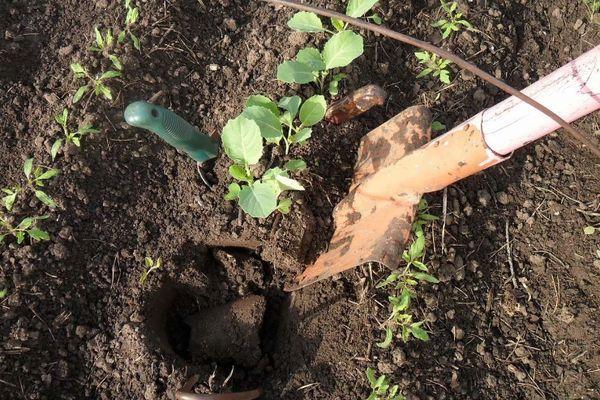
Seeds are planted directly into the soil in the third ten days of April. The following guidelines should be followed:
- The soil must be well moistened before sowing.
- The seeds are planted at a depth of at least 3 cm.
- The distance between rows is 65-70 cm.
- For every 10 m², approximately 3 g of seed material is used.
Growing seedlings
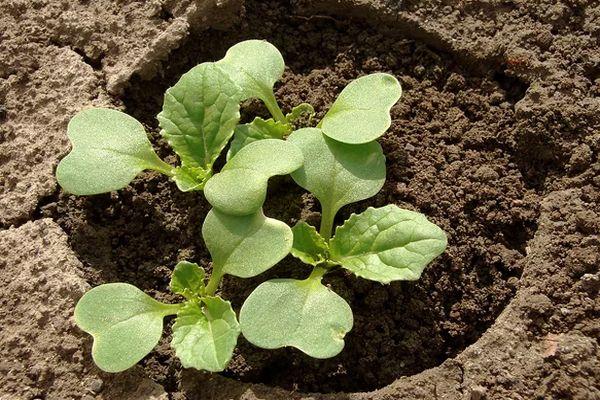
In cold climates, it is recommended to sow seeds for seedlings. In late March or early April, seeds are planted in containers. In late April, when night frosts have passed, the seedlings can be transplanted into open ground. The procedure is the same as for planting seeds in open ground.
The soil should be neutral in pH. Ideally, it's best to prepare your own soil mix. To do this, mix turf, peat, and river sand in a ratio of 6:4:1. Choose an open, sunny spot for permanent planting. Covering the seedlings with plastic wrap is recommended on particularly cold nights.
Caring for cabbage
One of the most important requirements for cabbage care is ample watering. Watering guidelines:
- water should be heated in the sun to room temperature;
- The vegetable should be watered either early in the morning or in the evening after sunset;
- It is recommended to make holes around the seedlings, raised at the edges;
- Avoid getting water on the leaves, otherwise sunburn may occur.
Please note that cold water may cause cabbage to stop growing. Two months before harvest, the frequency of watering should be reduced, and one month before harvest, it should be stopped completely.
Mulching the soil
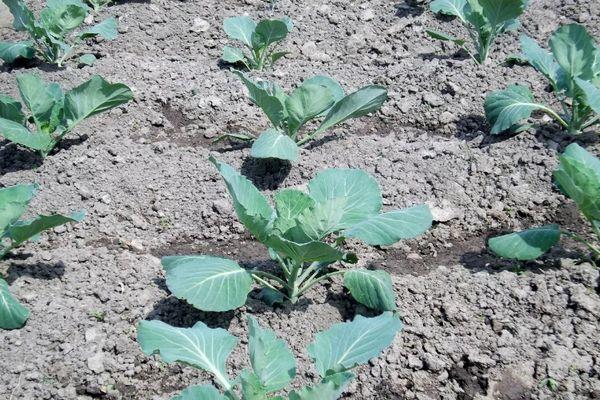
Mulching between rows and around plants is recommended. This allows you to reduce watering to once a week. Also, remember to hill up the cabbage. This process improves yield and strengthens the vegetable's root system.
Top dressing
For a better harvest, fertilizing is necessary. This is done once a month. The first fertilizing is done two weeks after planting the seeds in seedling containers. To do this, mix urea, potassium, and superphosphate in a ratio of 10:20:10. If the seeds were planted directly in the ground, skip this fertilizing.
In 15 days After planting the seedlings in the ground, the cabbage should be fertilized complex fertilizer. It includes:
- compost;
- mullein;
- chicken manure;
- urea;
- superphosphate;
- boric acid;
- wood ash;
- humus;
- potassium chloride.

The above fertilizers are alternated once a month. A complex of 2-3 fertilizers can be combined.
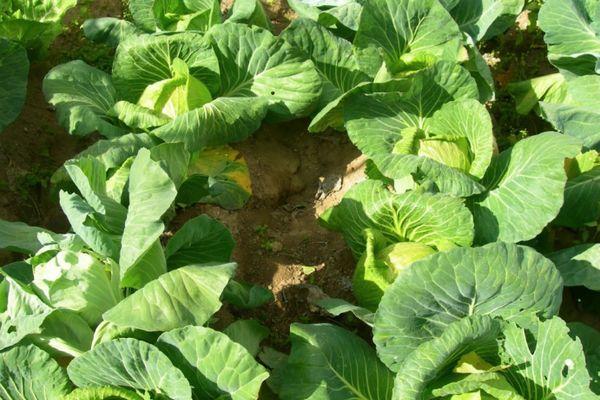
The final fertilizing is done in August. A mixture of potassium, mullein, nitrogen, and boric acid is used.
Disease prevention
Cabbage should be closely monitored to detect any potential disease at an early stage. If affected, all affected seedlings should be destroyed. As a preventative measure, seedlings should be carefully inspected before planting. They should be free of any growths, spots, plaque, or dried leaves.
Reviews of Amager 611 cabbage
The variety has received mostly positive reviews. Everyone who has planted it notes the excellent yield, long shelf life, and resistance to cold and heat. The cabbage does not crack or deform during long-distance transport.
Marina, 48 years old, Volgograd.
I've been growing cabbage for several years now. It's a bit of work, of course, but the results are worth it. Cabbage is perfect for fermenting.
Dmitry, 51 years old, Ufa.
I planted this variety last year. The heads ripened by the end of September. They never got sick or were attacked by pests. I overwatered a bit, which caused one head to rot. I'll be planting more this year.
There were some negative reviews about cabbage, too. The main complaints centered on excessive watering, susceptibility to disease, and growth problems in hot weather.
Overall, when the basic requirements are met, the Amager 611 variety has proven itself to be an excellent choice. And the effort is easily compensated by the pleasant, crisp flavor.
Related posts:
 Description of the best cabbage varieties for 2025 for different regions
 Planting, growing, and caring for Chinese cabbage in open ground
 Growing and caring for Chinese cabbage in open ground and greenhouses
 Description of Japanese cabbage varieties, cultivation and care features
 Planting, growing, and caring for cauliflower in open ground and greenhouses
 Description and characteristics of the best varieties of late cabbage, planting and care technology
 Top 40 Best Cabbage Varieties with Descriptions and Characteristics
 Why cabbage leaves wilt in the garden and what to do