
- Features and characteristics of early ripening varieties
- Tips and recommendations for growing
- Sowing and planting cabbage on the plot
- Deadlines
- Preparing seeds and soil
- Sowing, germination and subsequent planting in the ground
- What to plant next to cabbage
- Basics of plant care
- Irrigation frequency
- How to fertilize plantings
- Covering the heads
- Prevention of diseases and pest infestations
- Harvesting and storage rules
- The best early ripening varieties
- June
- Cossack
- Parel
- Malachite
- With yield per hectare
- Ditmar's early
- Golden Hectare
- Dumas
- Dawn
- Nozomi
- Pandion F1
- Sir F1
- Hybrids
- Oracle F1
- Akira
- Gribovskaya
- Copenhagen
- F1 Transfer
Early cabbage spoils quickly, the soft heads split, and are eaten only fresh. Heads of late varieties store well, travel well, and are crunchy in pickles, marinated, and used for fermentation. However, early cabbage is always given a place in gardens and allotments. It is rich in vitamins, which the body often lacks after a cold winter.
Features and characteristics of early ripening varieties
Late cabbage requires a five to six month wait to harvest. You can enjoy the succulent leaves as early as June if you grow early varieties. This crop ripens in 90-100 days; hybrids developed by breeders in recent years are harvested 10 weeks after planting. Early-ripening cabbage tolerates frosts, and while it doesn't reward you with a large harvest or large heads, it does provide vegetable growers with the first vitamins.
Tips and recommendations for growing
To speed up cabbage ripening, seeds are sown for seedlings in February in southern regions and early April in temperate regions. Supplemental lighting is provided to encourage seedling growth and development. Seeds are placed:
- in boxes or containers;
- into cups or pots;
- in peat tablets or cassettes.
To grow early seedlings, you need to purchase high-quality seedlings and choose a variety adapted to the planting region. When four leaves appear, the cabbage is planted in open ground, and ash is sprinkled under the roots. Once the seedlings have established themselves, they are fed with organic or mineral fertilizers.
 Early varieties do not need to be watered frequently; they are not afraid of heat and can withstand short periods of lack of moisture.
Sowing and planting cabbage on the plot
This plant, a member of the Cruciferae family, thrives in light, loose soil and grows well outdoors. To ensure aeration, the soil is thinned with sand, humus, and ash, which reduces acidity.
Deadlines
The seedlings are transplanted to the garden bed when they reach 10 cm in height and have developed three leaves. The cabbage seedlings are hardened off and transplanted into the open ground:
- in the south - in early April;
- in the central regions - from 20.04 to 15.05;
- in Siberia and the Urals - at the end of May or the beginning of June.
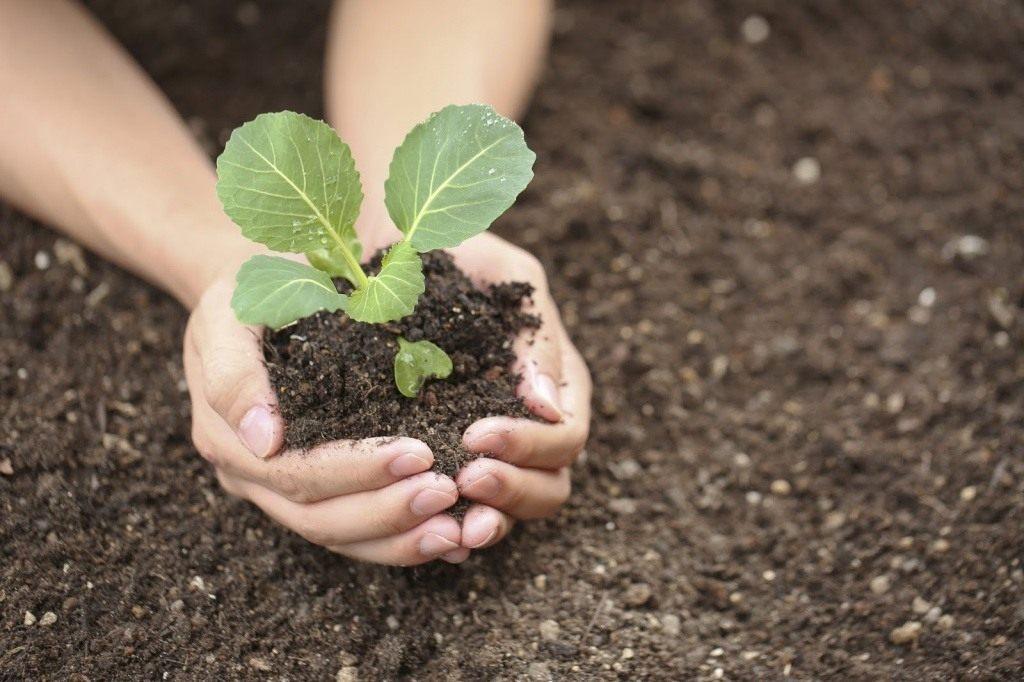
The soil should warm up to 15°C. Early varieties can withstand temperatures down to 2–3°C. Depending on the region, seeds for seedlings are sown in February, March, and April, but since daylight hours are still short at this time, fluorescent or phytolamps are installed in the greenhouse or apartment.
Preparing seeds and soil
Before planting, soak the seeds in salt water for 5-6 minutes. The seeds that fall to the bottom are removed, washed, and dried, stirring occasionally. Disinfect the seeds in a potassium permanganate solution, place them in hot water for 15 minutes, and then keep them at 1-2°C for 24 hours.
The soil for planting seeds is prepared by mixing garden soil, peat, sand, and crushed bark. Store-bought substrate or vermiculite are also suitable for this purpose.
Sowing, germination and subsequent planting in the ground
To speed up germination and sprouting, spread the disinfected seeds on a damp cloth and cover with damp gauze or other material. Germinate the seeds at 22–25°C, then sow them in a tray filled with soil. To avoid transplanting, plant 1–2 seeds in peat pellets.
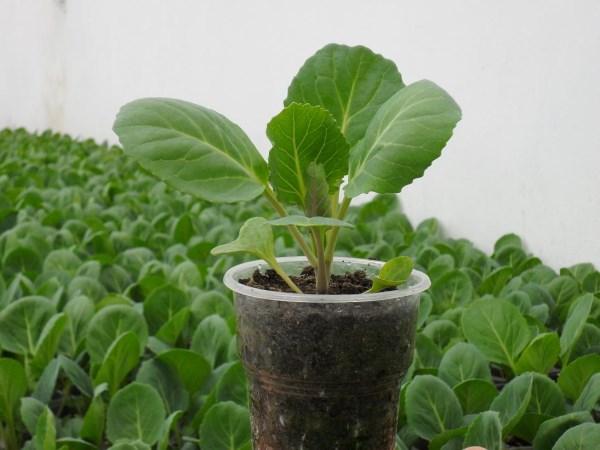
In the greenhouse, furrows are made 20 mm deep, and the seeds are placed every 4 cm and covered with plastic wrap. Cabbage seedlings thrive at 16–17°C and good lighting. The seedlings are watered and fertilized with a solution prepared by mixing 3–5 g of the following into a liter of water.
- superphosphate;
- ammonium nitrate;
- potassium salt.
Before planting in the ground, the seedlings are hardened off for about 10 days. First, the window is opened for about 3 hours, and then the box is moved to the balcony or loggia.The distance between rows of early cabbage in the garden should be at least half a meter, and between plants – 30 cm.Fertilizers are poured into the hole and water is added.

What to plant next to cabbage
In open ground, vegetable crops are susceptible to pests. Moth larvae and cabbage whites quickly destroy the leaves. To improve the soil and protect cabbage from insects, it is recommended to plant the following nearby:
- marigold;
- tansy;
- chamomile.
Parasites dislike the scent of calendula and garlic, and they also dislike the aroma of sage and thyme. Borage repels slugs and snails.
Basics of plant care
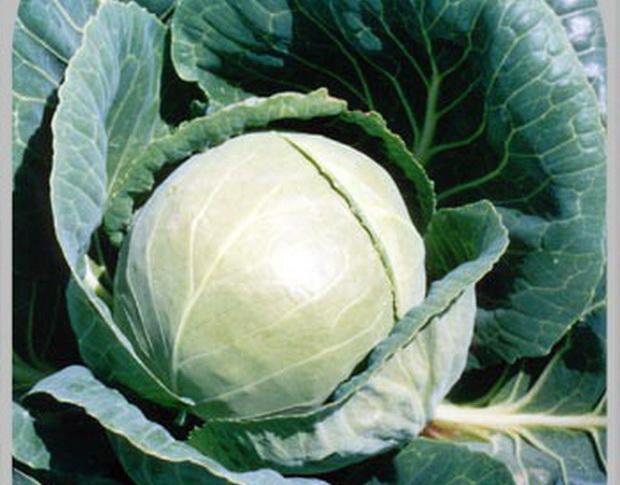
To ensure that early cabbage produces juicy leaves, it needs to be cared for, disease prevention must be carried out, and pests must be controlled.
Irrigation frequency
Once the plants are established, watering the beds once every 7-10 days is sufficient. After watering, the soil should be loosened and weeded to prevent them from choking the cabbage. During head formation and hot weather, water the crop every 3 days.
How to fertilize plantings
During leaf development, dissolve a spoonful of ammonium nitrate in 12 liters of water and feed each plant to promote growth. When heads begin to form, cabbage requires other micronutrients in addition to nitrogen. Fertilize the beds with organic matter and potassium salt to promote head formation. Fertilize the cabbage two weeks before harvest.
Covering the heads
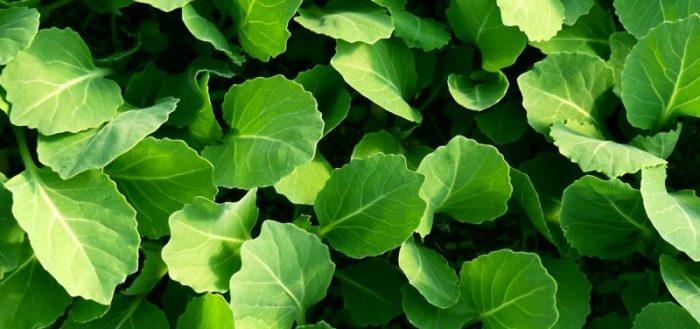
To protect plants from frost, bird and insect attacks, and to speed up ripening, farmers grow early varieties under agrofibre. This material allows air and light to pass through but blocks ultraviolet rays. Lightweight spunbond is used to cover the heads.
Prevention of diseases and pest infestations
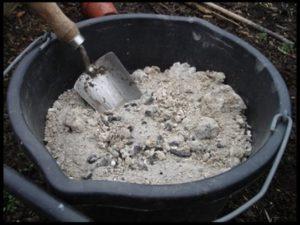
To protect cabbage from fungal infections, add ash to each hole when planting. Use Fitosporin for soil treatment. Spray the plants with Planriz or Baktofit solutions, and follow crop rotation practices to prevent disease development.
To prevent pest infestations:
- After collecting the heads, the remaining stems and roots are removed.
- They dig the garden bed deeply.
- Plants that repel parasites are planted nearby.

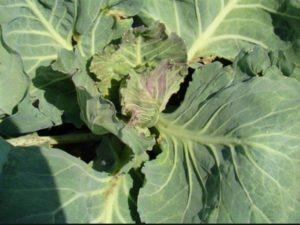
Yellowing cabbage isn't always a sign of disease or an aphid infestation. The lower leaves change color when the heads are ripe.
Harvesting and storage rules
When to harvest cabbage depends on the region where it's grown. In southern regions, the heads ripen in early June; in temperate climates, they firm up by the end of the month. Although early varieties spoil quickly, they should be stored in a cool place.
This cut cabbage is not used for winter preparations, but it makes delicious and vitamin-rich salads.
The best early ripening varieties
To select seeds for planting, vegetable growers carefully read the description of the crop and study its characteristics.
June
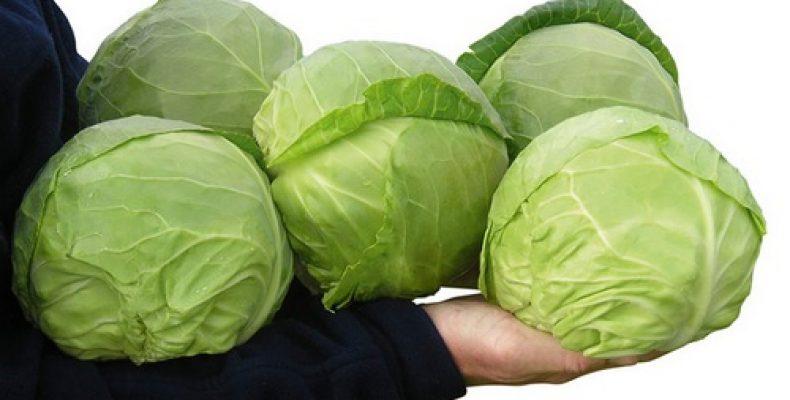
Many gardeners appreciate the rounded heads of cabbage, which can weigh up to 4 kg, a rarity among early-ripening varieties. June cabbage has a delicate flavor and juicy leaves. The heads mature in just three months and crack in rainy weather. The plants survive temperatures as low as -5°C (41°F) and tolerate sudden temperature fluctuations well.
Cossack
This hybrid white cabbage variety boasts remarkable insect resistance, is resistant to blackleg, and is immune to bacterial blight. Its bright green leaves form a wide rosette. A head ripens in 105 days, weighs an average of 1.5 kg, and has a white center. Kazachok is prized for its excellent flavor and succulent leaves.
Parel
This hybrid, developed in the 1990s, is not only planted in garden plots; farmers also grow this early cabbage for sale. The heads mature in two months, have a firm texture, are rich in vitamins, and are resistant to cracking. The Parel cabbage is not only eaten fresh but also fermented.
Malachite
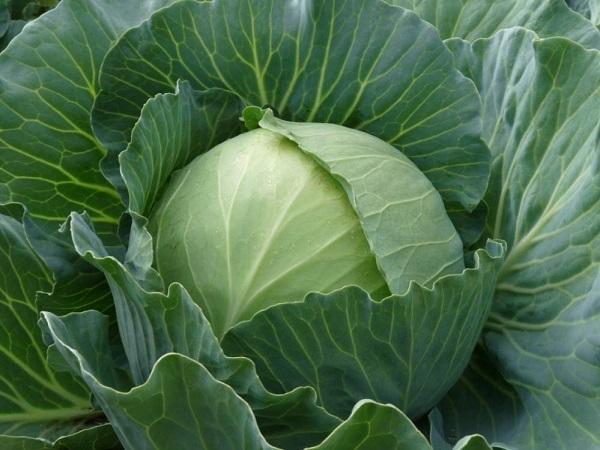
This early hybrid cabbage produces dense heads rich in ascorbic acid. The variety tolerates transportation well; up to 6 kg of crack-resistant heads can be harvested per square meter of the Malachite hybrid.
With yield per hectare
Among the white cabbage varieties that mature in 3 months, there are varieties that are valued not only for their good taste, but also for their high productivity.
Ditmar's early
The beautiful, densely textured heads with a small stalk weigh only 1.5 kg, yet the variety boasts a surprising yield of 55 tons per hectare. Ditmarska Rannaya heads are harvested after 65 days and are not left in the field to prevent them from cracking.
Golden Hectare
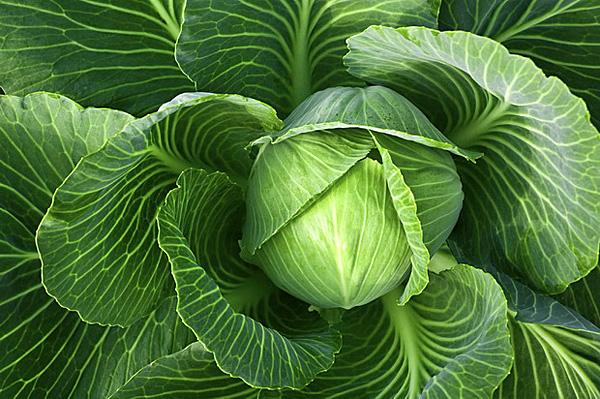
This cabbage with large, round, light-green leaves is grown by both gardeners and farmers. The Zolotoy Hektar variety produces uniform, dense heads with a smooth surface and a pleasant flavor. The yield per hectare exceeds 90 tons. The heads have a shelf life of 30 days and do not deform during transportation.
Dumas
The hybrid's heads mature in less than two months, but remain on the vine without splitting. They weigh between one and a half kilograms and are light green in color. The Dumas variety produces an excellent harvest even in dense plantings. The heads are prized for their excellent flavor and high marketability.
Dawn
This Czech-bred white cabbage takes almost four months to mature, but ripens uniformly, yielding 5 to 10 tons of small, rounded heads per hectare. This variety produces well even in nitrogen-deficient soils.
Nozomi
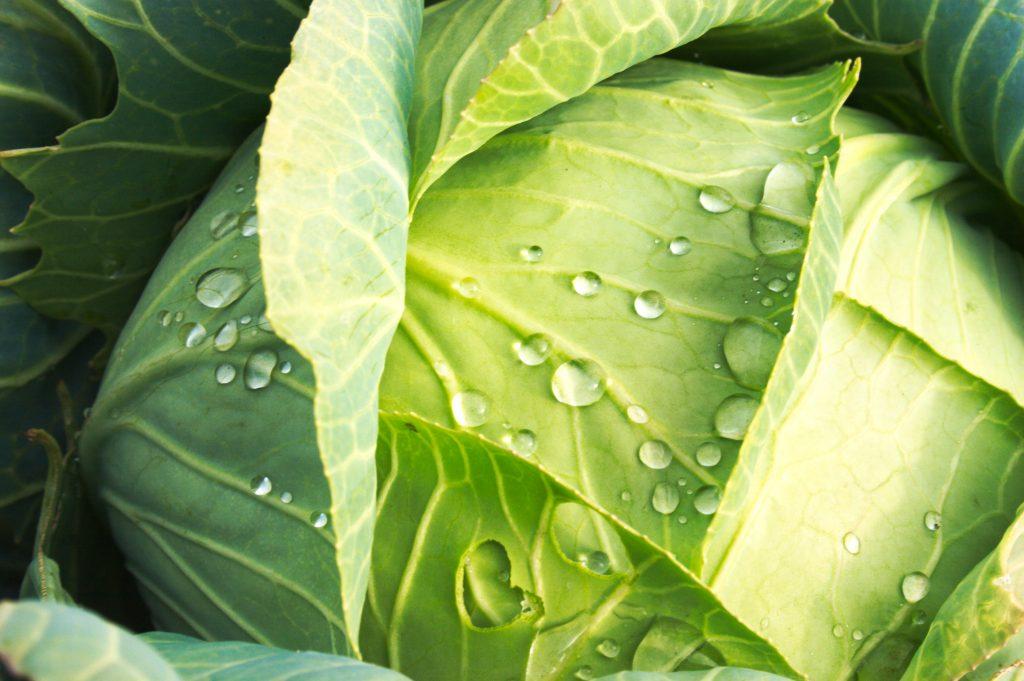
This hybrid, developed over 10 years ago, is grown commercially by farmers in the southern regions and planted under plastic in the temperate zone. Nozomi cabbage heads mature in 55 days, weigh 2.5 kg, and do not crack in high humidity. The yield per hectare exceeds 30 tons.
Pandion F1
This Dutch white cabbage has a very short growing season. The heads weigh less than 1.5 kg but are harvested at 49 days. The Pandion variety is grown in greenhouses.
Sir F1
French breeders have created a high-yielding cabbage hybrid that tolerates drought and temperature fluctuations, and is resistant to disease. The dense heads ripen in two months, do not crack, and are undamaged during transportation.

Hybrids
It is not the varietal white cabbage that is most resistant to unfavorable growing conditions and highly productive, but rather the hybrids that have inherited the best characteristics from their parents.
Oracle F1
In Moldova, southern Russia, and Ukraine, early-ripening cabbage with dense heads and short stalks is grown. Seeds for seedlings are sown in March, and the harvest is 90 days later. The heads weigh about a kilogram, and the Oracle hybrid is prized for its excellent flavor.
Akira
Farmers plant different varieties of white cabbage, but they profit most from early vegetables. For commercial cultivation, many farms choose the Akira hybrid because the heads ripen uniformly, have an attractive appearance, and a dense structure. The cabbage produces well in dense plantings and does not rot in excess moisture.
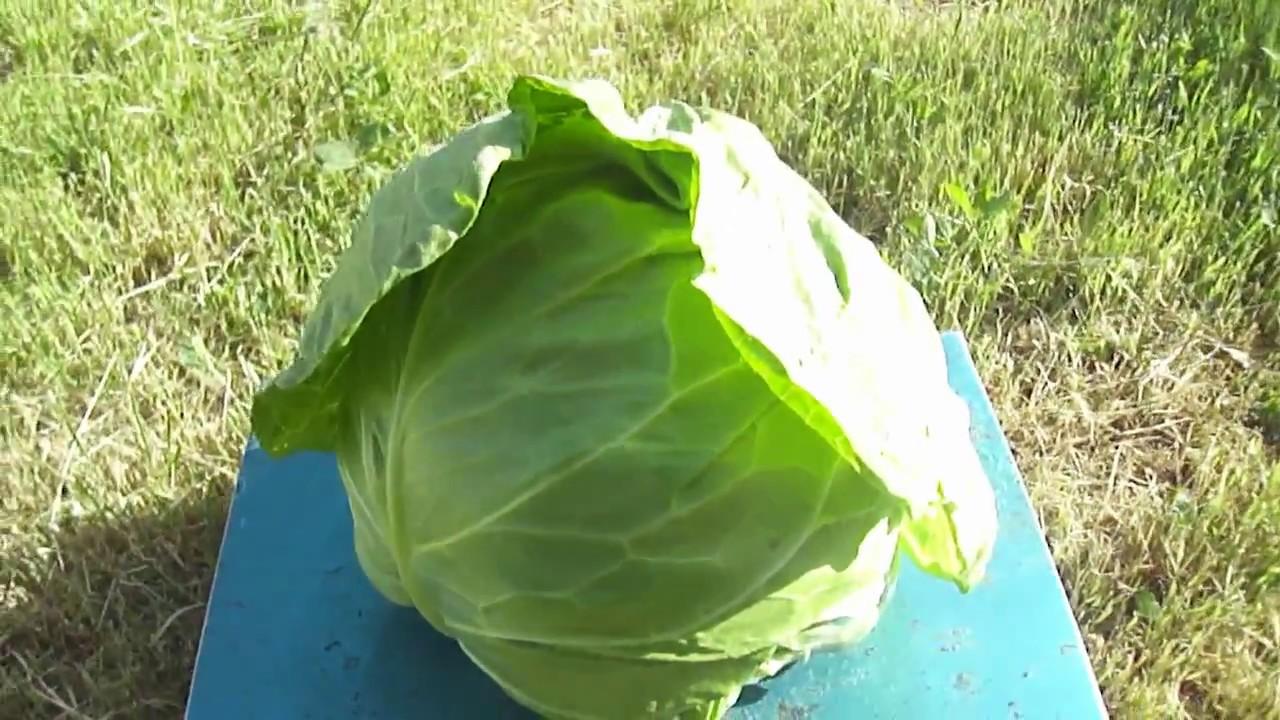
The spherical heads weigh about 2 kg, and the plant has succulent, attractive leaves and a miniature stalk. The hybrid is planted under plastic or covered with agrofibre.
Gribovskaya
Early cabbage, developed by Russian breeders, is grown in gardens, dachas, and fields. This variety thrives in a variety of climates, is drought-resistant, and doesn't suffer from excess moisture. Its growing season lasts no more than two months. The rosette of Gribovskaya cabbage is composed of wide, light-green leaves covered in a purine coating. The round heads weigh 3 kg and are rich in sugars and ascorbic acid. The heads are durable, suitable for fermentation, and prized for their excellent flavor.
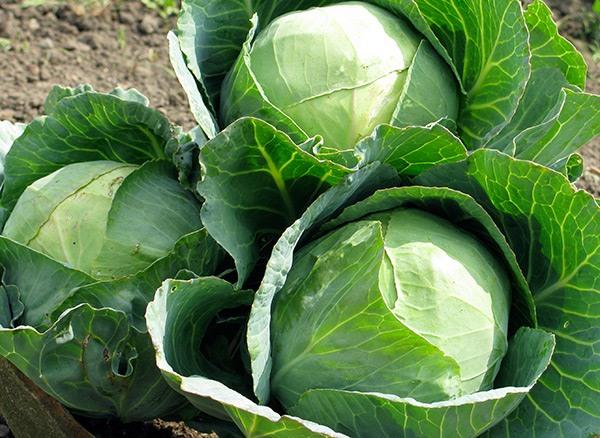
Copenhagen
This mid-early variety isn't as popular with gardeners as Gribovskaya Kapusta, but it boasts a consistent yield. Even in unfavorable weather, Copenhagen produces 4 tons of cabbage per hectare. The heads, weighing 2.4–2.5 kg, are harvested simultaneously from the entire plot. They accumulate moisture and crack if they become overripe.
F1 Transfer
Farmers and gardeners plant this hybrid white cabbage variety for sale, maturing in 95–100 days. The plant's leaves are green on the outside, turning white toward the rounded head. The heads, which do not split in any weather, weigh no more than 1.5 kg.
Related posts:
 Description of the best cabbage varieties for 2025 for different regions
 Description and characteristics of the best varieties of late cabbage, planting and care technology
 Top 40 Best Cabbage Varieties with Descriptions and Characteristics
 50 Best Varieties and Types of Cauliflower with Names and Descriptions
 20 Best Varieties of Chinese Cabbage with Descriptions and Characteristics
 Planting, growing, and caring for cauliflower in open ground and greenhouses
 Why cabbage leaves wilt in the garden and what to do
 Planting and caring for red cabbage in open ground, description of varieties