
- Description of the culture
- History of breeding and external description of the plant
- Growth characteristics
- Health benefits of red cabbage
- Growing conditions
- The optimal place for landing
- Required soil composition
- Temperature and lighting conditions
- The best varieties for open ground
- How to plant cabbage in a garden
- Direct seeding: timing and technology of seed sowing
- Through seedlings
- Rules for caring for red cabbage
- Regularity of watering
- What and when to feed the plant
- Loosening and hilling the garden bed
- Treatment against diseases and pests
- Harvesting
Red cabbage is a rare crop, although planting and caring for it outdoors requires little effort. This exotic plant requires the same care as regular white cabbage. Seedlings are grown first, then transplanted to the garden bed, and then watered and fertilized regularly. This cabbage tolerates light frosts well, but does not thrive in hot weather.
Description of the culture
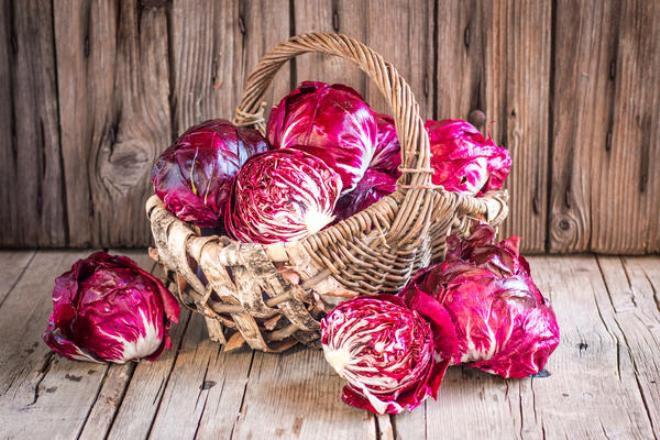
Red cabbage is a selectively cultivated variety of white cabbage. A single round or oblong head of leaves forms on a thick, short stalk (stump). It is a biennial plant with strong roots. Its purple color comes in a variety of shades thanks to the pigment anthocyanin found in its leaves.
History of breeding and external description of the plant
Red cabbage was developed by European botanists as early as the 16th century. It enjoyed great popularity in the Mediterranean countries. In the 17th century, this exotic crop arrived in Russia from Western Europe. There, it became known as blue cabbage. It is very similar to its white cabbage relative. However, it produces smaller heads and has leaves with a distinct purple hue. Blue cabbage is not as juicy as white cabbage. However, it has an interesting, piquant flavor, and the heads are stored longer and are less susceptible to disease.
Growth characteristics
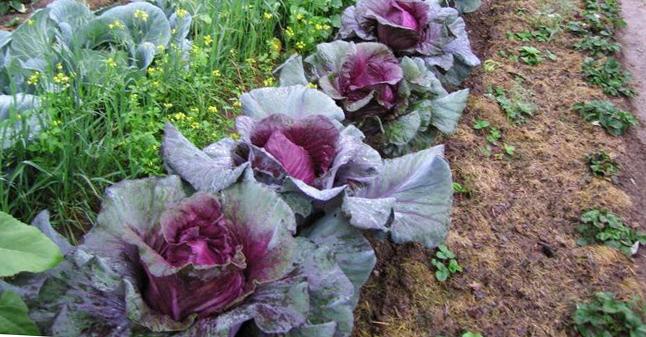
Red cabbage has one unique characteristic: its color depends on the acidity of the soil. Alkaline soil produces blue heads, while acidic soil produces crimson ones. This biennial plant develops a short, thick, leafy stem in its first year, forming the head. The head emerges from an enlarged apical bud.
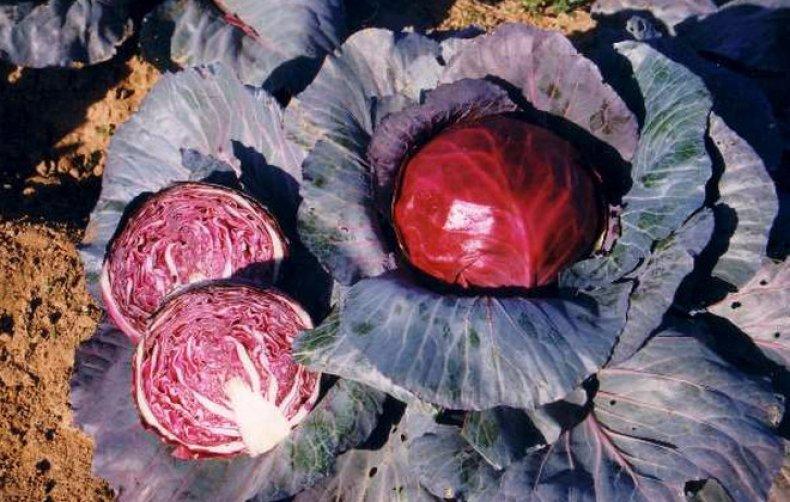
Head formation goes through two phases. First, the outer leaves grow, increasing the volume of the cabbage head. Then they stop growing, and the second phase begins—a period of active growth of the inner leaves. During this period, the bulk of the head gains mass. Under the pressure of the growing inner leaves, the outer leaves are compressed and tightly enclose the head. The first phase lasts about 16 days, the second 11, but it is during this latter period that 65 percent of the red cabbage's mass grows.
In the second year, a long flower stalk with leaves and flowers grows from the apical or lateral buds of the cabbage stump. Flowers appear, gathered in inflorescences. In the fall, these seedpods ripen into fruits—long pods containing seeds.
Health benefits of red cabbage
The nutritional composition of blue cabbage is largely similar to that of white cabbage. This crop contains vitamins (C, A, B1, B2, B6, E, K, PP) and trace elements. However, compared to white cabbage, it contains significantly more carotene and ascorbic acid.
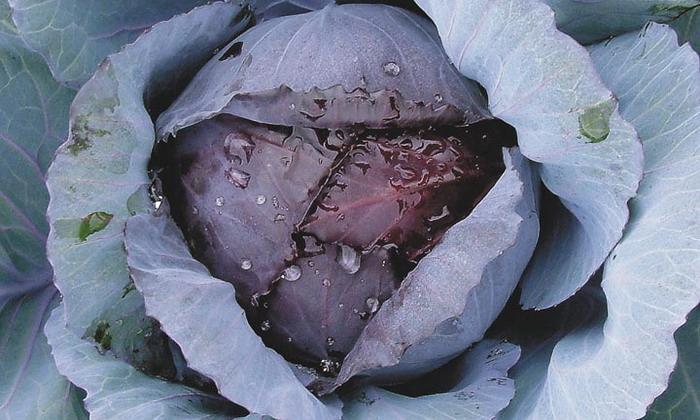
The glucosinolates found in the cabbage impart a pungent flavor. The vegetable has antioxidant properties and is low in calories (25-31 kilocalories per 100 grams), making it suitable for therapeutic diets. Phytoncides found in the leaves kill tuberculosis bacteria.
Cabbage is beneficial for people suffering from cardiovascular diseases thanks to anthocyanin, which reduces vascular fragility and lowers blood pressure.
This vegetable is recommended for pregnant women and people with weakened immune systems, as blue cabbage is a rich source of proteins and vitamins.
Growing conditions
Red cabbage prefers fertile, neutral, or slightly acidic soil. If necessary, lime the soil before planting in the fall. Manure and mineral supplements are best applied in the spring, when planting seedlings or sowing seeds.
The optimal place for landing
Cabbage thrives in soil after carrots, onions, tomatoes, potatoes, and cucumbers. Don't plant cabbage in the same area for several years in a row, as it can become susceptible to clubroot. Cabbage is a moisture-loving plant. However, it doesn't tolerate waterlogged soil.
Required soil composition
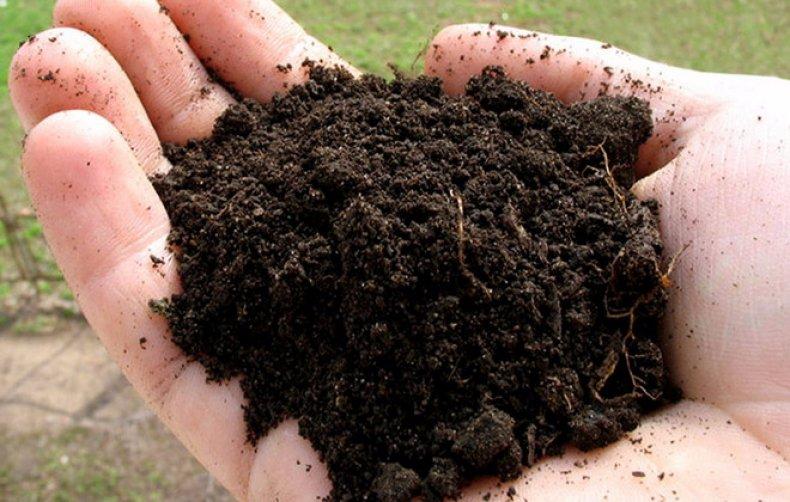
Blue cabbage prefers light, loose, fertile soil. It grows well in loamy soil that retains moisture. This type of soil simplifies care for the plant, as cabbage requires a lot of water during growth.
Just before planting, fertilize the soil with well-rotted humus or compost (6 kilograms per square meter) and potassium, nitrogen, and phosphorus supplements (35 grams each per square meter). To reduce acidity, add wood ash or lime (300 grams per square meter).
Temperature and lighting conditions
Blue cabbage is a cold-hardy crop. Seeds germinate at temperatures as low as 2°C (3°F). Mature heads can survive in the field until the first autumn frosts and can withstand temperatures as low as -5°C (-4°F). Seedlings can survive spring temperatures as low as 0°C (32°F). Short frosts don't cause significant damage to the crop. The optimal temperature for growing this vegetable is -15-20°C (59-68°F).
In thirty-degree heat, heads of cabbage do not form well, and mature heads begin to crack.
It's best to choose a well-lit area in the garden for blue cabbage. It will grow poorly in the shade of taller crops. Seedlings grown on a windowsill also require light. Young seedlings need long days (at least 12 hours).

The best varieties for open ground
Early, mid-season, or late varieties are typically planted in the garden. New hybrid crops have recently been developed that are resistant to fungal diseases and adverse weather conditions. Early vegetables ripen in 72-92 days, mid-season varieties in 120 days, and late varieties in 130-160 days.
Early-ripening varieties include Primero F1, Mars MS, and Mikheevskaya. Early-ripening vegetables are eaten fresh. These varieties are less likely to crack and have a longer shelf life.
Mid-season varieties: Vorok's F1, Avangard F1, Autoro F1, Rubin MS. These varieties require about four months to mature. Late-season varieties are grown for fresh cabbage after the New Year holidays. These vegetables won't spoil until February or even March. Late-season crops are planted in the garden in late May or early July. The most common varieties are Gako and Rodima F1. Late-season varieties don't crack, store well, and are easy to transport.
How to plant cabbage in a garden
Red cabbage is grown from seeds or seedlings. However, if you sow the seeds directly into the garden, you'll have to wait a long time for heads to appear. It's best to grow seedlings first and transplant them to the garden at the end of May. Blue cabbage can be harvested closer to July.
Direct seeding: timing and technology of seed sowing
It's recommended to sow cabbage seeds in the garden in late May or early June. Before sowing, the seeds need to be prepared: hardened and placed in a nutrient solution.
First, the seeds are immersed in hot water at 50 degrees Celsius for twenty minutes. Then, they are immersed in cold water for two minutes. Just before planting, the hardened seeds are soaked in a nutrient solution (a teaspoon of nitrophoska per liter of water) for 12 hours. After stimulation, the seeds are kept in the refrigerator for another 24 hours.
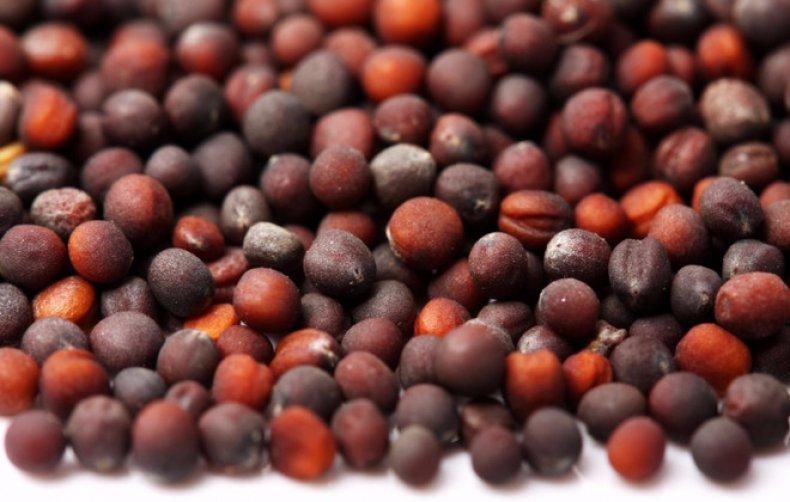
Plant the seeds in strips in dug, loosened, and fertilized soil. Dig shallow holes 60 centimeters apart. Place 3-4 seeds in each hole and cover them with soil. When the young seedlings grow a little, remove the weak shoots, leaving the strongest one.
Through seedlings
To grow seedlings, prepare the soil mixture and seeding material in advance. Early-ripening crops are sown between March 7 and 17. Mid-season and late-ripening varieties are planted from late February to mid-April. Sowing is usually done in peat pellets (pots) or plastic cups.
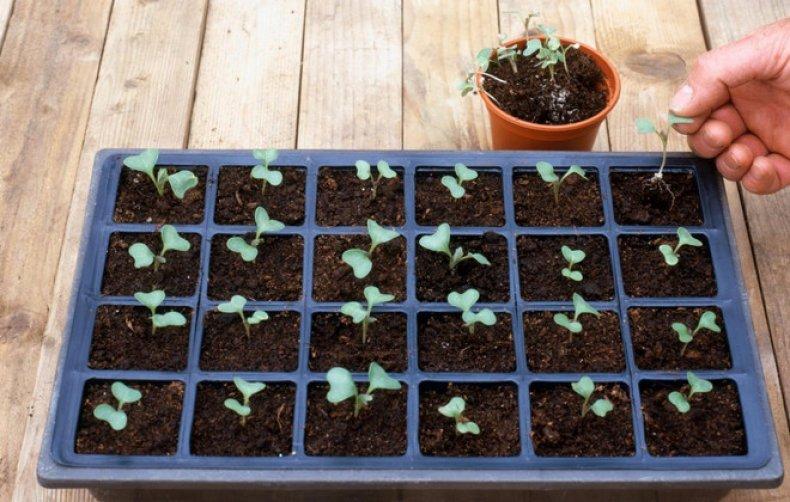
The soil mixture should consist of garden soil, peat, sand, humus, mineral supplements, and wood ash. Before sowing, the seeds are hardened and soaked in a nutrient solution for 12 hours. Several seeds are placed in a shallow hole in each container. The weakest seedling is then removed.
Cabbage seedlings should be grown at temperatures no higher than 15-17 degrees Celsius. Under these conditions, the seedlings will not grow very tall. Water the seedlings regularly, and provide additional lighting at night. Daylight hours should be 12 hours.
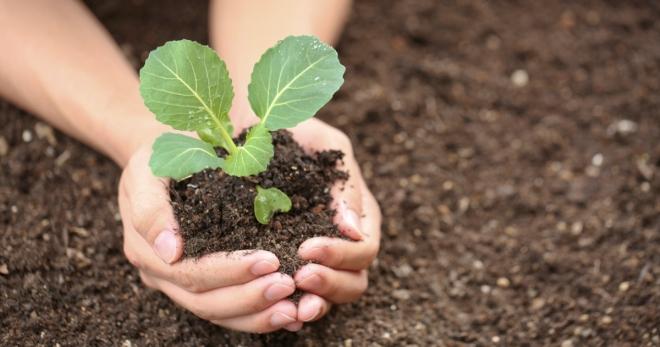
When two true leaves appear, the seedlings are pricked out and transplanted into larger containers. At the end of May, the seedlings are transferred to the garden bed. By this time, each plant should have 5-8 true leaves. The seedlings should be at least 45 days old at the time of transplanting. Plants are planted in a hole, burying the stem 2 centimeters below its previous level. Do not cover the growing point with soil. Seedlings are planted 60 centimeters apart, leaving a 0.7 meter gap between rows.
Rules for caring for red cabbage
As the plant grows, it requires constant care. Red cabbage is recommended to be regularly watered, hilled, and fertilized with organic and mineral nutrients several times per season.
Regularity of watering
It is recommended to water cabbage only with warm, settled water. This rule should be followed for any crop. Cold water can cause disease and even death. Water thoroughly after planting the seedlings in the garden and when the heads of cabbage are forming. During these periods, water the cabbage every evening for several weeks.

After each watering, loosen the soil around the plant. For seedlings, use about 5 liters of water; for a mature plant, 10-15 liters. Cabbage doesn't need watering during rainy season. A month before harvest, water the heads only once a week to prevent them from splitting. Avoid overwatering or waterlogged soil, as this will cause the cabbage roots to rot.
What and when to feed the plant
The first feeding is done fourteen days after transplanting the seedlings into the garden. The seedlings are watered with liquid organic fertilizer. For this, one kilogram of rotted manure is diluted in 10 liters of water. Instead of organic fertilizer, you can use 40 grams of nitrogen fertilizer (saltpeter).
At the end of June, when the heads are forming, the cabbage is fertilized again. Add 45 grams of saltpeter, superphosphate, and potassium sulfate per 10 liters of water. To reduce soil acidity and control insects, the cabbage is sprayed with an ash solution (2 cups of wood ash per 2 liters of water).
Loosening and hilling the garden bed
The crop requires care throughout the season. After watering, it's advisable to loosen the bed and remove weeds. The crop is hilled two weeks after transplanting the seedlings into the garden. This procedure helps support the thin stems. During the period of active growth and head formation, another hilling is necessary. This agricultural technique strengthens the root system, protects the crop from being blown over by the wind, and drains excess moisture from the soil.

Treatment against diseases and pests
Red cabbage rarely gets sick. However, slugs can infest its leaves. To combat these insects, use Groza or Meta. You can protect your cabbage from pests by planting garlic, onions, dill, basil, tomatoes, and herbs in the adjacent bed. Nettle and borage planted near the cabbage will repel slugs.
Harvesting
Heads of cabbage are harvested from the field in summer or fall, and the heads are cut selectively as they ripen. It's best to leave a 2-centimeter-long stalk and a few adjacent leaves when cutting the cabbage. Cabbage can be stored in a cool, dark place until spring. Red cabbage is used to make fresh salads and vegetable dishes. While it shouldn't be fermented, it can be pickled with vinegar.
Related posts:
 Planting, growing, and caring for cauliflower in open ground and greenhouses
 Description of the best cabbage varieties for 2025 for different regions
 Growing and caring for Chinese cabbage in open ground and greenhouses
 Description of Japanese cabbage varieties, cultivation and care features
 Description of the best early cabbage varieties, cultivation and care in open ground
 Planting, growing, and caring for Chinese cabbage in open ground
 Description and characteristics of the best varieties of late cabbage, planting and care technology
 Why cabbage leaves wilt in the garden and what to do