
- Signs of no ovary
- In open ground
- In greenhouse conditions
- Main reasons
- The landing time was determined incorrectly
- Purchasing low-quality seed material
- The landing site was chosen poorly
- Acidic soil
- Lack of light
- Deficiency or excess of moisture
- Unsuitable weather conditions
- Micronutrient deficiencies
- Poor loosening of beds
- Fertilizer at the stage of ovary formation
- Formation of multiple heads of cabbage
- Pests and diseases
- How to feed cabbage to form a head of cabbage
- Manure
- Yeast
- How to water cabbage to get fruit set
- Nettle liquid
- Herbal infusion
- Boric acid
Cabbage is a common vegetable in almost every garden and allotment. This vegetable contains many beneficial components essential for human health. However, planting cabbage often leaves gardeners frustrated: the cabbage fails to form heads. What can be done to remedy this? To obtain a high-quality harvest, it's essential to identify the cause and try to eliminate it. A timely solution is the key to success.
Signs of no ovary
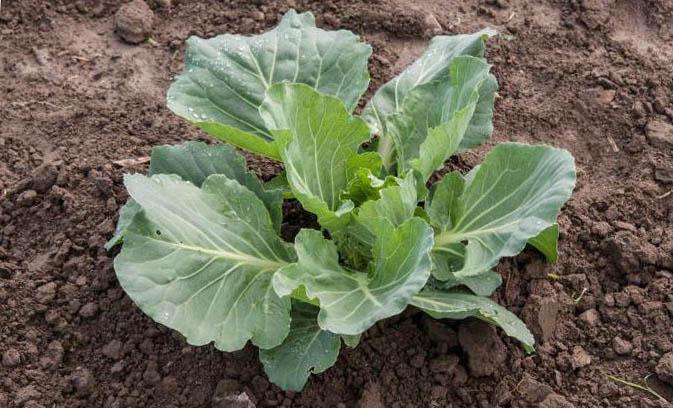
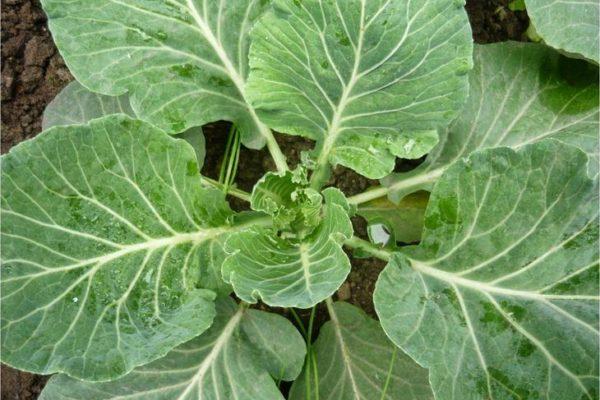
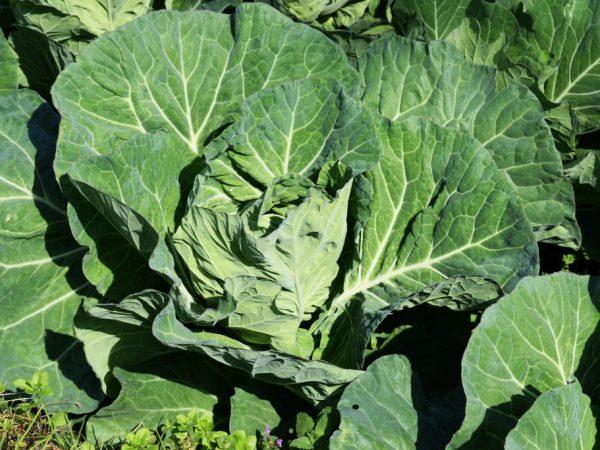
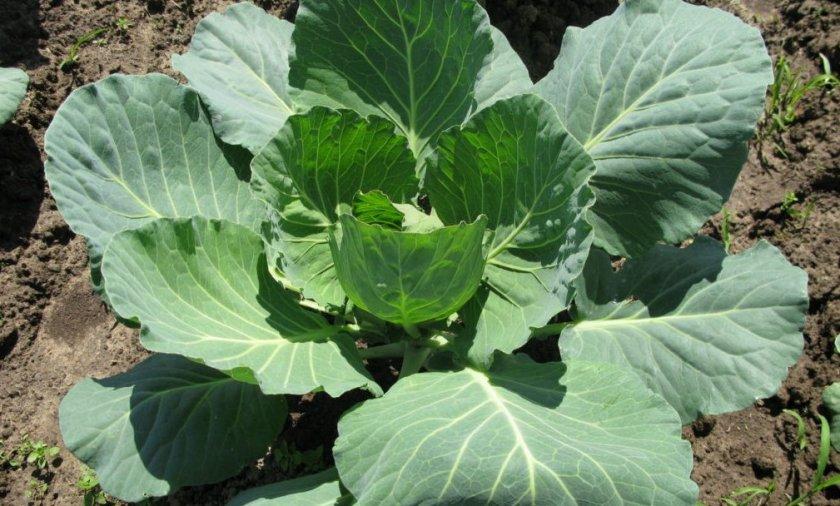
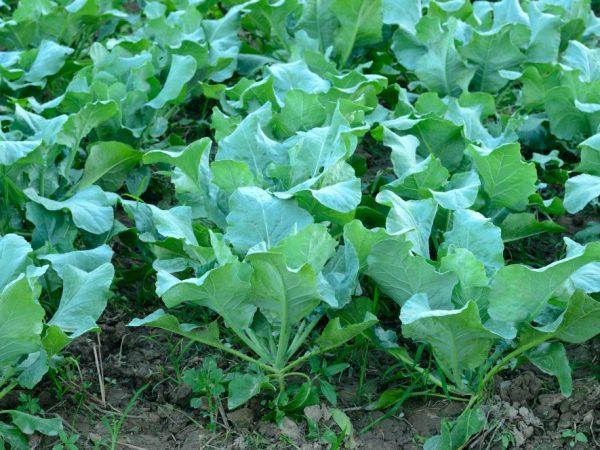
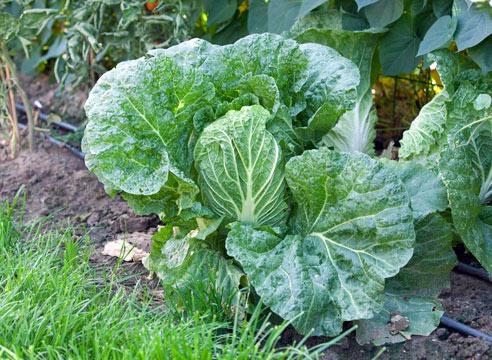
Cabbage is an easy-to-grow vegetable, but that doesn't mean it doesn't require proper care. Heads of cabbage fail to form if basic care isn't taken. When a full head of cabbage fails to form in the center of a young seedling, it's important to understand the cause. Sometimes, instead of a head of cabbage, the vegetable forms only a rosette of leaves, while other times you might notice a dried or rotted center or a couple of loose ovaries.
In open ground
The plant is fragile and requires attention and care. Choosing the right planting site is crucial, as the quality of the future harvest depends on it. It's crucial to follow the instructions for sowing seeds and caring for seedlings. It is important to monitor the density of the plants, as it causes a lack of ovaries, since the plantings shade each other.In open areas, it's important to consider the proximity of other crops. It does not tolerate lack of crop rotation.
In greenhouse conditions
When growing in a greenhouse, seedlings are grown first, the quality of which will determine the success of the harvest. The seedlings are then transferred to a greenhouse. One of the most important care requirements is maintaining the temperature regime; it's important not to overheat the plants. Another important requirement is maintaining the required humidity level.
The soil should be moist but not allowed to become waterlogged. Proper nitrogen and potassium fertilization also promotes timely head formation. In a greenhouse, adequate light should be provided, as this vegetable is a sun-loving plant.
Main reasons
Experienced gardeners explain why cabbage heads fail to form ovaries. Proper care is recognized as the key to a good harvest. Common cultivation errors that result in poor yields are highlighted.
The landing time was determined incorrectly
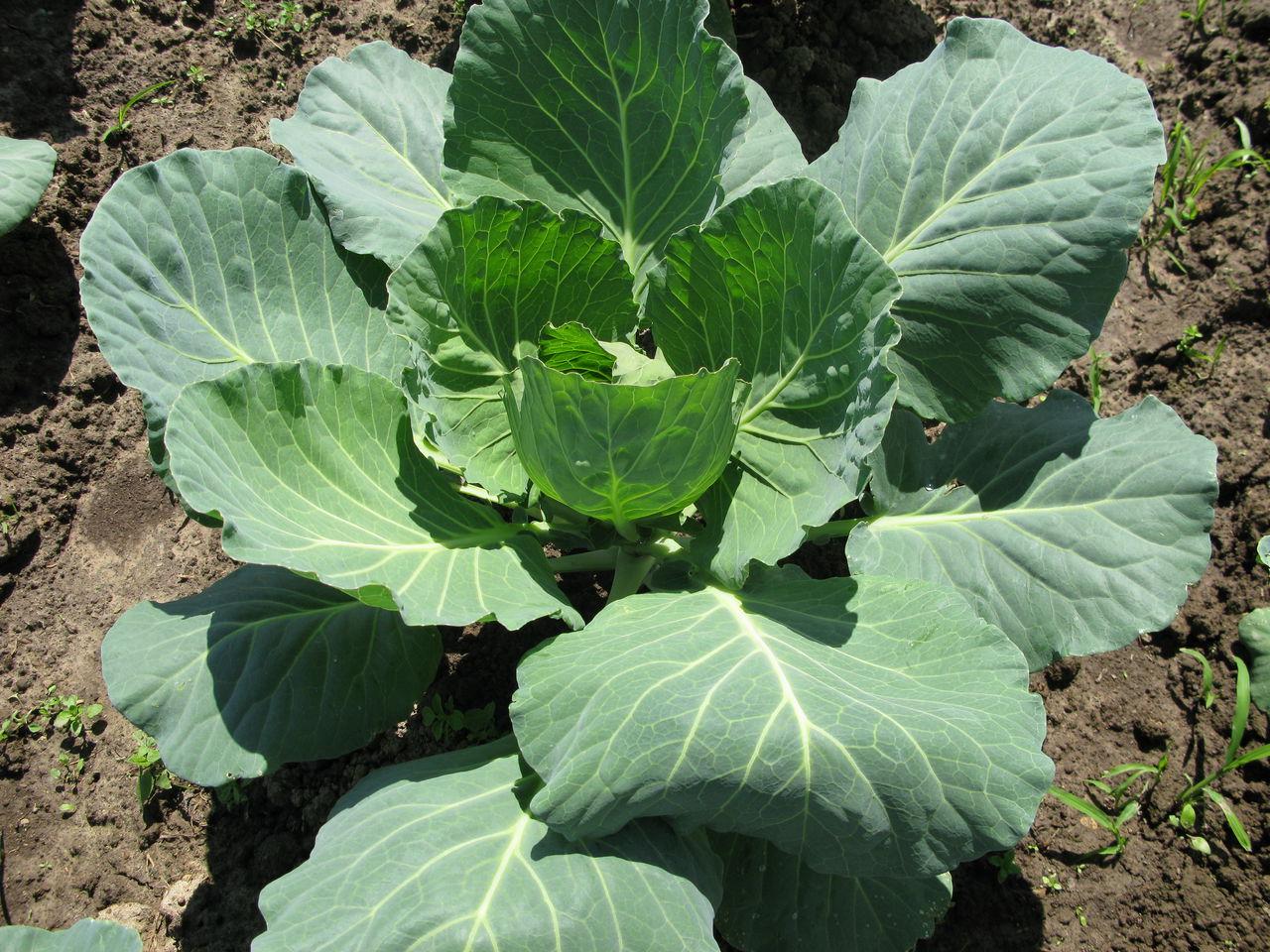
Compliance with sowing dates is an important condition for the formation of heads. Early varieties of cabbage Cabbage should be planted no later than March 10th, otherwise the heads may not form. Mid-season and late varieties are recommended to be sown from March 25th to April 25th. Late varieties have a lower rate of formation.

The exact sowing date is calculated based on climatic conditions. Seeds should be sown 60-65 days before the expected planting date.
Purchasing low-quality seed material
Poor-quality seeds or seedlings are a common cause of cabbage heads failing to form. Weak seedlings that lack proper care and nutrition fail to form heads. If seedlings rarely germinate, this is a reason to question the quality of the seedlings.
The landing site was chosen poorly
Cabbage doesn't thrive in dark areas. It prefers a bright, well-ventilated area, but without drafts. In shaded areas, cabbage produces spreading green foliage. Late-season varieties are particularly sensitive to light. Tall plants should not be placed near cabbage. The crop produces fruit and harvests best in light, loamy soils.
Crop rotation is important. Tomatoes, onions, potatoes, cucumbers, and legumes are considered predecessor crops.
Acidic soil
Cabbage heads don't form in highly acidic soil, and the vegetable is susceptible to clubroot. The optimal pH is 6-6.5. If the soil is highly acidic, sprinkle calcium nitrate granules onto the soil. Fertilizing is also necessary.
Lack of light
Like all cruciferous plants, this crop dislikes shade. Even exposure to shade for just a third of the day will negatively impact the quality of the harvest, particularly the fruit set. The plant begins to stretch, then stunts, and young leaves begin to dry out. In the final stage, the growing tip dies. Heads form slowly on cloudy days. Heads formed in the shade will be weak, loose, and will not store well over winter.
Deficiency or excess of moisture
Cabbage loves water—that's a known fact. If there's insufficient watering or rain, don't expect buds to form. However, excessive soil moisture will also lead to the same result—failure to set buds. Close groundwater tables are undesirable, as this crop doesn't tolerate stagnant water. Water twice a week, more frequently during dry periods. The vegetable especially needs timely watering when the heads are forming.
Unsuitable weather conditions
At temperatures above 25 OThe crop is "slowing down" and ovaries are not forming. Irrigation can help correct the situation. It is recommended to place containers of water nearby to increase humidity. Lower temperatures (less than 10 OC) negatively impacts the quality of the harvest. It is necessary to cover the planting with polyethylene film on arches.
Micronutrient deficiencies
Due to nutritional deficiencies or the absence of certain elements, cabbage heads fail to form. Nitrogen fertilizers should not be used during the active growth period. Kemira Combi is recommended. This product contains low doses of nitrogen, potassium, phosphorus, and other essential elements. The product "Zavyaz" also produces good results. "Mikrassa" enriches the soil, promoting accelerated cabbage head growth.

It is recommended to strictly adhere to the application rate of the preparations; excess leads to rapid growth of tops and the absence of a head.
Poor loosening of beds
Plant roots require oxygen, which is ensured by timely loosening of the soil. Proper loosening and removal of weeds, which deplete the soil of essential nutrients, are essential for fruit set.
Fertilizer at the stage of ovary formation
Vegetables are fertilized after the heads have formed. Micronutrients, available in liquid form, are then added to the soil. Dry fertilizers are ineffective.
Formation of multiple heads of cabbage
This problem may be caused by several reasons:
- damage to the growing site by harmful insects, careless planting, frost;
- quality of seed material;
- lack of nutrition.
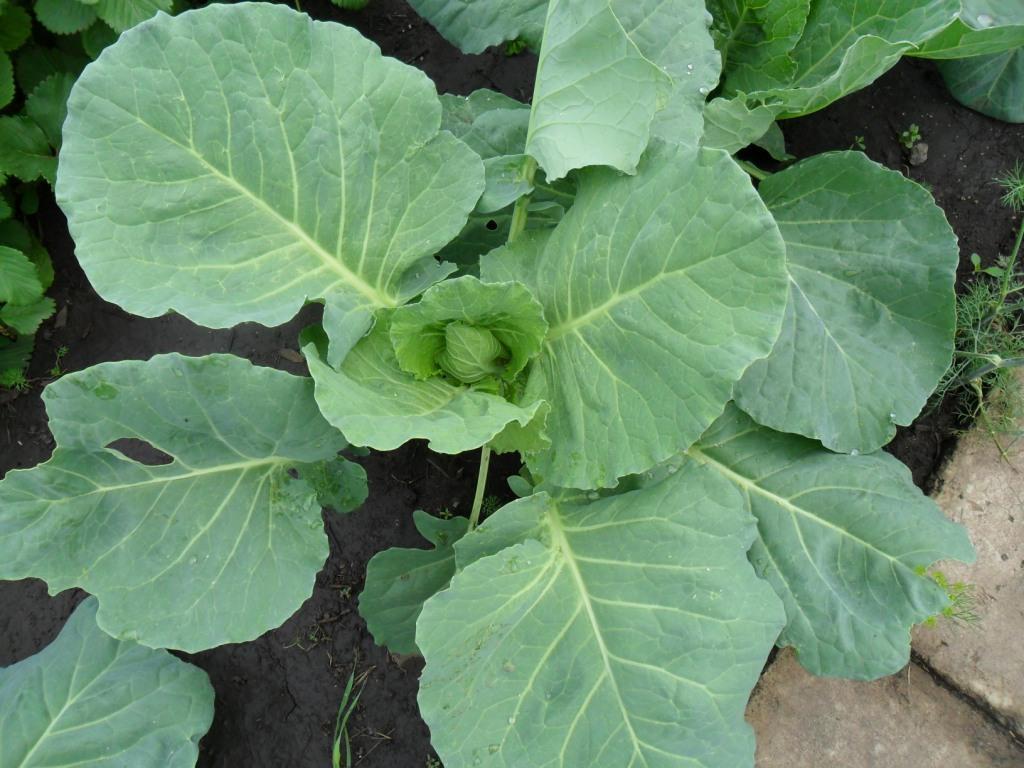
It is recommended to pinch off any excess shoots. If the remaining ovary does not grow, remove the plant from the garden bed.
Pests and diseases
Diseases and pests weaken the crop, making it unable to form heads. Cabbage ovaries can be destroyed by:
- thrips;
- aphid;
- cruciferous bugs;
- cabbage fly;
- cabbage moth;
- white butterfly.
How to feed cabbage to form a head of cabbage
Gardeners often share their experiences, explaining what to do to help cabbage set. Of the many possible recommendations, the most popular ones are highlighted.
Manure
Excellent results are achieved by pre-fertilizing the soil with organic fertilizers in the fall. Fertilize the soil at the following application rates: per 1 m2 About 6-8 kg of ready-to-use (rotted) manure. In addition to cow dung, you can use bird droppings: 350 g per m2Organic matter enriches the soil with beneficial elements and humus, which are essential for growing this vegetable. If you weren't able to fertilize the soil in the fall, you can fertilize the seedlings in the spring, 14-16 days after planting them in the garden bed. After watering, the bed should be hilled.

If autumn feeding has been completed, the first spring feeding of seedlings is done with nitrogen-containing fertilizers (urea, saltpeter) 15 days after planting. The next feeding is done before ovary formation, when the plant has 8-9 leaves. It is recommended to add 40-45 grams of ash per bucket of solution to the manure. Repeat the feeding after 14-18 days.
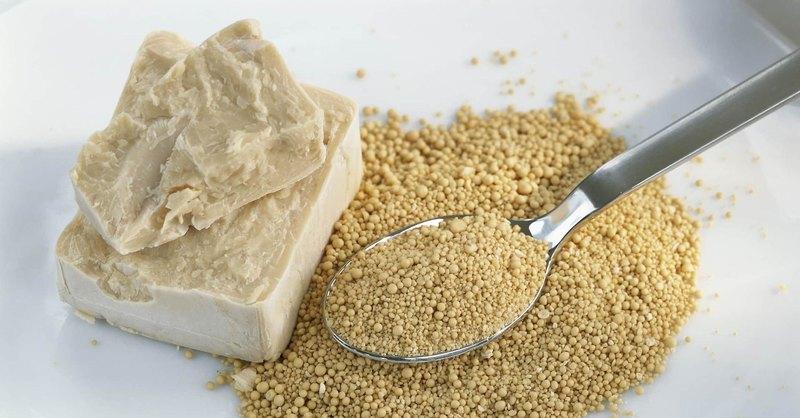
Yeast
To promote head formation, brewer's yeast is recommended. If this is difficult to find, you can use regular dry or pressed yeast. For 10-12 liters of liquid, you need 100 g of pressed yeast or 45 g of dry yeast. Leave to steep in a warm place until a mash is formed. To speed up the fermentation process, you can add sugar or unused jam. For fertilization, dissolve 250 ml of mash in 10 liters of liquid and apply it to the crop. Water the bed before applying the fertilizer.

How to water cabbage to get fruit set
In addition to the products and fertilizers sold in specialized stores, you can use folk remedies. Homemade fertilizers often produce the best results.
Nettle liquid
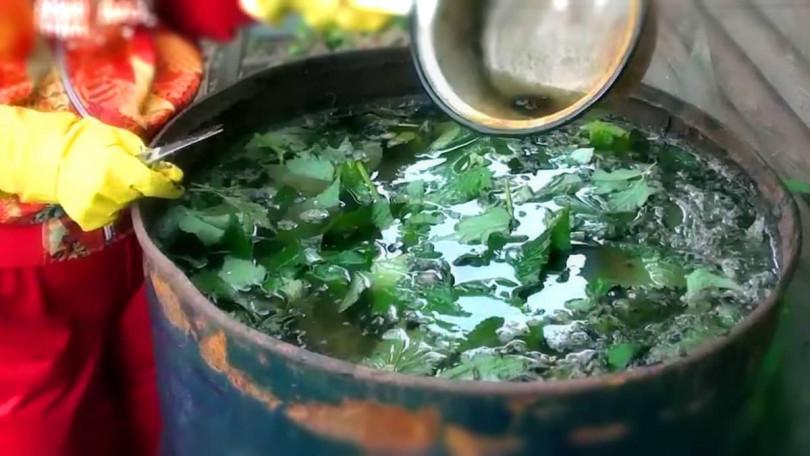
Nettle infusion is becoming increasingly popular. This plant is rich in various vitamins and valuable elements. To make a concentrate, cut the stems, fill a container, add water, cover, and let it ferment. A strong, distinctive odor indicates the infusion is ready. Water the heads with the solution: dilute 100 ml of the resulting liquid in 10 liters of water and fertilize the vegetable bed. This remedy is often used for weakened cabbage plants, which subsequently produce good results.
Herbal infusion
You can treat your cabbage planting with an herbal infusion. It poses no danger to humans, as it's simply organic. The herbal combination can vary. Any weed without seed pods can be used.
Place the herbs in the prepared container and pour the liquid over them. The water should completely cover the herbs. If desired, you can add a liquid microbiological agent to eliminate the unpleasant odor of the infusion. However, the presence of a specific, characteristic odor is the only indication that the infusion is ready.
To enrich the fertilizer with calcium, it is recommended to add crushed eggshells. Use a solution, as the concentrate will burn the plant's root system. Dilute 1:10.
Boric acid
Foliar feeding is widely used. Spraying with a boric acid solution is also possible. To do this, dilute 15 ml of the solution in a liter of hot water. Then, add 9 liters of cool water and spray the cabbage with the resulting solution. Vigorous growth and head formation are observed.
A lack of ovaries on cabbage is often due to poor care. Only by following these simple but important guidelines will the vegetable yield be abundant.
Related posts:
 Methods for planting and propagating cherries at home
 The best grape varieties for growing in the Urals, planting and care rules in summer
 Why do pumpkin ovaries turn yellow, fall off, and rot in open ground, and what can be done about it?
 Description of the best varieties of bee-pollinated cucumbers, rules for their formation and care
 Why cucumber ovaries turn yellow in a greenhouse and what to do: causes and treatment
 What to do and what is the best treatment if the leaves on a pear tree turn black?
 The best eggplant varieties for growing in a polycarbonate greenhouse: planting and care
 Why cucumbers bloom but don't set fruit, what to do, mistakes in care, and what to spray