
- The main reasons for yellowing and wilting of ovaries in a greenhouse
- Unsuitable growing conditions
- Insufficient lighting
- Incorrect temperature or sudden changes
- Insufficient humidity
- Problems associated with care
- Irregular irrigation
- Excess or deficiency of fertilizers
- Incorrect pollination
- Excessive cramped seating
- Biological factor: diseases and pests
- What to do if cucumber ovaries turn yellow, dry up, and fall off
- Instillation
- Pinching out stepsons
- Drying the soil
- Pollination
- Fertilizer
- How to prevent yellowing of ovaries
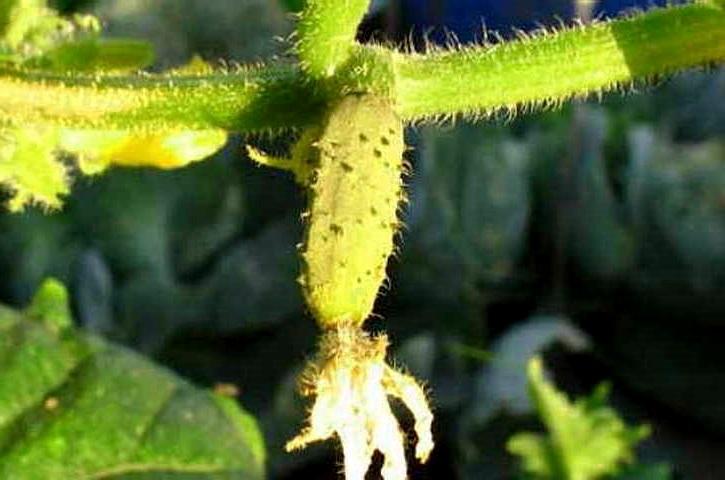
The cucumber seedlings have already been planted in the greenhouse, the vines are stretching, the foliage is lush and green, but the ovaries are starting to turn yellow and fall off. What can I do to save the harvest? How can I determine the cause and what steps need to be taken to resolve it? Cucumbers are a fickle vegetable, but with the right and timely approach, any problem can be painlessly resolved.
The main reasons for yellowing and wilting of ovaries in a greenhouse
When planting cucumber seedlings, it's important to pay attention to the variety's characteristics. Different varieties may have slightly different requirements for pinching, planting density, and pollination.
There are a number of factors that are essential for proper plant development, successful viability, and good yields. Failure to comply with what conditions can lead to cucumber ovary failure?
Unsuitable growing conditions
Growing conditions are a crucial component; without them, it's impossible to achieve a proper yield. For cucumbers to begin setting fruit, the conditions must meet the needs of this vegetable plant.
Insufficient lighting
When planting cucumbers in greenhouses, natural light is generally the preferred method. It's important to ensure that neighboring plants don't shade each other. This applies to both adjacent cucumber vines and other vegetable crops growing nearby.
If natural light is insufficient, supplemental artificial light is installed in the greenhouse, which is useful, for example, during stable cloudy weather. Maintaining a balance of light and darkness is essential. Cucumber seedlings prefer a daylight period of at least 12 hours, but also require a dark period of at least 6 hours.
Incorrect temperature or sudden changes
Cucumbers are sensitive to temperature fluctuations, and hypothermia has a very negative effect. Sudden frosts can cause ovaries to turn yellow and fall off. Overheating is another possible cause of yellowing and drying out of ovaries.
In a greenhouse, rising temperatures pose a greater risk to cucumbers than to plants planted in open ground due to possible lack of ventilation.
Cucumbers planted in greenhouses, rather than in open ground, are often susceptible to temperature fluctuations. During the day, the air in the greenhouse overheats due to the greenhouse effect, and at night, the plants can become too cold.
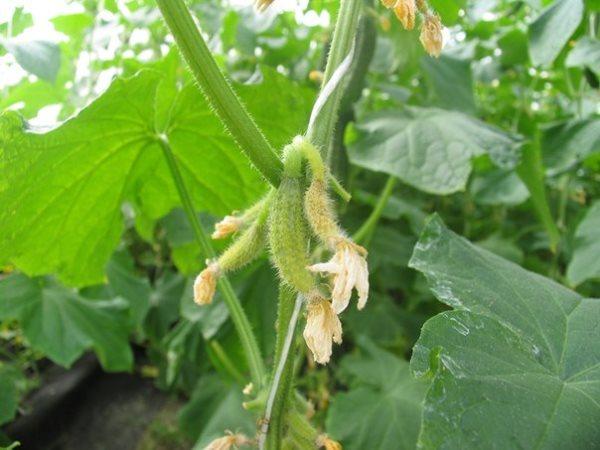
To avoid overheating during the day, the greenhouse should be ventilated if the outside temperature allows. If necessary, shade the greenhouse by covering it with material to block direct sunlight or by tinting the roof and walls with chalk.
During night frosts, plants are also additionally covered, especially in small greenhouses. Mulch the soil to retain heat. Special heating devices can be installed.
Insufficient humidity
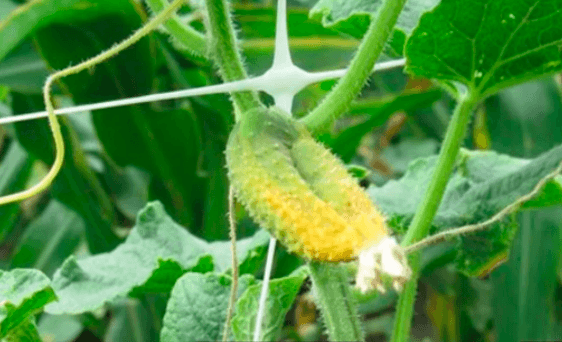
If there's a lack of moisture, cucumber ovaries stop growing, turn yellow, and dry out. Therefore, ensure the plants are adequately watered, while following a few simple rules:
- For watering, choose evening or early morning.
- The water should be settled, not cold.
- Water the soil, not directly at the roots. Excessive moisture near the roots can lead to root rot.
- Excess moisture can lead to plant diseases, so in cloudy, damp weather, monitor the soil and avoid watering if the soil condition is acceptable.
Problems associated with care
Caring for cucumbers includes the following basic procedures:
- watering;
- topping;
- weeding;
- garter;
- top dressing.
Mistakes made at any stage of care can cause the embryos to turn yellow and fall off.
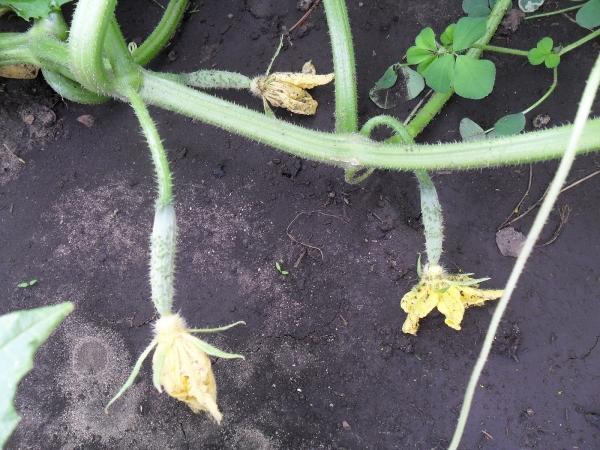
Irregular irrigation
For cucumber vines, moisture is important not only in the soil but also in the air. If the air is too dry, the plant will wilt, and the buds may turn yellow, dry out, and fall off.
To prevent this from happening, the humidity level in the greenhouse must be maintained between 85-95 percent.
Irrigation helps with dry air. Water the soil between the rows; the water evaporates, humidifying the air. Failure to irrigate regularly will negatively impact fruit production.
Excess or deficiency of fertilizers
Cucumber vines require potassium and nitrogen to produce fruit, while phosphorus is actively absorbed during flowering. At each stage of life, the plant requires specific nutrients. If there are insufficient nutrients, or if there is an excess of the wrong ones, the cucumbers will not develop properly and will not produce a good harvest.
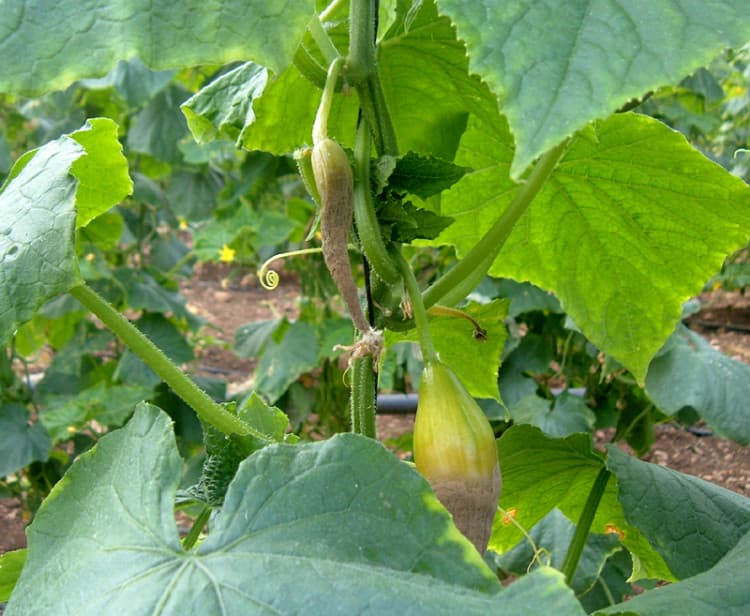
Incorrect pollination
Self-pollinating varieties or those that don't require pollination are best suited for greenhouses. If pollination is done by insects, they may have difficulty entering the greenhouse, causing unpollinated buds to turn yellow and fall off.
Excessive cramped seating
To avoid losing fruit, it's important to provide the plants with sufficient space to thrive. To ensure neither the above-ground part nor the growing root system interferes with surrounding plants, it's recommended to maintain a spacing of 30 to 50 cm when planting seedlings. If the spacing is too small, the plants will shade each other. The width between rows should be about a meter.


Biological factor: diseases and pests
Most often, yellowing of cucumber ovaries is caused by the following diseases:
- downy mildew (peronosporosis);
- Fusarium fungus.
It is necessary to fight diseases with the help of purchased medications, carefully following the instructions, not forgetting about prevention.
The most common pests that cause yellowing and drying of ovaries are:
- spider mite;
- aphid;
- nematode.
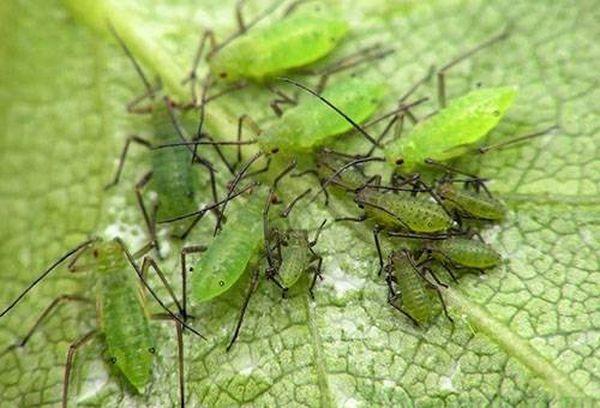
To combat pests, plants are sprayed with folk remedies and commercial chemicals. Furthermore, preventative measures should not be neglected.
What to do if cucumber ovaries turn yellow, dry up, and fall off
To ensure a successful harvest, gardeners must determine why cucumber stems are turning yellow and take immediate action. There are several measures that can be taken to preserve the harvest.
Instillation
This method is used when the root system cannot deliver sufficient nutrients to the aboveground portion, for example, in the case of root rot. To encourage additional roots to form, the lower portion of the shoot is bent toward the ground and buried. During this period, the plant requires additional mineral fertilizer. Until the buried portion of the stem has rooted, excess shoots are removed.
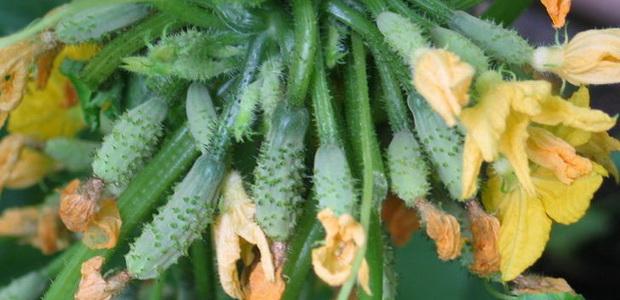
Pinching out stepsons
The bush must be formed correctly, otherwise the plant will waste energy on extra shoots rather than on fruiting. Pinch off the top of the vine if it becomes too long, as well as the lower side shoots (side shoots). Remove all side shoots up to the fifth leaf from the bottom, leaving a few leaves on the upper ones.
Drying the soil
If the soil is overwatered, cucumbers may begin to grow foliage without producing fruit. In this case, stop watering for a few days. The leaves may begin to wilt, but a sufficient number of fruit will still develop.
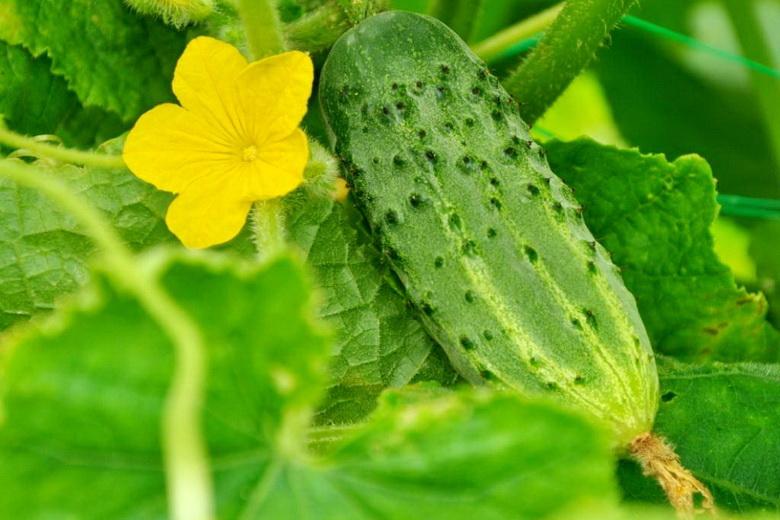
Pollination
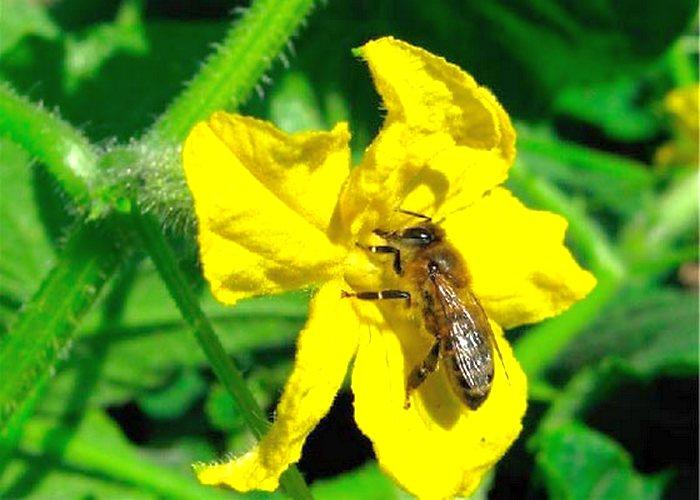
To eliminate problems caused by insufficient pollination, you should pollinate the plants yourself, using a soft brush to transfer pollen from the male flower to the female flower, or attract insects to the greenhouse. This can be accomplished in several ways:
- Spraying flowering plants with a sugar or honey solution.
- Special purchased spraying compounds.
- Placing a container with sweetened water or another sweet solution in the greenhouse.
- Planting several bushes of honey plants in a greenhouse to attract flies and bees.
Fertilizer
During the flowering and fruiting period, to ensure the plant has the strength to produce full-fledged greens, it's necessary to replenish micronutrient deficiencies—primarily potassium, nitrogen, and phosphorus. You can use ready-made mixtures, including complex ones, or you can resort to folk remedies. Chicken manure and cow dung are often used:
- Potassium: Potassium deficiency is replenished with wood ash.
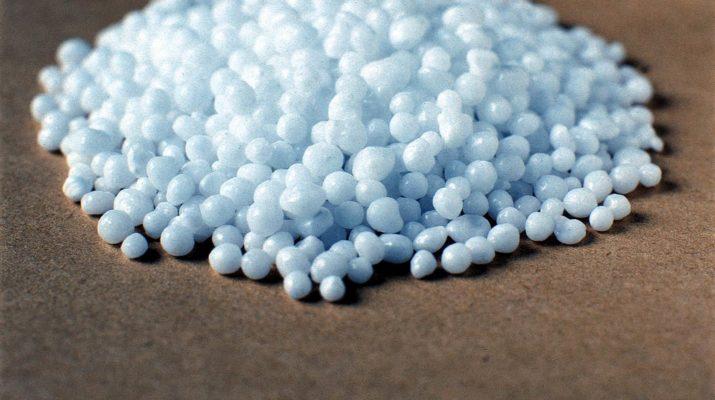
- Nitrogen: if there is a lack of nitrogen, urea is added to the beds.

How to prevent yellowing of ovaries
To prevent cucumber ovaries in a greenhouse from turning yellow, drying out, or falling off, you should follow a few rules:
- Priority is given to selecting a variety suitable for greenhouse use. In greenhouses, self-pollinating varieties that do not require pollination (parthenocarpic) are planted, or sufficient pollination is ensured by alternative methods.
- Follow crop rotation rules, meaning avoid planting cucumbers in the same spot every year to avoid disease buildup. If rotating beds isn't possible, soil improvement is essential.
- Maintain a stable temperature. Avoid hypothermia, overheating, and temperature fluctuations.
- Adequate watering. Cucumbers require adequate moisture on a regular basis to thrive, set fruit, and ultimately produce full-sized fruits. But it is important to remember that excess water can lead to rotting of the root system and promote the development of diseases.
- Fertilizing. Fertilizing is essential to ensure adequate nutrition during the fruiting period. When fertilizing cucumbers, it's important to remember which fertilizers to apply and when to ensure adequate nutrition without harming the plant.
- Disease prevention. Prevention is better than cure. This is also true for cucumber ovaries. To prevent yellowing of the ovaries, it is necessary to till the soil in advance, as well as treat the soil, the greenhouse polycarbonate, and the equipment.
- Formation of the bush, which includes pinching off shoots and excess ovaries.
- Timely harvesting. To ensure new fruits ripen, ripe ones must be harvested in a timely manner.
When growing cucumbers, it's important to pay attention to any changes in the plants' appearance, including yellowing of the ovaries. This way, you can react promptly, correct the problem, and preserve the harvest.
Related posts:
 How to care for cucumbers in open ground from planting to harvesting
 Why cucumber leaves are drying out and what to do, how to treat them in a greenhouse and in the ground
 The best eggplant varieties for growing in a polycarbonate greenhouse: planting and care
 Description of the best varieties of Chinese cucumbers, planting, growing and care
 How to properly plant cucumbers in open ground with seeds, and at what depth
 Description of unusual methods for planting and growing cucumbers
 Why do cucumber leaves curl inward and what to do about it?
 How to plant grapes step by step, with a description of the process and care