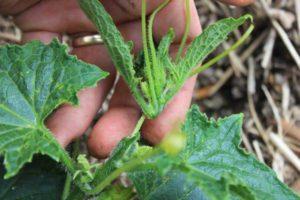
Every year, breeders discover new and improved cucumber varieties capable of growing even in unprotected soil. One such option is the Paratunka cucumber variety. This variety was developed in 2006 and quickly gained popularity among gardeners due to its abundant yields and lack of specific growing requirements.
Description of the variety
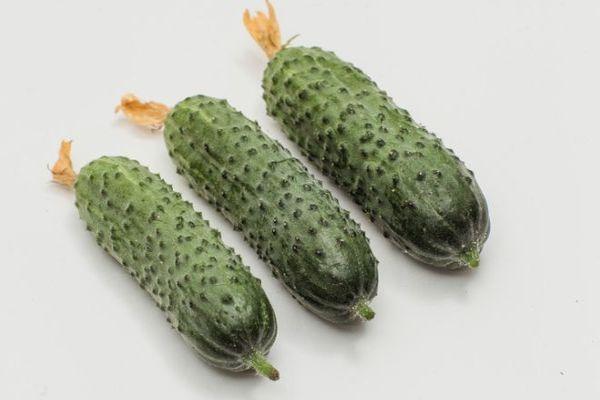
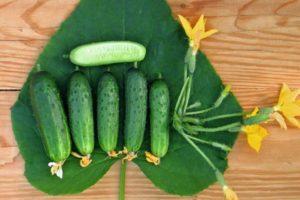
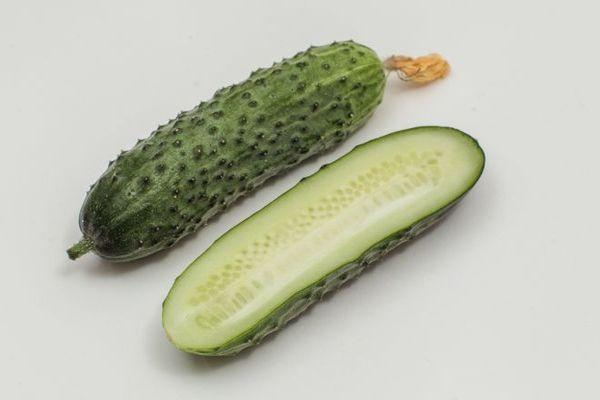
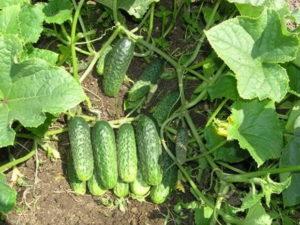
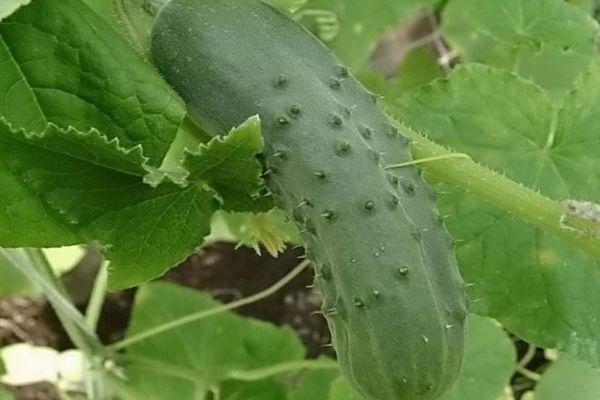
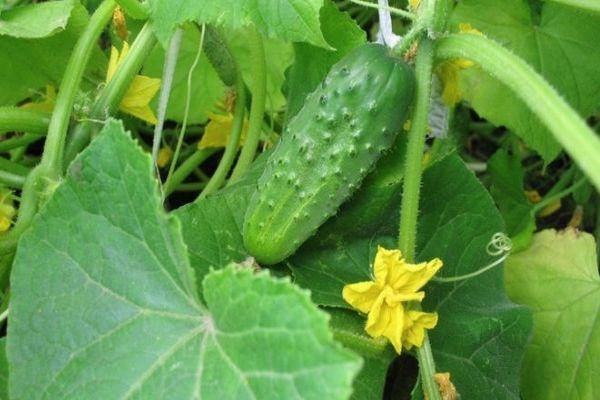
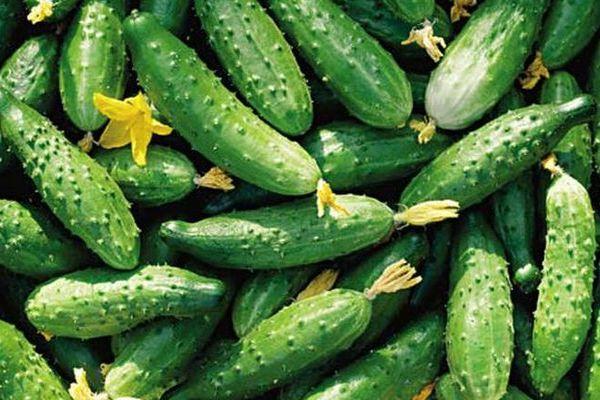
The Paratunka F1 cucumber is a hybrid and is suitable for planting in garden plots and industrial areas. The fruits are cylindrical. Each fruit averages 70–100 g in weight and no longer than 9 cm. The cucumbers have a medium-tuberous surface, firm flesh, and no internal voids. The flesh is not bitter, with a sweetish flavor and a vibrant aroma. The plant produces clusters of fruit, with branching and moderate climbing habit.
This early-ripening variety thrives in a variety of climates. Yields are not significantly reduced in mixed or open soils or in extreme temperature fluctuations.
Growing
Paratunka cucumbers can be planted in two ways: by sowing directly into the ground or from seedlings. When sowing seeds directly into the area where they will germinate, make a 2-cm-deep hole in the soil. Soak the seeds first to ensure germination. It's best to stagger the sowing, planting three to four seeds per square meter.

Planting from seedlings begins in the last ten days of April or early May. Peat pots or detachable containers should be used for seedlings, as transplanting can damage the root system and result in the loss of some seedlings. Transplant the seedlings into the garden beds after the fourth leaf appears.
Care Features
The Paratunka variety has shallow roots located less than 20 cm deep. This hinders moisture absorption from the lower soil layers. The plant is drought-intolerant, so watering the seedlings every three days is sufficient in cloudy weather, and daily in dry weather. Water should be warm.
To increase the yield, cucumbers should be grown without fertilizing. It's best to begin fertilizing the soil with a mixture of manure and water in a 1:3 ratio. Let the solution ferment for a week, stirring occasionally. After fermentation, mix the infusion again with warm water in a 1:10 ratio. You can apply the slurry to the plants 2-3 times per season.
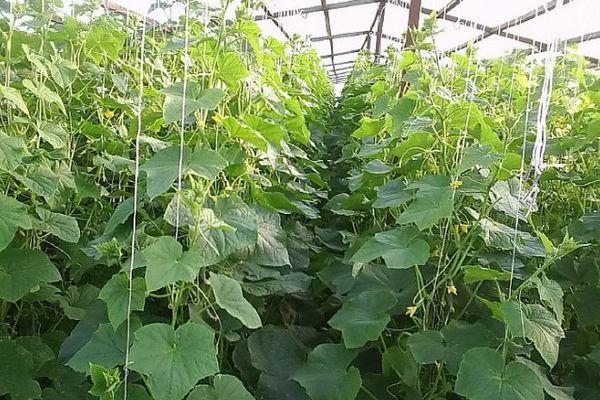
When the seedlings have 3-4 leaves, they need to be supported. Soft wire or twine is suitable for this. The lower end is tied to the stem or to a metal hook driven into the ground next to the plant. When tying to the stem, it's important not to tighten the knot too much to avoid pinching the plant. As the cucumbers grow, their tendrils will cling to the support.
Advantages and disadvantages
The Paratunka variety's widespread popularity is due to a number of comparative advantages. These include:
- The hybrid variety is parthenocarpic and does not require pollination. Even if pollinating insects are scarce in the growing region, this will not affect the yield.
- The crop is resistant to common diseases that are common to the entire pumpkin family.
- Thanks to the long fruiting period, the harvest can be collected right up until the onset of frost.
- Good light transmission of leaves on bushes promotes correct and accelerated ripening of fruits.
- Cucumbers can be grown both outdoors and indoors, without creating special growing conditions.
Among the disadvantages of the Paratunka variety is its fragile root system, which can be easily damaged if transplanted carelessly or without additional support. Another drawback is the need for frequent watering and staking to shape the bushes.
Pests and diseases
When growing cucumbers indoors, seedlings are often attacked by spider mites. To combat these insects, use the low-toxicity biological product Fitoverm. Dilute the product according to the instructions and apply it to the affected plants by wetting the undersides of the leaves. Plants can be treated with Fitoverm twice during the same season.
Despite its disease resistance, poor ventilation and persistent rain can cause stem rot. To prevent the disease from spreading to other plants, cut off the bottom leaf of the cucumber, wipe the affected areas with it, and then treat with wood ash.
To prevent crop damage, it is recommended to periodically ventilate the greenhouse when growing in greenhouse conditions, not to use cold water for irrigation, to follow crop rotation rules, and to periodically inspect the plants for dangerous insects and signs of disease.
Harvesting and storage
Paratunka cucumber bushes produce their first fruits within 1.5–2 months. Ripe cucumbers should be harvested regularly as they grow. The more frequently you harvest, the more vigorously new ovaries will form. With proper cultivation and care, ripening can continue until the first frost.
Cucumbers can be stored in the refrigerator or in a cool room, placed in boxes. When storing the fruit in the refrigerator, it's best to place them in a plastic bag and leave it untied to allow air to pass through. The average shelf life of fresh cucumbers is 1–2 weeks. The fruit must have no visible damage to the skin.
To preserve your harvest for longer, you can pickle cucumbers or use them in pickles. The versatility of this vegetable allows you to save some of your harvest for the winter.
Gardeners' reviews
Marina, Krasnodar: "I saw this variety growing at my neighbors' dacha, read the reviews, and decided to try growing it on my own plot. I was surprised by how quickly it ripened; after a month and a half, I had my first harvest. The bushes continued to bear fruit for several more months, so I stored most of them for the winter."
Inna, Astrakhan: "I regularly grow Paratunka, and it always produces a very good harvest. I have to constantly water the beds, but that's not a problem considering the many advantages. I'd especially like to mention the cucumbers' rich flavor and long shelf life."
Related posts:
 Description of unusual methods for planting and growing cucumbers
 Description of the best varieties of Chinese cucumbers, planting, growing and care
 Is it possible to soak treated cucumber seeds before planting and how to do it correctly?
 How to make a cucumber trellis with your own hands from scrap materials
 How to care for cucumbers in open ground from planting to harvesting
 How to properly plant cucumber seedlings in a greenhouse and care instructions
 How to properly plant cucumbers in open ground with seeds, and at what depth
 Types of fungicides for cucumbers in a greenhouse and instructions for use