
The City Cucumber F1 hybrid is a balcony variety. It is characterized by its low foliage, compact size, and ability to bear fruit in challenging conditions. Those without a garden plot can grow fresh vegetables right in their city apartment.
General characteristics of the plant
The "City Cucumber" cucumber has a high tendency to branch and produces fairly long stems. In a greenhouse or balcony, it's best to train this plant as a single stem, but in open ground, 3-4 stems can be grown from a single root. When grown indoors, the "City Cucumber" requires staking, but when grown in a garden, it can be grown without staking if space permits.
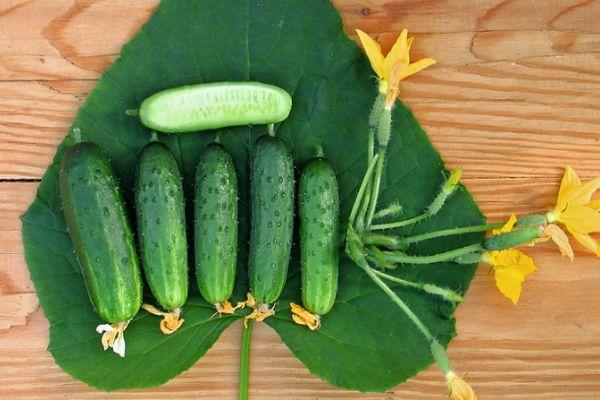
A distinctive feature of the Gorodskoy Gurchik, which has garnered only positive reviews from vegetable growers, is the cluster formation of ovaries. Among similar varieties, the Gorodskoy Gurchik hybrid stands out for its developed clusters of female flowers: 5-9 ovaries are located in the axils of each leaf, which grow as the cucumbers are harvested. This ensures that the cucumber vines are constantly covered with a large number of cucumbers of varying sizes.
The first commercial cucumbers appear 40-42 days after sowing the seeds. Approximately one week after the first fruits appear and are harvested, the harvest begins in earnest, with several small, young fruits being harvested from each bush. The total yield of this variety is 10-12 kg of commercial produce per square meter. This parthenocarpic variety does not require bee pollination and can even be grown indoors.

The plant is immune to olive spot and cucumber mosaic, and is resistant to powdery mildew. It can be affected by downy mildew, but with timely fungicide treatment, the disease is virtually unaffected. The plant has low light requirements, making it suitable for planting not only in greenhouses but also on balconies or windowsills, where light levels are much lower.

Consumer qualities
The fruits are small, gherkin-like. The length of a cucumber at technical maturity is no more than 12 cm; the diameter is 2-2.5 cm. Even overripe cucumbers do not become large and do not form hard seeds. It is recommended to pick the cucumbers daily: this promotes the growth of subsequent ovaries in the cluster.
The skin of a young cucumber is not very thick, and is practically imperceptible when eaten. However, it is quite strong, allowing the cucumbers to retain their firmness and marketable appearance for several days. Cucumbers are quite transportable; they can be stored in the refrigerator for several days.
The skin is green, with a small light patch at the tip, from which several parallel yellowish-white stripes extend to the base. The tubercles are not numerous; as the fruit grows, they become sparse and barely noticeable. The spines are white and blunt.

The flesh is dense, crisp, and greenish. The fruit's walls are not particularly thick, and the seed capsules fill three-quarters of the fruit's diameter. The seeds in the capsules are formed in small quantities, so the cucumbers' flavor is not affected. The characteristics and descriptions of the variety, given by amateur vegetable growers, note a pleasant cucumber aroma, medium and unobtrusive. The flavor is sweet and delicate, and the fruit has a juicy consistency.
The primary use of this early variety is fresh vegetable consumption. Small, crisp, and tender cucumbers make a delightful addition to any salad. They can be used for delicate slices and gourmet appetizers. Cucumber slices are included in sandwiches, wraps, and traditional dishes. Fresh cucumbers are used to make cold summer soups (okroshka, kuksi) and even refreshing drinks.
Cucumbers can be stored for a long time by cold-pickled portions. Lightly salted vegetables are always popular as a great appetizer and complement to potato dishes.
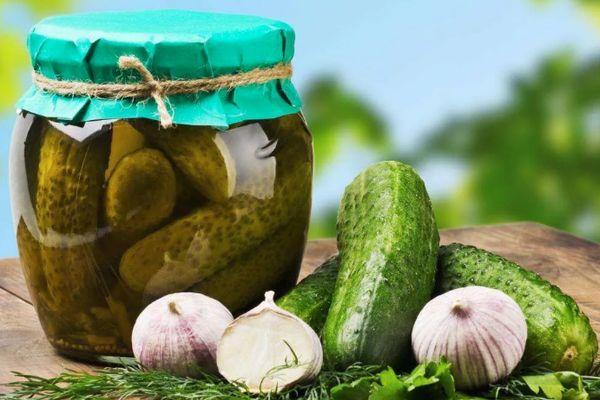
If you have a large quantity of gherkins, you can preserve them for winter storage. Traditionally, small gherkins are included in vegetable platters or salted and pickled separately. Slightly overgrown gherkins are preserved in slices or used to make pickles, salads, and appetizers. Cucumbers can even be frozen for a wintertime treat with okroshka.
Before freezing, the fruits should be cut into strips and placed in bags.
How to grow cucumbers on a balcony and in garden beds?
You can even grow Urban Cucumbers on a windowsill. It's important to provide them with the minimum required amount of soil: at least 5 liters per plant. Seeds will have to be purchased annually from the store, as they are almost never found in the fruits, and first-generation hybrids (F1) never retain the qualities of the mother plant. Purchased seeds may already be treated by the grower for diseases and coated with a layer of growth stimulants. Such seeds have an unnatural color.


If the seeds are normal and light-colored, it's best to treat them with a solution of potassium permanganate or Fitosporin to kill pathogens. The soil for cucumbers is prepared from good, loose humus, mixed with an equal amount of garden soil. To reduce acidity, add 1 tablespoon of ground chalk or eggshells per 5 kg of the mixture. The soil can be enriched with potassium and phosphorus in advance by adding 1-2 handfuls of wood ash per 5 kg of the mixture. Alternatively, you can use complex fertilizers suitable for pumpkins (Kemira Lux, Agricola Vegeta, etc.).
You can plant 2-3 cucumber seeds at once in a container, and as they grow, carefully transplant them into another container if they all sprout.
To ensure a guaranteed result, sprout the seeds before sowing by wrapping them in a damp cloth and keeping them in a very warm place (+30°C) for 1-2 days. Once sprouted, plant one seed per container with a capacity of approximately 5 liters.
In open ground, warm beds are used for planting cucumbers, with a layer of biofuel (manure, compost) placed under the fertile soil. The decomposition of the biofuel generates a lot of heat, and the soil warms up to a temperature at which Urban cucumbers actively grow and bear fruit. The advantage of this method is that it allows you to cover the young plants during cold weather.
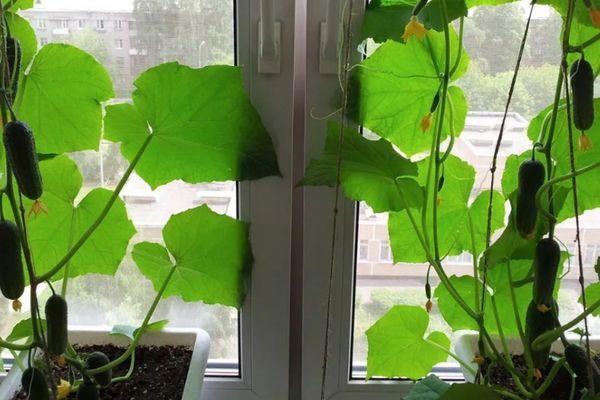 To grow upTo ensure a good harvest, cucumbers are planted at 3-5 plants per square meter. These same guidelines also apply if you plan to plant the vegetables in a greenhouse.
The shoots grown on a trellis should be formed according to the following scheme:
- up to 3-4 leaves, remove all lateral shoots and ovaries;
- leave the next 2-3 nodes only with bunches of ovaries, remove the shoots;
- leave 2 bunches of ovaries on the side shoots up to the height of ½ of the trellis, and then pinch them off;
- Until the end of the season, pinch off the remaining side shoots to a length of 3 nodes with cucumbers.
Take a look Also
Additionally, about a month before the end of the season, pinch the top of the central vine to encourage cucumbers to grow on already formed bunches. When growing in open, warm beds, you can pinch the main stem above the 3rd or 4th leaf and then train the bush into 2-3 vines, allowing them to spread along the ground.
Related posts:
 The best eggplant varieties for growing in a polycarbonate greenhouse: planting and care
 Methods for planting and propagating cherries at home
 Top 40 DIY New Year's Baking Recipes for 2020
 Causes and treatment of eggplant pests and diseases, how to combat them at home
 The best grape varieties for growing in the Urals, planting and care rules in summer
 How to control carrot flies with medications and folk remedies
 The health benefits and contraindications of black currants
 Is it possible to soak treated cucumber seeds before planting and how to do it correctly?