
- Causes and characteristic symptoms
- Micronutrient deficiency
- Excess of mineral fertilizers
- High temperature readings
- Lack or excess of moisture
- Cabbage aphid infestation
- Whitefly attack
- Parasitism by the cruciferous bug
- Is there a chance to save the cabbage?
- What to do
- We organize proper watering
- Regulating the application of fertilizers
- Therapeutic and preventive treatments against parasites
Every gardener wants to know why cabbage leaves sometimes curl. This is the most common problem faced by those growing the vegetable. There are several possible causes, and each one needs to be addressed. Below are the most effective methods for combating this condition.
Causes and characteristic symptoms
There are a number of reasons why leaves curl.
- Cabbage aphid attack is the main pest of the crop.
- Attack of the whitefly - a small white moth-like midge.
- Lack or excess of moisture.
- Deficiency or excess of nutrients in the soil.
- Chemical burn from pesticides.
To neutralize the pathological condition of cabbage, each cause should be considered in detail.
Micronutrient deficiency
Leaves can curl due to a lack or excess of zinc, sulfur, copper or boron.
- If there's a boron deficiency, the leaves curl and turn lighter. Sometimes they take on a reddish-pinkish tint.
- Copper deficiency is first noticed in young leaves, which immediately curl up. If copper-containing components are not added to the soil promptly, the cabbage will turn yellow and dry out. Mixtures containing sulfur and copper are recommended, as they work together to maximize the effectiveness.
- Excessive zinc levels can cause damage to older leaves, which can curl and become brittle.
- When there is a lack of calcium, the leaves not only curl, but also become diseased.
The problem is solved by replenishing the missing amount of substances, or, conversely, by stopping its introduction.
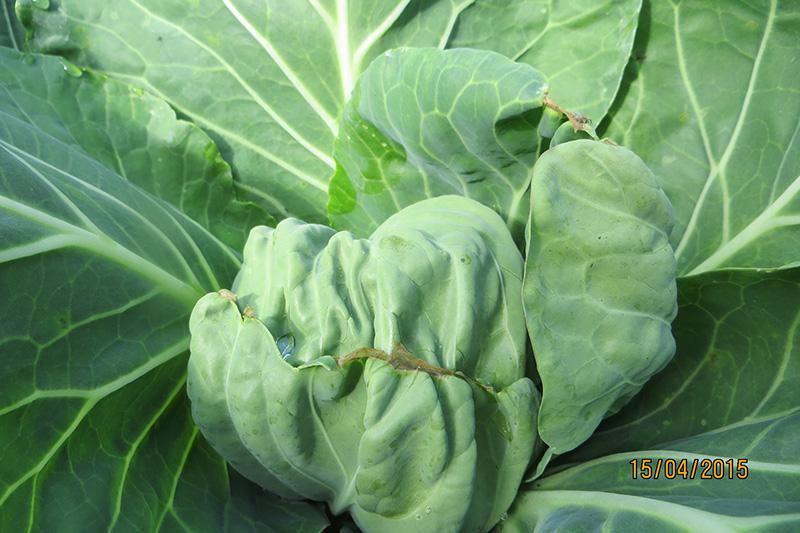
Excess of mineral fertilizers
When overfed with nitrogen-containing substances, leaves curl into rings. Their blades become dark and brittle. Due to the large amount of nitrogen, phosphorus uptake is blocked.
High temperature readings
When the air temperature rises by more than 30 degrees Celsius, the leaves begin to curl inward.
When it gets cold or indoors, they take on their normal shape.
Lack or excess of moisture
Lack of moisture is one of the most common causes of leaf curl. Excessive water loss in plant cells leads to a decrease in turgor. Cabbage leaves lose their elasticity and curl. Insufficient water supply to plants leads to delayed head formation. Overwatering causes heads to crack, making the cabbage unsuitable for storage.


Cabbage aphid infestation
An aphid infestation often causes cabbage leaves to curl inward. These tiny insects have a detrimental effect on the plant, sucking out all the juices and leaving the leaves covered in white spots.
Over time, the cabbage head's growth slows and it dies. This major pest should be dealt with immediately after its emergence.
Whitefly attack
Cabbage is often attacked by a white, moth-like butterfly called a "whitefly." Initially, whitish larvae form on the underside of leaves, actively feeding on the sap. Eventually, they swirl around, eventually killing the plant. Infestations are often accompanied by fungal diseases, which cause a black coating to appear on the leaves. This occurs because the insects act as carriers of fungal spores.

Parasitism by the cruciferous bug
The cabbage bug burrows its proboscis into a juicy cabbage leaf, sucking out its juices and causing irreparable damage—disrupting metabolism, photosynthesis, and a number of other processes. Over time, a yellow spot forms at the site of the burrow, a result of the bug's saliva, which contains toxic components that kill plant tissue. The leaves gradually curl, the vegetable becomes slimy, and quickly rots.
Is there a chance to save the cabbage?
When cabbage leaves curl, it can be saved, but only through a combination of measures. Everything depends on the extent of the damage and the cause. If the plant is completely infested with beetles or other harmful conditions, the leaves are curled, and the cabbage is almost destroyed, and there's no way to help it. A positive prognosis is observed when the leaves curl due to a lack or excess of moisture or vitamins. When the plant is infested with harmful insects, saving the cabbage becomes more difficult.

What to do
What to do to save cabbage from leaf curling is given below.
- If aphids are the culprit, after harvest, all affected leaves, weeds, and cabbage stumps should be destroyed, as eggs can overwinter on them. The soil in the area where the cabbage was grown should be plowed, leaving no chance for the eggs to overwinter. To reduce aphid numbers, you can use ladybugs, lacewings, and hoverflies.
- Excess minerals. To correct this problem, use phosphorus-potassium fertilizers. These are applied to the soil during watering.
- Parasitism by the cruciferous bug. Parasites are controlled using unconventional methods or chemicals. Cabbage crops are widely pollinated with tobacco dust, a combination of tobacco dust and ash or slaked lime in a 1:1 ratio in the morning.
- If the cabbage lacks fertilizer, apply it regularly.
- Insufficient or excessive moisture. To solve this problem, increase or decrease the frequency of watering. During dry periods, water cabbage daily. It's best to water in the evening to allow moisture to evaporate from the soil surface as slowly as possible. Cabbage is one of the few crops that tolerates cold water. You can automate the irrigation process with sprinklers. This watering moistens the top layer of soil without washing it away, washing away pests from the foliage. When cabbage varieties begin to curl, it's important to monitor the watering schedule and rates, preventing the soil from drying out or becoming overwatered.
- Whitefly attack. Control is complicated by the fact that their larvae are covered in a waxy coating, protecting them from chemicals. Adults can be killed with the same products used to control aphids. Whiteflies are attracted to yellow hues. Hang fly tape near cabbage. To completely eradicate the insect, destroy plant debris where the eggs overwinter. To divert attention, plant crops that attract aphids near the plantings, such as green manure, nasturtium, and viburnum. Overripe radishes are excellent bait for aphids. Feeding them to the beetles will make them forget about the succulent cabbage leaves.
- If the leaves curl due to high temperatures, it is necessary to spray them with micronutrient fertilizers or a manganese solution.


The sooner the problem is noticed, the better the outcome.
We organize proper watering
Cabbage is a moisture-loving vegetable; during drought and hot weather, it should be watered 2-3 times a day. In cool weather, moisten the soil in the bed once a week. Moisture requirements increase as the ovaries develop, but avoid overwatering, or the heads will crack. Gardeners recommend watering the beds in the evening.
Otherwise, the moisture will quickly evaporate from the soil, and the plant won't receive even half the required moisture. Most gardeners use a sprinkler irrigation system, which delivers small amounts of water to the rhizome, maintaining a normal humidity level.

Regulating the application of fertilizers
The crop should be fed 15-20 days after planting. This procedure should be repeated three times during head growth.
- First feeding. To create a mixture, combine 2 grams of saltpeter, 5 grams of superphosphate, and 2 grams of potassium fertilizer with 1 liter of water. This is enough to feed 30-50 bushes.
- The second treatment is carried out one week after the first. While the solution is maturing, a liter of mullein and poultry manure is mixed with 10 liters of water. No more than 1 liter of the mixture is used per bush.
- Third feeding. This is done in early June or late May. To prepare the solution, take 1 tablespoon of potassium sulfate and superphosphate and mix it with 10 liters of water. Apply 3-5 liters of the mixture per square meter.

Proper fertilization of the soil allows it to retain the optimal amount of useful components and microelements.
Therapeutic and preventive treatments against parasites
When the first symptoms of cabbage infestation are detected, spray the area with insecticides. Dissolve a mixture of 5 grams of potassium chloride and 10 grams of superphosphate extract in 10 liters of water. Repeat treatment 10-15 days after the first attack. Alternative methods include using potato tops, tobacco dust, onion peels, and ash.
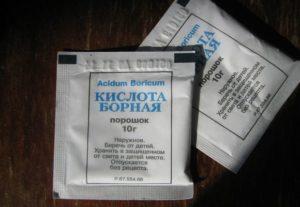
Treat cabbage with 1.5-week intervals, 2-3 times during the growing season. If folk remedies fail, try Decis or Fozalon. Dissolve 10-15 ml in water per 10 liters of water and apply the solution to the beds. Iskra is also very effective; dissolve one tablet in one bucket of water.
Related posts:
 Why cabbage leaves wilt in the garden and what to do
 Why do cucumber leaves curl inward and what to do about it?
 What to do if your pepper's leaves are curling, proper care and treatment
 Reasons why cucumber leaves turn yellow and what to do, how to treat and feed them
 Reasons why beet leaves turn yellow, care mistakes, what to do, and how to treat them
 Why do strawberry leaves dry out and curl, what to do, and how to treat them?
 Why are cucumber leaves turning yellow on the windowsill? What to do and how to treat them?
 What to do if plum tree leaves are curling, the causes of the problem, and how to treat it