
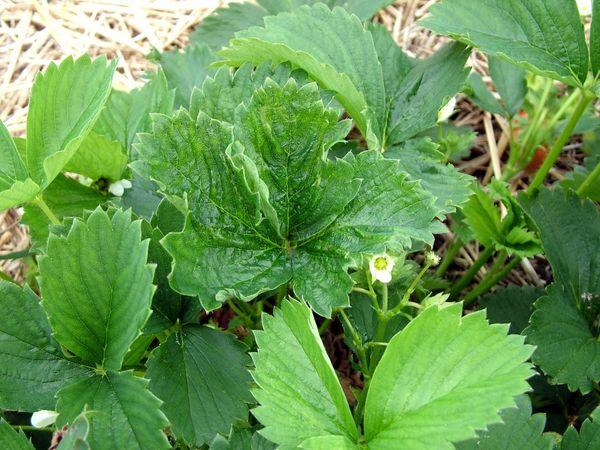
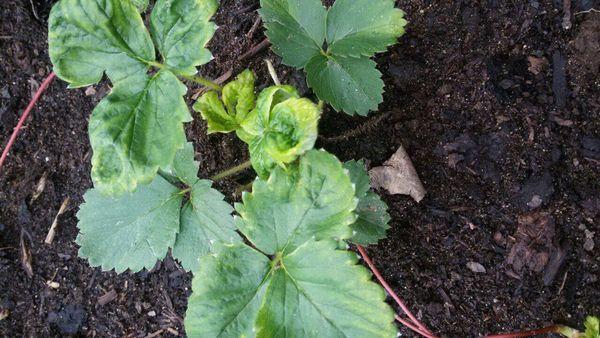
Strawberry leaves can curl when attacked by fungi or pests. Healthy bushes have clean, firm, dark green foliage. The older the strawberry plant, the greater the risk of fungal infections. Treatment involves spraying the plant with chemicals or using elevated temperatures. Timely disease prevention is recommended.
What causes sheet deformation?
The main causes of curled leaves are pests, infections, and viruses. Improper watering and excessive chemical fertilization may also contribute.
To reduce the likelihood of disease, new seedlings are carefully inspected and treated with special agents before planting.
Improper care
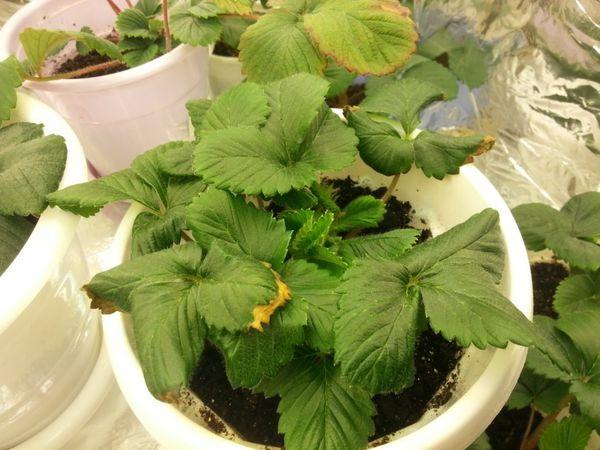
Improper care includes using the same plot for more than four years and failing to rotate crops. Leaves can curl due to lack of moisture and nutrients, as well as after chemical burns.
The lifespan of a strawberry plant is four years. During this period, it produces a bountiful harvest, requiring ample moisture and nutrients. Strawberries obtain all the necessary nutrients from the soil. Therefore, after four years, the soil becomes significantly poorer. The plant begins to experience a lack of moisture and nutrients. This becomes noticeable in its foliage. The leaf blades curl and dry out at the edges.
Moisture deficiency
When there is a lack of moisture, the plant cannot replenish its nutrient reserves, so its leaves begin to curl.
Nutrient deficiencies
If you don't fertilize the soil often enough, it will become depleted of micronutrients. When a plant lacks magnesium, its leaves will develop purple spots.
Chemical overdose
Sometimes, to ensure a bountiful harvest, gardeners use organic and mineral fertilizers. They also treat plants with chemicals to protect against pests. These include Caesar and Actofir. Urea and potassium permanganate are often used. However, overdosing on these substances can negatively impact the plants. They begin to defend themselves by curling their leaves.
If symptoms of overdose occur, stop using the chemicals.
It is necessary to constantly loosen the soil, replace chemicals with ash, mustard and other natural preparations.
Pest infestation: signs and control
To prevent mite infestation, soak seedlings in hot water for 15 minutes. The temperature should be 46°C. Then, place them in cold water. It's advisable to purchase varieties resistant to the mite.
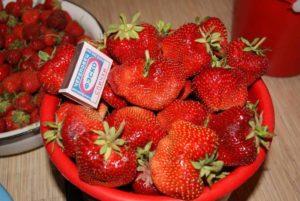
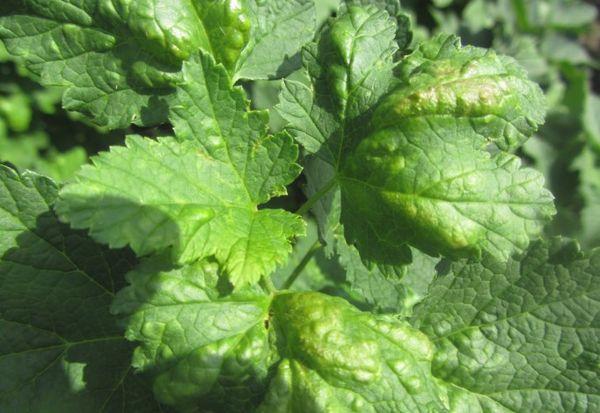
If pests are detected after harvest, cover the area with plastic sheeting on hot days. Remove the sheeting once the temperature rises to 60°C. Damaged foliage should be cut off and burned.
Spider mite and strawberry mite
Mites are impossible to spot with the naked eye. They are identified by characteristic damage. Young leaves become wrinkled, and older foliage dries and rots. Affected plants lag behind in growth and produce poor yields. Their frost resistance decreases. Mites survive the winter well, making them virtually impossible to eradicate.
This small pest cannot travel long distances on its own. Infestation occurs through shoes, clothing, or tools. The insect settles at the base of the bush and begins to suck the sap from it. The bush cannot rise to the required height, and the foliage, starved of moisture, curls up.
Spider mites and earth mites thrive in damp weather, but their numbers decline with the onset of hot, sunny days.
Aphid
When strawberries are affected by aphids, the crop begins to lag in development and becomes susceptible to viral diseases.
The appearance of a pest is indicated by:
- wilted, curled leaves;
- the appearance of a large number of ants on the site;
- the appearance of growths on the stems, their gradual drying out;
- formation of a sweet liquid on the shoots.
If aphids appear, the bushes should be treated with fungicidal compounds and folk remedies.
Aphids dislike strong odors, so consider planting garlic, calendula, or chamomile near strawberries. Planting parsley or dill will attract ladybugs, which feed on aphids.
Diseases: symptoms and treatment
During viral diseases, the plant doesn't die; it becomes low-yielding and stunted. To prevent the spread of diseases, it's important to regularly inspect the plantings, remove wilted, spotted bushes, and plant new ones in their place. Gardening tools should also be disinfected. For this purpose, use potassium permanganate or copper sulfate.
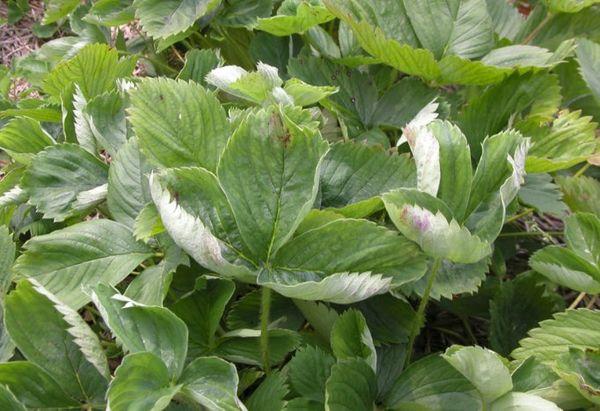
Mottled virus
The mottle virus is spread by aphids. Symptoms include the absence of young runners and white spots on the leaves. Yields are reduced by half, and berries become smaller.
Effective preventative measures include timely weeding, removal of damaged bushes, and soil fertilization. Before treating the soil with chemicals, wear personal protective equipment. Apply Tiazon or Karbotion to a depth of 15 cm. Afterward, water the area thoroughly.
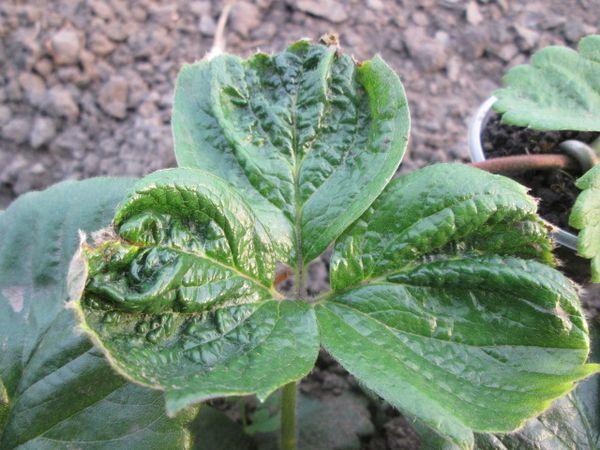
Wrinkle virus
When the disease appears, young leaves begin to curl, and spots appear on the stems. An onion or mustard infusion can help get rid of the crinkle virus.
Powdery mildew
Powdery mildew attacks plants in spring or early summer. It causes significant damage during wet periods, and can destroy up to 90% of the harvest. Affected bushes develop young, curly leaves that are dull and lighter in color. The remaining foliage curls up and darkens underneath. The plant may appear as if it's been dusted with flour. The berries are deformed, pale, and have a rotten taste.
When powdery mildew appears, the first thing to do is treat it with fungicides. These include Prognoz, Topaz, or Thiovit Jet.
The plant is sprayed in the spring when green leaves appear, at the bud stage, after harvesting and in the fall.
In early May and after fruiting, the plant can be treated with copper sulfate. To do this, add 20 grams of copper sulfate and laundry soap to a bucket of water. Green soap, which is available at garden centers, can also be used.
Leaf rust
When a bush is infected with rust, orange, brown, and russet spots appear on the leaves. These spots grow continuously, coalesce, and begin to swell. Over time, the leaves curl and dry out.
Causes of rust include growing strawberries in the same area for more than 5 years, constant shade, excessive weeds, and poor soil. Strawberries should be regularly replanted. They cannot grow in the same spot for more than 4 years. Bushes that are about 5 years old weaken and are more susceptible to disease.
To protect the plant, it should be planted in sunny areas, away from fruit trees. All damaged parts of the diseased plant should be trimmed off, but they should not fall to the ground. After pruning, the affected foliage should be burned.
Gray rot
Gray mold attacks plants in damp, warm areas. If strawberries have been growing in the same spot for a long time, the disease can affect up to 60% of the bushes. It manifests itself as a gray coating on the fruit, followed by its gradual wrinkling and rotting. Foliage on the bushes begins to develop gray and brown spots and become deformed.

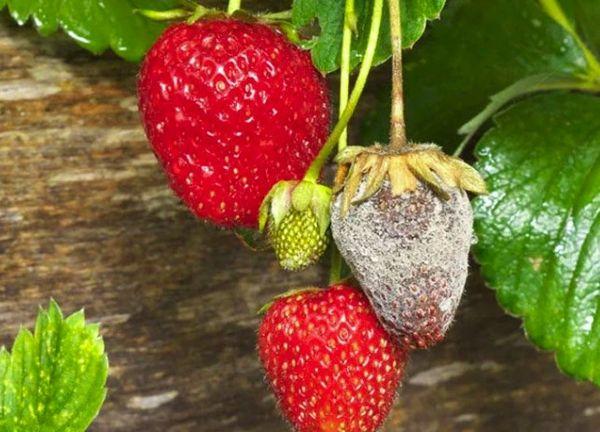
To prevent the formation of gray mold, it is necessary to regularly remove weeds and sprinkle the soil with ash or lime. Experienced gardeners often plant plant together with onions or garlicThey also recommend mulching the beds with pine sawdust or straw.
Late blight
Late blight spreads quickly and can destroy an entire crop. The disease affects the entire bush. Its first signs are noticeable on the fruit. They become tough and bitter. They then develop purple spots and dry out. Leaves then begin to curl and dry out, and the stems become affected.
Overwatering can be the cause of the disease. Late blight, like other diseases, thrives in high humidity. Also, avoid overfeeding the plant.
To get rid of late blight, it is necessary to regularly collect diseased berries, dry leaves and excess tendrils..
Strawberry varieties should be spaced a couple of meters apart. Planting should be done at a spacing of 30 x 25 cm.
Preventive measures
The main preventative measures include proper planting and care. Rejuvenating the bed is recommended every 3-5 years. Avoid choosing sites with acidic soil for strawberries. If there is no other option, take steps to normalize the soil. A year before planting, treat the soil with a lime solution or dolomite flour. Organic and mineral fertilizers are also added.
For a plant to produce a good harvest, it needs space. Therefore, there should be spaces between the bushes. This will help the plant absorb all the nutrients it needs from the soil. Periodically, remove unwanted runners, dry leaves, and weeds from the area. During the spring growth period, the plant should be fertilized and watered regularly.
It is recommended to mulch areas with strawberries – this will help prevent rapid evaporation of moisture.
Related posts:
 How to plant grapes step by step, with a description of the process and care
 How to propagate and grow peas, cultivation technology, and care in open ground
 Why do cucumber leaves curl inward and what to do about it?
 How to properly plant peas in a greenhouse and open ground
 Reasons why beet leaves turn yellow, care mistakes, what to do, and how to treat them
 Reasons why cucumber leaves turn yellow and what to do, how to treat and feed them
 Why cabbage leaves wilt in the garden and what to do
 Diseases and pests of home lemons, treatment options, and solutions