
- Causes of plum leaf curling
- Impact of external factors
- Freezing of a fruit tree
- Damage to the root system
- Excess or lack of moisture
- Deficiency or excess of nutrients
- Magnesium and iron
- Potassium
- Phosphorus
- Nitrogen
- Diseases
- Coccomycosis
- Verticillium wilt
- Chlorosis
- Pest infestation
- Plum pipe wrench
- Leaf roller butterfly
- Plum aphid
- What to do if the sheet is deformed
- Insect control
- We treat diseases
- Standardization of tree feeding and proper care
- Preventive seasonal gardening
If plum tree leaves are curling, what should you do? This question interests many people. First, it's recommended to determine the underlying cause. These can include adverse weather conditions, improper care, disease, or pest attacks. To address the problem, it's important to first determine its cause.
Causes of plum leaf curling
There are many reasons why plum tree leaves curl. To address the problem, it's important to carefully examine the tree's condition.
Impact of external factors
One of the key reasons for the development of problems is the influence of unfavorable external factors.
Freezing of a fruit tree
Sudden temperature fluctuations can cause leaf blades to change shape. This is most often caused by recurrent spring frosts. In such a situation, it's important to take prompt action—cover the plant with agrofibre or fumigate it with smoke. The leaves will gradually recover.
Damage to the root system
If the problem occurs in a young tree, the root system may be damaged during planting. To strengthen the plant, it's worth applying fertilizer. This is best done in the spring, before the sap begins to flow. Urea is used for this purpose.
For 1 tree you should take 15-20 grams of the substance.
Excess or lack of moisture
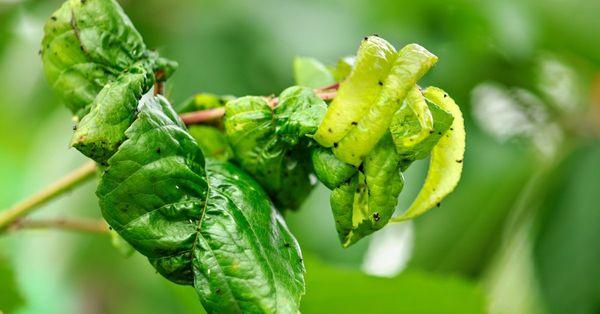
A high water table is often a contributing factor to foliage deformation. If the roots are waterlogged, the leaves begin to turn yellow and curl. Similar symptoms occur with improper watering.
Therefore, experts advise choosing a planting site carefully and avoiding low-lying areas. The best option for plum trees is a hill or embankment protected from the wind.
Problems can also be caused by a lack of fluid. Plums are considered moisture-loving plants. In hot weather, the green foliage begins to curl.
Deficiency or excess of nutrients
If the top leaves of the trees curl, you may suspect that the fertilizer application regime is not being followed.
Take a look Also
Magnesium and iron
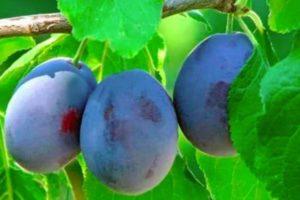
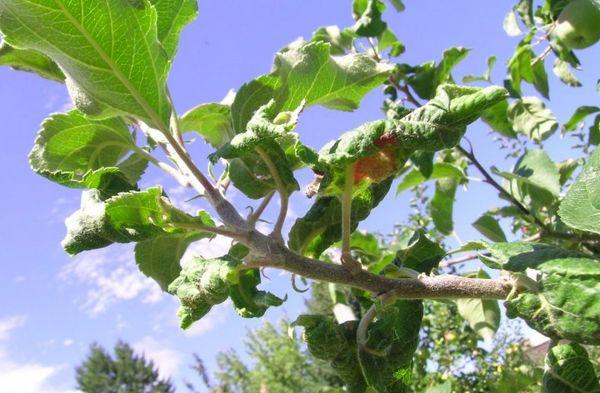
A deficiency of these elements leads to developmental problems in all stone fruit plants, and plums are no exception. Problems often arise when planting the crop in chalky or sandy soil.
Magnesium deficiency causes leaves to turn yellow, while the veins remain green. The edges curl and become wrinkled. Iron deficiency produces similar symptoms. Magnesium deficiency affects mature leaves, while iron deficiency affects young leaves.
Potassium
A persistent potassium deficiency causes plant infertility and can even lead to plant death. To determine if a deficiency is present, pay attention to the condition of the leaves.
At first, they become covered with a yellow border, then curl upward. A bluish tint appears on the foliage. Gradually, the foliage turns black, but does not fall off. Potassium requirements peak in early summer.
Phosphorus
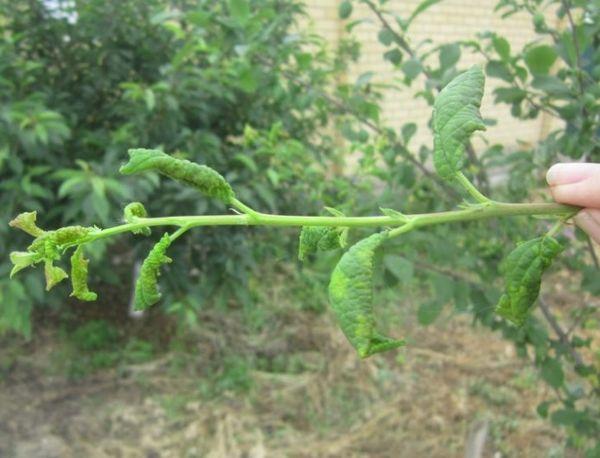
Without sufficient nutrients, plum trees develop poorly. The tree experiences sparse flowering and massive fruit drop. At the beginning of summer, the leaves retain their natural hue. But with the onset of autumn, their veins turn red. Gradually, the leaf blades turn completely red, curl, and dry out.
Nitrogen
A deficiency of this substance hinders tree development. An excess of this element also negatively impacts the plum tree's health. The plant actively grows green mass. At the same time, the foliage becomes enormous and takes on a crimson hue.
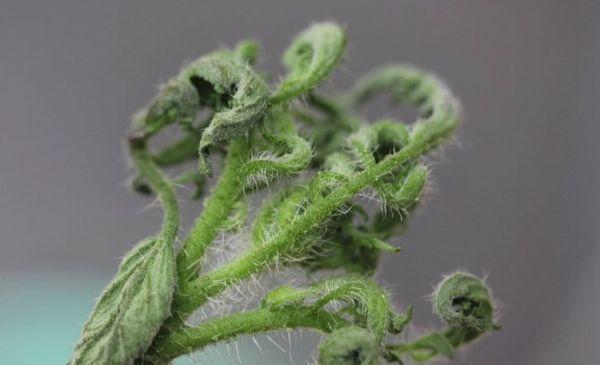
Numerous spirally twisted leaves can be seen at the top of the tree. This plant rarely flowers or produces fruit.
Diseases
Various diseases are often the cause of foliage deformation and drying. Chemicals can help combat these.
Coccomycosis
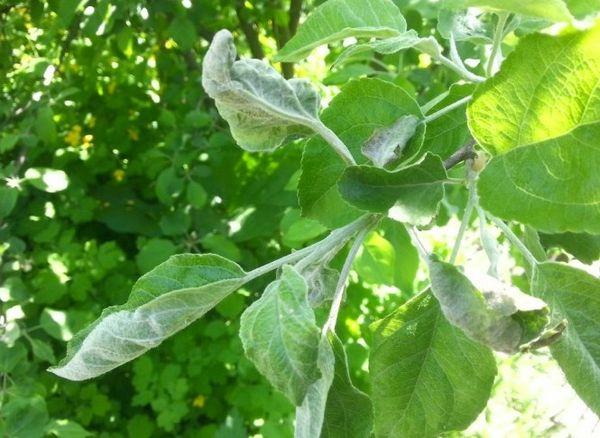
As the disease progresses, the leaves become covered with small red spots. These then merge and cover the entire leaf blade. The leaves then curl. If you unroll them, you can see spores. Damp weather favors the spread of the fungus.
Verticillium wilt
The disease is caused by a fungal infection. Its spores can overwinter in the soil. The mycelial growth blocks the plant's nutritional supply. As a result, the foliage gradually turns yellow and curls, eventually dying and falling off.
Chlorosis
The disease develops due to a disruption in chlorophyll synthesis. Affected foliage turns yellow and then brown. It curls into tubes and turns black. The leaf edges dry out. Gradually, chlorosis affects young branches and the trunk. As a result, the shoots become brittle and break easily.
Pest infestation
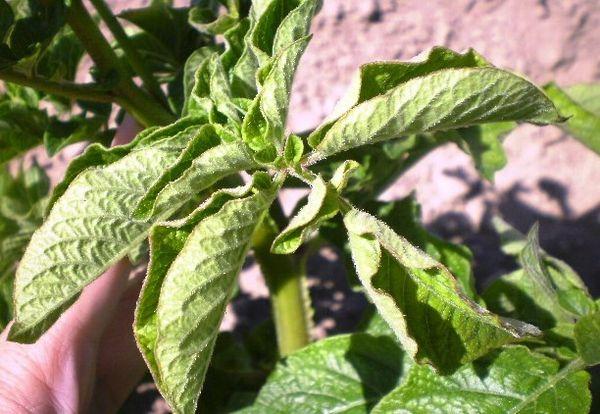
Deformation and curling of leaves is often observed when plums are damaged by harmful insects.
Plum pipe wrench
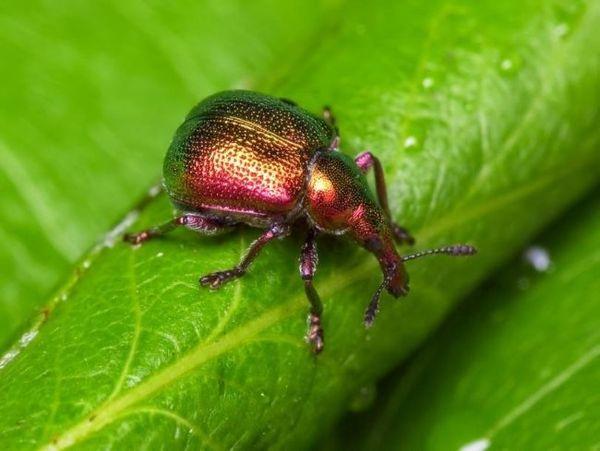
This insect reaches 2-10 millimeters in length and resembles a weevil. Females lay eggs on leaves. When the larvae hatch, the leaves curl into a tube and gradually die.
Leaf roller butterfly
Adult insects do not harm plum trees. Caterpillars pose a threat to the tree. Several generations of pests emerge during the season. The eggs overwinter in bark crevices, and in the spring, caterpillars emerge. As a result, they damage buds, flower buds, and leaves. It's important to note that the caterpillars absorb leaf sap, causing leaf deformities.
Plum aphid
These are small insects that grow up to 2.5 millimeters in length. Aphids settle in large colonies on the undersides of leaves and absorb their sap. Young shoots are particularly susceptible. In severe infestations, the leaves curl into clumps.
What to do if the sheet is deformed
To deal with leaf curvature and twisting, it is recommended to determine the causes of the problems.
Insect control
Insecticides are considered the most effective pest control. It's important to remember that after using them, plums should not be eaten for one month. If the tree is only slightly damaged, curled leaves can be picked and burned. This will help prevent the spread of pests.
Biological pesticides aren't always effective when there's a large pest infestation. They're used when there's little time left before harvest. These products help temporarily suppress pest activity. After harvest, more potent pesticides should be used.
Effective medications include the following:
- Lepidocide is a biological agent that effectively controls leaf rollers. It should not be used within five days of harvest. The pests die within a week.
- Green soap helps control aphids and caterpillars that infest leaves. Applying it to plums in the fall kills larvae and eggs.
- Akarin can be used to control aphids, leaf rollers, and tuberculosis. Pest activity ceases within 12 hours.
- Fitoverm is a universal product for controlling leaf rollers, leaf rollers, and aphids. The pests cease to be active after 24 hours, but complete eradication takes 7 days.
We treat diseases
If fungi are the cause of leaf deformation, the tree should be treated with fungicides. Products such as Topsin M, Kuprozan, and Vitaros are used for this purpose.
If the upper branches are affected by verticillium wilt, the tree will need to be removed and burned. The soil should be treated with a 2% solution of Carbation.
Standardization of tree feeding and proper care
Fertilizers should not be applied during the first year of life. This is especially true for nitrogen-based fertilizers, which stimulate active root and shoot growth. In this situation, the tree will simply freeze. Organic fertilizers are applied at three-year intervals.
In addition, the tree requires regular crown shaping, soil loosening, and weed removal. In areas with harsh winters, the tree should be insulated.
Preventive seasonal gardening
To prevent disease and pest infestations, it's important to maintain cleanliness. Plum trees should be pruned regularly, removing diseased and dead branches. Keeping the tree's trunk area clean, watering it properly, and cleaning garden tools is also crucial.
To destroy parasite eggs and larvae that remain in bark and fallen leaves over winter, follow these steps:
- collect and destroy leaves;
- clean the bark with a stiff brush;
- treat the wood with universal chemicals;
- cover the trunk and skeletal branches with garden paint.
Plum leaf curling is observed quite often and can be associated with the influence of various factors. To deal with the problem, it is recommended to promptly identify the cause and take measures to eliminate it. Strict adherence to agricultural recommendations is of no small importance.
Related posts:
 What to do and what is the best treatment if the leaves on a pear tree turn black?
 Methods for planting and propagating cherries at home
 Conditions for growing mandarin at home and rules for caring for the tree
 Reasons why cucumber leaves turn yellow and what to do, how to treat and feed them
 Growing and caring for hazelnuts in open ground, rules for planting hazelnuts
 What to do if your pepper's leaves are curling, proper care and treatment
 Causes and treatment of eggplant pests and diseases, how to combat them at home
 Peach tree care and agricultural secrets, pest control