
It's best to consult a specialist to determine whether it's possible to plant cabbage in July. This question is of interest to many gardeners. Agricultural experts claim that June is the best time to plant cabbage, as it's the best time to get a good harvest. However, if you start growing cabbage in late June or July, you should consider several factors that could lead to yield losses.
What variety is planted in summer?
Cabbage grows in virtually all climate zones. This vegetable is not only eaten or preserved for the winter, but also used medicinally due to the micronutrients it contains. Cabbage leaves can reduce inflammation and strengthen the immune system.
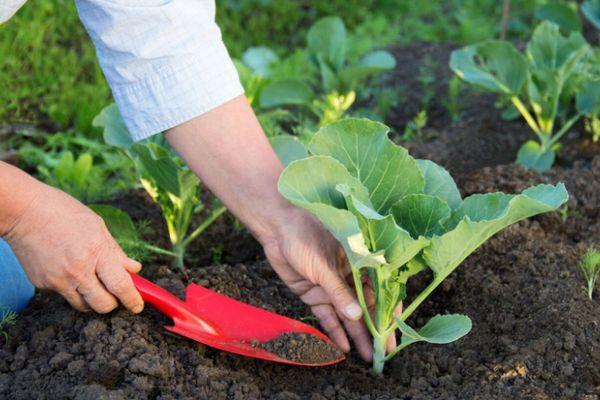
According to ripening time, cabbage is divided into the following types:
- Early ripening hybrids with a growing season of 40-55 days.
- Varieties with medium ripening periods, whose vegetative period lasts 35-45 days.
- Late-ripening plants that grow for 30-35 days before sowing in the ground.
Most gardeners grow white cabbage in their plots. It, along with Brussels sprouts, is part of the group of cabbage hybrids. However, some gardeners prefer to grow cauliflower, asparagus varieties, or Romanesco cabbage. In addition to these vegetables, farmers also plant kohlrabi, kale, and Savoy, Napa, and Chinese cabbage varieties in their gardens.
Which of the described cabbage varieties to grow in July is up to the gardener. To obtain seedlings, it's important to choose the right time for sowing the seeds. The timing depends on the region where the vegetables are being planted. If a gardener lives in southern Russia, then mid- to late February is the best time to sow seeds for seedlings. In central Russia, this operation is carried out in early to mid-March. In Siberia and the Far North, seeds are sown in the first ten days of April.
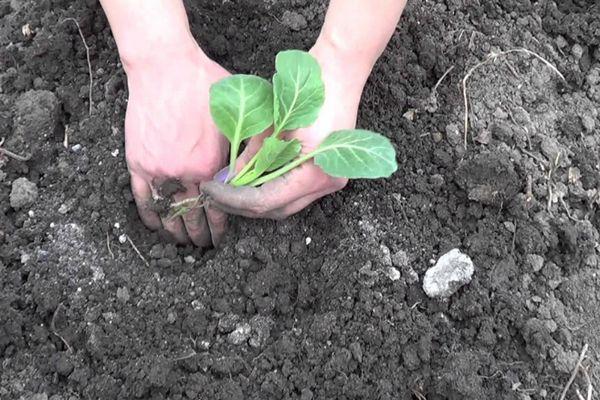
Some of the cabbage varieties described can be planted for seedlings twice a year. Some of these hybrids are recommended for seedlings in July. June sowings to obtain young seedlings are used when cultivating varieties such as Chinese cabbage, early white cabbage, and Chinese cabbage. Planting kohlrabi seeds for seedlings in June yields a large harvest. All of the above-mentioned cabbage varieties should be planted in the ground before July 15.
If a farmer wants to grow greens for salads, it's recommended to plant only Chinese and Peking varieties of the vegetable throughout July. Other varieties don't tolerate hot summer weather, so attempting to plant them will result in a lost harvest.
The Pros and Cons of Planting Cabbage in Midsummer
Experts advise gardeners not to delay planting seedlings until July, as hot, sunny days arrive in almost all regions at the end of the month. Under such conditions, cabbage sprouts die from the intense heat. The length of daylight hours also negatively impacts seedlings, inhibiting the development of the heads.
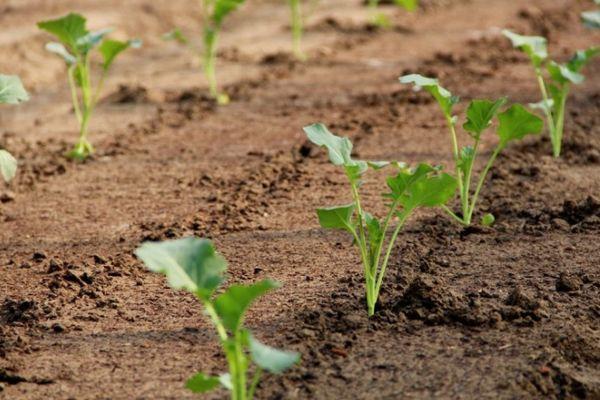
Late-ripening hybrids (cabbage or cauliflower) planted in June or July produce good yields with proper care. Their seeds are sown in April or May, allowing the seedlings to establish themselves and easily withstand the summer heat. Early-ripening hybrids are less adapted to summer heat, so it's best not to plant them in June or July.
If gardeners don't have time to sow vegetables on time, it's recommended to plant seeds of mid- or late-ripening hybrids (kohlrabi, Pekingese, or Chinese varieties) in the first ten days of June. Then, the harvest will be in early October. In most regions of Russia, farmers plant cabbage twice, especially late-ripening varieties. Salad hybrids are less common.
For sowing in July, it's best to choose leafy cabbage varieties. Early hybrids of the Chinese or white cabbage subspecies are sown for seedlings in mid-May or the first ten days of July. This is best done in areas where onions, garlic, or early potatoes were grown. Before planting cabbage seedlings, it's recommended to thoroughly fertilize the soil and water the beds generously. Afterward, loosen the soil and then treat it with disinfectants to prevent fungal or bacterial infections from spreading to the young cabbage seedlings.
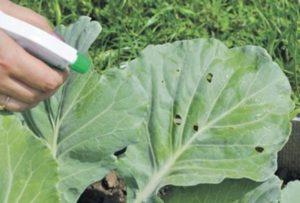
Recommendations for growing cabbage in summer
Experts recommend that gardeners follow certain rules when planting cabbage hybrids in mid-summer, otherwise they may lose their harvest.
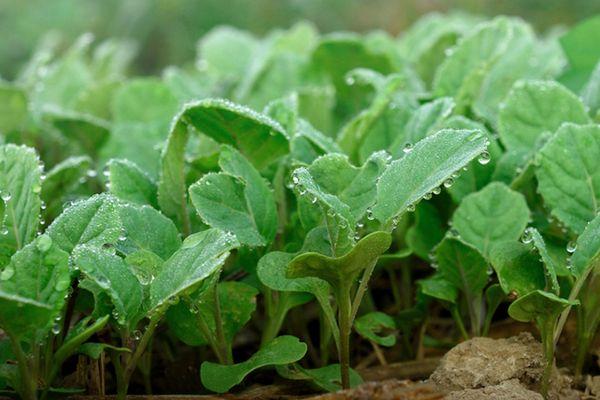
First, you need to select a location in the existing seedbed. A shady, well-ventilated, and preferably cool spot is ideal for cabbage. When sowing late, it's recommended to plant the seeds directly into the permanent beds.
Cabbage seedlings survive and grow well only at temperatures of +16…+18°C. Do not allow the temperature for cabbage seedlings to rise to +22…+24°C. This will sharply slow down the development of plants, and with a further increase in temperature will cause the death of the seedlings.
To ensure successful growth of hybrids, seeds should be planted in fertile, loose, well-moistened soil. If the cabbage plot is small, water the plants moderately once a day. For larger areas, experts recommend using drip irrigation.
To prevent soil from forming lumps after watering, plant breeders advise gardeners to mulch the soil. This will protect the soil from drying out and allow the plant's root system to oxygenate. Seedlings will grow faster because the roots will be able to increase the supply of essential micronutrients.
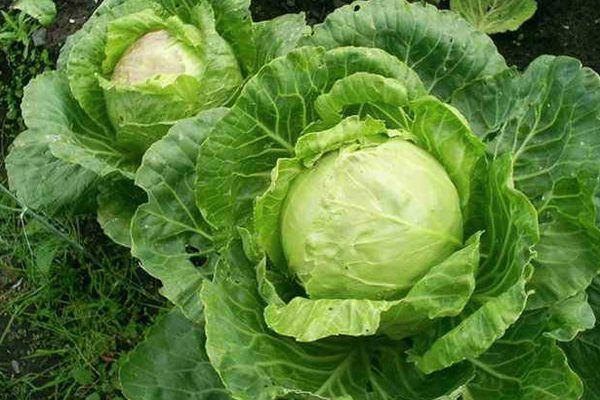
Cabbage plants need to be fertilized with organic fertilizers. Bird droppings or manure are recommended for this purpose. Other types of fertilizers can be used, but a combination of mineral and organic mixtures is best.
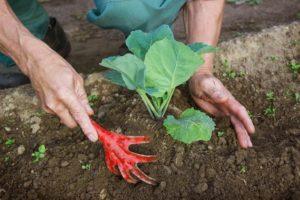
If the gardener prepared the seedlings and then transplanted them into permanent soil, all long leaves should be pinched off. It is recommended to leave only 1-2 young leaves in the center. The seedlings are planted in the evening. The holes should be watered thoroughly. They should be deep enough to reach the junction of the roots and stems.
It's important to know that daylight hours begin to shorten in July, so when cabbage is planted in midsummer, the heads of cabbage varieties don't curl properly, resulting in a 30% yield loss. Therefore, experts recommend gardeners cultivate leafy greens and salad hybrids in July. They thrive during periods of slightly shorter daylight hours, but don't like hot weather.
Related posts:
 Is it possible to plant carrots in July or at the end of June? What are the best days and care instructions?
 Planting, growing, and caring for cauliflower in open ground and greenhouses
 Why does cabbage grow tall in the garden and what can be done about it?
 Why cabbage leaves wilt in the garden and what to do
 Growing and caring for Chinese cabbage in open ground and greenhouses
 Growing and caring for broccoli in open ground and greenhouses
 Why do cabbage leaves turn purple and what can be done to treat them?
 Can cabbage be sprayed with valerian to control pests and what are the treatment guidelines?
You can grow a second harvest, but you just need to immediately select a variety with a minimum ripening period and choose the right fertilizer, I use BioGrow, an excellent remedy