
- What micro- and macroelements do sweet peppers like?
- Signs of nutritional deficiency in plants
- What to feed for good growth and fruiting
- Mineral fertilizers
- Organic fertilizers
- Folk remedies
- Watering with green mash
- Onion peel
- Banana peel
- Bird droppings based fertilizer
- Ash-based fertilizer
- Yeast fertilizers with iodine
- Eggshell feed
- Timing and technology of fertilizer application
- After sowing
- After picking and planting seedlings in open ground
- Top dressing during flowering, fruit setting and fruiting
- During flowering
- During fruit setting
- During fruiting
- Feeding rules
To grow strong and healthy seedlings, bell peppers require timely fertilization. Providing the plant with all the necessary nutrients early on helps it quickly adapt to adverse environmental conditions. Therefore, it's important to know what to feed bell pepper seedlings with.
What micro- and macroelements do sweet peppers like?
Certain substances affect the growth and development of vegetables:
- Nitrogen. The crop needs nitrogen most before and after flowering, when fruit begins to form.
- Phosphorus. Vegetables need this element during root formation. Young peppers lack the ability to draw phosphorus from the soil through their roots.
- Potassium. The only element that must be present in a plant throughout its entire life in the garden.
- Water. Peppers are a moisture-loving vegetable crop. Bell peppers especially require abundant and frequent irrigation during fruit formation. Watering should be reduced if there is frequent, even light, rainfall.
Gardeners and vegetable growers who have been growing vegetables for a long time say that peppers require constant feeding. This, in turn, is directly related to yield. If a person “feeds” the pepper well, then at the end of the season he will collect a lot of fruits.
Signs of nutritional deficiency in plants
Bell peppers react differently to nutrient deficiencies. You can tell which nutrient is missing by its appearance:
- The bushes are not growing, and noticeable wilting of the leaves indicates a copper deficiency.
- The lower leaves lighten to almost white - the crop needs nitrogen.
- The appearance of purple veins on the leaves indicates a lack of phosphorus.
- Lightening of the leaves at the top of the bushes indicates a lack of iron.
As soon as at least one of the symptoms listed above is noticed, begin fertilizing immediately. The fertilizer must contain the specific nutrients the pepper plant needs at the given time. Applying the right fertilizer at different stages of the plant's development will help ensure healthy seedlings, which will guarantee a good harvest in the future.
What to feed for good growth and fruiting
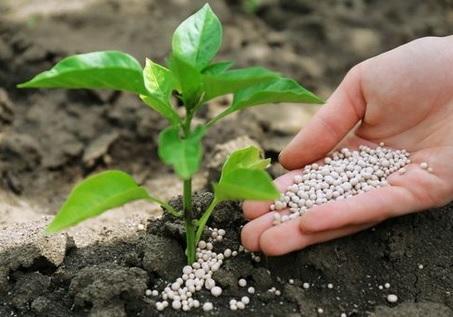
Fertilizers for bell peppers come from a variety of sources. There are mineral and organic compounds, as well as those made from natural ingredients.
If a person wants the sprouts to be plump, do not forget about fertilizers.
Mineral fertilizers
This type of fertilizer contains everything peppers need. Many different mixtures are available on the market. Mineral fertilizers typically come in powder form. However, only liquid fertilizers are used. The dry mixture is diluted with water, after which the plants are watered.

Organic fertilizers
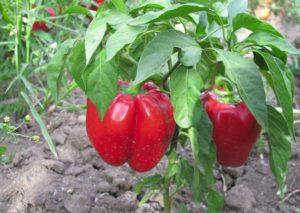
This type is intended exclusively for gardeners who prefer to avoid chemical-based fertilizers. People throw away food scraps every day, without even realizing that they could be excellent food for peppers. These include banana peels and tea leaves.
Eggshells can also serve as a good fertilizer.
Folk remedies
People often prefer natural fertilizers. They are excellent for feeding seedlings. Numerous recipes for such fertilizers have been developed. The advantage of folk remedies is that they can be prepared at home.
Watering with green mash
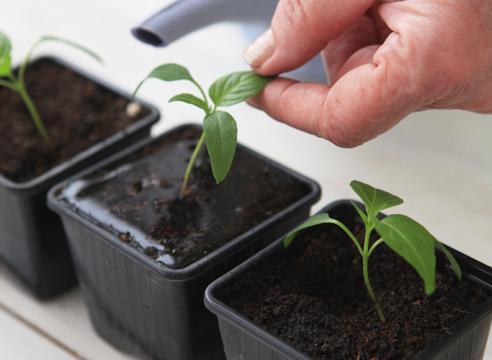
One of the best fertilizers is considered to be an infusion of various herbs. To prepare it, the herbs are chopped and poured with water. After a week, the mixture is ready for watering.
Typically, 500 ml of liquid is used for each young plant. The nutrient tincture is prepared from:
- nettles;
- coltsfoot;
- dandelion.
The infusion for watering is prepared from one ingredient or from a whole bouquet of different herbs.

Onion peel
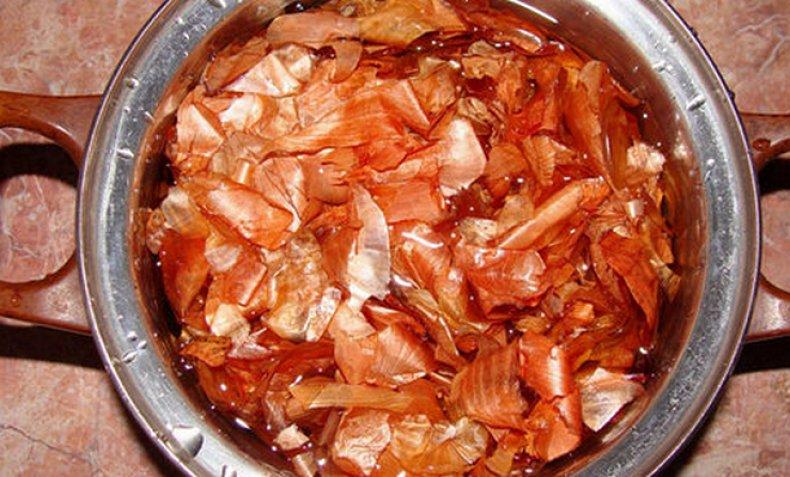
After peeling onions, a lot of peeling remains. Housewives shouldn't rush to get rid of it. The scraps can be used to create a good fertilizer for bell peppers. The infusion is prepared as follows: onion peels are poured with warm water. The ingredients are left to infuse for a week.
Before watering, strain the liquid and dilute it with plain water. Just 50 ml of solution is needed per bucket of water. The onion peel infusion effectively disinfects the soil and enriches it with nutrients.
Banana peel
The peels of two bananas make excellent fertilizer for bell peppers. Cut them into slices and soak them in water. You'll only need 3 liters. Feed the plant with the resulting liquid during the growing season. Water three times a week. Banana peels contain a lot of potassium, which is essential for healthy growth.
Bird droppings based fertilizer
The fertilizer is easy to prepare. Collected bird droppings are diluted with warm water. The resulting liquid is used for irrigation.
Ash-based fertilizer
Burning pruned fruit tree branches leaves behind ash residue. This makes an excellent fertilizer base. For 5 liters of fertilizer, you'll need 3 tablespoons of dry matter.

The liquid is thoroughly mixed to ensure the ingredients blend and create a homogeneous liquid. After steeping for 24 hours, the solution is filtered. The resulting fertilizer is then used to water the vegetable sprouts.Experienced gardeners advise sprinkling seedlings with ash before each fertilizing. It's prohibited to prepare fertilizer from ashes left over from burning branches infested with pests.
Yeast fertilizers with iodine
The prepared infusion is considered not only a fertilizer but also a medicinal plant remedy. Watering peppers with a solution of these ingredients prevents the growth of fungus if it has taken hold. The mixture is easy to prepare and is within the skill of even a novice gardener. The yeast mixture is prepared by mixing 130 g of sugar, 100 g of fresh yeast, and 3 liters of warm water. Allow the solution to ferment. After fermentation, 20 ml of the mixture is diluted in 1 liter of water, and the resulting solution is poured onto the plants.
Take a look Also


Iodine-based fertilizer can also be prepared at home. Add 1-2 drops of iodine to 1 liter of water. For a more effective solution, add 120 ml of whey. Gardeners often wonder how to feed plants with this fertilizer. The prepared solution is then watered over the seedlings. Yeast- and iodine-based fertilizers enhance flowering, thereby increasing yields.
Eggshell feed
Don't throw away the remaining eggshells. They're dried and ground into powder. The eggshells are poured into a jar so that they fill a third of the container. A three-liter jar is used for this purpose. After a while, the powder begins to emit a sulfuric smell. This indicates that the fertilizer is ready. Dilute 1 tablespoon with water before watering the plants.

Peppers require this type of nutrition during growth and the formation of their first fruits. Eggshells are rich in magnesium, calcium, and phosphorus. This mixture helps peppers grow and develop fully.
Timing and technology of fertilizer application
It's important to know when to apply a particular fertilizer. Otherwise, instead of a positive result, you'll get the opposite. Peppers are fertilized after sowing the seeds to produce seedlings. The final application of fertilizer occurs when the fruit ripens.
After sowing
Young shoots are fed in two stages. The first treatment occurs when the first leaves appear. The fertilizer should contain potassium and nitrogen.

The second application is done 1-2 weeks before planting the plant in its permanent location. The nutrient mixture contains micro- and macroelements, as well as phosphorus. The solution is carefully poured onto the soil around the stem. If any splashes of the mixture get on the leaves, rinse them off with water.
After picking and planting seedlings in open ground
When preparing the holes for peppers, fertilizer is added to the soil. Manure solution, potassium chloride, or superphosphate are used for this purpose. Individual elements are added, or a complete mixture is prepared, including ash.
During the season, sweet-fruited bushes are fertilized twice a month. Fertilizing is done 10-12 days after planting in open soil. Warm water is used when preparing the solutions.
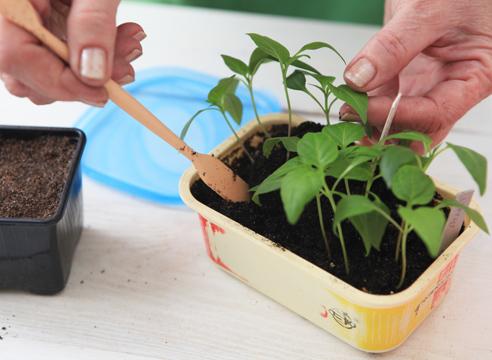
If the weather is unfavorable and there are few sunny days, peppers need more potassium. Ash diluted with water can help replenish this nutrient. To avoid nutrient deficiencies, experienced gardeners recommend fertilizing peppers with Riga mixture once per season.
Top dressing during flowering, fruit setting and fruiting
It might seem that vegetables only need feeding during growth. This is a misconception. Peppers need to be nourished with nutrients even as the fruit ripens.
During flowering
Flowering and fruit set depend on the amount of potassium in the soil. If it's insufficient, the bushes will produce few or no flowers. Therefore, during flowering, peppers are fertilized with a potassium-based mixture. This can be dry potassium or urea; one option is diluted in a bucket of water. Just 1 teaspoon is enough.

Peppers need fertilizing not only in open ground but also in greenhouses. Organic fertilizers such as "Dachnik" or "Ecohuminat" are ideal for this purpose. They stimulate fruit development.
Fertilizing with these preparations is done in dry form. A small amount of powder is sprinkled under each bush. The final step is watering the plants.A nettle-based solution is a natural fertilizer and can also be used for feeding during flowering.
During fruit setting
At this stage, vegetable plants rely exclusively on calcium, magnesium, and phosphates. Therefore, these components should be included in prepared or purchased fertilizers. It is not recommended to exceed the recommended fertilizer dosage, especially if the fertilizers are chemical.

Fertilizers are also prepared at home. All the listed nutrients are found in eggshells. The mixtures are added to the soil during fruit set and development.
During fruiting
When the crop is in the ripening stage, attention should be paid. Fertilizer may not be necessary. If the plants appear healthy, the crop ripens quickly, has excellent color, and is perfectly shaped, fertilizer is not needed. To accelerate pepper ripening and ensure uniform fruit production, consider applying potassium salt and superphosphate fertilizer. No more than 2 teaspoons of the dry mixture are diluted in a bucket of water.
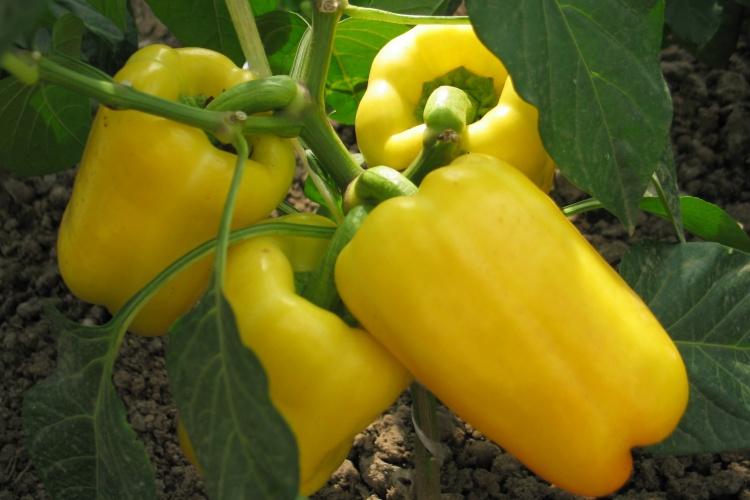
Peppers grown in greenhouses are fertilized after the first harvest. Chicken manure or poultry manure is used for this purpose. The ratio of the chosen component to water is 1:1. The water should be cold.
Feeding rules
To ensure the feeding process is successful and effective, it is important to remember a number of rules:
- Don't fertilize the seedlings immediately after transplanting. The root system needs time to establish itself. This usually takes at least two weeks.
- When watering, the solution should only fall on the soil. Avoid splashing drops on the plant's surface.
- The water used for irrigation should be at room temperature. Cold water has a negative impact on the root system.
- For the procedure to be successful, it is carried out in the morning or evening hours.
Many gardeners are daunted by the thought of fertilizing their peppers. These are typically inexperienced gardeners just learning the intricacies of growing peppers. It's easy to do; the main thing is to follow the rules, and your pepper plants will reward you with juicy, aromatic, and delicious fruits.
Related posts:
 Description of the best varieties of ornamental peppers, growing and caring for them at home
 Planting, growing, and caring for peppers in open ground in the Moscow region: the best varieties
 TOP 40 New Year's 2020 Meat Recipes Using Pork, Beef, Chicken, and Lamb
 TOP 40 Hot Dish Recipes for New Year 2020: What to Cook
 How to grow peppers from seeds at home: choosing a variety, planting, and care
 10 simple Armenian-style pickled hot pepper recipes for the winter
 Description of the best pepper varieties for greenhouses and open ground in 2025
 Why are pepper leaves turning white? What to do and how to feed them in a greenhouse and in the ground.