
- What's good about sweet thick-walled peppers?
- Where the crop is used: characteristics of the fruits
- Care and Growing Tips
- How to plant a crop
- Irrigation system and fertilizer requirements
- How to shape a bush
- Preventing diseases and pest infestations
- The most popular and sought-after varieties of thick-walled peppers: characteristics and descriptions
- Beloserka
- Anastasia
- California Miracle
- Kolobok
- Siberian format
- Player
- Jupiter
- Stanley F1
- Alligator
- Bandai
- Alexey
- The Fat Baron
- Big Boy
- Golden calf
- Fatso
- Little Red Riding Hood
- Bon appétit
- Nugget
- Ural
- Belladonna
- Cube
- Cypress
The thickness of a pepper's pericarp is a factor that determines the product's culinary qualities. The thicker and juicier the pepper's wall, the more profitable it is to cultivate a particular variety. The range of thick-walled sweet pepper varieties from various breeds is extensive, with producers offering a variety for both open-field and greenhouse cultivation. Peppers with walls between 6 and 15 millimeters are considered thick-walled.
What's good about sweet thick-walled peppers?
Sweet, large-fruited, thick-walled peppers are a storehouse of vitamins, ideal for making vitamin-rich salads, freezing, and stuffing. Professional gardeners who cultivate peppers commercially prioritize thick-walled varieties. It's much more profitable to grow varieties with a higher specific weight and excellent flavor.
Where the crop is used: characteristics of the fruits
Sweet pepper fruits differ not only in the thickness of the pericarp, but also in shape:
- pyramidal;
- rounded;
- cubic;
- conical;
- prismatic.
Note: Fruit colors can vary: red, yellow, green, burgundy, purple, and cream. The color of the vegetable depends on the variety.
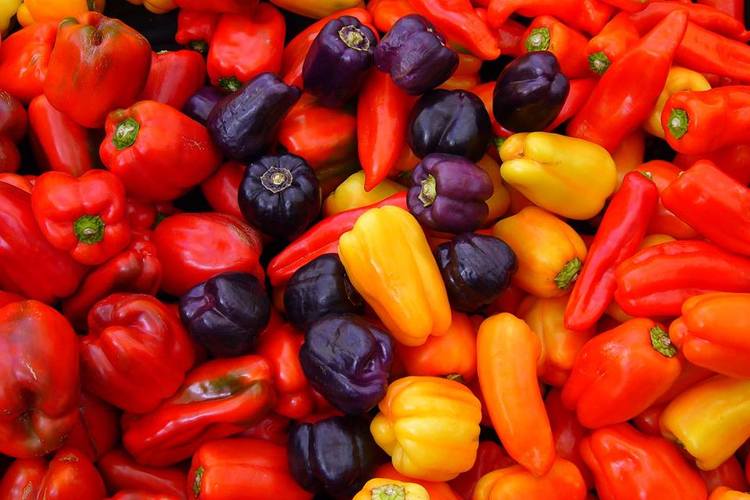
The surface of a ripe pepper can be ribbed or glossy and smooth. Large-fruited varieties do not guarantee the presence of a juicy pericarp larger than 6 millimeters.
To avoid making a mistake in your choice, it is important to carefully read the description and varietal characteristics of the vegetable crop.
Care and Growing Tips
Pepper is a vegetable crop that requires precise temperature control, proper care, and regular watering. Cold and drafts are detrimental to the plant.
Recommendations and tips for growing peppers in open ground:
- The predecessors of crop rotation are legumes.
- Peppers need to be watered directly at the roots with warm, but not hot, water.
- After watering, loosen the soil, but with extreme caution: the roots are located close to the surface and must not be damaged.
- The bushes need to be stepsoned and the tops pinched.
- Some varieties of pepper need to be tied to stakes.
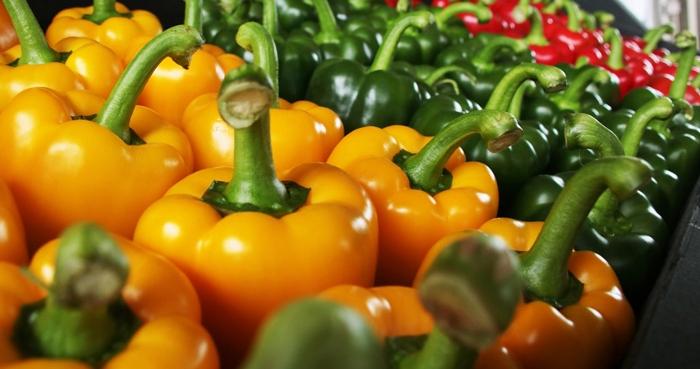
Note: Pepper plants require regular fertilization with organic and mineral fertilizers. After loosening the soil, the plants can be top-dressed with compost mixed with sand and ash.
How to plant a crop
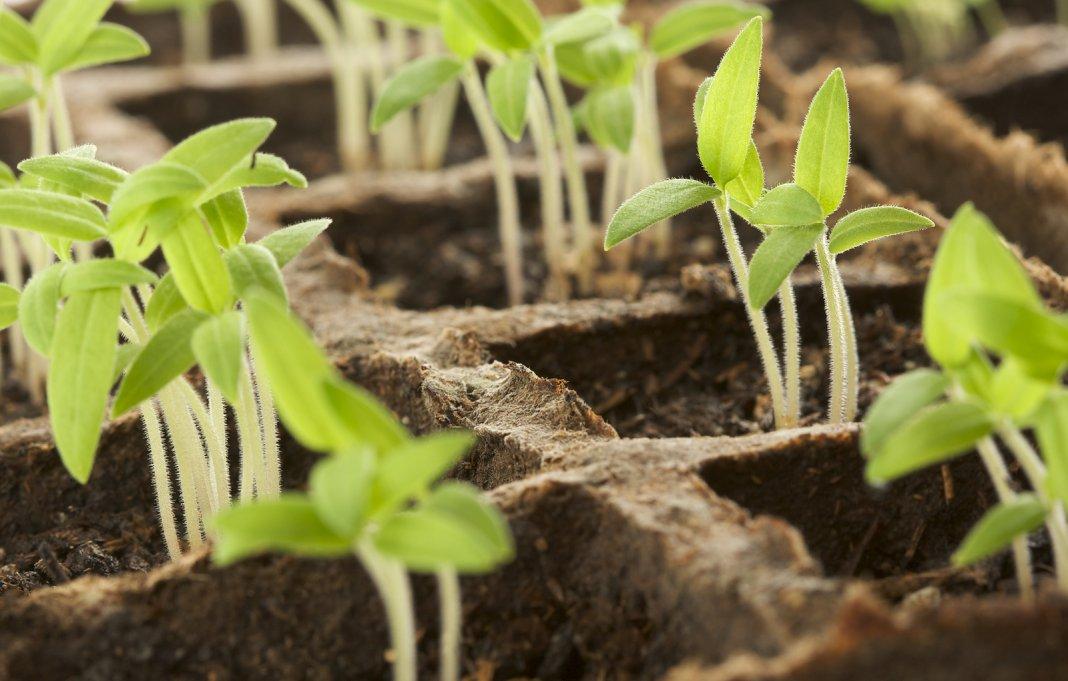
In early spring, young pepper plants should be planted in exposed soil after the risk of cold weather and frost has passed. During cold nights, the seedlings should be covered with agricultural fabric. Planting pattern: 50 centimeters between plants and 50-60 centimeters between rows. Add a nutrient-rich mixture of humus, sand, and ash to each hole. Carefully spread the roots of the seedlings, cover them with soil, and water.
Irrigation system and fertilizer requirements
Well-rotted manure and poultry manure are used as fertilizers for pepper crops. Special balanced mineral complexes are available at farm supply stores. Foliar feeding can also be used, such as spraying the plant leaves with mineral solutions.
Two to three weeks after planting the pepper seedlings in their permanent location, the first feeding is performed. These treatments are repeated during the budding and flowering stages.
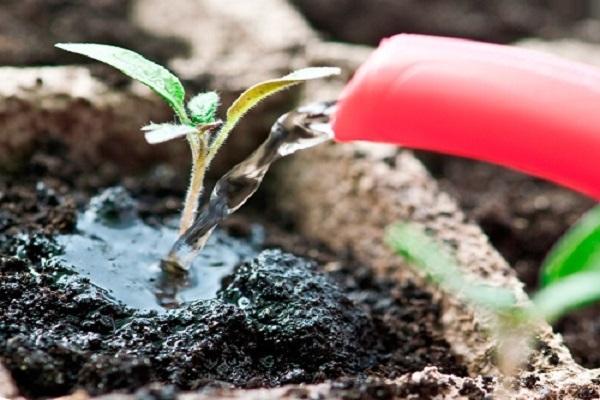
Peppers don't tolerate drought; watering should be done at the roots regularly. Mulching the beds with freshly cut grass or sawdust will help the soil retain moisture longer.
How to shape a bush
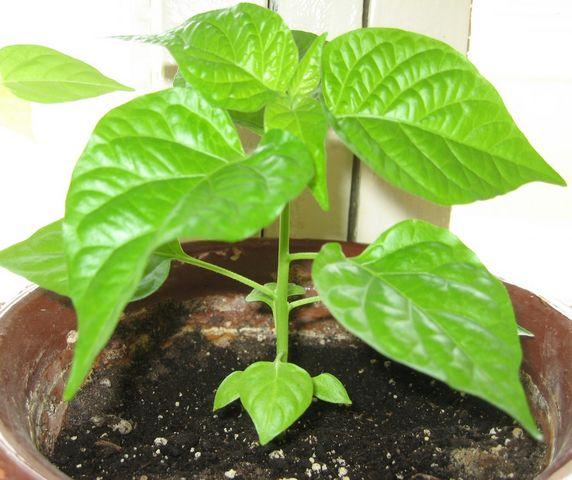
The need for pinching and shaping depends on the pepper variety chosen. Removing excess shoots and pinching the tops allows for a more efficient redistribution of nutrients. The plant's energy should not be lost to foliage; it should be channeled into the fruit.
Stages of pepper formation:
- removal of the top bud;
- pinching out stepsons;
- trimming excess leaves;
- pinching of skeletal branches.
Preventing diseases and pest infestations
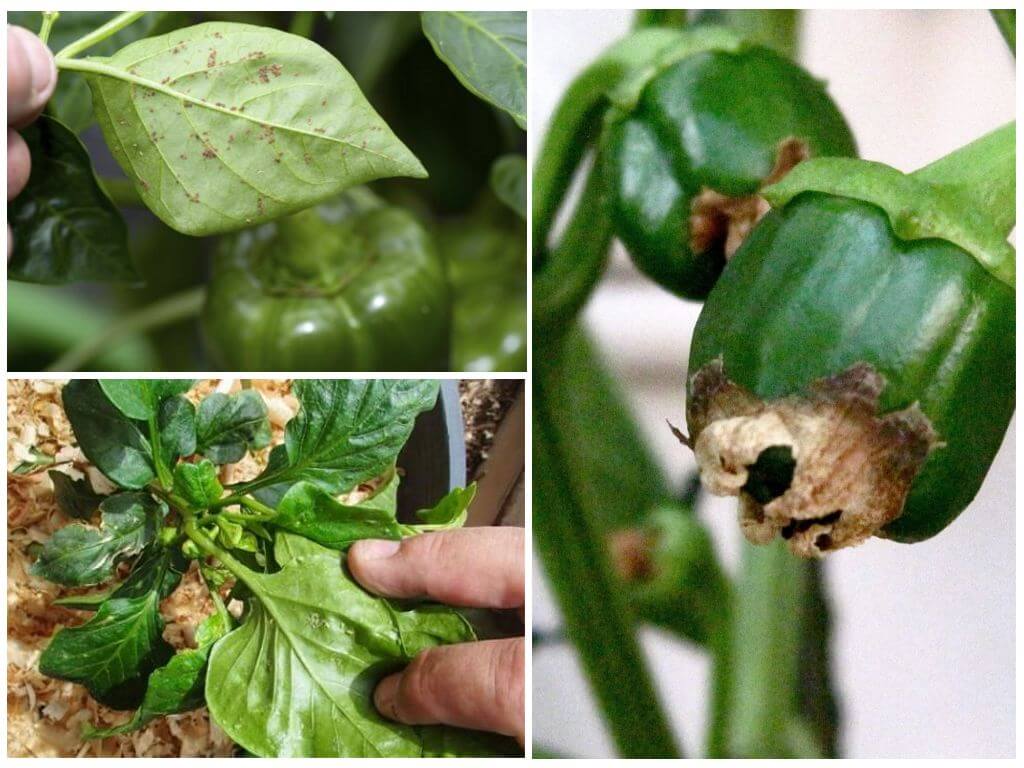
Pepper crops grown in unprotected soil are susceptible to diseases such as gray and white rot, black leg, alternaria, tobacco mosaic, and powdery mildew.
If fungal diseases have already occurred, soil should not be reused. To avoid problems, preventative measures should be taken:
- Before planting seedlings in the ground, treat the soil with a solution of potassium permanganate, iodine or brilliant green.
- After watering, sprinkle the beds with wood ash once a week.
- Plant fragrant plants next to the pepper beds: dill, mint, marigolds.
- Choose varieties that are resistant to various diseases.
If there are strong signs of infection, treat the plantings with medicinal preparations: Skor, Fundazol, Fitosporin.
The most popular and sought-after varieties of thick-walled peppers: characteristics and descriptions
A rational approach to variety selection is the key to a successful future harvest. Navigating the diversity of options quickly and correctly is difficult, as breeders offer a vast selection of seed materials.
Beloserka
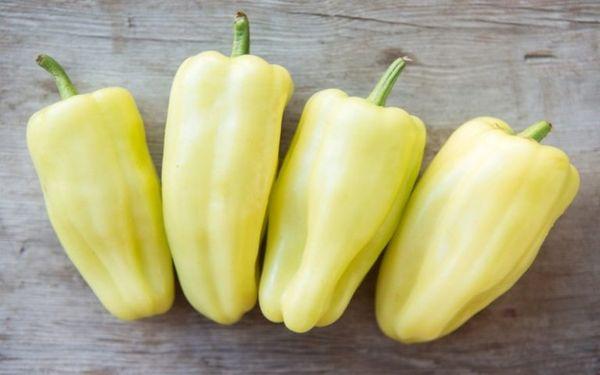
This variety is resistant to pests and fungal diseases and tolerates significant temperature fluctuations. The taste and culinary characteristics of ripe fruits are improved. Known since Soviet times, Beloserka has become a benchmark for quality and has retained its popularity, if not increased. It produces abundant, even fruit, making it suitable for commercial cultivation.
Anastasia
It produces fruit consistently, yielding up to 3 kilograms of vegetables per plant. Drought-resistant, the bush can be partially trained. It sets fruit in cool weather and produces fruit intensively until autumn.

California Miracle
California Wonder has a long shelf life and is characterized by stable shelf life and transportability. Under unfavorable conditions, the number of ovaries decreases, but this does not affect the size or flavor of the fruits. It is drought-resistant and resistant to viral diseases.
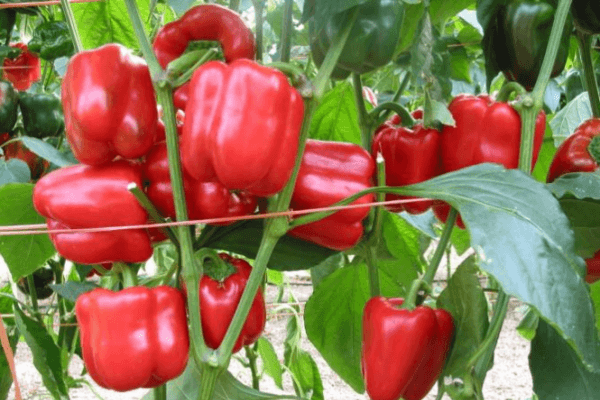
Kolobok
It has moderate resistance to fusarium and tobacco mosaic virus. It's an early-ripening, non-hybrid variety. Kolobok's main advantages include early ripening, compact habit, and excellent vegetable flavor.
Siberian format
In central Russia, it is recommended to grow in greenhouses or hothouses; the variety is demanding of soil fertility. The vegetable flavor is delicate, pleasant, and without bitterness. The yield is 3.5 kilograms per plant.
Player
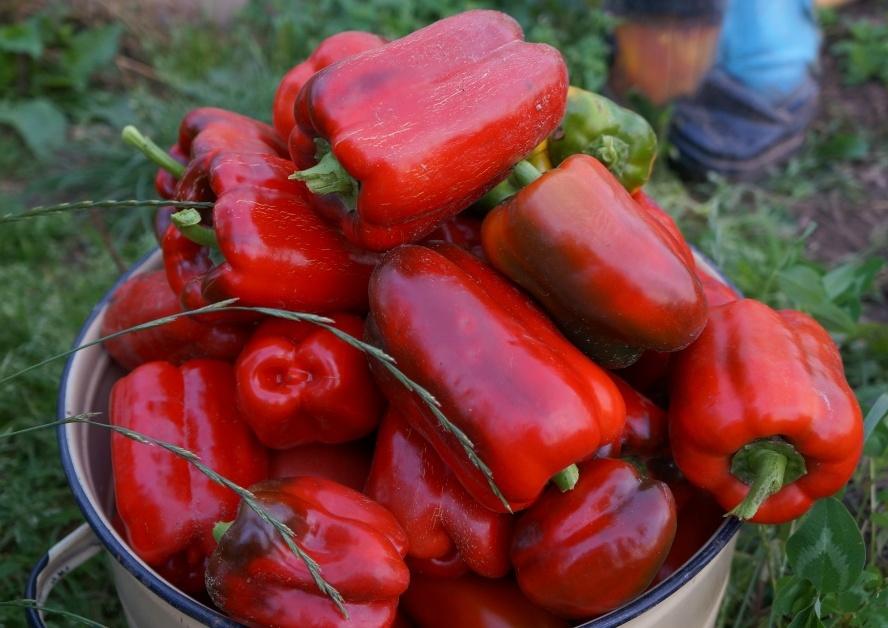
An early, large-fruited, non-hybrid sweet pepper. This variety is resistant to sudden temperature fluctuations, yet boasts rapid and consistent fruiting, low maintenance, and high yields.
Jupiter
A Dutch selection. Variety characteristics:
- productive, stable, mid-season hybrid;
- the shape of the grown fruits is drooping, prismatic;
- wall thickness (on average) – 7 millimeters;
- vegetable weight – 150 grams;
- at technical maturity the colour of the fruit is dark green, upon reaching biological maturity it is red;
- The bush is up to 80 centimeters high, strong, semi-standard.
Jupiter is distinguished by its drought resistance, stable yield, and excellent taste of ripe vegetables.
Stanley F1
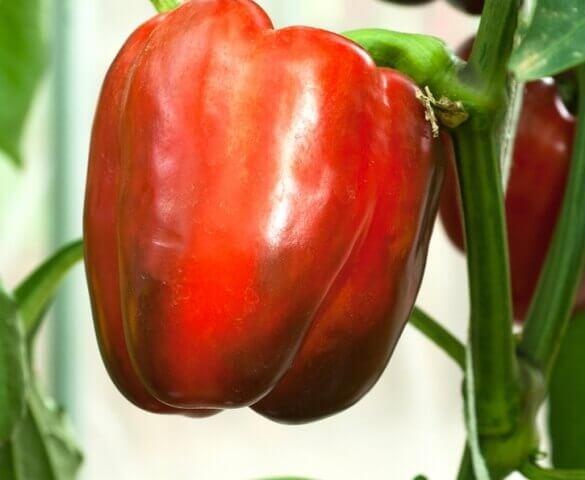
This variety is resistant to the tobacco mosaic virus. A thick-walled hybrid of Dutch selection. Its advantages include: marketable appearance, versatility, and excellent taste of ripe fruits.
Alligator
Alligator is an easy-to-grow, stress-resistant pepper with immunity to the tobacco mosaic virus. It boasts high yields and drought resistance. It is a large-fruited variety.
Bandai
Bandai boasts strong immunity to two viruses: tobacco mosaic and spotted wilt. It produces high yields of up to 10 kilograms per plant. It tolerates variable climates and is adapted to outdoor cultivation.
Alexey
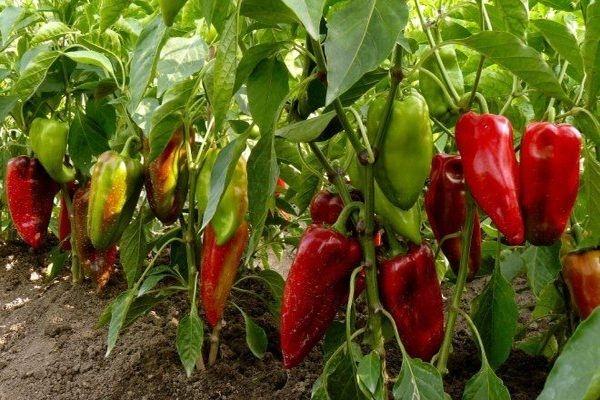
Alexey is suitable for commercial cultivation and produces high-quality vegetables. It is resistant to verticillium wilt. A non-hybrid variety, seeds from mature peppers can be saved and grown into seedlings for the following year.
The Fat Baron
Resistant to tobacco mosaic virus. This mid-early, low-growing, non-hybrid variety boasts large fruits and high yields. Suitable for open ground, it tolerates temperature fluctuations and partial shade.
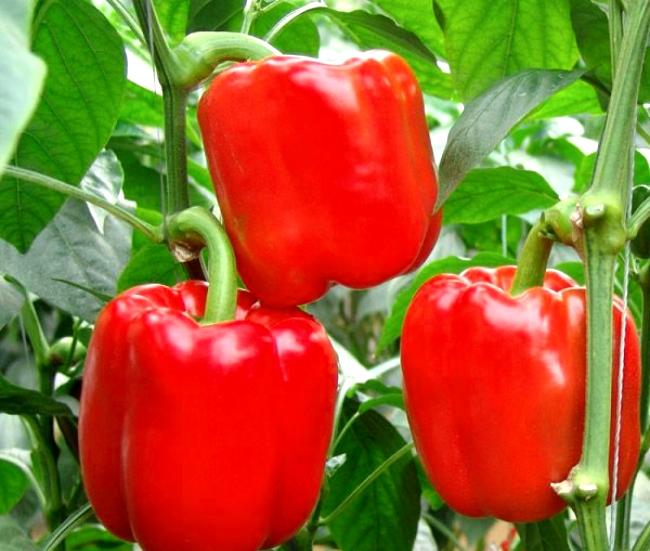
Big Boy
An early-ripening, large-fruited variety bred domestically for indoor cultivation. Big Boy is available in several varieties:
- Big girl - bright orange;
- Big daddy - purple;
- Big Mama is yellow-orange.
The wall thickness is 8 millimeters, the fruits are cylindrical, red when fully ripe. The average fruit weight is 250 grams. The bush is semi-spreading, reaching a height of 80 centimeters.
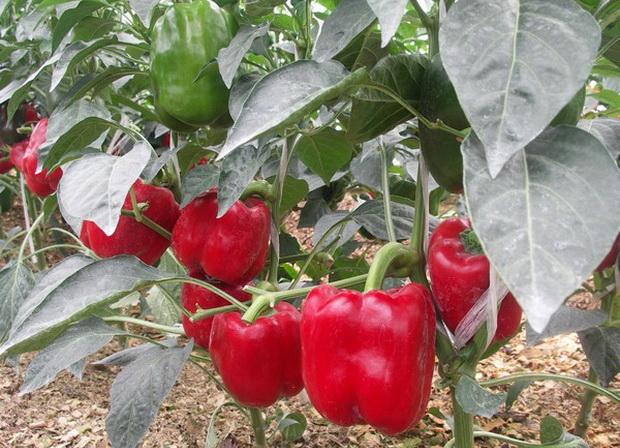
Advantages: original appearance, high content of vitamin C, high yield, excellent transportability of vegetables.
Take a look Also
Golden calf
Zoned for the West Siberian region, Zolotoy Telets is a cold-hardy, early-ripening variety. It is susceptible to late blight. It features distinctive yellow fruit and is an ornamental variety.
Fatso
Cultivated in garden plots for many years, it is popular among both professional and novice gardeners. This succulent variety is easy to grow, has high commercial qualities, and an excellent flavor.
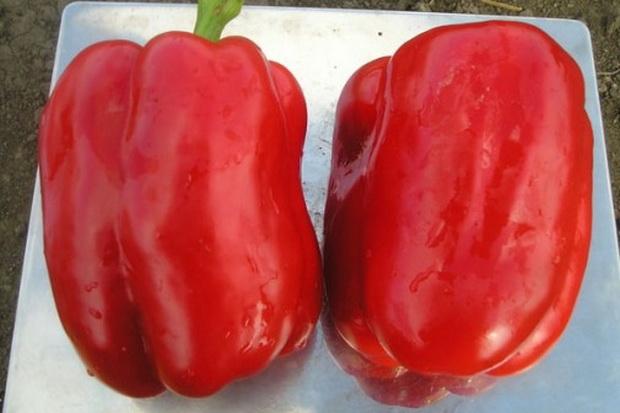
Little Red Riding Hood
A high-yielding, mid-early pepper, Red Cap isn't particularly demanding in terms of soil or fertilizer, but it does require regular, timely watering. It's drought-intolerant. The plants can be mulched with freshly cut grass and regularly loosened.
Bon appétit
A mid-season hybrid with red, cube-shaped fruits. The bushes are quite tall and require training and support. Bon Appetit can be grown in areas with variable, cold climates.
Nugget
A sweet pepper hybrid for permanent cultivation both indoors and outdoors. Samorodok tolerates low light and temperature fluctuations. The vegetables retain their marketable qualities for a long time.
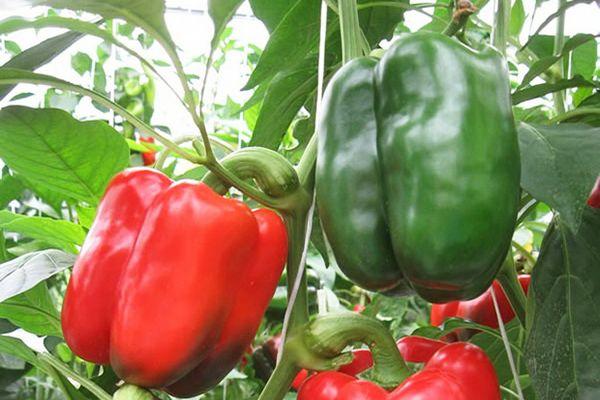
Ural
An early-ripening, thick-walled hybrid of domestic selection. This Ural hybrid tolerates temperature fluctuations and cold summers. This stress-resistant pepper is a versatile vegetable suitable for long-term storage.
Belladonna
An early pepper crop for plastic greenhouses and open ground. Advantages of this variety: excellent taste when eaten fresh, particularly resistant to the tobacco mosaic virus.
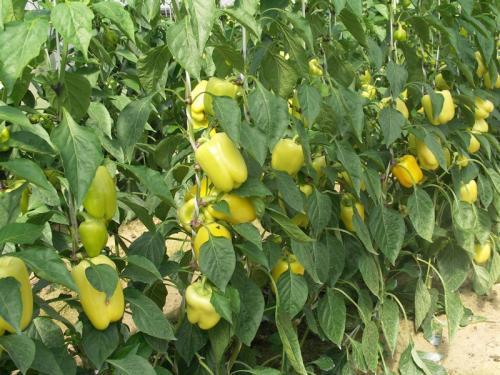
Cube
A large-fruited, sweet, and aromatic pepper. Resistant to all major fungal and viral diseases of peppers, suitable for all soil types, and boasting excellent flavor.
Cypress
A thick-walled hybrid of domestic selection. Yields up to 10 kilograms of vegetables per bush. It bears fruit until autumn, is suitable for long-term storage, and has strong immunity to major diseases.
Growing peppers in your garden is a labor-intensive task, but by choosing the right variety and following proper agricultural practices, you can reap the benefits of one of the most beneficial vegetable crops.
Related posts:
 Description of the best varieties of ornamental peppers, growing and caring for them at home
 Description of the best pepper varieties for greenhouses and open ground in 2025
 Planting, growing, and caring for peppers in open ground in the Moscow region: the best varieties
 TOP 40 New Year's 2020 Meat Recipes Using Pork, Beef, Chicken, and Lamb
 TOP 40 Hot Dish Recipes for New Year 2020: What to Cook
 How to grow peppers from seeds at home: choosing a variety, planting, and care
 10 simple Armenian-style pickled hot pepper recipes for the winter
 TOP 20 delicious recipes for preparing bell peppers for the winter