
- Crop rotation rules and the role of crop rotation
- Predecessors of pepper
- Cucumbers
- Cabbage
- Onion
- Garlic
- Roots
- Annual legumes
- Perennial herbs
- Green manure
- What can be planted the following year after peppers?
- Open ground
- Carrot
- Beet
- Radish
- Bulbous
- Green
- Beans
- Cereals and clover
- Greenhouse
- radish
- Cabbage
- Neutral cultures
- Radish
- Celery
- Carrots
- turnip
- Lettuce and spinach
- Spicy herbs
- What shouldn't be planted after peppers?
- Potatoes and tomatoes
- Eggplant
- Pepper: bell and capsicum
- Tobacco
- Pumpkin
It's important for gardeners and homesteaders to know when to plant bell peppers. This will significantly save gardeners' energy and money. Proper crop rotation eliminates the need for frequent chemical treatments and heavy fertilizing. This agricultural practice will help plants maintain their health, vigor, and reach their full potential.
Crop rotation rules and the role of crop rotation
Crop rotation is crucial to the health of various soil types. The soil should not be depleted by monoculture. If plants belong to the same botanical family (alliums, cucurbits, brassicas, nightshades, and others), ideally, returning the crops to their previous growing location should be done no sooner than after four years.
This prevents the accumulation of pathogens—those harmful to these crops—in the soil. There's also a lower concentration of pests for all plants. However, gardeners don't always have enough space, and crop rotation periods are reduced to three or even two years.
It's worth paying attention to growing companion plants alongside peppers. They don't inhibit their growth; on the contrary, they help them thrive.
Predecessors of pepper
Like any crop, successful pepper cultivation requires crop rotation. But which crops should peppers be grown after? Every gardener should ask themselves this question before planning their plantings. The overall health of the plants, the size of the vegetables, and their yields will directly depend on this. And, of course, gardeners need to know what to plant after peppers to ensure their chosen crops are disease-free and produce a bountiful harvest.
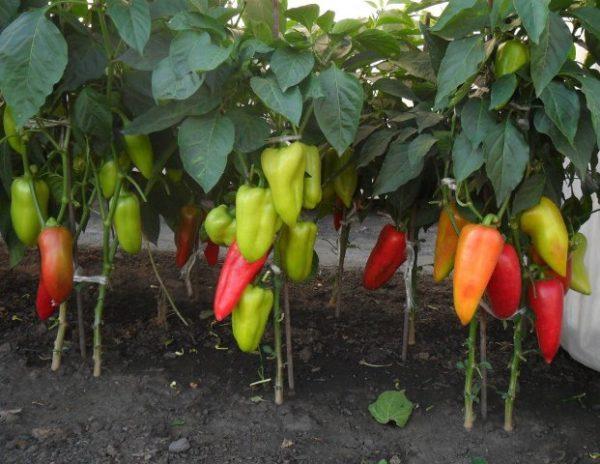
Cucumbers
After growing a common crop like cucumbers, it's entirely possible to cultivate this plant. These plants belong to different families and don't share any common diseases. Before planting, apply a sufficient amount of complex mineral fertilizer to the soil, dig deeply, and water.
Cabbage
Cabbage belongs to the Cruciferae family, and peppers belong to the Solanaceae family. Therefore, after growing cabbage, you can safely plant peppers and expect a good harvest later in the season.
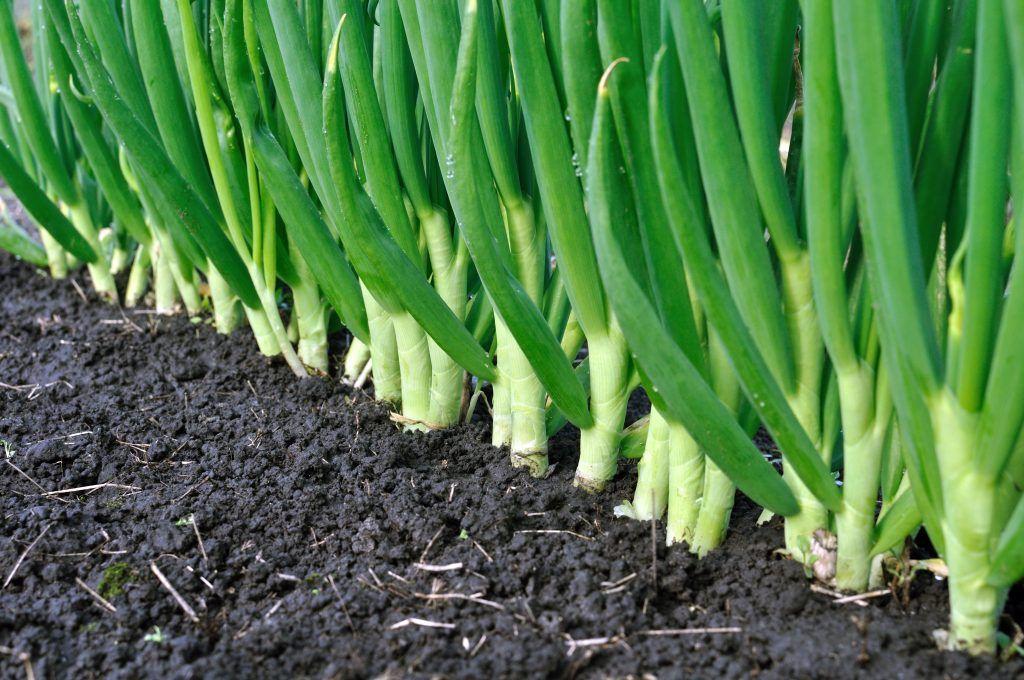
Onion
Onions are a good precursor crop. Peppers will be less susceptible to disease thanks to the onion's medicinal phytocides. They are also a good companion plant; they can be planted together.
Garlic
Phytocides in both garlic and onions effectively combat various pathogenic fungi in the soil. In particular, they protect against the dangerous fungal disease late blight. Therefore, garlic is an excellent precursor crop.
Roots
Various root crops (radishes, horseradish, beets, and others) pose no threat as precursors. One caveat: root crops remove a lot of nutrients from the soil as they ripen.
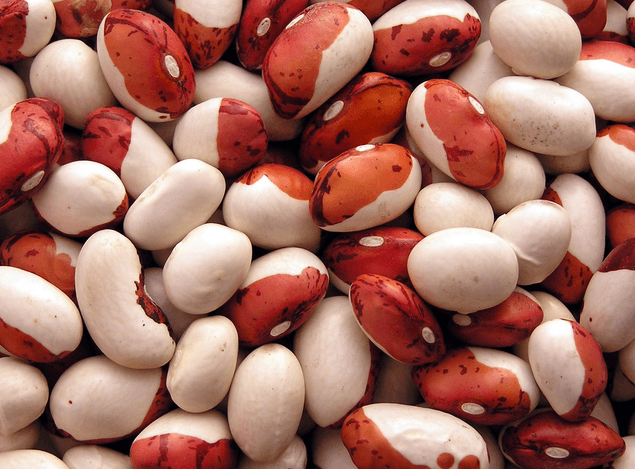
Annual legumes
An excellent predecessor and also a companion plant, annual legumes will be grownThis is a bush, black Eyed Peas and beans. Beans are also a good green manure crop; their stems can be buried in the soil—as they rot, they enrich it with nitrogen.
Perennial herbs
Peppers grow and thrive without problems in soils previously occupied by various perennial grasses. However, careful removal of their rhizomes from the soil is required.
Green manure
The best, simply excellent option is green manure. These annual plants, also known as green manures, are characterized by rapid growth of vegetative mass. As they decompose, they enrich the soil with nutrients, particularly nitrogen.
Green manure improves the soil structure and also suppresses weeds in the area, preventing them from developing.
Green manures, such as white and yellow mustard, add to their other benefits the ability to fight many diseases and pests. In particular, they repel the dangerous root system pest, the May beetle. Green manures also enhance the effectiveness of fertilizers and accelerate microbiological processes in the soil.
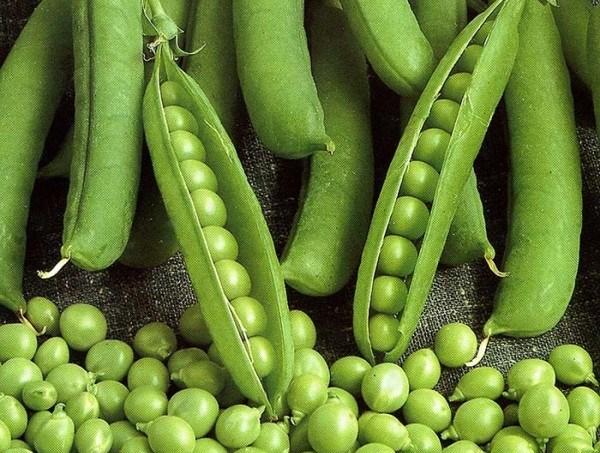
Excellent green manure predecessors include: peas, alfalfa, clover, white and yellow mustard, lupine, rapeseed, rye, phacelia, and buckwheat.
What can be planted the following year after peppers?
After the season ends, the area should be thoroughly cleared of plant parts. Leaves, stems, and remaining fruit can all be sources of disease for future crops. After the final harvest, bushes should be pulled out of the ground by the roots, removed from the area, and destroyed.
It's a good idea to treat the area with a fungicide; Fundazol works well. This will prepare the soil for growing other crops and help them stay healthy throughout the season.
Open ground
In open-ground conditions, it's important to generously add mineral and organic fertilizers to the soil. Peppers actively draw nutrients from the upper soil layers. Chemical soil treatment after planting is also a good idea.
Carrot
Carrots grow well in a plot after growing peppers, but only if high agricultural background is maintained and fertilizers are applied generously to the soil.
Beet
Beets will thrive in soil where nightshades were grown last season. However, pre-planting soil amendments with mineral fertilizers and organic matter are necessary. Phosphorus-potassium fertilizers are especially important.
Radish
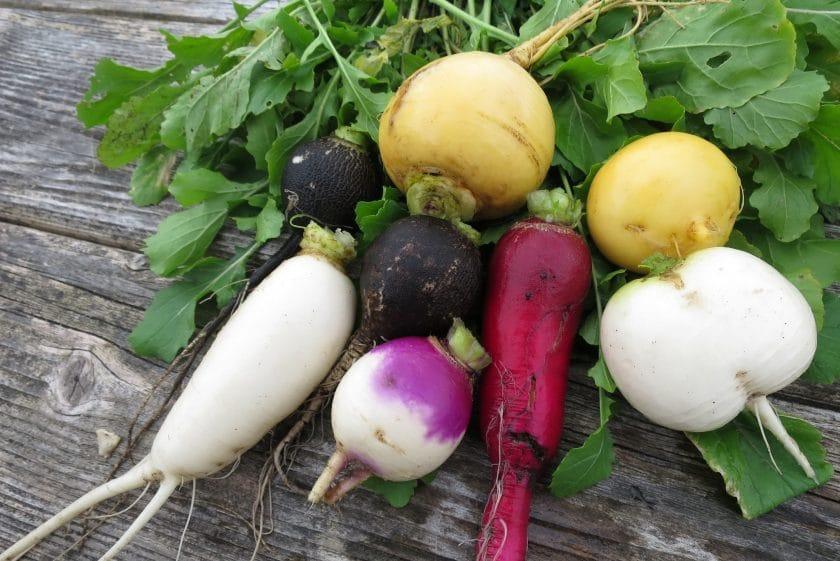
Radishes, as well as their relatives, can be grown without any problems. The key to successful planting is generous application of mineral fertilizers in the fall. This will help the roots grow to a good size, and the gardener will reap a bountiful harvest.
Bulbous
Bulbous plants also develop normally. And thanks to their beneficial properties, they also improve the soil for future plantings of other crops.
Green
Greens also grow well after nightshade crops. One of the factors for a bountiful harvest is the addition of sufficient organic matter in the fall.
Beans
Beans are also doing well—the vines are growing quickly, and the pods aren't losing size. And planting the runners in the ground at the end of the season will enrich the soil with nitrogen.
Cereals and clover
Cereals and clover grow well and are virtually disease-free. A major advantage is that they suppress weed growth in the area.

Greenhouse
Growing vegetables in a greenhouse using crop rotation is not much different from growing them in open ground.
radish
Root crops, particularly radishes, can be grown without problems after nightshade crops. It's important to pay attention to the fertilizer dosage.
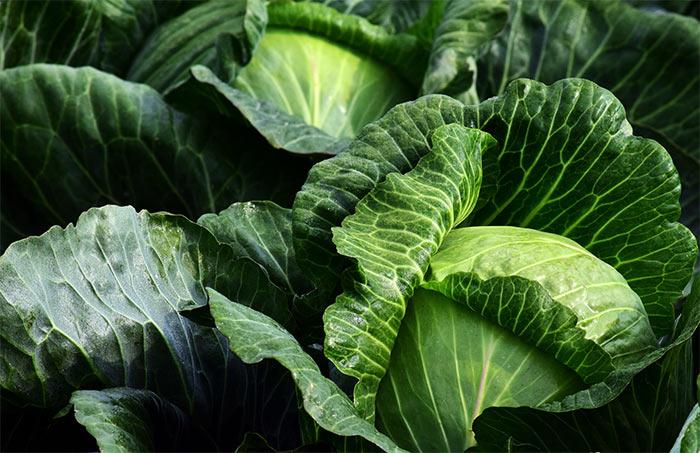
Cabbage
You can also plant cabbages from other plant families. Both regular white cabbage, Savoy cabbage, broccoli, Chinese cabbage, and cauliflower will grow well.
Neutral cultures
Some crops are neutral to their predecessors in crop rotation. This means they experience no benefits or disadvantages during their growing season.
Radish
Radishes will grow without problems in soil previously occupied by peppers. However, they require generous amounts of fertilizer.
Celery
Celery grows without any negative consequences in soils where peppers were previously grown.
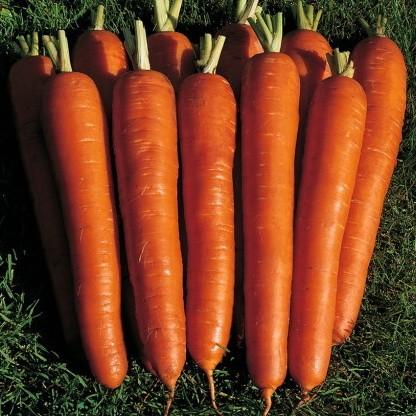
Carrots
Like many root vegetables, carrots are neutral to this precursor. The main thing is to enrich the soil with essential minerals.
turnip
Turnips tolerate predecessors from the Solanaceae family without problems. Just be sure to regularly apply complex fertilizers.
Lettuce and spinach
Various lettuces (leaf, head), arugula, chicory, and also spinach can be grown after peppers.
Take a look Also

Spicy herbs
Herbs are neutral to it. They grow vigorously, retaining their beneficial and aromatic properties.
What shouldn't be planted after peppers?
After cultivating peppers, both bell (salad) and hot (chili) varieties, not all plant species will grow and thrive in the same area. Firstly, these include species belonging to the nightshade family.
Potatoes and tomatoes
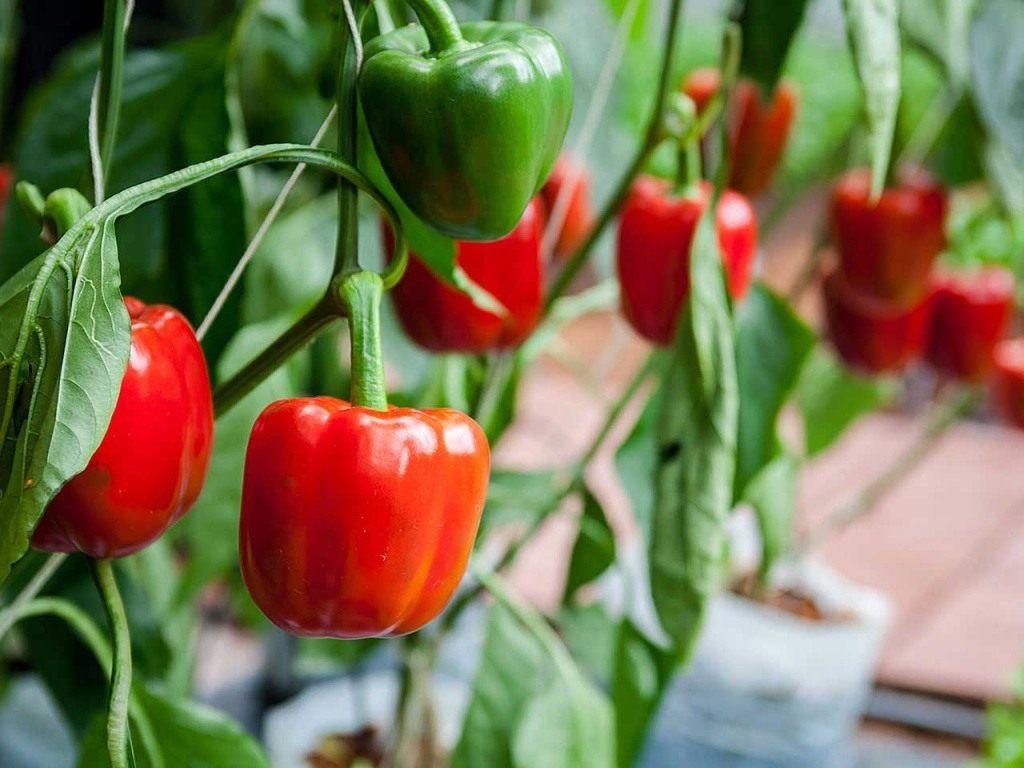
Planting tomatoes, however, will only create problems. They are related plants in the Solanaceae family. The tomatoes will be deformed, won't reach the desired size, and their flavor will be diminished. The same applies to another pepper relative, potatoes. Planting them after peppers will be harmful, and there's a high risk of fungal diseases.
Eggplant
It's highly undesirable to plant eggplants together. These two plant species create intolerable conditions for each other. And you won't get any great harvests from eggplants with this type of planting.
Pepper: bell and capsicum
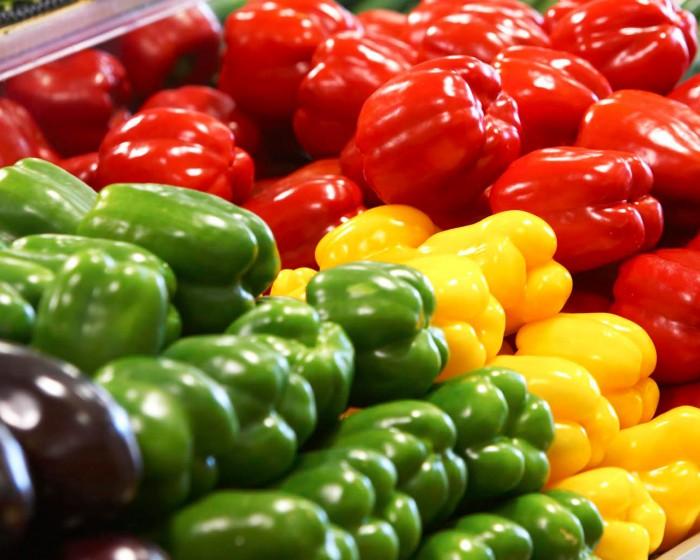
Planting peppers after peppers won't improve plant health, yield, or fruit size. It doesn't matter which pepper—hot peppers or bell peppers. If you can't change the location, you can plant them. However, you'll need to be mindful of fertilization and regular chemical protection against diseases and pests.
Tobacco
Tobacco is also a nightshade crop. Therefore, planting it after peppers will increase the risk of disease, and the tobacco leaves will taste bitter when smoked.
Pumpkin
Pumpkins are also not an option for planting after peppers. The plants will become diseased, the pumpkin vines will be weak, and the fruits won't reach the desired size.
Related posts:
 Description of the best varieties of ornamental peppers, growing and caring for them at home
 TOP 40 New Year's 2020 Meat Recipes Using Pork, Beef, Chicken, and Lamb
 Planting, growing, and caring for peppers in open ground in the Moscow region: the best varieties
 TOP 40 Hot Dish Recipes for New Year 2020: What to Cook
 How to grow peppers from seeds at home: choosing a variety, planting, and care
 10 simple Armenian-style pickled hot pepper recipes for the winter
 Description of the best pepper varieties for greenhouses and open ground in 2025
 What's the best way to freeze bell peppers for the winter at home? Storage times