
- What factors determine the planting time?
- From the variety
- From temperature indicators
- From the region of growth
- Planting in a greenhouse or open ground
- Optimal conditions for planting crops
- Temperature conditions
- What is the minimum temperature that peppers can withstand?
- Choosing the best place for a plant: in the shade or in the sun?
- Signs and causes of freezing of seedlings
- Will the plant recover after frost?
- What should you do if your seedlings are damaged by frost?
- Treatment
- Preventive measures
- Soil insulation
- Watering
- How to feed peppers after rain and cold weather
- Covering and mulching beds with plantings
Timely planting of peppers affects the subsequent development of the vegetable crop and the quality of the harvest. Before planting, it's important to know when to plant peppers outdoors. Adhering to the planting timing eliminates a number of difficulties often encountered by inexperienced gardeners.
What factors determine the planting time?
The planting period for vegetable crops is determined based on a number of factors. When deciding when to plant peppers, it's important to take a comprehensive approach and consider all factors.
From the variety
Varieties of sweet and bell peppers They differ in their ripening times. Early-ripening varieties are planted closer to mid-spring, while late-ripening varieties are best sown for seedlings in February.
From temperature indicators
When planning your planting, it's recommended to check the weather forecast for several weeks ahead to avoid the possibility of recurring frosts in the spring. If temperatures drop, seedlings will have difficulty establishing and adapting to the new conditions, which will negatively impact fruiting.

From the region of growth
Pepper seeds germinate 2-4 weeks after sowing. When the seedlings are fully formed and ready to be transferred to open ground, the temperature outside should be high. In the southern regions, sowing for seedlings is carried out in early February, since the warm period begins earlier than in the northern territories.
Planting in a greenhouse or open ground
If vegetables are moved to a greenhouse, planting timing requirements are more flexible. Even with fluctuating temperatures and sudden cold snaps, greenhouse plants will continue to grow without adverse effects.

Optimal conditions for planting crops
Once you've decided when to plant pepper seedlings, you'll need to ensure favorable growing conditions. Growing in a comfortable environment improves growth, foliage production, and the quantity and flavor of the fruit.

Temperature conditions
The optimal temperature for transplanting seedlings to their permanent location should be above 15 degrees Celsius during the day. Nighttime temperatures should not drop below 12 degrees Celsius. Planting at lower temperatures will cause the premature seedlings to die.

What is the minimum temperature that peppers can withstand?
The appropriate temperature for seedlings and established saplings varies. Hardened and established plants are more tolerant of low temperatures than young seedlings. The critical temperature for bushes growing outdoors is -2 degrees Celsius. Unadapted seedlings are even susceptible to freezing temperatures.
After transplanting seedlings, it is necessary to carefully monitor the night temperature, as in some regions it can drop sharply after a warm day.
Choosing the best place for a plant: in the shade or in the sun?
Peppers are considered a heat-loving crop and don't produce a good harvest when planted in shaded areas. When choosing a location for your garden beds, it's important to ensure the area receives sunlight throughout the day and doesn't cast shadows from tall trees or buildings.

Also, avoid planting too densely, as abundant foliage can block sunlight. The optimal distance between seedlings is 25 cm. This arrangement will ensure adequate light from all sides.
Signs and causes of freezing of seedlings
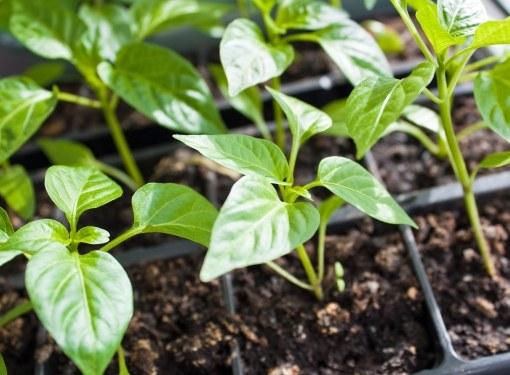
If seedlings freeze, their leaves become spotted and wilt. If the stems of plants freeze, they begin to darken. Frost-damaged seedlings appear stunted and bend toward the ground. Immediately after detecting signs of frost damage, it's important to investigate the causes, which are often as follows:
- transfer to unprotected soil at low ambient temperatures;
- lack of lighting;
- watering with cold water;
- violation of the planting deadlines;
- insufficient amount of nutrients.
Will the plant recover after frost?
Frozen plants can be restored if appropriate measures are taken promptly. However, saving greenery is only possible if they haven't been in this depressed state for too long.
What should you do if your seedlings are damaged by frost?
When wondering how to save frozen plants, it's important to take a comprehensive approach. To eliminate the effects of freezing and ensure proper seedling development, it's necessary to create comfortable environmental conditions.
Treatment
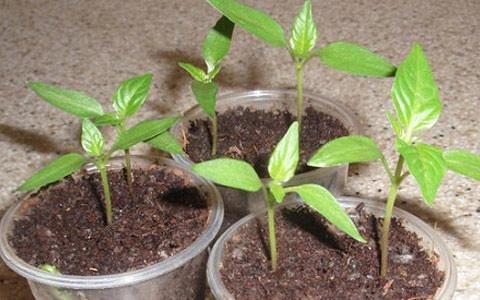
Seedlings frozen due to low temperatures can be restored using specialized treatments. Specifically, treatment is carried out using the following methods.
- Pepper bushes are treated with a solution of superphosphate and potassium sulfate. The substances are used in a ratio of 25 g and 20 g, respectively, and added to 10 liters of water. The prepared solution is used for 8-10 plants.
- Dissolve a 0.25 mg ampoule of Epin in 5 liters of warm water. Spray the above-ground portions of plants with the diluted solution for 7-10 days until complete recovery. Spray in calm weather.
- Plants are treated with a urea solution. The substance is mixed with water and a growth stimulant, which not only eliminates the effects of frost but also stimulates growth.
Preventive measures
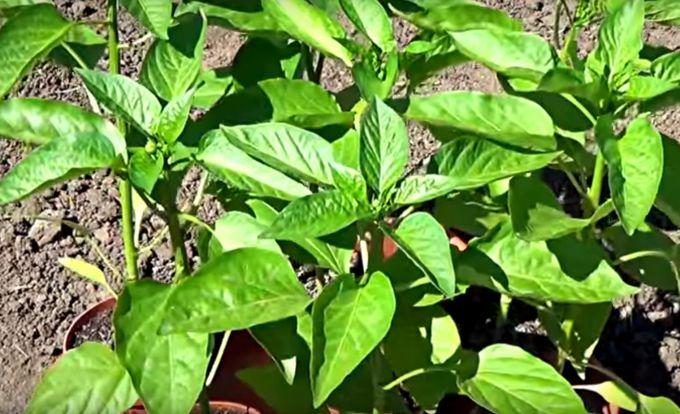
Regular preventative maintenance can reduce the risk of frost damage to seedlings. Bushes can be treated with protective solutions once or twice a month to maintain overall immunity. Environmental conditions should also be monitored. Peppers should be grown in warm, moist, and sunny beds.
If plants do not receive enough sunlight, it is permissible to use additional artificial lighting sources.
Soil insulation
When growing early-ripening pepper varieties, insulating the beds is an effective measure. Since early varieties are planted in early spring, there is a high risk of recurrent frosts. There are several options for insulating the soil, including the following:
- Peppers planted in rows can be covered with plastic film or other insulating material. To do this, bend arced rods into the soil around the perimeter of the beds, and stretch the covering over them. Cover the edges of the material with soil and secure with stakes.
- In case of severe frost, a greenhouse is constructed for the plants. A constant temperature of 20-25 degrees Celsius is maintained inside the greenhouse. Greenhouse conditions help the seedlings quickly recover and continue growing.
- Earthen embankments, which act as a mound of earth, are constructed along the beds. These embankments protect the plants from wind and help insulate the soil in the beds.
Watering
Plants should be watered with warm, settled water. It's best to water pepper seedlings early in the morning or late in the evening, or in the afternoon if the weather improves steadily. After each watering, loosen the soil in the beds to allow water to penetrate to the roots located in the lower layers of soil. Moisture requirements are determined based on soil conditions.
To check, you can squeeze a lump of soil in your palm - if it crumbles, then it needs more watering.
How to feed peppers after rain and cold weather
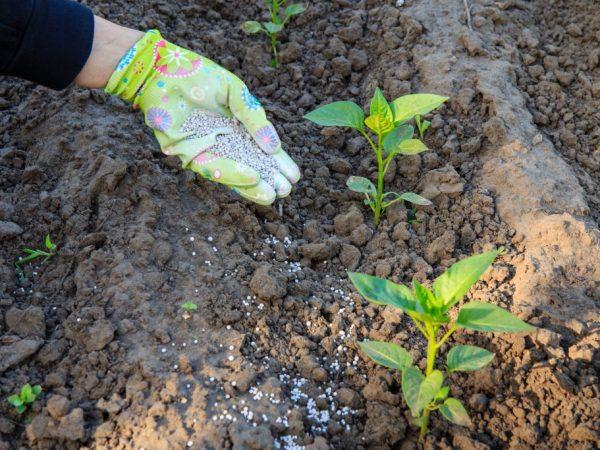
Seedlings damaged by sudden temperature changes and heavy rains are recommended to be sprayed with a growth stimulant and mineral fertilizers. The specific type of fertilizer is selected depending on the stage of plant development:
- During the initial growth stage, it's best to treat the immature seedlings with organic fertilizers, including wood ash, bird droppings, rotted manure, and compost. The organic matter is mixed with warm water in a ratio of 1:4.
- During the period of mass fruit set, the plant requires fertilizers with a high nitrogen content. One of the most common options is ammonium nitrate.
- In the first 2-3 weeks after planting in the ground and during fruiting, it is recommended to fertilize peppers with phosphorus-potassium substances.

Covering and mulching beds with plantings
The process of mulching involves covering the soil around plants with organic and inorganic material. Mulch acts as a cover, helps retain moisture in the soil for a long time, reduces the amount of weeds, and prevents soil destruction and freezing during cold periods. When mulching, you need to adhere to the following rules:
- the plant stem should not come into contact with the material, since the root collar is the most vulnerable element and it is better for it to remain dry;
- The optimal thickness of the mulch layer is 5-7 cm, and bacteria and insects will multiply in a cover that is too high;
- Old mulch is removed with the onset of spring so as not to delay plant development.
Mulching material is changed periodically to eliminate the lack of nutrients.
Related posts:
 The best eggplant varieties for growing in a polycarbonate greenhouse: planting and care
 Causes and treatment of eggplant pests and diseases, how to combat them at home
 Description of varieties of sowing peas and cultivation, to which family they belong
 How to propagate and grow peas, cultivation technology, and care in open ground
 How to properly plant peas in a greenhouse and open ground
 Is it possible to soak treated cucumber seeds before planting and how to do it correctly?
 Methods for planting and propagating cherries at home
 Growing and caring for hazelnuts in open ground, rules for planting hazelnuts