
- Advantages and disadvantages of mixed plantings
- What is recommended for planting sweet peppers?
- Neighborhood with corn
- Eggplant
- Cabbage
- Carrot
- Zucchini
- Bean crops
- Tomatoes
- Onions and garlic
- Spicy herbs
- Some weeds and flowers
- What is prohibited to plant with
- Potato
- Beet
- Other varieties of pepper
- The nuances of plant placement in one area
- In open ground
- In the greenhouse
To harvest a decent crop of sweet peppers on a 600-square-meter plot without taking up too much space in a small garden, you can interplant them with other crops. To do this, you need to know what plants can be planted near bell peppers, which plants will be good neighbors, and which will harm them.
Advantages and disadvantages of mixed plantings
Experienced gardeners have long used the mixed planting method, achieving good harvests even in small garden plots, and citing only the advantages of this method of growing vegetables:
- Economical use of land in the garden.
- Noticeable improvement in the taste of vegetables.
- The useful reserves of the soil are used up gradually.
- Plants protect each other from harmful insects and diseases.
- Saving time and effort for gardeners, since less watering and fertilizing is required.
- Growing plants simultaneously helps experienced gardeners harvest up to 16 kg of various vegetables and herbs from a single bed.
Gardeners see one drawback to interplanting: the close spacing of the plantings makes it difficult to access the plants for weeding and loosening the soil.
What is recommended for planting sweet peppers?
Although the Bulgarian is a plant with a strong character, many garden crops will make friendly companions. Their presence will not only help the Bulgarian vegetable grow and thrive, but will also protect it from diseases and harmful insects.
Sweet peppers grow well next to (in adjacent beds):
- with corn (on the same bed);
- eggplants;
- cabbage;
- tomatoes;
- carrots;
- zucchini;
- onion, garlic (on one).
There are many aromatic herbs and even weeds that the Bulgarian vegetable is friendly with:
- basil;
- thyme;
- dill;
- chamomile;
- nettle.
Neighborhood with corn
With its tall stature, corn protects the heat-loving "Bulgarian" from cold winds. It is planted on the north side of the bed. This way, it doesn't block sunlight and heat, creating a living barrier against the cold for the pepper plants.
Eggplant
Gardeners' opinions differ on the compatibility of bell peppers and eggplants. On the one hand, both plants are from the same family, have similar growing requirements, and are susceptible to the same diseases. These factors make them easier to care for.
On the other hand, eggplant diseases can quickly spread to neighboring pepper plants. Growing vegetables together outdoors is possible if you're confident in the health of the seedlings and soil.
Cabbage
Bulgarian vegetables should not be planted next to cabbage in the same bed. Since cabbage thrives on moisture, it draws almost all the nutrients from the soil without giving anything in return. Its large leaves will block sunlight and heat.
For peppers, lack of sun, warmth, and depleted soil are detrimental. However, the vegetables will thrive just fine in neighboring beds.
Carrot
Carrots are not grown in the same bed with bell peppers due to the carrot fly, which can spread to the bell peppers. Although vegetables can be planted in adjacent beds, they will coexist peacefully without interfering with each other.
Zucchini
Planting vegetables together in the same bed is not advisable, as the large leaves of zucchini will shade the sun-loving peppers. Vegetables can become good neighbors.
Bean crops
They enrich the soil with nitrogen. Gardeners consider bush beans especially beneficial for the Bulgarian pepper. Their smell is unbearable for pepper pests, and they consume few nutrients.
But legumes suppress the growth of Bulgarian bushes, and besides, the plants suffer from the same diseases. Peas are looking for support shoots, wraps around pepper bushes, causing an adverse effect.
Tomatoes
Growing tomatoes nearby doesn't affect the development of the Bulgarian vegetable or its good harvest, but in open ground. The latter also has no harmful effects on the tomatoes. The vegetables are good neighbors.
Onions and garlic
Natural healers, garden nurses. All garden crops thrive alongside onions and garlic. The phytoncides they release repel insect pests and kill pathogens. Onions and garlic are planted alongside bell peppers in the same bed.
Spicy herbs
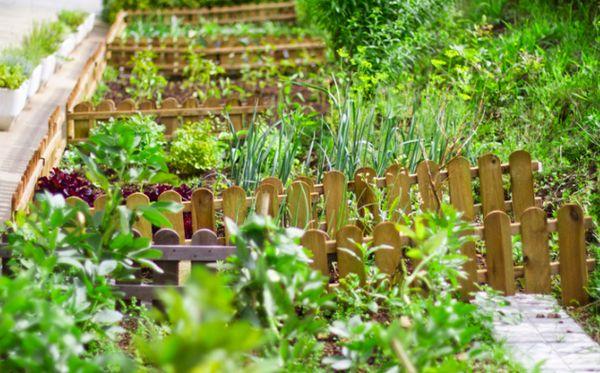
Basil, dill, and thyme enhance the health of pepper plants. Basil is not just a good neighbor, but a close friend. The herbs' aroma is detrimental to insect pests and fungal infections.
Some weeds and flowers
Even weeds, such as nettles, dandelions, and marigolds, are planted near bell pepper bushes. They protect the peppers from diseases and insects, enrich the soil with useful minerals, and make gardening easier. They don't require additional fertilizer.
The fruits ripen faster under the influence of dandelion.
What is prohibited to plant with
There are many garden crops that peacefully coexist with bell peppers, while others should absolutely not be planted near sweet peppers. First and foremost, fennel. Its odor is detrimental to many plants. Fennel should not be planted near any crops.
Potato
Bulgarian thyme bushes should not be planted next to potato crops. The vegetables will compete for nutrients, which both plants require in large quantities.
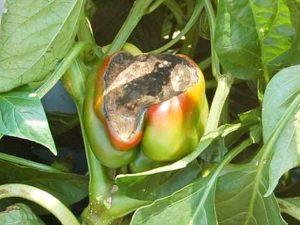
Common diseases can affect both crops at once.
Beet
Bell peppers and red root vegetables are incompatible. Beets will always win the battle for a place in the sun.
Other varieties of pepper
Sweet peppers and their relatives, the hot peppers, can't even be neighbors. They cross-pollinate, changing the flavor of their fruit. The hot pepper loses its pungency, while the sweet pepper becomes bitter.
The nuances of plant placement in one area
Some plants are planted in the same bed with peppers, while others coexist peacefully. However, some plants—neighbors—don't interfere with peppers' growth in open ground, while growing the vegetables together in a greenhouse is impossible.
In open ground
Tomatoes grown without film cover can be better neighbors with "Bulgarian", but in a greenhouse it is not advisable to plant vegetables together.
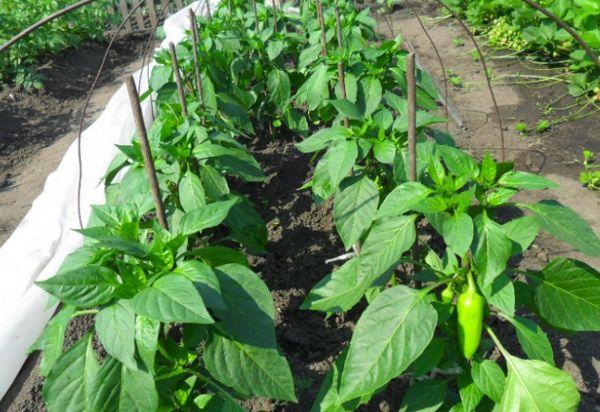
Sweet peppers will grow and develop in the same bed with the following crops:
- onion, garlic;
- spinach, lettuce;
- thyme, coriander;
- marigolds, tansy, nettle;
- basil, lovage, dill.
These plants protect the capricious "Bulgarian" from harmful insects and diseases.
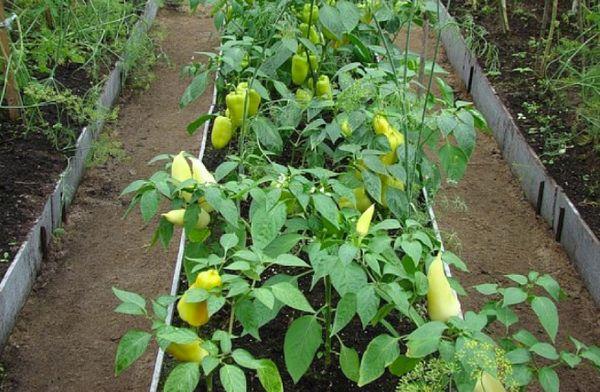
Sweet peppers are planted at least 45 cm apart, with other crops planted in rows between them. Herbs can be planted along the edges. A few weeds are also left in place. They will enrich the soil and speed up the ripening of the fruit.
Zucchini, tomatoes, eggplants, carrots, and cabbage can grow nearby in adjacent beds.
In the greenhouse
Space is limited, diseases spread more quickly, and the choice of plants for mixed cultivation is more critical. The key is to use the space efficiently and prevent disease infestations.
Take a look Also
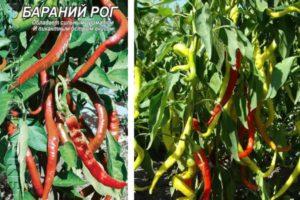
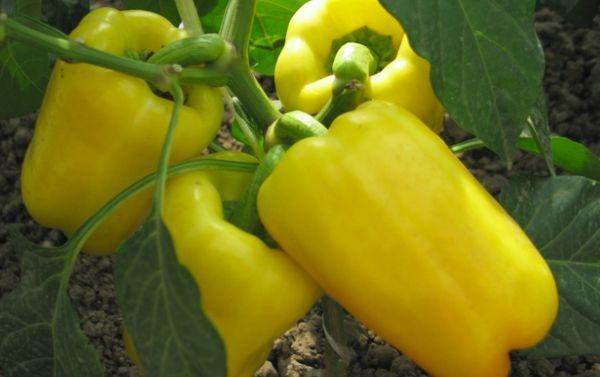
Planting herbs in a greenhouse will protect peppers from whiteflies, aphids, and powdery mildew.
In a greenhouse, tomatoes, with their tall growth, will block the peppers' sunlight. In a confined space, diseases are more easily spread from one plant to another. Since the crops share common diseases, avoiding infection is impossible.
Although on the issue of joint planting bell peppers in a greenhouseGardeners' opinions differ on the placement of tomatoes, eggplants, and other vegetables. Planting dill nearby is also controversial. Its phytoncides provide protection, but the roots harbor carrot flies, and the umbels harbor aphids, which are dangerous to sweet peppers.
Cucumbers shouldn't be grown in the same greenhouse with peppers. They prefer moisture, while peppers prefer a dry climate. Planting cucumbers will encourage infection and rot in the bell peppers.
Obtaining a rich harvest of vegetables and herbs, even in a small plot, is entirely possible with proper use of space and the use of interplanting.
Related posts:
 TOP 40 Hot Dish Recipes for New Year 2020: What to Cook
 TOP 40 New Year's 2020 Meat Recipes Using Pork, Beef, Chicken, and Lamb
 What to plant next to hot peppers, beneficial and harmful neighbors, and crop rotation rules
 Description of the best varieties of ornamental peppers, growing and caring for them at home
 10 simple Armenian-style pickled hot pepper recipes for the winter
 Planting, growing, and caring for peppers in open ground in the Moscow region: the best varieties
 Preparing pickled peppers in oil for the winter using simple recipes and storage conditions
 Description of the best pepper varieties for greenhouses and open ground in 2025
I usually plant tomatoes and peppers in the same greenhouse, but last summer I planted cucumbers next to them. It wasn't very successful: the cucumbers didn't produce a harvest for a long time, and there was also a slight difference in flavor. I'm no longer experimenting; it's better to just leave them alone.