
- Advantages and disadvantages of mixed plantings
- Favorable neighborhood
- Eggplant
- Tomato
- Onions and garlic
- Corn
- Nettle
- Spinach
- Leaf lettuce
- Chamomile
- Basil
- Dill
- Coriander
- Thyme
- Coltsfoot
- What you shouldn't plant with hot peppers
- Potato
- Beet
- Sweet pepper
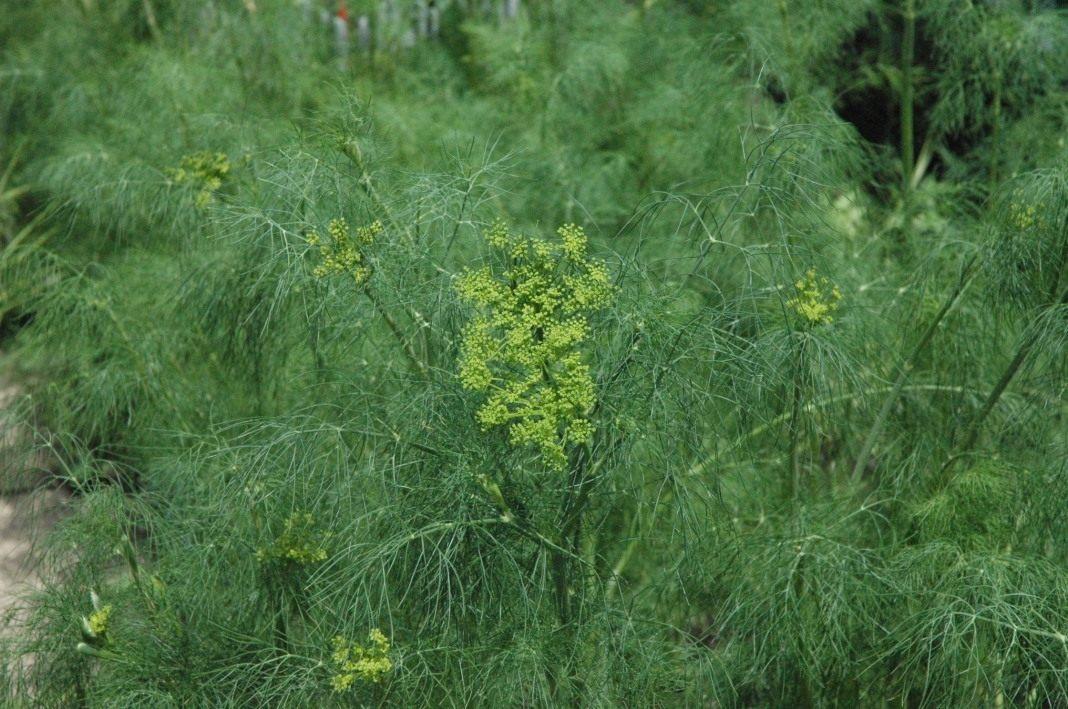
- Fennel
- Beans and peas
- Cucumbers
- Beneficial and harmful precursors of pepper
- For which plants is pepper a good predecessor?
Some gardeners, especially beginners, don't consider the important issue of crop compatibility when planting vegetables. Hot peppers are a unique vegetable, so not all garden inhabitants can coexist with them. Some plants will negatively impact the growth and development of this piquant vegetable, while others will become its "good friends." To ensure your time and effort aren't wasted, consider which plants can be planted next to hot peppers when planting.
Advantages and disadvantages of mixed plantings
Mixed gardening is not a fad. This planting method was known to the ancient Slavs and Native American tribes.
Gardeners who practice growing vegetables together see considerable benefits in this:
- Economical use of plot space. A wise choice of crop combinations, taking into account different nutritional needs and ripening times, will ensure a yield of up to 15 kg of vegetables and herbs per square meter.2 for the summer season.
- Eliminating soil depletion. Mixed plantings of crops that require different nutrients not only prevent the leaching of similar micronutrients from the soil but also enrich the soil with specific components. A well-designed planting pattern will eliminate the need for fertilizer or reduce the amount applied.
- Damage from insects and diseases is minimal, as some plants "share" phytoncidal properties (similar to antibiotics) that destroy bacteria and pathogens. Others attract birds and worms, while others, conversely, repel harmful insects.
- Creating a fertile environment in the garden bed. Sturdy, tall crops protect and shade the shorter, fragile plants from the scorching sun and wind, reducing the frequency of watering.
- Mixed cultivation affects the change in fruit taste.
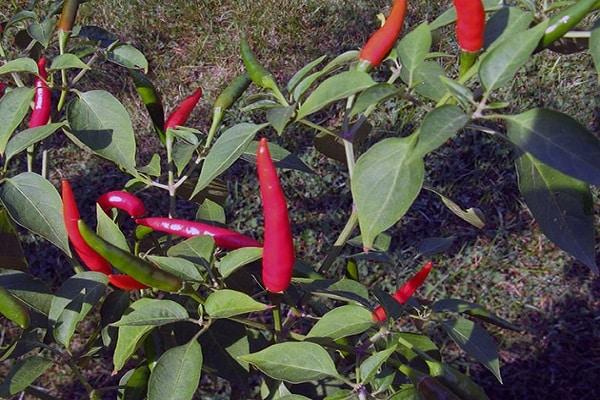
Increased yield and healthy plants are the result of combined planting.
The only downside, according to gardeners, is that it is more difficult to cultivate the beds, especially to loosen them, since access to the plants is limited by the density of the plantings.
Favorable neighborhood
Vegetables grown near hot peppers in open ground influence their growth and development, nourish the soil, and repel pests. Various herbs and greens are good neighbors for pepper plants. Hot peppers are a peaceful and friendly plant. After planting in open ground, they grow slowly and lazily. Vegetables and greens that can be planted near them include:
- perennial onion;
- spinach;
- dill;
- tomatoes;
- zucchini;
- eggplants.
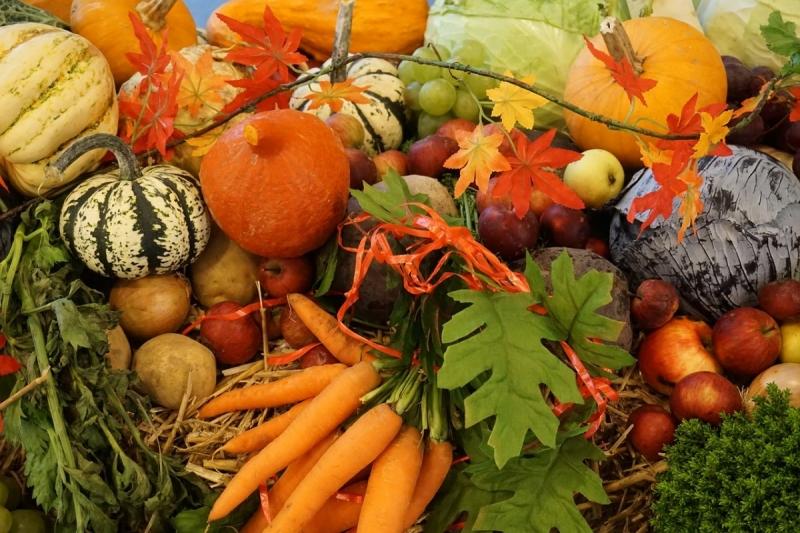
Carrots and various types of cabbage, for example, with the exception of kohlrabi and Brussels sprouts, will coexist peacefully with the spicy vegetable.
Eggplant
A heat-loving plant that grows toward the sun. Eggplant rows should be well-ventilated. Eggplants thrive with the pungent peppers. Unlike sweet peppers, eggplants do not cross-pollinate with hot peppers. For this reason, gardeners plant them away from other plants.
Eggplants require the same care as peppers. They receive the same watering and feeding schedules. The fruits ripen almost simultaneously. Hot peppers and eggplants can easily be planted next to each other; they will become friendly neighbors.
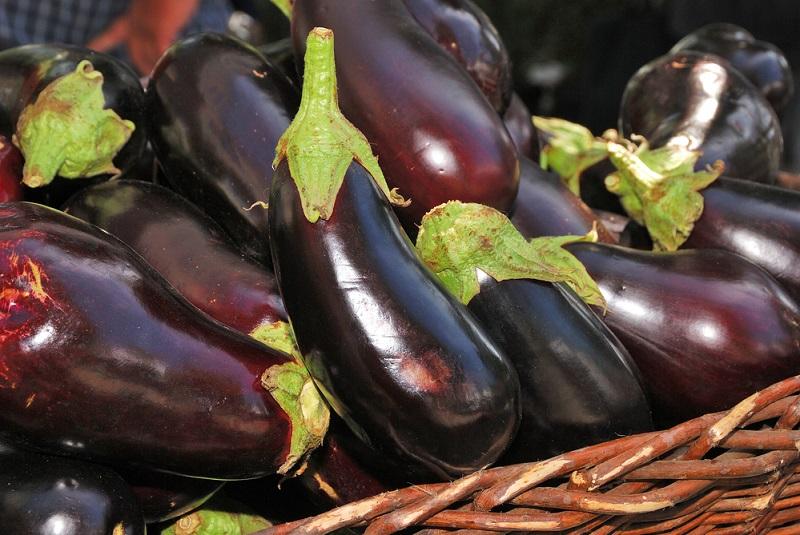
Tomato
Pepper plants don't affect tomatoes, just as tomatoes don't harm the pepper plant. Planting them side by side won't affect the harvest. Both vegetables have nearly identical growing and care requirements. Years of experience from seasoned gardeners prove that the taste of the fruit doesn't change at all when grown together.
Vegetables are planted together in open ground, but in a greenhouse, the tall tomatoes will not receive enough sunlight for the short, stinging bushes. Furthermore, in a cramped space, diseases quickly spread from one plant to another.
Onions and garlic
Vegetables grow faster near hot peppers. And the phytoncidal substances in onions and garlic repel potential insect pests and have a detrimental effect on infectious agents. It's no wonder they're called natural healers.
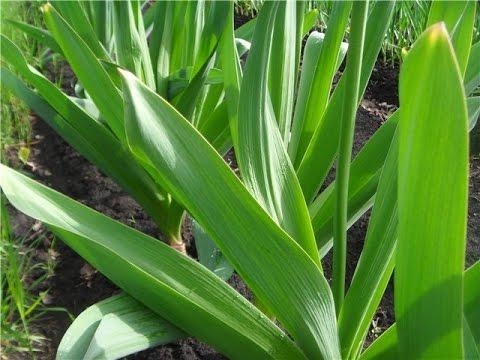
Hot peppers and onions, as well as peppers and garlic, are good neighbors.
Corn
It protects from wind and cold, as peppers are heat-loving plants. When planting together, corn is planted on the north side to prevent it from creating shade and blocking the sun.
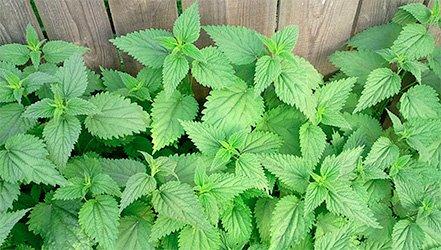
Nettle
A weed. A source of nitrogen for the soil. When growing near peppers, avoid excessive nettle growth. Remove them, leaving a few plants on the sides. This will reduce the need for mineral fertilizers. The nettles also help the peppers last longer and become more flavorful.
Spinach
Planting it provides additional protection against pests and a good way to save space. Early spinach moistens the soil and inhibits weed growth.
But don't plant spinach too densely, as it will block out the light, and shade will negatively impact the growth of the pungent pod. And when the spinach leaves are cut, the roots will remain in the soil, secreting saponin, which helps neighboring plants extract nutrients.
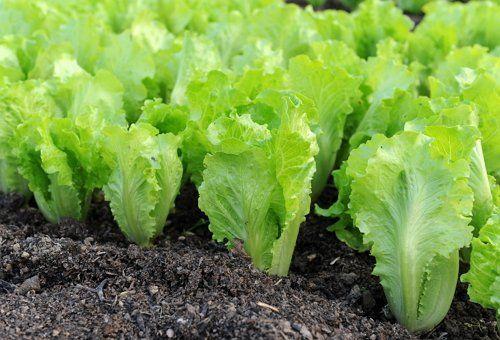
Leaf lettuce
Leaf lettuce, like spinach, pairs well with hot peppers. The key to growing them together is to plant significantly more peppers than lettuce. They require no special care other than regular watering.
Chamomile
An aromatic herb. It protects cultivated crops from harmful insects. Its presence is beneficial not only to the bitter vegetable.
Basil
A good neighbor. It helps plants grow and develop. Fruits taste better. Basil keeps ants away from plants and repels mites and aphids. Basil is a true friend.
Take a look Also
Dill
A wonderful companion. Dill's phytoncidal substances strengthen the health of this pungent vegetable, increasing its resistance to infections. Dill also improves its flavor.
Coriander
This aromatic herb has a good relationship with many plants. Coriander repels pests, and its lush blooms attract beneficial insects. It helps grow and harvest a bountiful harvest of this pungent vegetable.
Thyme
Also known as thyme, it's a beneficial companion plant for many crops. Thyme's slow growth and undemanding soil micronutrient requirements make it suitable for growing alongside hot peppers. Thyme's aroma repels harmful insects, attracts beneficial ones, and improves the flavor of their fruit.
Coltsfoot
The plant is perennial. It doesn't like it when different herbs grow nearby. Then, the coltsfoot leaves the area where it first settled, heading off to explore new areas.
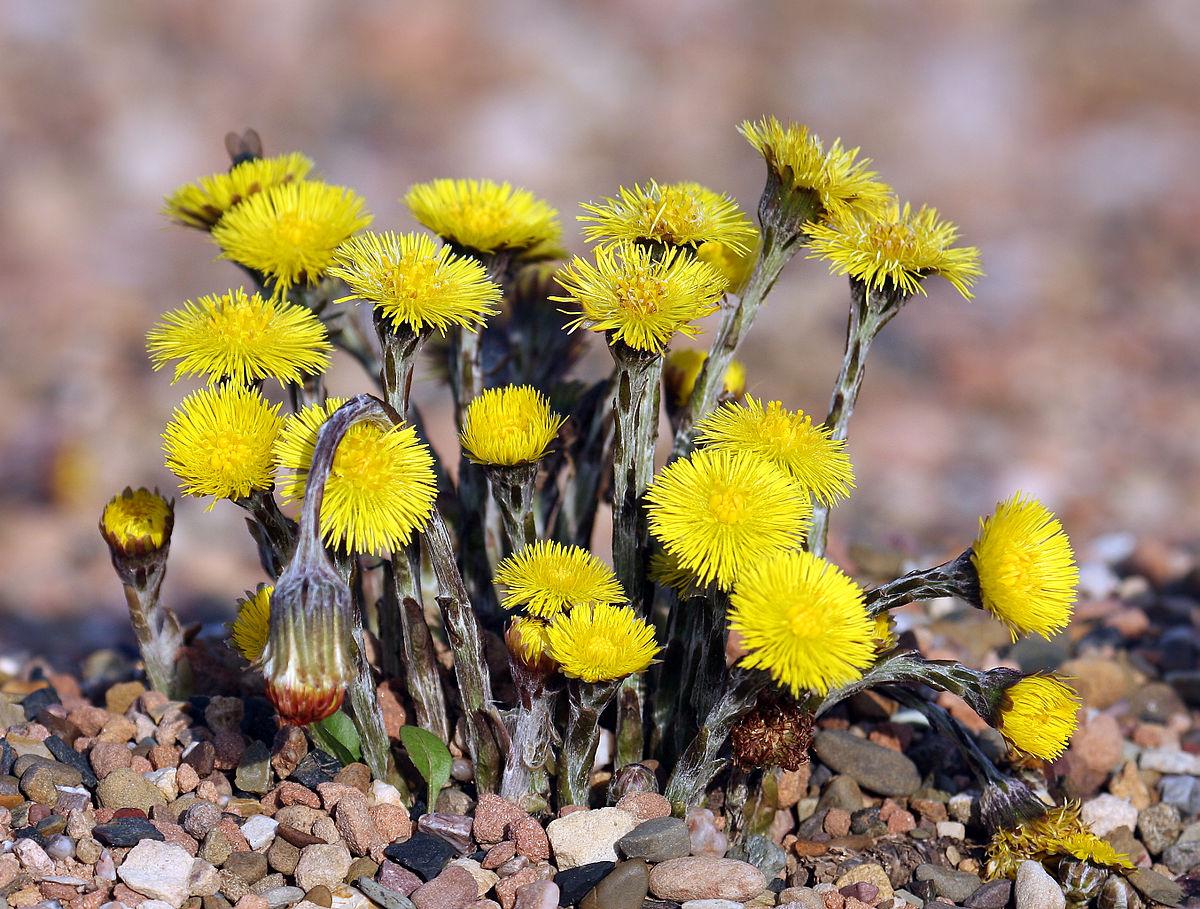
Coltsfoot is one of the few plants that restore neglected soil. Its vibrant flowers attract beneficial insects, and its large leaves inhibit weed growth.While herbs, weeds, and flowers are beneficial for this spicy vegetable, they should not be allowed to grow too large; weeding is essential. Plants should not interfere with each other.
What you shouldn't plant with hot peppers
The main enemy of this savory vegetable is its sweet cousin, the Bulgarian. The two crops should not be planted in the same bed due to cross-pollination, which will cause the sweet Bulgarian to become bitter and the hot one to lose its pungency.
Incorrectly selected company for this savory vegetable will negatively affect its growth and development, and you won't be able to expect a good harvest.
Potato
Planting vegetables close together is contraindicated. The plants are from the same family and both suffer from the same diseases.
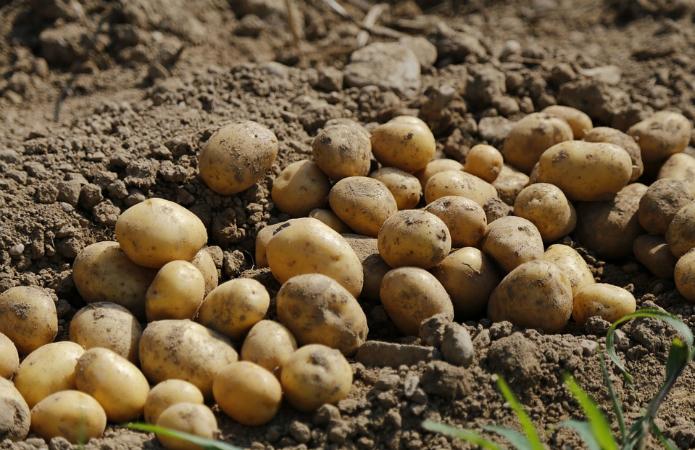
Potato tubers deplete the soil by absorbing valuable microelements.
Beet
A vegetable that loves sunlight, beets reach for it. In their desire to reach the sun, beets will create shade, which is detrimental to the plant's health, as they don't tolerate shade.
Sweet pepper
Despite their common origins in the nightshade family and the same care, peppers are not planted next to each other. Even hot peppers and Bulgarian peppers cannot be planted next to each other. They cross-pollinate, changing the flavor of both vegetables.
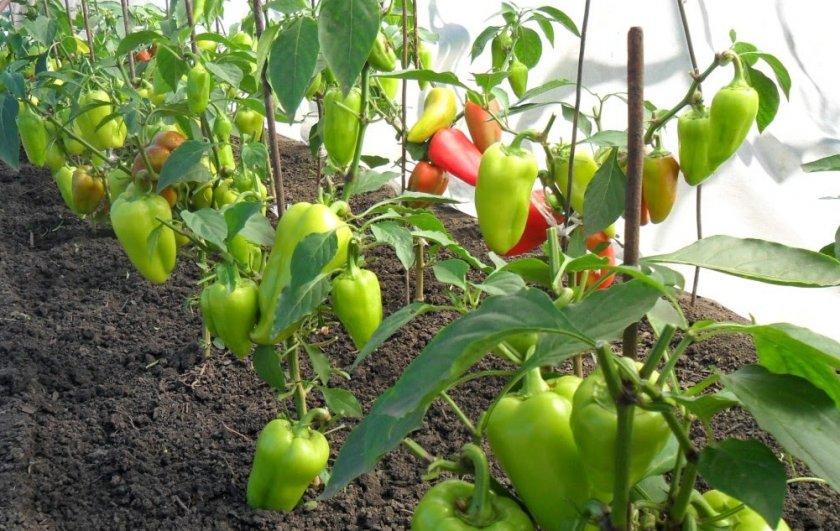
How far apart from sweet peppers should hot peppers be planted? Experienced gardeners agree that the further, the better. The distance between the vegetables should be at least 15 meters.
Fennel
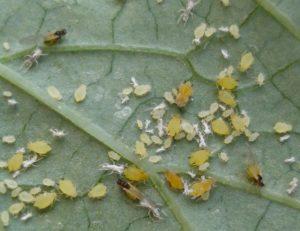
This spice plant should never be planted next to hot peppers. The herb absorbs all the nutrients from the soil. It suppresses the hot peppers, causing them to turn yellow and wilt, and the plants to stop growing and develop. Fennel causes peppers to become diseased. Fennel doesn't do well with any other garden crop; it's planted along fences.
Beans and peas
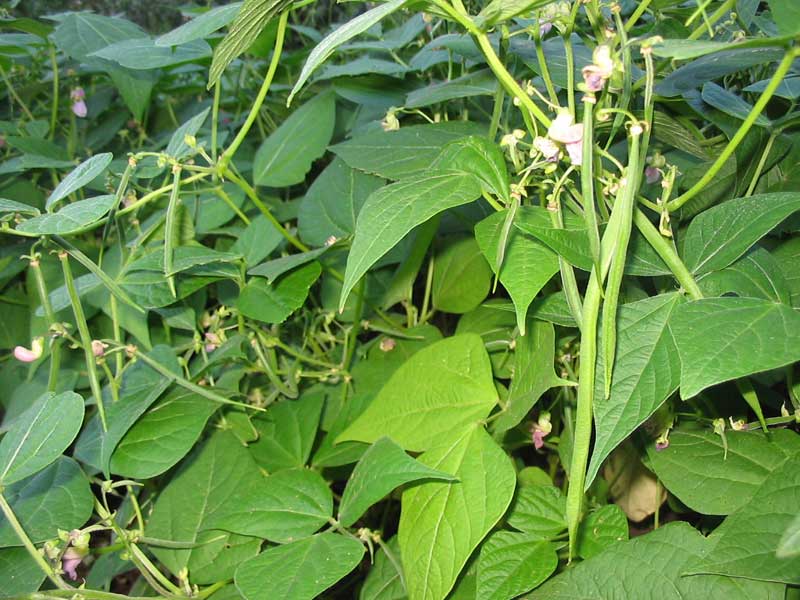
These plantings are less detrimental to the development of this hot vegetable. Tall peas and bean plants will shade the peppers, which they cannot tolerate.
Cucumbers
The plant is a heat-loving plant, requiring watering and fertilizing. Pepper plants don't like fertilizing. Large cucumber leaves will shade the peppers. Insufficient light and warmth will affect the pepper's yield.
Beneficial and harmful precursors of pepper
Experienced gardeners do not plant garden crops in the same place every year. Growing hot peppers produces good results when planted in a place where cereals and green manure crops, such as mustard and clover, were previously grown.
After legumes, pepper plants grow quickly, thrive, and are disease-free, as legumes enrich the soil with beneficial minerals such as nitrogen and potassium. They thrive in areas previously planted with early cabbage, such as white cabbage and cauliflower.
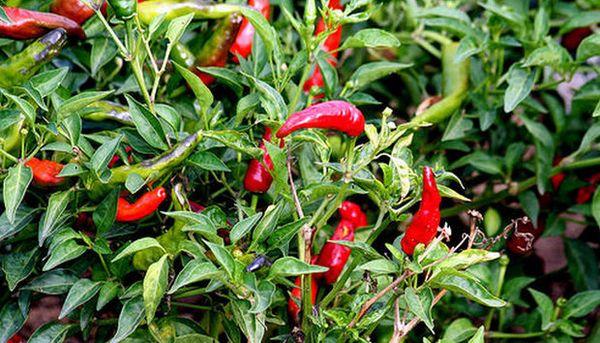
The following crops can be predecessors of this spicy vegetable:
- squash, zucchini;
- melon, watermelon;
- cucumbers, pumpkins;
- onions, garlic;
- carrots.
And after beets, corn, late cabbage, tomatoes, sweet peppers - vegetables that have depleted the soil - the peppers will grow poorly and the harvest may be disappointing.
Important: Mixing hot peppers with eggplants and tomatoes is possible and beneficial. However, hot peppers should not be planted in the same location where they were previously grown to prevent disease, as infections and harmful larvae may remain in the soil.
For which plants is pepper a good predecessor?
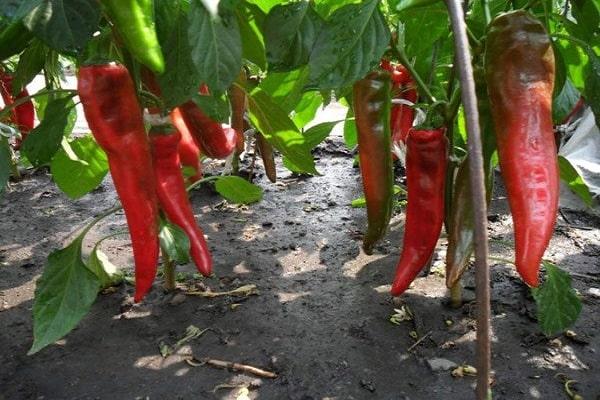
Hot peppers are members of the Solanaceae family. They share similar growing and care requirements and are susceptible to the same diseases. Plants from the same family cannot be related to each other.
Don't plant eggplants, potatoes, tomatoes, or even hot peppers after them for at least three years. The following will thrive and produce an excellent harvest:
- onion;
- cabbage;
- carrot;
- parsley;
- basil;
- legumes;
- corn.
Years of gardening experience show that mixed vegetable plantings make work easier, transform the garden, giving it a new look, and deliver a delightful harvest. The key is to not be afraid to experiment.
Related posts:
 TOP 40 New Year's 2020 Meat Recipes Using Pork, Beef, Chicken, and Lamb
 TOP 40 Hot Dish Recipes for New Year 2020: What to Cook
 Description of the best varieties of ornamental peppers, growing and caring for them at home
 What to plant next to bell peppers, what crops can they be planted next to?
 Preparing pickled peppers in oil for the winter using simple recipes and storage conditions
 10 simple Armenian-style pickled hot pepper recipes for the winter
 Top 15 Recipes for Pickled Hot Peppers at Home
 Description of the best pepper varieties for greenhouses and open ground in 2025