
- Brief characteristics of the culture
- Description of pepper
- Necessary conditions for growing
- Peppers for open ground: which variety to choose
- How to sow pepper seedlings
- Suitable timing
- Seed preparation
- Selecting a planting container and soil
- Sowing scheme and seedling care
- When and how to transplant seedlings into open ground
- Picking
- Bush placement patterns and planting rules
- How to care for young seedlings and mature bushes
- Plant fertilizing
- Regularity of watering hot peppers
- How to shape and trim peppers
- Harvesting and storage
Hot peppers are less common than sweet peppers. Their pungent flesh isn't to everyone's taste, but the vegetable has a number of beneficial properties and is prized for its rich nutritional content. Growing hot peppers outdoors requires a special approach and several considerations.
Brief characteristics of the culture
When planning to plant hot peppers, it's recommended to familiarize yourself with the crop's basic characteristics. Hot peppers differ from other varieties in appearance, taste, and other characteristics.
Description of pepper
Hot peppers grow on branching annual plants averaging 30-50 cm in height. Depending on the specific variety, the fruit size ranges from 1.5-14 cm. When ripe, the peppers turn a bright red color, but they can be used for cooking while green.
Chili peppers contain a large number of beneficial elements, as well as carotene and essential oils. They are most often used as a gourmet spice in dishes or for winter preserves.
Necessary conditions for growing
Peppers are heat-loving vegetables, so it's recommended to plant them outdoors in southern regions. The garden should be consistently illuminated during the day. Shade can cause the vegetables to become smaller and reduce the yield.

Peppers for open ground: which variety to choose
To select the right variety for growing, it's important to consider a number of factors. Of particular importance are:
- Ripening period. The growing season for most varieties lasts 4-5 months, and comfortable temperatures are required for full plant development during this period. Before planting, it's important to determine the duration of the warm period and, based on the average temperature, select a variety with early or late ripening times.
- Resistance to external factors. When growing peppers, you may encounter sudden temperature fluctuations, pest infestations, and disease outbreaks. To simplify daily care and avoid losing a harvest, it's best to choose varieties with enhanced immunity and protective properties.
- Flavor characteristics. Depending on your personal preferences, you should choose a pepper variety with the appropriate level of bitterness. Different varieties range from mild to intense in terms of the amount of capsaicin, which influences the spiciness of the flavor.
How to sow pepper seedlings
Growing peppers from seeds using seedlings is the optimal option, allowing for a large harvest with minimal labor. When sowing for seedlings, it's important to consider a number of nuances and follow the step-by-step instructions.
Suitable timing
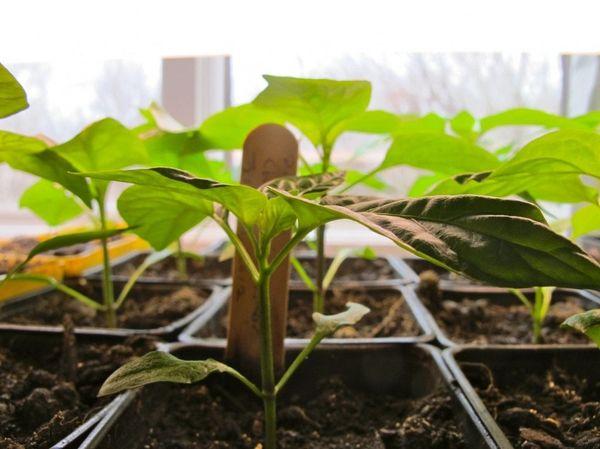
Sowing is carried out at different times, taking into account the ripening time of a particular variety and the climatic conditions in the region. Experience shows that seedlings grow best when they are at least 60 days old. Experienced gardeners sow in the last ten days of February, when the sunny days gradually increase.
Early-ripening varieties require less time to germinate than late-ripening varieties. Pepper varieties planned for cultivation under plastic can be planted 2-3 weeks later than varieties intended for open ground. The latest time for sowing seedlings is mid-March, otherwise the plants will not have time to produce a full harvest during the warm season.
Seed preparation
Pre-treatment of seeds can increase germination. First, place the seeds in a cloth and soak them in a growth stimulator for 15-20 minutes. Then, transfer the seeds to a plastic bag and leave them in a warm place for a couple of days. You can also heat the seeds in an oven at 80 degrees Celsius to disinfect them.

Treated seeds germinate 8-10 days faster. Planting without preparation will result in slower growth and may impact further development. Hot pepper seeds with colored coatings can be planted without treatment, as these seeds are completely ready for planting.
Selecting a planting container and soil
For sowing seedlings, you can choose a common container or individual pots. Seedlings develop well when planted in special seedling trays, boxes, or plastic cups. Modern and convenient options include decomposable peat pots and pellets, from which you don't need to remove the seedlings when moving them to a new location.

The soil for sowing hot peppers can be made from a mixture of leaf mold and humus. Sand, peat, or coconut coir can also be used as additional components. Before sowing, the soil is disinfected by treating it with a heated solution of potassium permanganate or Fitosporin. Commercially available soil specifically designed for seedlings can also be used.
Sowing scheme and seedling care
The seeds are planted at a depth of approximately 1 cm, leaving a gap of 2-2.5 cm between each seedling. After planting, the seedling container is covered with plastic to create a greenhouse effect and kept at an ambient temperature of 25-28 degrees Celsius (77-82 degrees Fahrenheit) until the seedlings emerge. Once the first shoots emerge from the soil, the temperature is lowered to 18 degrees Celsius (64 degrees Fahrenheit).
When caring for seedlings, it's important to ensure they receive adequate light. The soil temperature should be comparable to the ambient temperature, so leaving containers with seedlings on uninsulated windowsills or loggias is not recommended. Water the seedlings frequently, but use small amounts.

When and how to transplant seedlings into open ground
When the seedlings reach a height of about 30 cm, they can be transplanted into open soil for further development. Before planting the seedlings in their permanent location, it is recommended to prepare the seedlings for several days. To do this, periodically expose the containers with the seedlings to the open air, gradually increasing the time spent preparing the seedlings.
Hardening off helps plants adapt to new conditions and increases their survival rate in the soil.
Picking
Before transplanting, the soil is well moistened to make it easier to remove the seedlings from the seedling containers. It is better to remove the seedlings together with the root ball - this will prevent damaging the fragile roots. The plants are placed in fertilized planting holes and covered with soil. For best results, transplant when the plants have 2-3 true leaves.

Bush placement patterns and planting rules
For proper root development, it's important to know how far apart to plant seedlings. To ensure a large harvest, maintain spatial separation and leave at least 15 cm between seedlings.
For the first few days after planting, provide shade to the plants. If the roots of the seedlings were damaged during transplantation, they can be left to grow, but their growth will be stunted. The plants will need an additional 10-15 days to restore their roots.
How to care for young seedlings and mature bushes
Peppers require comprehensive care at all stages of growth. When considering how to properly grow hot peppers, it's essential to ensure irrigation, fertilizing, and pruning.


Plant fertilizing
Fertilizing plants promotes vigorous growth and fruiting. Fertilizers are applied 1-2 times per month. To increase yield, it is recommended to treat hot peppers with water-soluble complex fertilizers and wood ash infusion. If slow seedling development is observed, treatment with a growth stimulant solution is recommended.
Regularity of watering hot peppers
Throughout the growing season, the soil should be kept moderately moist. Hot peppers should be watered sparingly, as they dislike drought and excessive moisture.
Insufficient watering causes fruit to shrink, and stems to become stiff and break. Excessive moisture can lead to root rot. During flowering, increased watering intensity is acceptable. Use only warm water each time you water.
How to shape and trim peppers
The shaping procedure allows for optimal planting proportions and increased hot pepper yields. When the main stem grows taller than 25 cm, it is pinched. Lateral shoots are regularly trimmed, leaving 4-5 of the most developed. During flowering, the first inflorescences are removed so that the plant can focus its energy on developing bushes rather than producing vegetables.
Harvesting and storage
Ripe peppers are carefully cut from the bushes, stems included. To avoid damaging the plant, use sharp garden shears. It's recommended to store the harvest in a dark place with an ambient temperature of around 20 degrees Celsius. These conditions will allow the peppers to ripen, significantly improving their flavor.
Related posts:
 Planting, growing, and caring for peppers in open ground in the Moscow region: the best varieties
 Description of the best varieties of ornamental peppers, growing and caring for them at home
 TOP 40 New Year's 2020 Meat Recipes Using Pork, Beef, Chicken, and Lamb
 TOP 40 Hot Dish Recipes for New Year 2020: What to Cook
 Planting, growing, and caring for bell peppers in open ground
 10 simple Armenian-style pickled hot pepper recipes for the winter
 How to grow peppers from seeds at home: choosing a variety, planting, and care
 TOP 20 delicious recipes for preparing bell peppers for the winter