
The Hercules hybrid pepper's name alone reveals its main characteristics and advantages. Its large size, exceptionally thick walls, and excellent yield have made it popular among both home gardeners and commercial pepper farmers.
Appearance
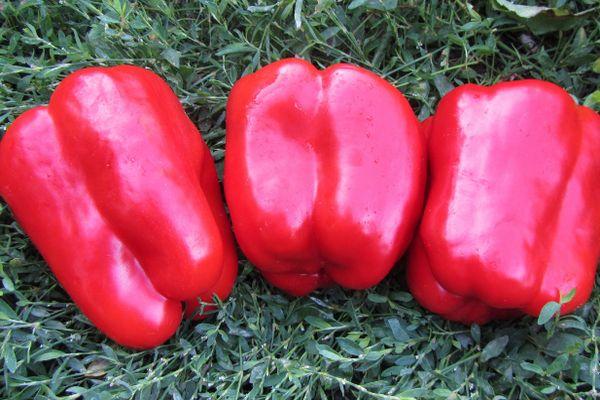
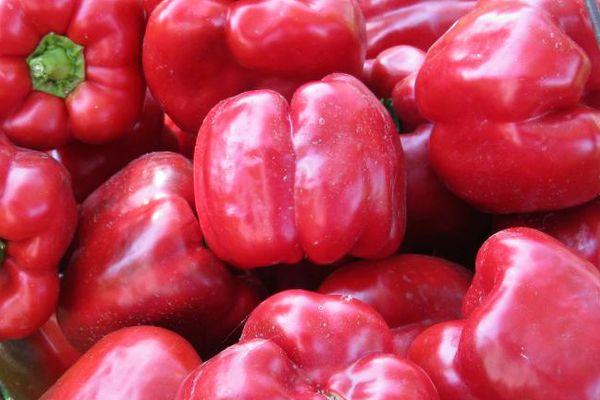
The fruit is cubic in shape and contains few seeds. Dimensions: length – up to 12 cm, diameter – 10-11 cm. Average weight – 200 to 250 g, but some peppers can reach up to 350 g. The wall is thick, up to 1 cm, although the average is 0.5 to 0.7 cm.
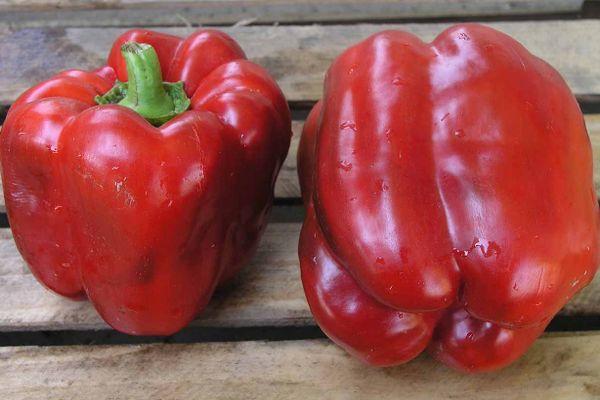
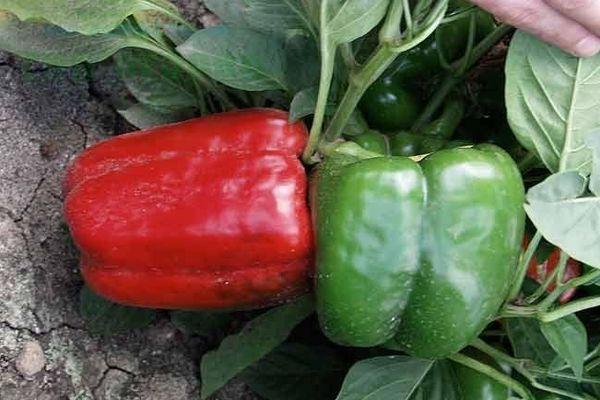
Ripe, fully ripened peppers are a rich red color. The foliage is quite abundant, and the plant is striking in its vigor.
Main characteristics
The characteristics and description of a variety are the first thing a gardener should become familiar with before starting to grow any crop.
The Hercules variety is considered mid-season. It takes up to 70 days from the first shoots to ripening.
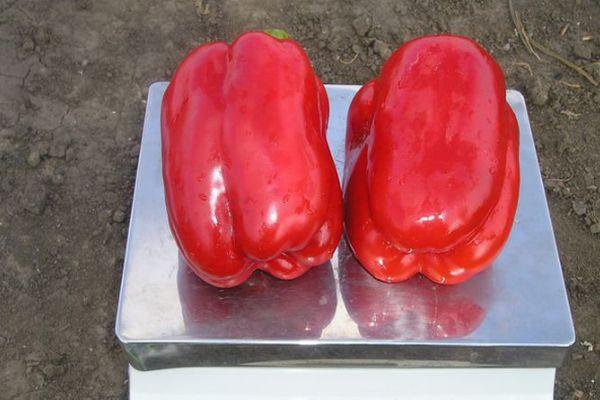
When grown outdoors, the yield is 1.5-2 kg per bush. In greenhouse conditions, the yield increases—one bush can produce up to 3.5 kg of fruit.
Reviews from representatives of large farms indicate an average yield of up to 40 tons per hectare, but under optimal conditions, over 50 tons can be harvested per hectare. There are cases of harvesting 55-57 tons of sweet fruit. This further emphasizes that this is not just any vegetable, but the Hercules pepper.
Both experts and consumers appreciate the fruit's flavor. Reviews indicate that children enjoy its sweet, rather juicy taste, as well as its pleasant, rich aroma. A slight bitterness is present, but it doesn't detract from the experience. Ripe peppers are fleshy and firm. They can be eaten fresh, processed, or frozen. The pepper is easy to transport and can withstand heavy use.
The Hercules variety is immune to many common diseases and, compared to other varieties, tolerates drought and extreme heat well. The hybrid was developed in France.
The description would be incomplete without mentioning some of its shortcomings. Gardeners' reviews indicate that growing this crop requires good organization and strict adherence to all care guidelines. The Hercules pepper variety is very sensitive to timely fertilizing, watering, and other agricultural practices.
The fruits slowly change color from dark green to red; when technically ripe, the peppers remain dark green. Farmers seeking to get peppers to market as early as possible point to the peppers' late ripening compared to some other varieties, which reduces the potential for selling at the highest possible prices.
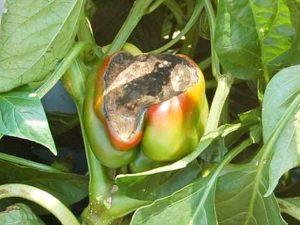
A sharp drop in temperature can increase the risk of rhizoctonia.
Overall, the Hercules F1 pepper, the characteristics of which are described above, despite the shortcomings noted, is not without reason popular among gardeners and farmers who cultivate this vegetable, thanks to its undeniable advantages (yield indicators, size and taste).
Care instructions
Proper development and formation of the Hercules pepper is impossible without carefully following the requirements and nuances inherent in growing a hybrid.
The seedling method is used. Peat pots or trays are recommended for sprouts. Peppers are quite heat-loving plants. For seed germination, the temperature must rise to 15°C.
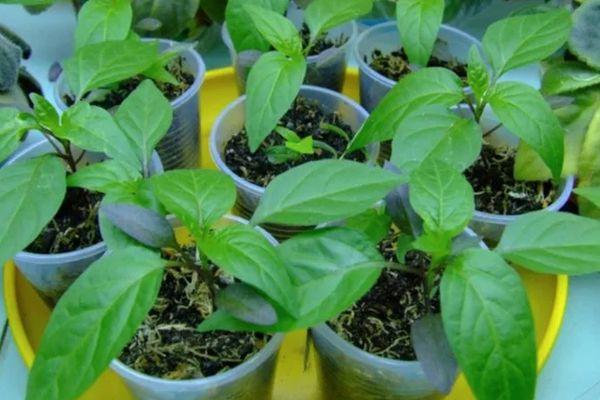
Seedlings emerge depending on weather conditions and temperature. The first shoots can appear within one week if the temperature is between 24 and 28°C.
Repotting should be done when at least five fully developed leaves appear. This takes 30-40 days. Maintaining the correct temperature is crucial when growing this hybrid. Even a seemingly small deviation of a couple of degrees will delay the pepper's development for several days.
Take a look Also

Plants need to be provided with lighting. The most common option is to use sodium vapor lamps. This lighting should be provided for at least 12 hours a day.
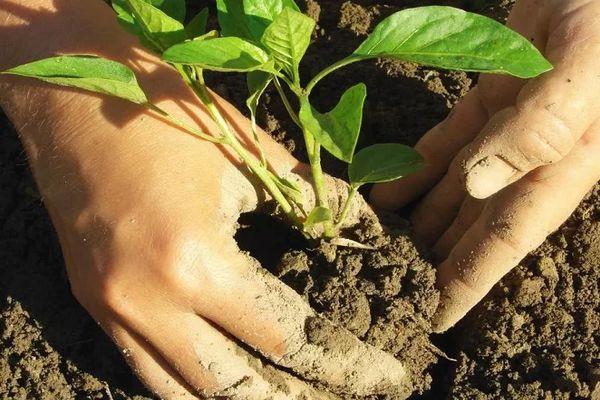
Seedlings are planted 5-10 mm deep. The planting pattern differs for greenhouses and open-ground cultivation.
During the growth process, plants need to be tied up and shaped, as well as the timely removal of side shoots.
Drip irrigation will reduce the physical effort required to manage the watering process. Its efficiency will ensure a good harvest.
Regular fertilizing is essential. This should begin two weeks after planting. It is important to select a balanced complex diet containing all the necessary elements and minerals for the crop.
To significantly increase the yield, and according to some data this figure reaches 20%, the crown flower should be plucked, not at the top of the main stem, but a little lower, where its most productive part is located.
The stem bifurcates, leading to shoot branching, which significantly increases the number of fruits and the fruiting period. This allows for larger and heavier fruits.
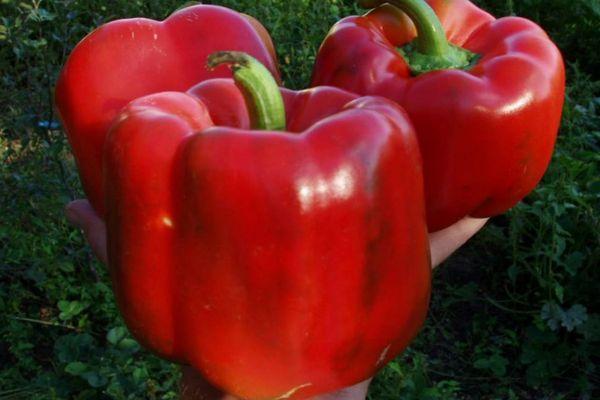
The variety lives up to its name, named after the legendary ancient hero. While it combines the best qualities of a god's son, it also has its weaknesses, like any ordinary person. However, reviews from those who have at least once tasted the vegetable's wonderful flavor suggest that growing this hybrid will allow a private gardener to delight their family and friends with a fragrant harvest, and will also bring in a good profit for the farm.
Related posts:
 TOP 40 New Year's 2020 Meat Recipes Using Pork, Beef, Chicken, and Lamb
 TOP 40 Hot Dish Recipes for New Year 2020: What to Cook
 Description of the best varieties of ornamental peppers, growing and caring for them at home
 Description of the best pepper varieties for greenhouses and open ground in 2025
 Preparing pickled peppers in oil for the winter using simple recipes and storage conditions
 Characteristics of the Hercules hybrid onion, cultivation and harvesting
 Top 15 Recipes for Pickled Hot Peppers at Home
 10 simple Armenian-style pickled hot pepper recipes for the winter
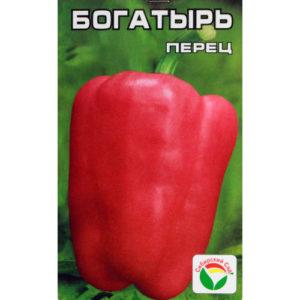
I managed to grow this pepper on my first try. It's incredibly sweet and juicy, and I'll be planting it exclusively from now on. The only fertilizer I used was "BioGrow", it contains everything you need.