
- Characteristics of culture
- What does Savoy cabbage look like and how does it grow?
- Beneficial properties and contraindications
- Description of common varieties
- Early varieties
- Mid-season
- Late-ripening varieties
- The nuances of growing cabbage
- Selecting the optimal soil composition
- Preparing a container for planting
- Preparing seeds for growing
- Technology and timing of sowing
- We organize care for seedlings
- How to care for the crop
- Irrigation frequency
- Pest and disease control
- Watering, weeding, loosening and hilling the beds
- Harvesting and storage of crops
Savoy cabbage, an exotic garden crop, attracts the attention of garden enthusiasts due to its relative ease of growing conditions and frost resistance. It is distinguished by its high concentration of nutrients (potassium, magnesium, iron, and others), which explains its beneficial effects on the human body and immune system. Growing and caring for Savoy cabbage is not particularly difficult; the key is to know the basic rules of agricultural technology.
Characteristics of culture
Savoy cabbage originated in sunny Italy. Three centuries ago, a gardener from the Duchy of Savoy developed this unique product.
What does Savoy cabbage look like and how does it grow?
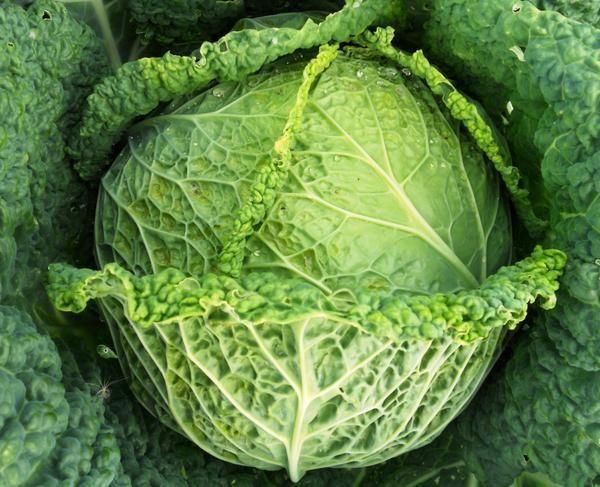
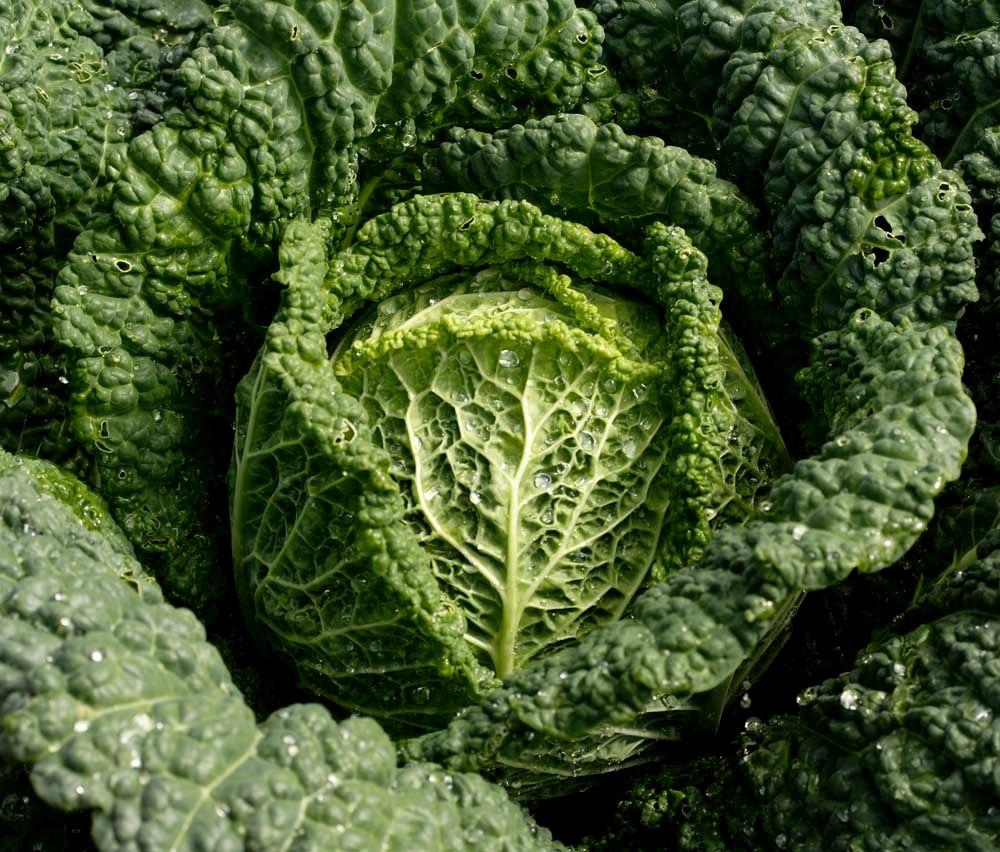
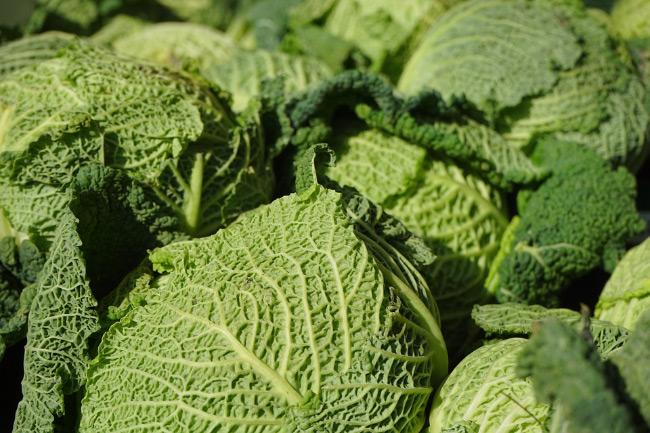
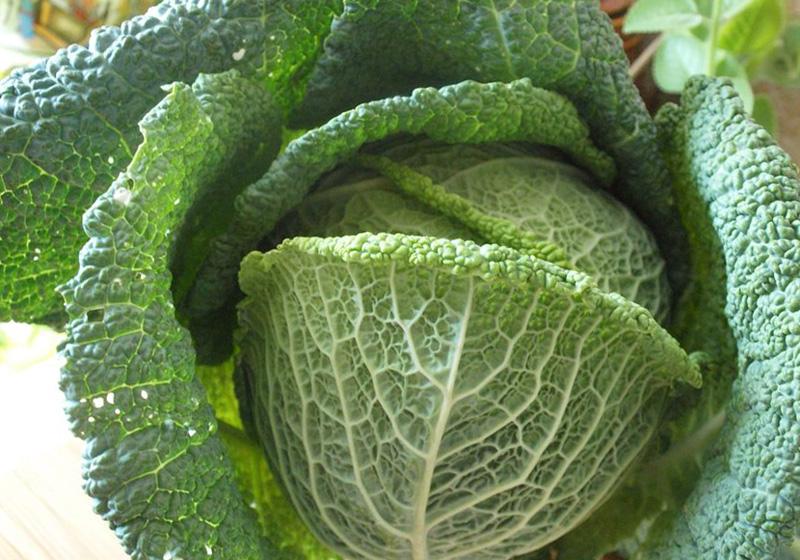
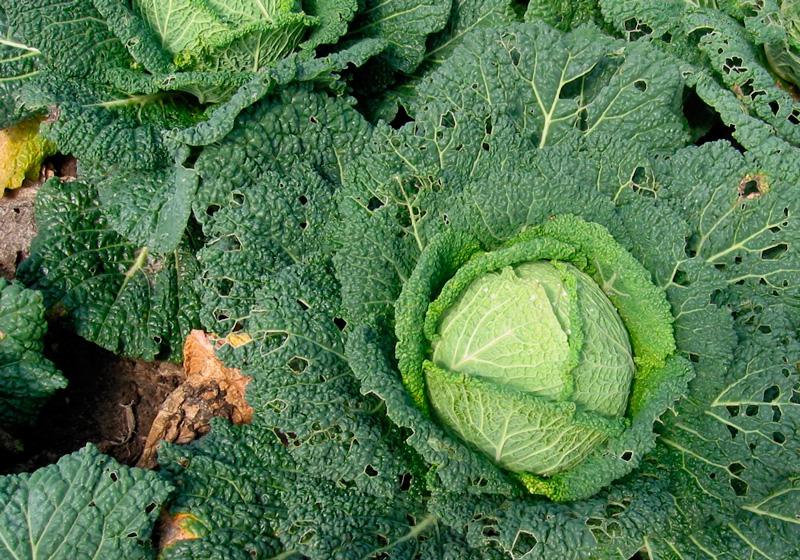
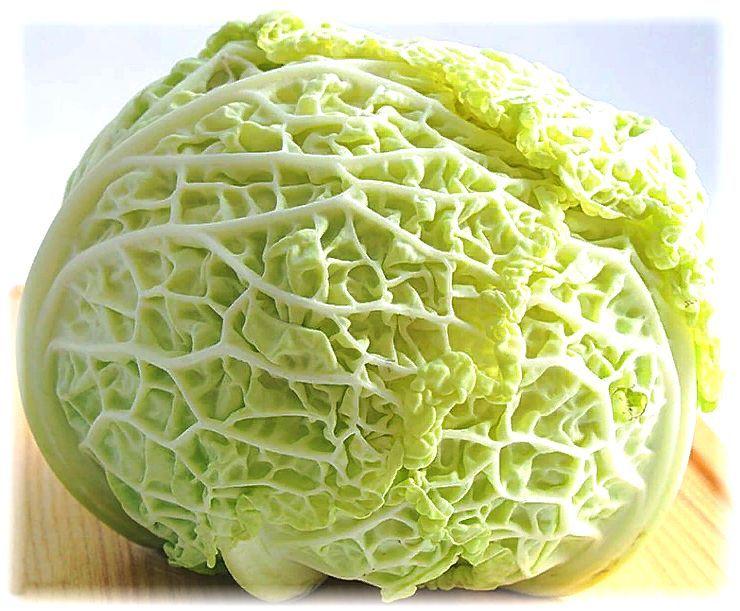
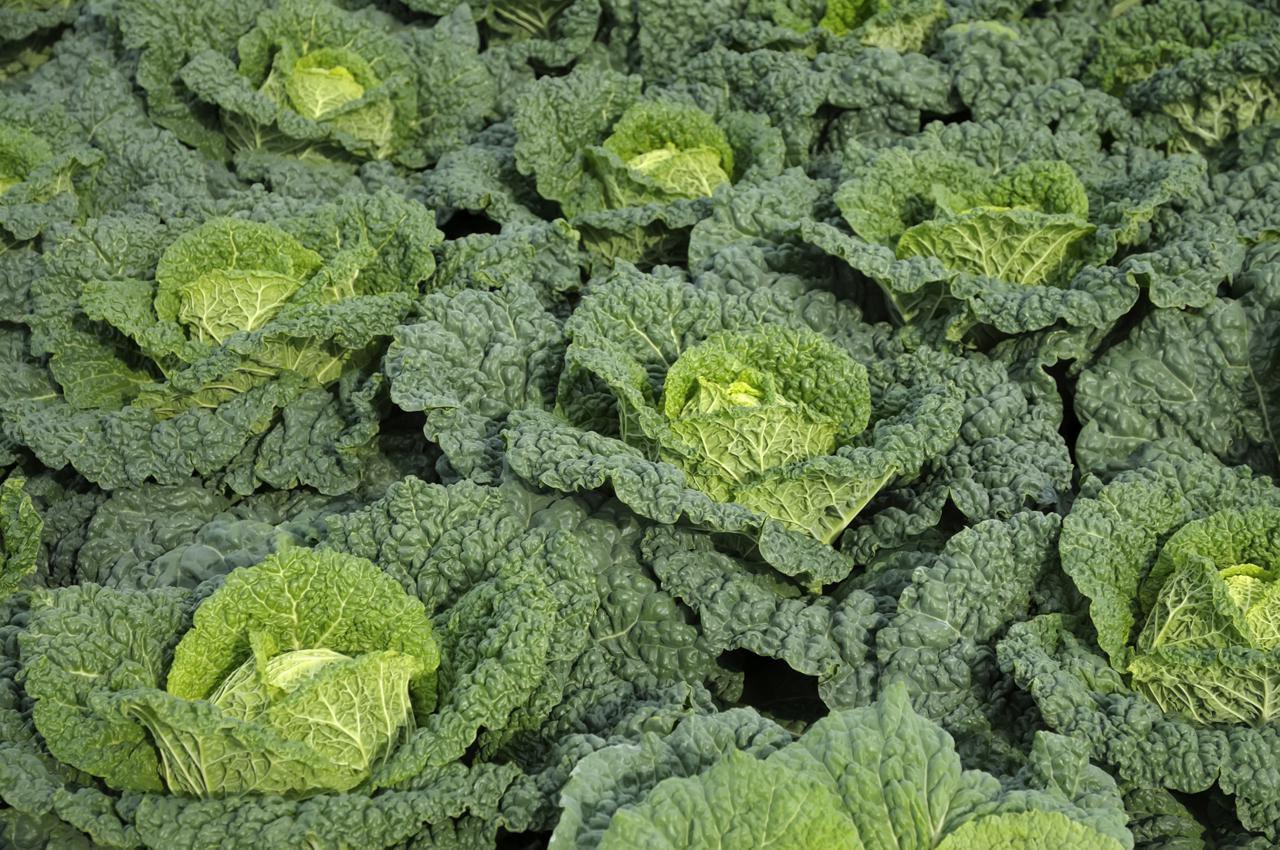
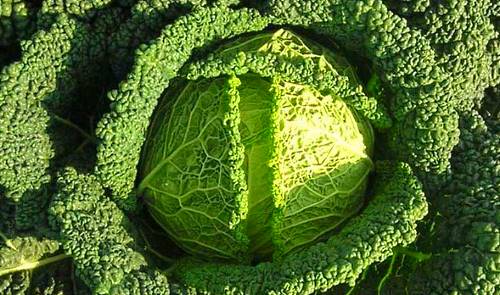
A plant in the Cruciferae family, Savoy cabbage is a completely separate species; its seeds take two years to mature. Savoy cabbage is distinguished by its corrugated, light-green leaves, which can also be emerald, with a bluish tint.
The rather tall stem is covered with large leaf blades, which is why Savoy cabbage has a rather unusual appearance; it can be compared to an exotic plant.
The head has a loose texture, weighing on average 0.8-2.5 kilograms, depending on the cabbage variety. Its shape also varies: round, slightly flattened, or dome-shaped. Savoy cabbage is not suitable for winter preservation, pickling, or fermentation, as the soft and thin leaves can cause it to turn into a mushy mass. Fresh cabbage can be stored under appropriate conditions only until December.
Beneficial properties and contraindications
Savoy cabbage has the following positive properties:
- normalizes blood pressure levels;
- helps relieve swelling;
- increases the body's defenses;
- allows you to lose excess weight;
- accelerates the wound healing process;
- reduces blood cholesterol levels;
- improves brain function;
- removes waste and toxins from the body;
- normalizes the functioning of the digestive tract;
- strengthens bones and skeleton;
- is a preventative measure against oncological diseases;
- stimulates the nervous system;
- improves vision.
Savoy cabbage isn't just beneficial; it can also cause excessive gas after consumption. Therefore, it should be included in the diet of young children and pregnant women in moderation.
Savoy cabbage is not recommended for consumption by people suffering from gastrointestinal diseases, especially during exacerbations of the disease.
This product is contraindicated for people prone to allergic reactions to all types of cabbage. This also applies to those with thyroid problems, acute peptic ulcers, pancreatitis, or kidney stones.
Description of common varieties
To avoid making a mistake when choosing Savoy cabbage, it is recommended to familiarize yourself in more detail with popular varieties and hybrids.
Early varieties
Among the early maturing varieties of Savoy cabbage are:
- Golden Early. Harvesting is possible as early as 105-110 days after sprouting. This cabbage is distinguished by its rounded, concave leaves, which are bluish-green in color and form a semi-raised rosette. The heads are medium-firm, weighing 700-800 grams.
- Moskovskaya Lacemaker. This domestically bred variety boasts high commercial qualities, increased resistance to key diseases (Fusarium, bacterial blight), and excellent yields (40 kilograms per 10 square meters). Savoy cabbage reaches harvest maturity in 90-95 days.
- Petrovna. This variety is characterized as undemanding in terms of growing conditions and resistant to adverse environmental factors. The leaves are dark green with a bluish tint, and the rosette is wide and horizontal. Each head weighs 1.2 kilograms.
Mid-season
Prominent representatives of mid-season hybrids are:
- Melissa F1. This relatively undemanding plant tolerates cold and drought well, is virtually resistant to cracking, and is immune to fusarium. A 10-square-meter plot yields 42-43 kilograms of produce. Savoy cabbage has a shelf life of 4-5 years.
- Sphere F1. This tender cabbage produces a medium-density, round head with excellent consumer qualities. It weighs 1.5-2.5 kilograms, and under favorable growing conditions, yields reach 80 kilograms per 10 square meters. This hybrid is highly resistant to cracking.
- Harvesting is possible in cold regions 140-150 days after sprouting, and in warm regions, 108-130 days. The flattened heads reach 25 centimeters in height and have high commercial and consumer qualities. The yield per 10 square meters is 70-80 kilograms. They are not susceptible to cracking.
Late-ripening varieties
The following varieties have proven themselves well:
- Virosa F1. This fungal-resistant cabbage reaches harvest maturity 160-165 days after sprouting. Its high frost and drought tolerance make it suitable for cultivation almost anywhere.
- Nadya F1. Savoy cabbage is resistant to cracking, has a shelf life of up to six months, and is resistant to fusarium. Yields range from 44 to 63 kilograms per 10 square meters.
- Alaska F1. This hybrid is suitable for long-term storage, with harvesting occurring in 160 days. This cabbage boasts excellent flavor and low susceptibility to cracking. Productivity figures reach 60 kilograms per 10 square meters.
The nuances of growing cabbage
To obtain not only a quantitative but also a high-quality harvest of Savoy cabbage, you need to know how to properly grow seedlings and what care to provide them during the active growing season.

Selecting the optimal soil composition
Savoy cabbage grows and thrives best in soils with good moisture and air permeability and low acidity. For growing agricultural crops, we recommend using:
- A mixture of peat, garden soil, and sand. All components are taken in equal parts. To normalize the acidity, ash (1 tablespoon) or lime is also used.
- Ready-to-use potting soil from a specialized retailer. It is heat-treated before use.
- A soil mixture consisting of coconut substrate (3 parts) and vermiculite (1 part). These components minimize the risk of Savoy cabbage infection with blackleg.
- Peat tablets, which, in addition to peat, also contain mineral components, antiviral substances, and growth stimulants. This combination of beneficial components allows young plants to increase their resistance to diseases and pests and develop more vigorously. Home-made soil must be disinfected with a solution of potassium permanganate or diluted Fitosporin (1 drop per 1 liter of water).
Preparing a container for planting
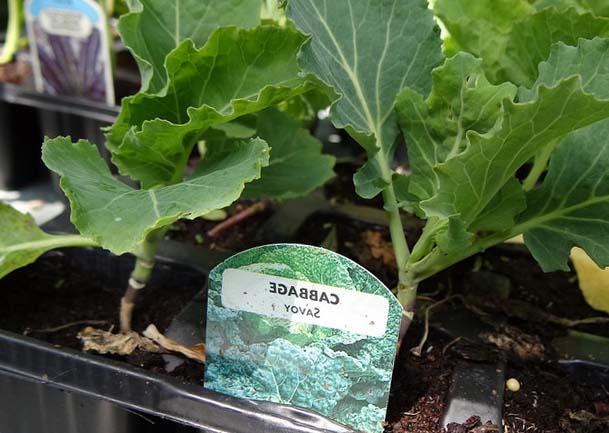
Peat cups are a good way to sow seeds in the soil, which are then placed in the garden bed along with the seedlings. Long containers or individual containers are also suitable.
To avoid unnecessary damage to the root system of the seedlings, it is recommended to sow the seeds immediately into individual pots.
To prevent the development of rot in the root system of young plants, drainage holes must be provided in containers. Otherwise, the seedlings will die in conditions of excessive moisture.
Preparing seeds for growing
Unlike purchased seeds, which have already undergone pre-sowing preparation, untreated seeds require procedures such as:
- Calibration involves the selection of medium and large specimens.
- Disinfection using a solution of potassium permanganate or Fitosporin.
- Activation involves stimulating the seedling germination process through exposure to hot water (50 degrees Celsius) and cold. First, the seeds, wrapped in a napkin, are soaked in a container of hot water for 10-15 minutes, then kept in the refrigerator for 24 hours.
- Saturation involves soaking the seeds in a solution of Epin (2 drops per 1 liter of water) or Nitrophoska (5 grams per 1 liter of water). This procedure is performed before storing the seeds in the cold.
Technology and timing of sowing
Before sowing the seeds into the soil mixture, they need to be allowed to dry. Recommended times are early March (for early-ripening varieties) and the last ten days of March to early April (for mid- and late-ripening Savoy cabbage).
The sowing process consists of:
- Forming grooves 10 millimetres deep, maintaining a distance of 3 centimetres between them.
- Place seeds at intervals of 15 millimetres between them.
- Covering the furrows with soil.
- Irrigation of crops from a spray bottle.
- Creating greenhouse conditions using polyethylene.

After a week, the plantings need to be thinned out, leaving strong specimens.
We organize care for seedlings
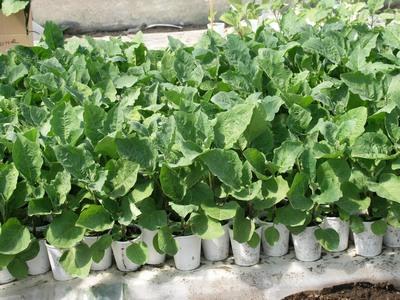
After 5-7 days, Savoy cabbage sprouts will emerge from the soil. The film is then removed and the room temperature is maintained at 10-12°C (50-53°F), with a nighttime temperature of 8°C (46°F). After another week, the daytime temperature is increased to 20°C (68°F), and the nighttime temperature to 18°C (64°F). The plants require 12 hours of light per day. The soil is moistened as the topsoil dries.
How to care for the crop
The main activities for caring for Savoy cabbage in open ground include: irrigation, fertilizing, and loosening.
Irrigation frequency
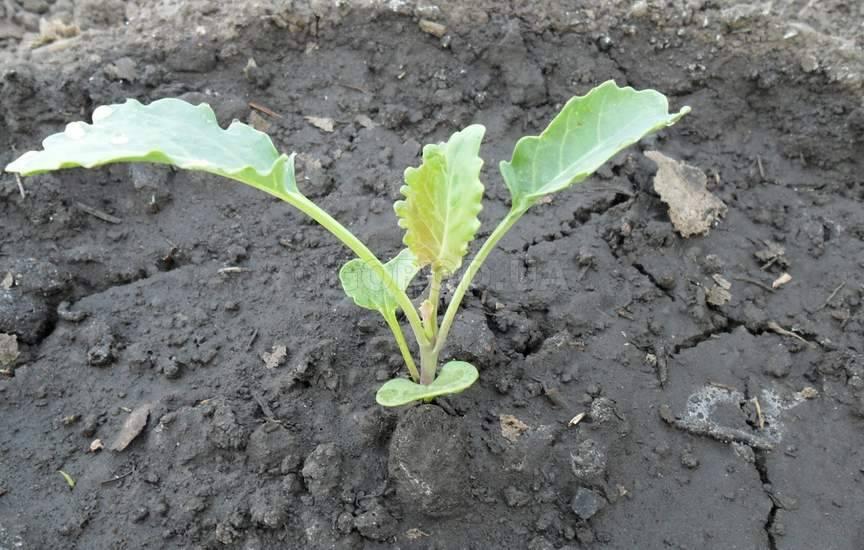
Savoy cabbage is watered daily for the first 2-3 weeks, using 7-8 liters of water per square meter. Subsequently, the rate is reduced by 1.5 times, with intervals of 5-7 days between treatments.
Pest and disease control
To prevent diseases and pest infestations, Savoy cabbage is dusted with wood ash at a rate of 1 cup per square meter. To combat fungal infections, plants should be treated with a potassium permanganate solution.
Watering, weeding, loosening and hilling the beds
Savoy cabbage should be watered especially generously in June for early-ripening varieties, and in August for late-ripening hybrids. To prevent oxygen starvation of the Savoy cabbage roots, it is recommended to loosen the soil after each watering. Hilling should be done three weeks after planting, and then repeated 10 days later.
Harvesting and storage of crops
Early Savoy cabbage is harvested in mid-July, and late Savoy cabbage in mid-October. The harvest can be stored in a cellar at a temperature of 1-3 degrees Celsius for three months, but only late-ripening varieties are suitable for this purpose.
Savoy cabbage is an undemanding and high-yielding plant. The key is to follow basic planting and care guidelines and adhere to recommendations for preparing the planting material.
Related posts:
 Description of the best cabbage varieties for 2025 for different regions
 Descriptions and characteristics of the best varieties of cabbage, all types with names
 Description and characteristics of the best varieties of late cabbage, planting and care technology
 Top 40 Best Cabbage Varieties with Descriptions and Characteristics
 Growing and caring for Chinese cabbage in open ground and greenhouses
 Planting, growing, and caring for Chinese cabbage in open ground
 Why cabbage leaves wilt in the garden and what to do
 Planting, growing, and caring for cauliflower in open ground and greenhouses