
Cabbage is one of the most popular agricultural crops. The plant is relatively undemanding in terms of growing conditions and is resistant to temperature fluctuations. It is valued for its rich chemical composition (calcium, potassium, magnesium, iron, and other beneficial components) and its beneficial effects on the human body. Marketed cabbage varieties are differentiated not only by maturity time but also by their consumer qualities.
Types of Cabbage: Characteristics and Description
Every year, breeders create new varieties of cabbage that surprise with their taste, appearance, and color. There are over 90 varieties of this useful agricultural crop, divided by growing season into early-ripening (70-115 days), mid-season (115-150 days), and late-ripening (150 days and older). To purchase a promising variety, it's important to know the different types of cabbage and how they differ.
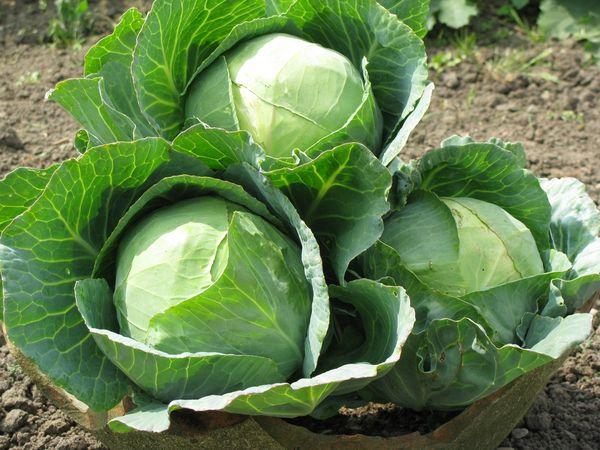
White cabbage
White cabbage, easily recognizable by its round, greenish-white head, is considered a cold-resistant and hardy plant. It tolerates temperatures as low as 3-4 degrees Celsius. It is grown primarily from seedlings; only early-ripening varieties are sown directly into the ground under temporary cover.
To prevent young plants from stretching, it is better to place them in greenhouses.
For a novice gardener who doesn't yet know the different types of white cabbage, it's difficult to choose. Among the late-season varieties Stone head cabbage is especially prized, Kharkivska, and Amager. These varieties are known for their good shelf life and can be stored over the winter. For fresh consumption, it's best to plant cabbage varieties such as June, Transfer, Slava, and Zolotoy Hektar.
Colored
This type of cabbage is an annual plant. Its distinctive feature is the formation of numerous shoots at the top of the stem, each bearing white or yellow buds, which form dense inflorescences. These are the edible shoots. Cabbage can withstand temperatures as low as 7 degrees Celsius (44 degrees Fahrenheit) and stops forming heads at -10 degrees Celsius (12 degrees Fahrenheit). The plant does not tolerate hot and dry weather well.
Cabbage varieties such as Koketka, Lateman, Snowball, and Snezhny Shar (Snowball) are highly productive. However, they should not be used for winter storage.
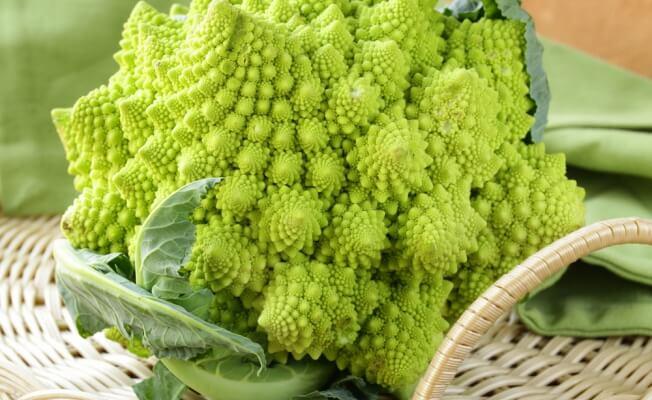
Romanesco or Roman
A hybrid form of cabbage known as Romanesco is particularly popular among vegetable growers. It attracts attention with its exotic appearance—the head resembles a pointed geometric shape, formed by buds arranged in a spiral. Romanesco has a delicate and pleasant flavor, and it looks especially beautiful in winter salads.

Broccoli
Broccoli is very similar in appearance to cauliflower, with heads that can be green, purple, or white. This cold-hardy plant prefers fertile soil and moderate watering. The most common varieties grown in gardens include Linda, Caesar, and Tonus. Broccoli has a piquant flavor, which gives it a unique character.
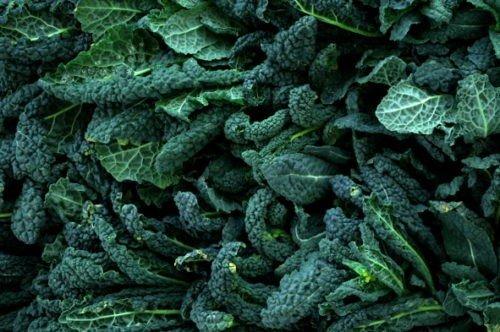
Black
This variety has an unusual, dark purple color, almost black. It originates from Sicily, and is also known as Sicilian cabbage. It thrives in warmer climates and is best planted in southern regions. It is distinguished by its elongated leaf blades, covered in a waxy coating. When cooked, the leaves turn emerald. Black cabbage is primarily used as a garnish for salads, but it also has many beneficial properties, especially its high concentration of vitamin A.
Red cabbage
Red cabbage has a distinctive red-purple color and contains twice as much vitamin C as white cabbage, and four times more carotene. A head of cabbage weighs between 1 and 3 kilograms. In addition to protein, sugars, iodine, and minerals, red cabbage also contains cyanine, which strengthens the walls of capillaries and blood vessels. It is especially beneficial for people with varicose veins and cardiovascular disease.
Popular varieties: Benefit, Voroks, Primero – early-ripening varieties, Rebecca, Kalibos, Mars MS – (mid-season), Juno, Rodima, Autoro (late-ripening).
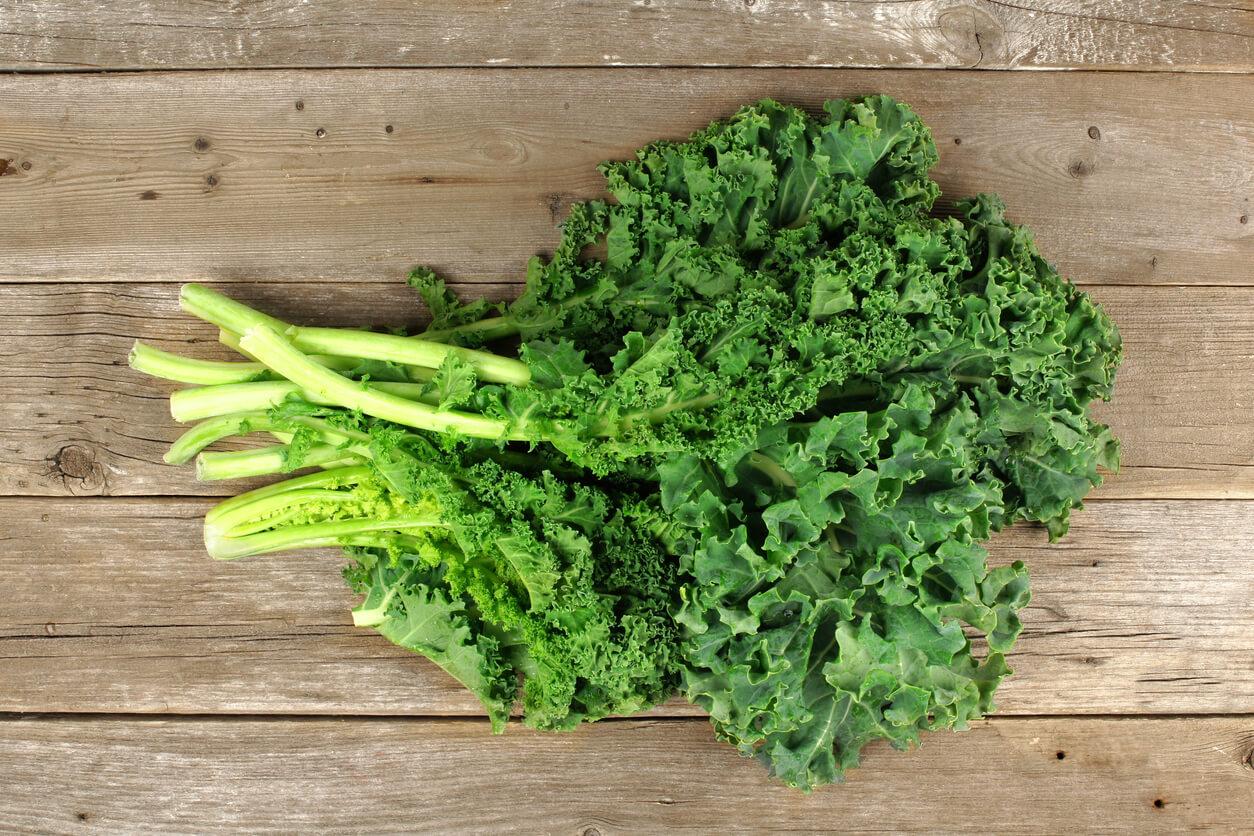
Kale
This variety is also known as curly cabbage, kale, kale, braunkol, and grunkol. Its corrugated green or purple leaves make it stand out from other cabbages. Due to its coarse texture, the head is not edible; only the leaves are consumed. This crop is primarily ornamental and is also grown for fodder. After frost, the leaves acquire a sweeter flavor.
Brussels
The uniqueness of this variety, bred in Belgium, lies in its miniature heads growing in clusters. They are no more than 5 centimeters in diameter. A drawback of the plant is its long growing season. It ripens evenly, is fairly cold-resistant, and has no special soil or care requirements. It has excellent shelf life.
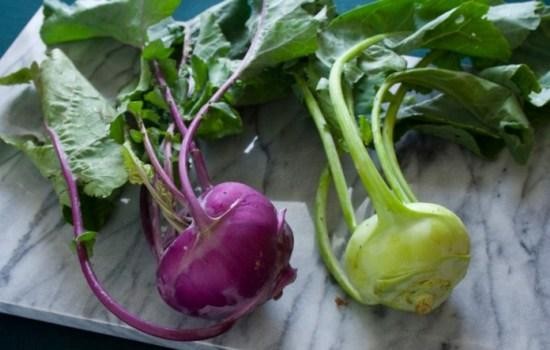
KohlrabAnd
Cabbage attracts attention with its turnip-shaped stem and apical leaves. The stems come in yellow, green, purple, and pure white. Popular early cabbage varieties include Athena, Moravia, and Vienna White. Their growing season is 65-80 days. Late-ripening varieties include Gigant, Violetta, and Kossak. Harvesting occurs in 120-150 days.
Take a look Also

Savoy
Loose, bright green heads with bubbly leaves are the hallmark of Savoy cabbage. This cabbage tolerates drought and cold quite well, and is resistant to harmful insects. Frequently chosen varieties for cultivation in temperate latitudes include Moscow Lace, Zolotaya Rannyaya, Petrovna, and Nadya. Since these varieties are not suitable for long-term storage, they are used as an ingredient in salads and other dishes.
Chinese
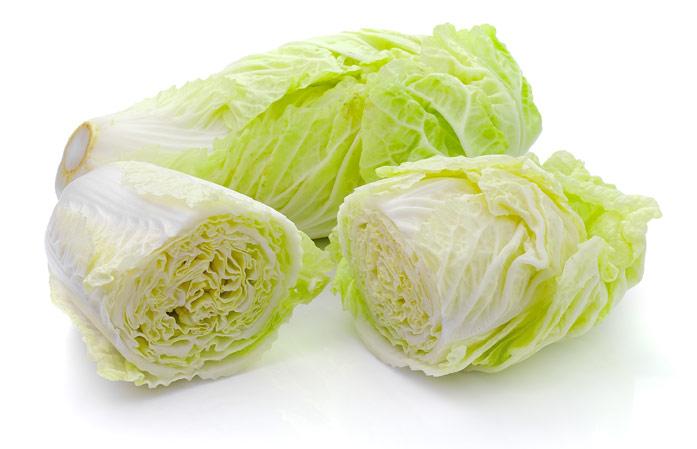
This cabbage is unique in that it lacks a head or root. This petiole-leaf variety produces smooth-surfaced leaves with dense white petioles that form a rosette. It is used in first and second courses, as well as for pickling and frying. The petioles are used in salads, side dishes, and cabbage rolls. Chinese cabbage oil has strong antioxidant properties.
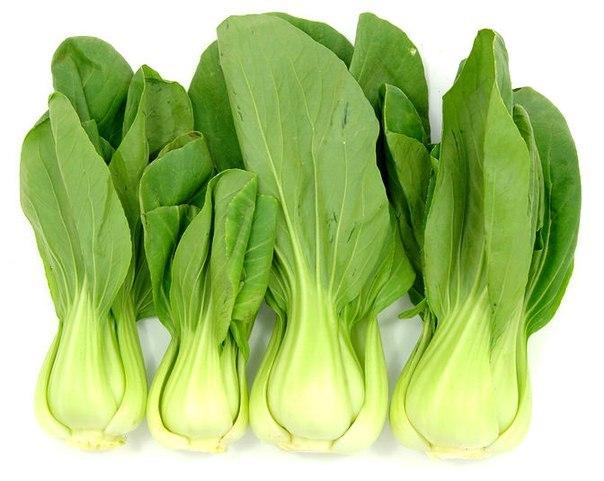
Bok choy
This subspecies of Chinese cabbage is distinguished by its distinct green leaf blades and white petioles. This ancient Chinese crop is prized for its juiciness and piquant flavor. The leaf rosette diameter is almost 30 centimeters. The average plant length is 15 centimeters. Bok choy's flavor is comparable to spinach.
Beijing
This variety is quite demanding in terms of growing conditions, only tolerating short-term cold snaps (down to -7°C). Its advantage lies in its short maturation period, with a growing season of 50-70 days. Cabbage can yield two to three harvests per season. It is effectively grown both outdoors and in protected soil. Under suitable conditions, up to 900 centners of yield can be harvested from one hectare.
One of the plant's disadvantages is its demanding soil composition - the soil must be sufficiently fertilized.
Furthermore, its cultivation is complicated by its susceptibility to disease and parasitic infestations. Seeds are sown in April-May.
Japanese cabbage
The plant is distinguished by its deeply dissected leaves, which grow horizontally. They have a corrugated surface and jagged edges. However, there are also specimens with smooth foliage. It is cultivated in the same way as white cabbage.
To achieve optimal results, preventative treatments against parasitic insects, especially cruciferous flea beetles, are necessary. Japanese flea beetle is recommended for individuals with cardiovascular problems, stomach ulcers, vitamin deficiencies, and cancer.
Stern
There are four or five varieties of this cabbage, the most famous of which is "Vekha." The plant has a strong, succulent stem, which can reach almost two meters in height. The leaves are corrugated, and with abundant watering, branchlets may form.
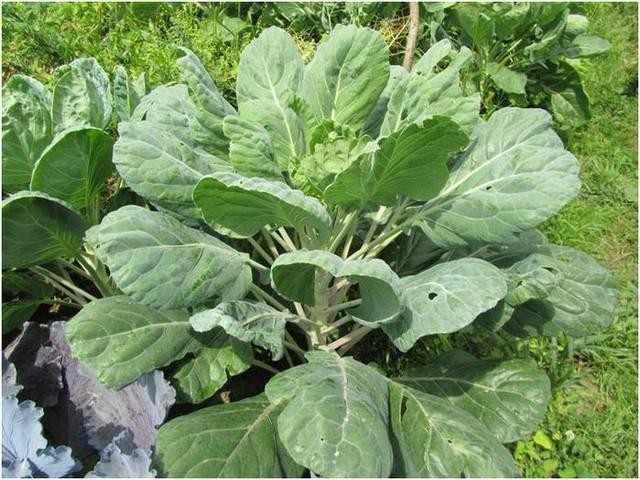 The vegetable's nutritional value significantly exceeds that of beets and corn—it's on par with oatmeal. In appearance, the forage plant looks very similar to a palm tree, only in miniature.
The benefits of this vegetable include increased milk production, higher milk fat content, and reduced feed costs. Furthermore, it has low soil requirements and produces large yields. The crop yields up to 800 kilograms per 100 square meters.
Decorative
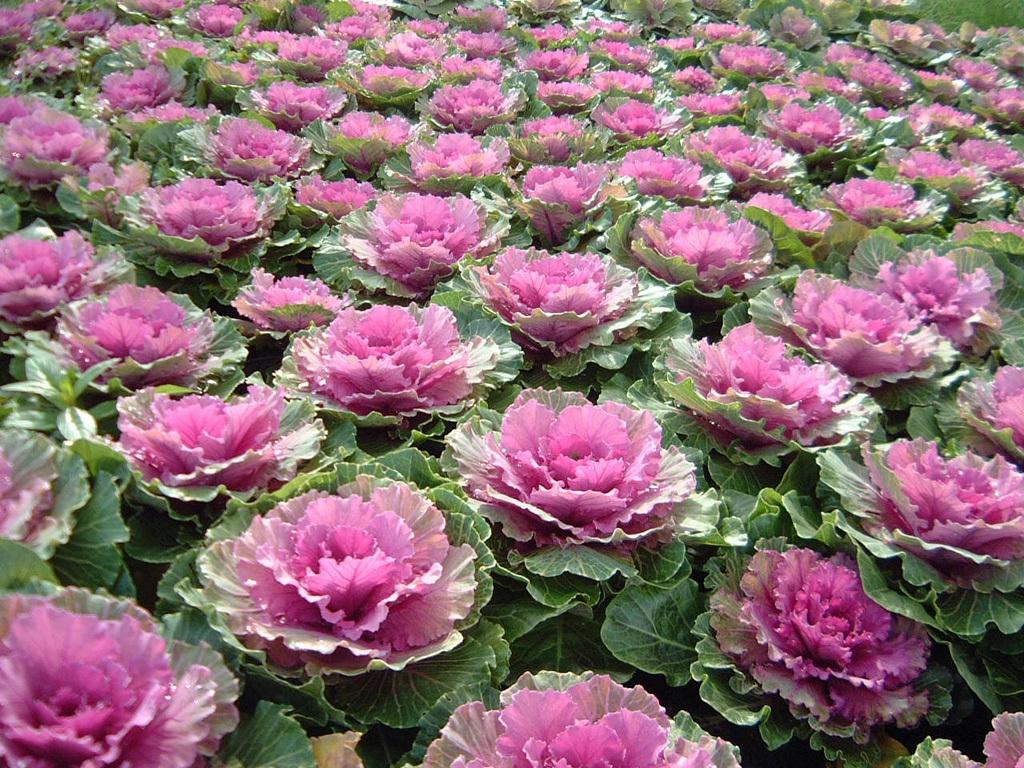
This Japanese beauty is widely used to decorate garden plots. The plant forms a distinctive rosette, reminiscent of an opening flower. There are varieties with green, white, yellow, purple, and even combinations of these shades. This cabbage becomes even more expressive and decorative after the first autumn frosts.
Tips for choosing a crop
To achieve the desired results, when choosing cabbage, it's important to consider its suitability to the specific conditions and climate of the growing region. Soil type is also important, as some varieties thrive in gray soils, while others thrive in black soil.
Ripening time plays a significant role in choosing a crop; early-ripening varieties are more suitable for cold climates, while southern regions can grow varieties of any ripening time. It's also important to determine the intended use of the vegetable in advance, considering that not all hybrid varieties are suitable for long-term storage. Particular attention should be paid to the crop's resistance to diseases and pests.
Result
Cabbage is rightfully considered a popular agricultural crop. Most of its varieties easily tolerate low temperatures, drought, and heat. Even a novice vegetable gardener can grow it, the key is to follow proper farming practices and select locally bred varieties.
Zoned plants are better adapted to the conditions of a specific climate zone. To avoid future problems with cabbage, remember to carry out preventative treatments against harmful insects and diseases.
Related posts:
 Description of the best cabbage varieties for 2025 for different regions
 Top 40 Best Cabbage Varieties with Descriptions and Characteristics
 Description and characteristics of the best varieties of late cabbage, planting and care technology
 Growing and caring for Chinese cabbage in open ground and greenhouses
 Description of the best early cabbage varieties, cultivation and care in open ground
 Planting, growing, and caring for cauliflower in open ground and greenhouses
 Planting, growing, and caring for Chinese cabbage in open ground
 Why cabbage leaves wilt in the garden and what to do