
- Which varieties to choose
- Early
- Mid-season
- Late
- When to plant cucumbers, depending on the region
- In the Southern regions
- In the middle zone
- In the north
- Timing of planting cucumbers according to the lunar calendar
- Favorable days in June 2025
- In July 2025
- Not recommended days
- When is it prohibited?
- Rules for planting cucumbers in open ground
- Preparing the ground
- How to prepare seed material
- Planting methods
- Seeds
- Seedlings
Cucumbers are the most common crop in Russian gardens. They are among the first to ripen in the garden, and if planted in greenhouses, you can enjoy fresh cucumbers as early as late June. These plants are undemanding in terms of growing conditions and soil composition, but to prevent frost damage at night, many gardeners plant them outdoors in early summer, choosing favorable dates in June 2025.
Which varieties to choose
Before starting work, familiarize yourself with the varieties suitable for planting outdoors in June. Early, mid-season, and late-ripening varieties are available on the market, and the choice depends on the gardener's goals—whether fresh consumption or winter preservation.
Early
Early varieties of the vegetable are planted in early June and are used both for fresh consumption and for pickling.
According to farmers, the best early ripening varieties are:
- Versatile. These finely tuberculated cucumbers have a mild flavor, and their small size makes them ideal for pickling.
- Altai. These small vegetables have light green skin. They are most often used in fresh salads.
- Competitor. This variety is used for winter harvesting. Competitor is highly resistant to fungal diseases but requires regular irrigation and fertile soil. It ripens in 1.5 months.
- Elegant. The vegetables weigh approximately 120 grams, and this variety is suitable for growing in greenhouses and hotbeds. Gardeners use it to prepare fresh vegetable salads.
Mid-season
Mid-season cucumbers are distinguished by their resistance to disease compared to early varieties. They produce high yields and are used for both summer cooking and canning.
Among the mid-season varieties, gardeners prefer the following:
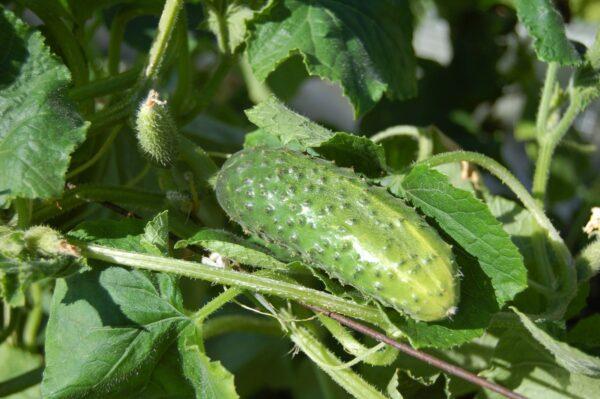
- Pickles. These cucumbers are distinguished by their oval shape and length of 8 cm. Small spines are located all over the surface. They are chosen by gardeners for their high disease resistance.
- New Phoenix. It has high immunity to powdery mildew and increased cold tolerance. This variety is characterized by a bright green color, with small longitudinal white stripes running across the entire surface of the fruit.
- Gunnar F1. Belongs to a hybrid variety. Prized by gardeners for its pleasant flavor and beautiful shape. The harvest is used for salads and preserves for the winter.

Late
These varieties aren't very popular among gardeners, as not all of the harvest has time to ripen before the cold weather sets in. Late-ripening varieties include:
- A Chinese miracle. The harvest is collected two months after planting. The fruits are small in size and thin-skinned.
- Relay. Due to its large size (250 g), it is used only for green salads. It has a pleasantly sweet flavor.
- Chinese climbing cucumber. The fruits are cylindrical, weighing no more than 100 grams each. It has increased disease resistance and tolerates short-term drops in nighttime temperatures without problems.
When to plant cucumbers, depending on the region
When determining the date for planting cucumbers, consider the climate of the growing region first and foremost. In southern regions, this is best done in early June, while in the central zone, it's best to start in mid-June.
In the Southern regions
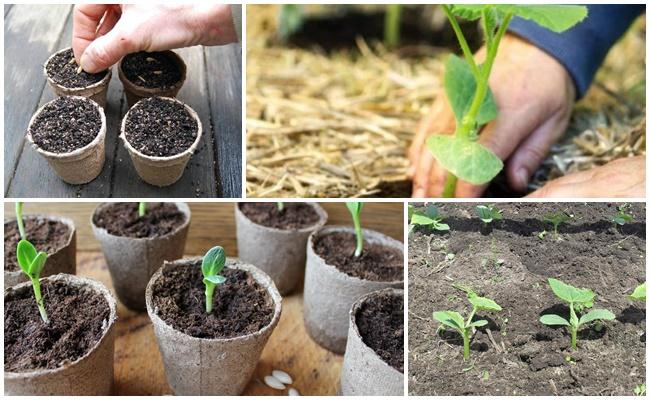
In areas with warm summers, cucumbers are planted beginning in early June. To enjoy the first harvest sooner, experienced gardeners first grow seedlings indoors and then transplant them outdoors. Greenhouse cucumbers are planted throughout the month; when the first cucumbers have finished fruiting, those planted later in the month are just beginning to yield.
In the middle zone
The climate of the central part of Russia, the Moscow region, and the Leningrad region allows for planting cucumbers starting around June 10th. Seeds can be sown directly into open ground or grown indoors. The gardener determines the exact timing based on weather conditions. It's important for the soil to warm to 15 degrees Celsius.
In the north
In cold northern regions, it's recommended to sow seeds for seedlings first, then transplant them outdoors in mid-June. In heated greenhouses, cucumbers can be planted from the first of the month.
Timing of planting cucumbers according to the lunar calendar
When determining specific dates for planting vegetables in open ground, many gardeners pay attention to the recommendations of the lunar calendar, which indicates favorable and unfavorable dates.
Favorable days in June 2025
Cucumbers can be transplanted outdoors at the beginning, middle, or end of the month. According to the lunar calendar, the most suitable dates are the 1st, 2nd, 3rd, 4th, 12th, 13th, 17th, 18th, 23rd, and 30th.
In July 2025
In the second month of summer, the following dates are suitable for sowing seeds and planting cucumber seedlings: 1, 4, 6, 9, 10, 14, 15, 27, 28.
Not recommended days
You should not plant seedlings in a greenhouse or open ground on the following days:
- June - 20, 21 and 22.
- July - 20, 21.
When is it prohibited?
If a gardener wants to reap a bountiful harvest, it is important to remember the dates on which planting is prohibited, according to the lunar calendar:
- June - 5.
- July - 5, 19.
Rules for planting cucumbers in open ground
It's important not only to choose a favorable date for planting, but also to carry out preparatory work so that the vegetables grow large and healthy.
Preparing the ground
The site for growing cucumbers should be protected from drafts and cold winds, as the vegetable thrives on warmth. The bed should also receive morning sun. Gardeners obtain the largest yields in fertile loamy and sandy loam soils with a neutral pH. Avoid heavy soils that don't warm up well during the day and are highly acidic. Potatoes, cabbage, and tomatoes are considered the best precursors for cucumbers.
It is not recommended to plant cucumbers after plants from the Pumpkin family, as they absorb the same nutrients from the soil.
How to prepare seed material
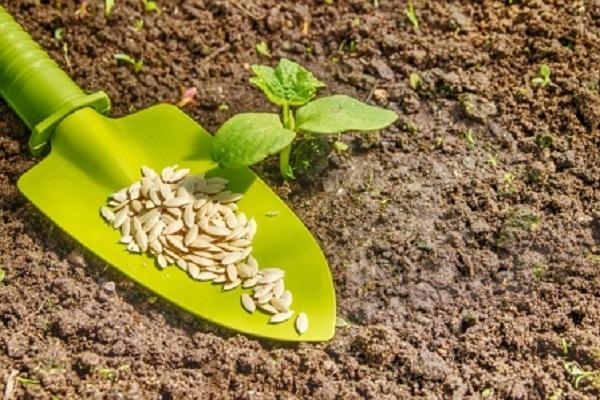
Before sowing, the first step with cucumber seeds is to calibrate them, selecting the largest specimens. This is necessary if the planting material was harvested at home or purchased from a private seller. If you purchased the seeds from a gardening store, this procedure is performed at the factory.
To discard empty seeds that won't germinate, prepare a salt solution by dissolving 3 g of non-iodized salt in 100 ml of water. Place the seeds in the solution and mix thoroughly. After a few minutes, the empty seeds will float to the surface.
The next step in preparing cucumber seeds is disinfection. To do this, prepare a 1% potassium permanganate solution and soak the seeds in it for half an hour. Afterwards, remove the seeds and spread them out on paper to dry.
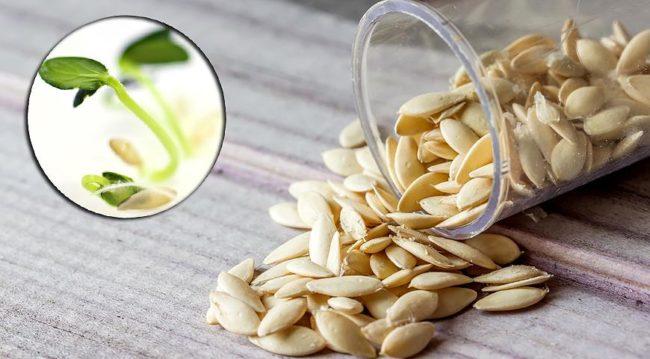

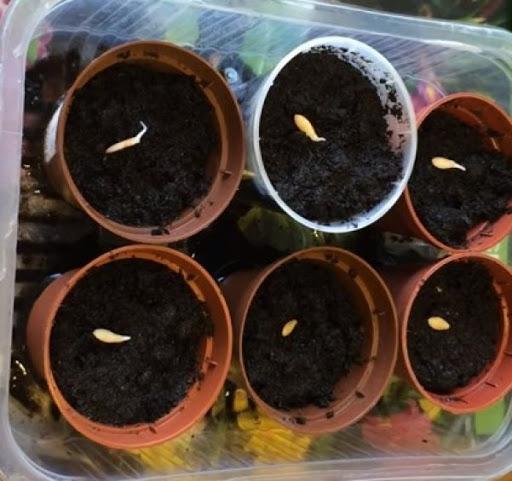
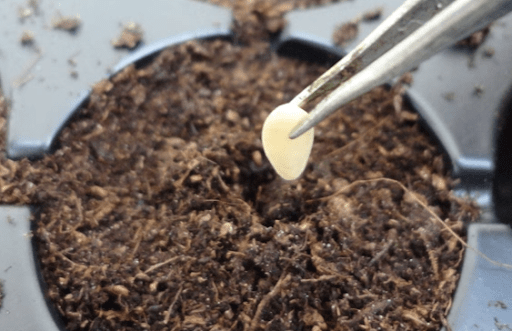
To speed up seed germination in open ground, soak the seeds. Place a piece of cotton cloth in the bottom of a plastic container. Place the seeds on top and add enough water to just cover them. Let the seeds soak for two days; during this time, the seed coat will crack, and the first sprouts will appear within a week when planted in the ground.
Planting methods
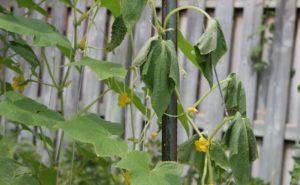
There are two ways to plant cucumbers: sowing seeds directly into the ground and growing seedlings. The latter method allows gardeners to get their first fruits faster.
Seeds
If you sow cucumber seeds directly into open ground, the plants will be more resistant to environmental influences than those specimens that were planted as seedlings.
However, this method is more suitable for residents of the southern regions, where there are no sharp changes in night temperatures.
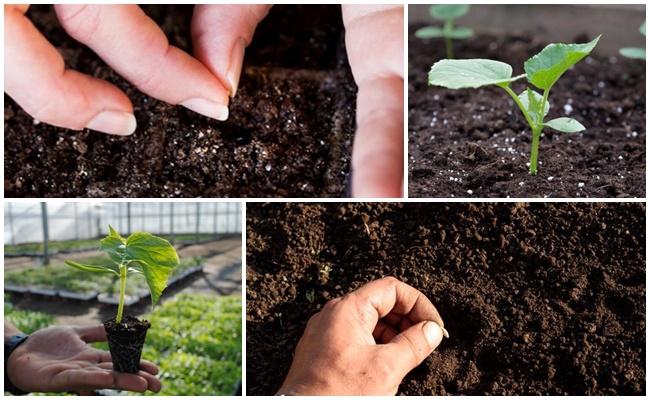
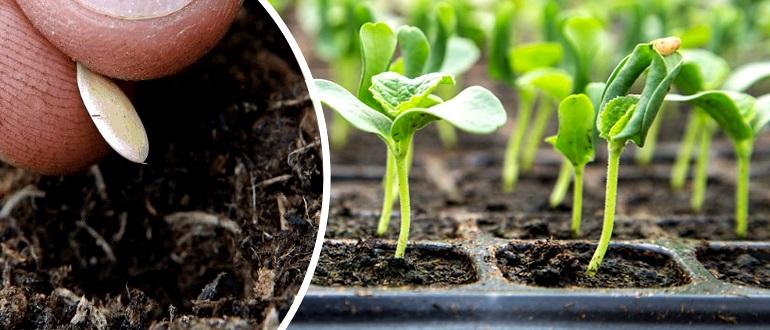
Dig holes 15 cm apart and plant two seeds in each hole. When the seedlings have two full leaves, they are replanted; if one is weak, simply remove it. Cover the seedlings with fertile soil and moisten thoroughly. Until the first shoots appear, water the seeds every other day, avoiding waterlogging.

Seedlings
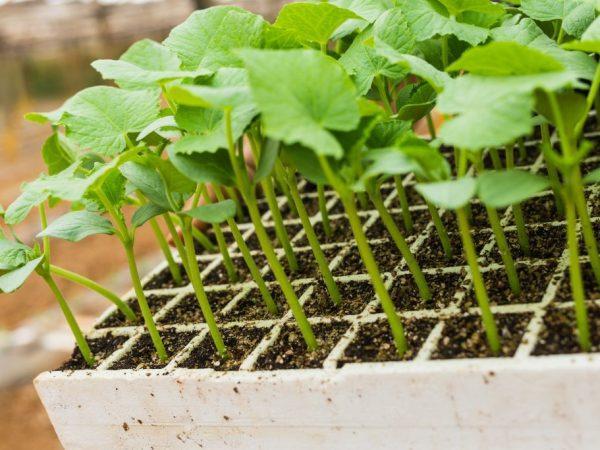
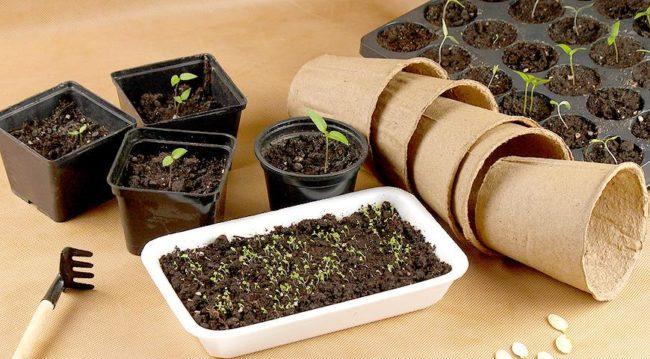
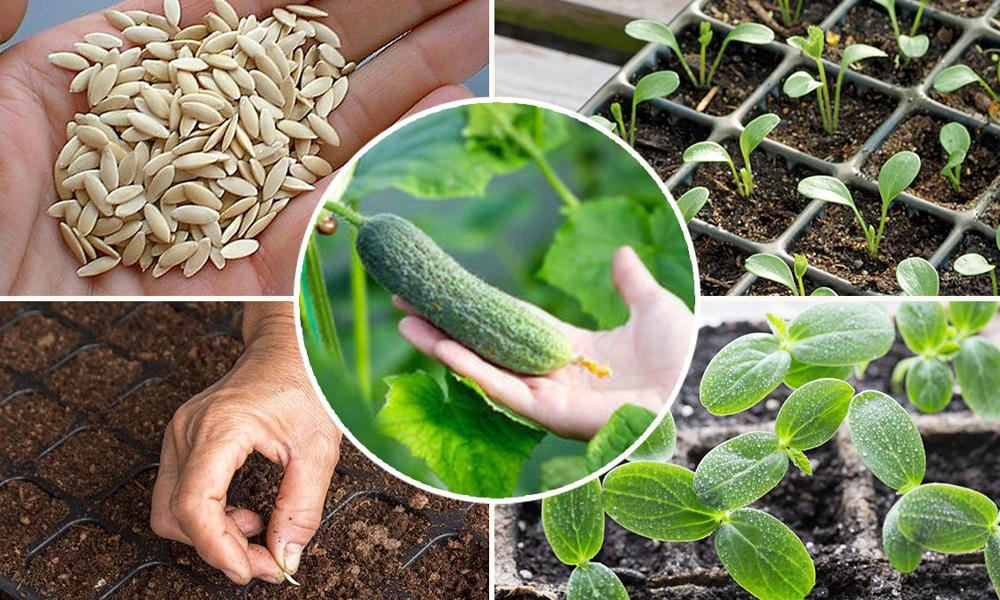
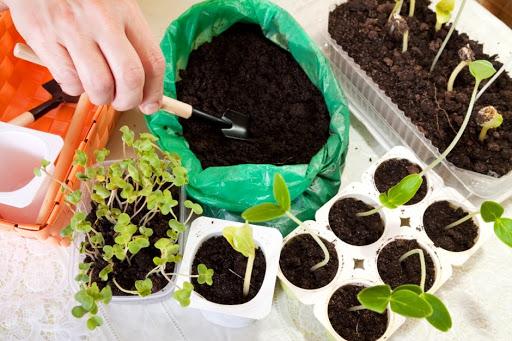
To grow cucumber seedlings, use long boxes or peat cups. The advantage of the latter is that the sprouts don't need to be removed; they're planted in the soil along with them. Place 2-3 seeds in each container in case one doesn't sprout. A mixture of humus, turf, peat, and cow manure is considered ideal for seedlings. The soil should be buried no more than 3 cm deep.
To germinate, the seeds require a room temperature of around 25 degrees Celsius and moderate humidity. Avoid allowing the soil to become crusty, as this will make it difficult for the sprouts to emerge. Before planting outdoors, cucumber seedlings require hardening. A week before planting, gradually lower the temperature to 15-16 degrees Celsius by placing the seedlings on a balcony. Dig holes 15-17 cm apart and plant the seedlings, watering the soil with warm water first to help the cucumbers root faster.
Related posts:
 Description of unusual methods for planting and growing cucumbers
 Description of the best varieties of Chinese cucumbers, planting, growing and care
 How to properly plant cucumbers in open ground with seeds, and at what depth
 TOP 30 best determinate cucumber varieties with descriptions
 How to care for cucumbers in open ground from planting to harvesting
 How to plant cucumbers in open ground under film: timing and cultivation technology
 How to make a cucumber trellis with your own hands from scrap materials
 Why cucumber leaves are drying out and what to do, how to treat them in a greenhouse and in the ground