For gardeners, a variety's yield is crucial. The Obilny cucumber is an easy-to-grow yet high-yielding option. Developed domestically, this hybrid thrives across most of Russia. Obilny was included in the state register almost 20 years ago. Since then, the variety has become very popular. It is prized for its high yield and early ripening.
Characteristics of the variety
This hybrid is considered versatile, as it can be grown both in open beds and under plastic cover. When choosing a location, gardeners should consider local climate conditions.
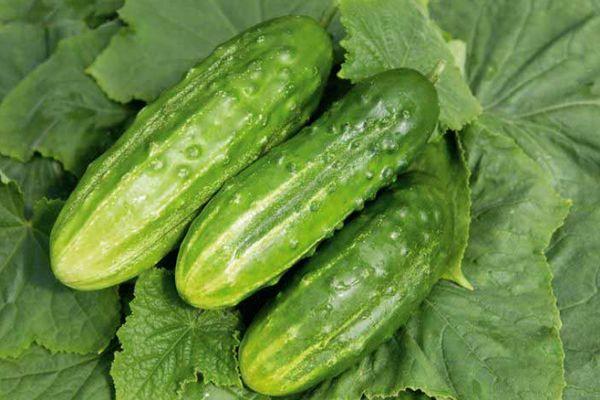
The Obilny hybrid is an early-ripening variety. From sowing the seeds to harvesting, it takes 35 to 45 days. The plant is classified as indeterminate, meaning the bushes can stretch to large sizes and grow indefinitely. The number of branches is modest, as the plant is a medium-vine cultivar.
The Obilny variety's bushes grow large and vigorous, allowing the plant to withstand the vagaries of weather with relative ease. The impressive bushes produce a small number of medium-sized leaves. They are finely wrinkled and dissected. The foliage is dark green.
The "Obilny" variety is considered highly resistant to many diseases, especially cucumber mosaic. Furthermore, the hybrid is resistant to powdery mildew. Preventative spraying is not necessary for this cucumber. However, fertilizing and proper watering are essential. Otherwise, don't expect a good harvest.
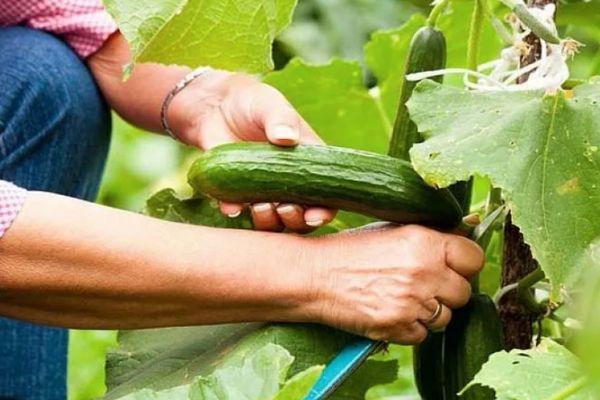
The hybrid can be grown in two ways: using seedlings or by direct sowing of seeds. This variety is highly adaptable, meaning almost all seedlings survive transplanting to their permanent location.

The "Obilny" variety has many positive qualities, but it also has some drawbacks. These include the need for pollination by bees, which can be quite difficult when growing cucumbers under plastic cover. It's also important to note that the bushes will produce many flowers, but most of them are male, so they won't set fruit.
Description of fruits
With proper care of the bushes, 500 kg of fruit can be harvested from 1 hectare of planting.
The Obilny variety is distinguished not only by its quick ripening but also by its generous harvest. This makes it convenient for commercial cultivation and winter preservation. Canning is considered one of the best methods for processing the hybrid's harvest. Obilny cucumbers also store well, making them suitable for long-term use fresh in salads and vegetable appetizers.

The description and characteristics from the manufacturer indicate that the Obilny variety produces a large number of fruits, making this hybrid a popular choice among farmers. A special feature of these cucumbers is their ability to be transported over long distances without losing their marketable appearance.
The fruits grow into a neat cylindrical shape. Large, but fairly sparse, bumps can be found on their surface. Most of the surface is ribbed. The cucumbers will be dark green, but with distinct lettuce stripes.
The Obilny variety produces medium-sized cucumbers. The average cucumber size is 9 cm, but some specimens grow somewhat larger. Cucumbers are about 3 cm in diameter.
The surface of the fruit is slightly white and features white spines. The skin of the Obilny cucumber variety is quite thin, revealing dense, cavity-free flesh. The cucumbers are very crisp and remain so long after harvest.


It's worth noting that the fruits of the Obilny variety are very beautiful in appearance. Up to 95% of cucumbers are in good condition. But these fruits are as beautiful on the inside as they are on the outside. The cucumbers grow incredibly crisp, sweet, and completely free of bitterness.
The harvest can be used in any way. Most often, cucumbers of the "Obilny" variety are canned, as their plump and tasty fruits are ideal for this purpose. Fresh consumption, including as a salad ingredient, is also acceptable for this variety. Fruits of the "Obilny" hybrid are often found for sale at markets, as they have a very attractive appearance and can be stored for a long time outside of the refrigerator.
Growing recommendations
The name of this variety speaks for itself. However, to obtain the maximum yield, cultivation must be carried out in accordance with all agricultural requirements.

First and foremost, this concerns choosing a suitable location for planting seedlings. It should be a level and slightly elevated area. This will ensure the plant receives adequate watering, as water will not accumulate in the soil, preventing the bushes from rotting and the spread of many dangerous diseases.
If the area has high humidity, drainage systems must be installed from the beds.
The best option for planting cucumbers is in beds where potatoes, celery, beans, or tomatoes were grown last season. The soil should be moderately acidic and warm to at least 15°C. Experts recommend planting cucumbers in a pattern of four plants per square meter (m²) to prevent the vigorous plants from crowding each other.
Related posts:
 Description of the best varieties of Chinese cucumbers, planting, growing and care
 Description of unusual methods for planting and growing cucumbers
 How to care for cucumbers in open ground from planting to harvesting
 How to properly plant cucumbers in open ground with seeds, and at what depth
 When to plant cucumbers in open ground in Siberia, how to grow them, and the best varieties
 How to make a cucumber trellis with your own hands from scrap materials
 How to properly plant cucumber seedlings in a greenhouse and care instructions
 Description of the best, most productive and new varieties of cucumbers for 2025