
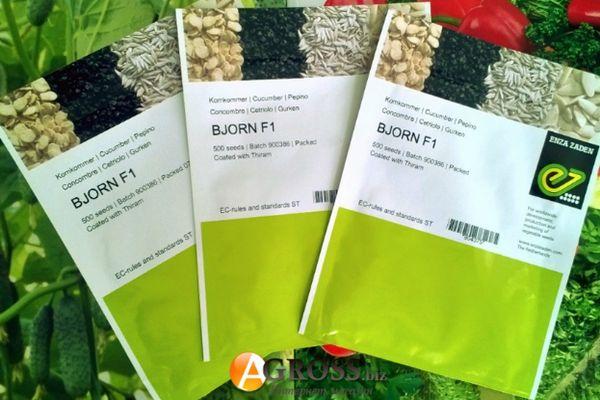
The Bjorn F1 cucumber variety was developed in Holland. Although it's relatively new, it has already earned the trust and love of gardeners thanks to its exceptional qualities.
Characteristic
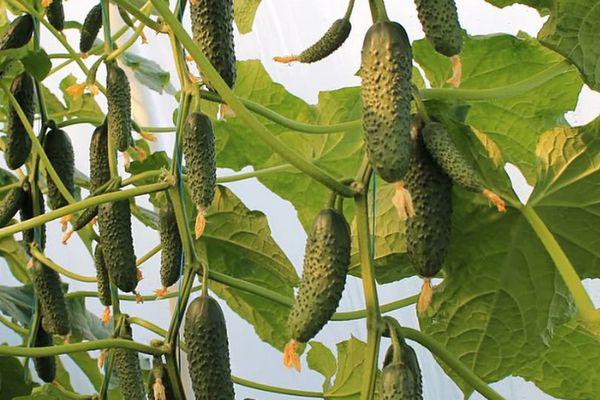
This variety is early maturing—you can harvest it as early as 37-39 days after germination. Furthermore, these cucumbers are very easy to grow: they adapt well to temperature fluctuations and low light conditions without dropping their ovaries. The bushes are slender, with large leaves, a strong root system, and short lateral shoots, and grow well in open ground. Under plastic shelters, they can produce fruit in two rotations.
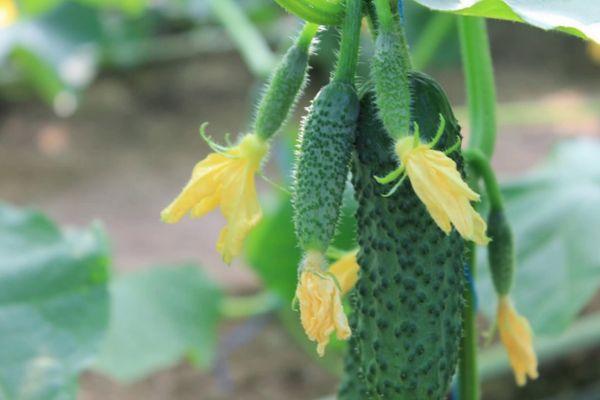
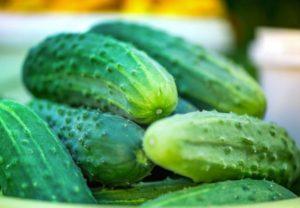
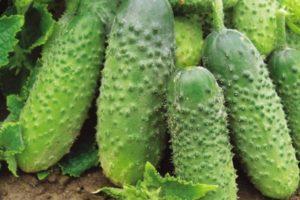
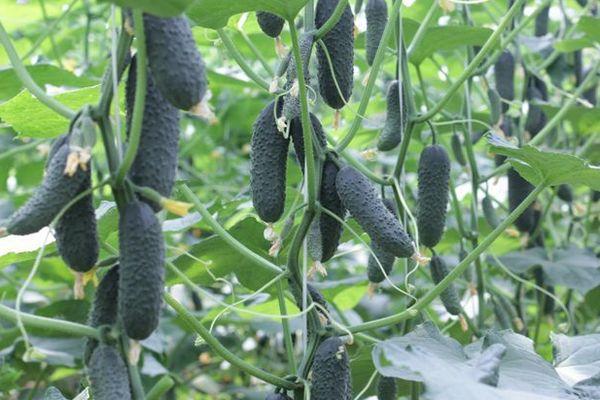
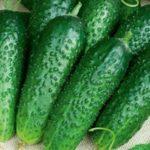
The fruits are similar in appearance to gherkins—they are bumpy, dark green, and 10-12 cm in size. They taste sweet, without bitterness or hollowness. The bush blooms in clusters, with 3-4 cucumbers per node. This variety is resistant to a number of diseases, including olive spot, powdery mildew, and cucumber mosaic virus.
Growing
Before planting cucumbers, fertilize the soil: dig it over and add peat, compost, or rotted manure. You can also add urea or superphosphate with ammonium nitrate. Next, sprinkle the soil with ash mixed with crushed chalk or slaked lime.
Björn cucumbers can be planted either as seedlings or directly in the ground. If you decide to plant them directly in the ground, do so when the last frost has passed and the soil has warmed to 13°C. They are best planted in beds previously used for lettuce. kale, peas and green manure.
But be careful about planting cucumbers where zucchini, carrots, or beans were previously grown, as these crops share common diseases.
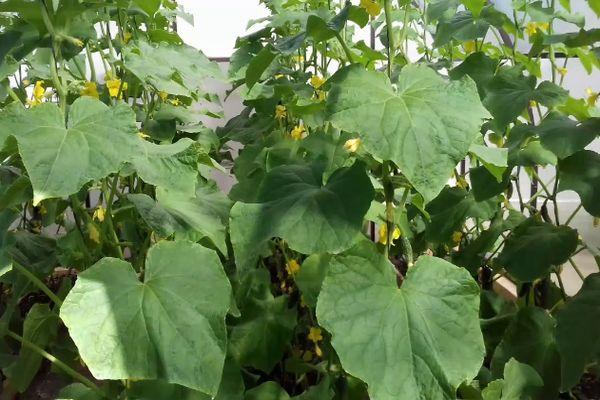
A sunny location should be chosen for cucumbers, as these vegetables require a lot of light. Dry seeds are placed flat in the soil at a depth of 2-3 cm (5-7 plants per square meter). The seeds should be covered with humus or soil mixed with sawdust. Water the seedlings daily with warm water. Once the seedlings emerge, water them every 1-2 days.
If you decide to plant this variety from seedlings, it's best to do so in peat pots: 2 seeds per pot. Water the seeds daily with warm water. Seedlings will appear in 4-5 days; loosen the soil, water, and feed them. Once the plants have 3-4 true leaves, they can be transplanted to their permanent location. They can be transplanted into a greenhouse as early as early April, and into the open ground in May.
Hybrids should be grown using a trellis. Leave at least 160 cm between rows and 30-35 cm between plants. After watering or heavy rain, loosen the beds. Take care not to damage the plants.
Fertilize the bushes with organic and mineral fertilizers. This should be done 5-6 times if you grow cucumbers in a greenhouse, and 4-5 times if you grow them outdoors.
Cucumbers thrive on moisture, and the Björn F1 variety is no exception, so it requires generous watering. They need to be watered especially thoroughly during the germination period (every 6-8 days) and fruit formation (every 4 days). Avoid directing the water directly at the plants themselves and avoid using a powerful stream. Use only warm water.
Pest control
Although this variety is quite resistant to various diseases, there are parasites that can attack the crop, especially when grown in greenhouses.

There are several of the most common pests:
- Whiteflies are insects that suck the juices out of cucumbers. These parasites typically congregate on the undersides of leaves. If these pests are not eliminated, the plant will dehydrate and die.
- Aphids are a very numerous and voracious insect. Like whiteflies, aphids suck the juices out of cucumbers. They also reproduce very rapidly and can cause significant damage to the crop.
- Slugs - these pests usually crawl out to feed at night, eating leaves, and the trail they leave behind is harmful to the plant.
To combat pests, you must first and foremost keep the greenhouse clean: remove old leaves and debris, and weed the beds regularly. Chemicals specifically designed to kill multiple pests simultaneously are also essential.
There are also effective folk remedies: spraying aphids and whiteflies with garlic infusion or a solution of one cup of ash, one tablespoon of liquid soap, and 10 liters of water. Slugs will have to be collected manually; special traps are available for this purpose.
Harvesting
Cucumbers can be harvested when they reach a size of 8 to 12 cm. The key is to prevent them from becoming overgrown. It's best to harvest them early in the morning or late in the evening to ensure they stay fresh longer. Cut the cucumbers with a knife, removing any unsightly fruits (such as crooked shapes, scratches, or blemishes). After harvesting, store the cucumbers in a cool place.
This cucumber variety stores well and is resistant to transportation. It's best to store cucumbers in plastic bags in the refrigerator or cellar.
Björn F1 is a cucumber variety distinguished by its exceptional flavor, hardiness, and high yield. It boasts exceptional characteristics that delight gardeners.
Related posts:
 Description of unusual methods for planting and growing cucumbers
 Description of the best varieties of Chinese cucumbers, planting, growing and care
 TOP 30 best determinate cucumber varieties with descriptions
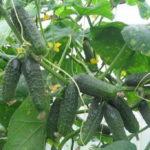 Description of the best varieties of bee-pollinated cucumbers, rules for their formation and care
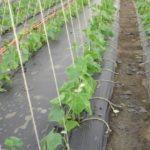 How to plant cucumbers in open ground under film: timing and cultivation technology
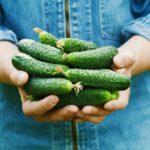 How to care for cucumbers in open ground from planting to harvesting
 How to properly plant cucumber seedlings in a greenhouse and care instructions
 How to properly plant cucumbers in open ground with seeds, and at what depth