
- Characteristics and features of the culture
- History of selection
- External description
- Popular varieties of kale
- Redbor F1
- Reflex F1
- Tuscan Nero di Toscana
- Dwarf green curled
- Kale Red F1
- Scarlett
- Siberian
- Curly Tintoretto
- Curly
- How to plant a plant in a plot
- Soil composition
- Planting dates and scheme
- Caring for seedlings
- Kale care
- Picking
- Watering foliar crops
- Top dressing
- Loosening and hilling
- Diseases and pests of kale
- Harvesting Features
The main characteristic of cabbage is its versatility. It can be stewed, boiled, preserved, eaten raw, and used in medicine and cosmetology. This wide range of uses contributes to its popularity. However, kale comes in a huge variety of varieties. To understand the differences between varieties and which one is best to choose, it's recommended to familiarize yourself with the characteristics of each.
Characteristics and features of the culture
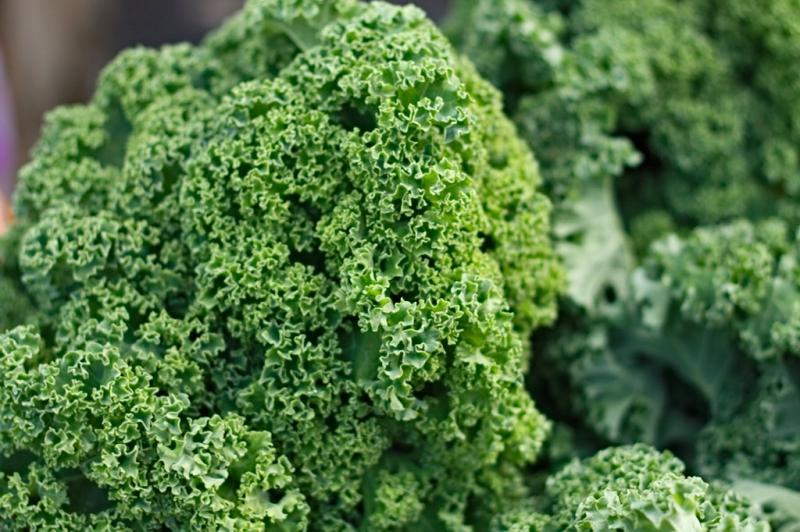
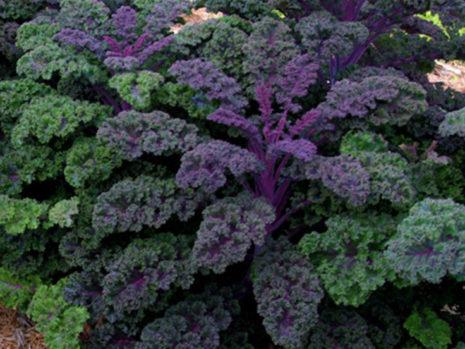
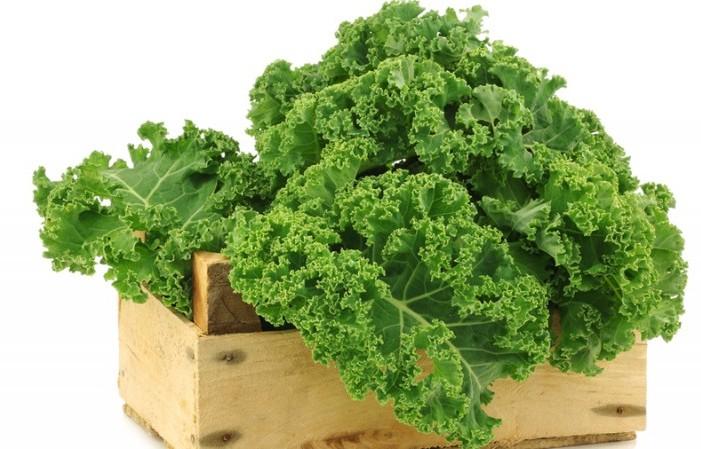
Kale varieties are distinguished by their unique appearance and the many beneficial nutrients they each contain. Depending on the variety, the plants come in a variety of colors: green, red, purple. But they all share a beautiful, curly leaf pattern, which isn't contained in a typical head, but grows spreading.
History of selection
Unlike cabbage, which was developed through long and painstaking breeding efforts, kale was created through natural crossbreeding. From its wild relative, the curly "child" inherited its unpretentiousness and increased resistance to changing climate conditions. At present, despite the great diversity, only two varieties are included in the State Register of Russia: Reflex and Redbor.
External description
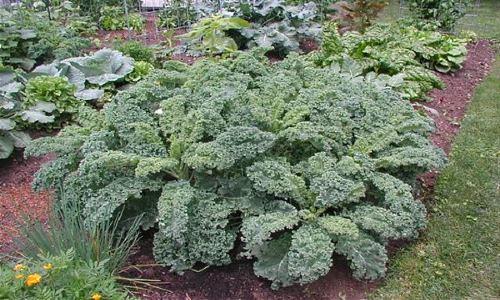
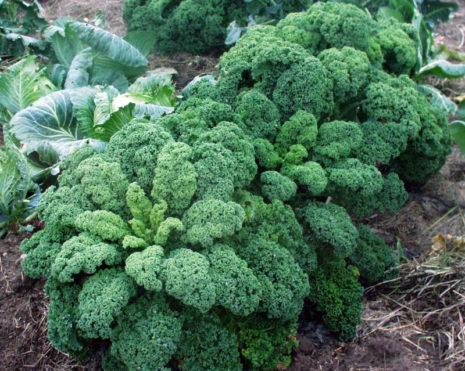
Collard greens are also attractive and are often grown for ornamental purposes. Tall, spreading bushes with curly leaves offer a striking palette of colors. Depending on the variety, the coloring ranges from emerald green to deep purple. Only pak choi, with its lighter shades and flattened leaves, is often confused with cabbage.
Popular varieties of kale
Despite the enormous variety of kale, its popularity depends on the country and region where it's grown. In Russia, awareness of the vegetable's various varieties is only just gaining momentum. The most common varieties in our region include Redbor, Siberian, Curly, and Kale.
Redbor F1
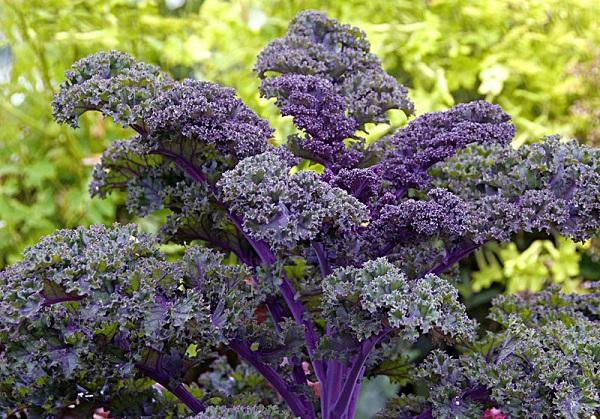
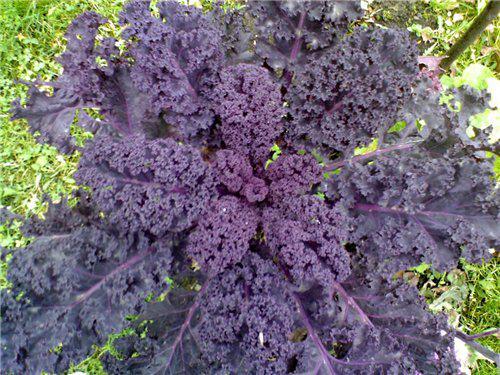
A beautiful emerald-purple kale with lush, palm-shaped leaves. The plant is described as being completely low-maintenance and will delight gardeners for two years. However, not everyone realizes the edible nature of kale and often grows it purely for ornamental purposes.
Reflex F1
Reflex F1 is distinguished by its leaves – thick and lush, with a rich emerald hue. The average ripening period is 120 days, and the yield reaches 1.5 kilograms of greens per bush. It has high winter hardiness (down to -15°C) and good overall immunity.
Tuscan Nero di Toscana
Tuscany is the most common herb in recipes for various diets. The leaves can be boiled or stewed. It grows as a low, small bush, consisting of medium-sized, dark green, fuzzy leaves.
Important! Tuscany doesn't tolerate low temperatures. The optimal range is between 13 and 16 degrees Celsius.
Dwarf green curled
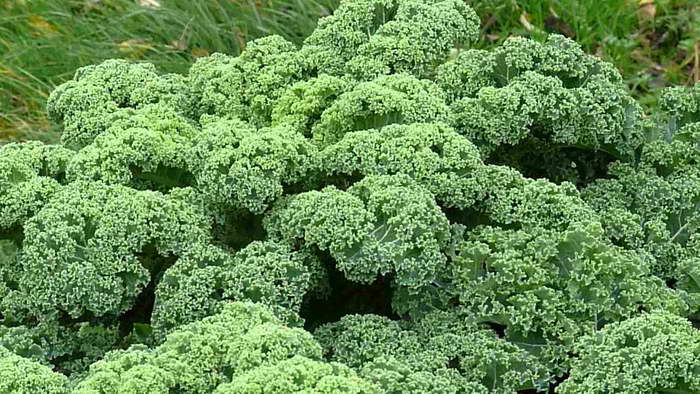
The Green Dwarf's name speaks for itself—the plant grows no taller than half a meter. It is very popular due to its compact size, low maintenance, and high tolerance to environmental conditions. It boasts strong immunity to common diseases, including root and stem rot.
Kale Red F1
Kale, also known as kale, is considered a mid-season annual plant. The most popular variety is Red Kale, which contains the highest amounts of vitamins K, C, and A, as well as antioxidants, making it a favorite among healthy eaters. Gardeners also prefer Kale F1 for its remarkable frost resistance. The plant tolerates soil freezing down to -13 degrees Celsius.
Scarlett
A tall, beautiful bush with light green and purple leaves. It is extremely frost-hardy, and during cold spells, a blue tint is added to the color. It is propagated primarily by seed, sown directly into the ground. The average yield is 4 kilograms per square meter, or about 4-5 bushes.
Siberian
Green curly kale Siberian differs in several parameters:
- withstands severe Siberian frosts (up to -25 degrees);
- resistant to pests and diseases;
- has a short maturation period (80 days).
Curly Tintoretto
From the outside, Tintoretto kale closely resembles sea coral, a rich green with lighter leaf tips. It's considered essential for dietary use, and thanks to its high magnesium and amino acid content, it's also used in folk medicine for the prevention of heart and vascular disease. The plant matures in an average of 100-110 days and reaches a weight of one kilogram. It's remarkably frost-resistant, surviving temperatures down to 18 degrees below zero.
Take a look Also
Curly
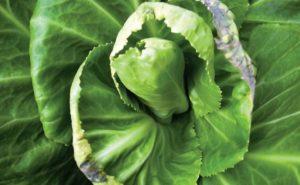
Curly, brown, or kale is the common name for an annual plant in the cabbage family. It is grown as a forage crop for animals, for ornamental purposes, or for food.
Important! Only the leaves are used in cooking. The stem of leaf kale is considered too tough and should be removed before cooking.
How to plant a plant in a plot
To ensure a good harvest and an attractive appearance from kale, proper planting and care are recommended. However, generally speaking, growing the plant doesn't require any special conditions.
Soil composition
Since kale is originally a wild plant, homegrown specimens don't require special soil. However, gardeners note that the plants will grow better if the soil meets the following requirements:
- medium acidity;
- the presence of humus and manure fertilizers;
- good drainage layer (sand, crushed stone).
Planting dates and scheme
Curly leaf cabbage seeds are often sown directly into open ground in late April, after the weather has thawed. However, if access to a garden plot is unavailable, it is recommended to sow the seeds for seedlings in late March or early April. The planting pattern depends on the cabbage variety. On average, up to 10 centimeters should be left between plants.

Caring for seedlings
Caring for curly kale seedlings follows a classic pattern:
- regular watering;
- adding necessary fertilizers;
- prevention of diseases and pests.
Important! Kale thrives on moisture. However, it's important to maintain a consistent watering schedule and avoid allowing water to pool on the soil surface. This can cause blackleg.
Kale care
To promote kale growth, it's recommended to fertilize it well and mulch it after each watering. This will eliminate the need for frequent watering. Mulch also retains moisture well, eliminating the need for constant soil loosening and weed removal.
Important! Kale also comes in many varieties, so it's recommended to check with your local grower about the specific care requirements for a particular variety in your region.
Picking
Planting seedlings in open ground should be done very carefully to avoid damaging the fragile root system. For this purpose, it is recommended to sow seedlings in individual pots so that they don't need to be separated and can be planted directly into the soil with a ball of soil. It's also important not to crush the leaf stalks, as this could cause rot and result in crop loss.
Watering foliar crops
It's recommended to water kale when the top layers of soil dry out. However, it's important to not only water the roots; you should also spray the plants from above with a watering can. It's important to water kale with warm, settled water after sunset to prevent the UV rays and the water prism from burning the leaves.

Top dressing
It is recommended to feed kale every 1.5-2 months. A mixture of the following fertilizers is used:
- animal manure;
- chicken manure;
- wood ash;
- herbal decoction.
It's also recommended to sprinkle the beds with dry ash half an hour after applying fertilizer, paying particular attention to the root zone. This procedure protects against both pests and diseases.
Loosening and hilling
It's recommended to hill cabbage frequently and thoroughly, ideally every day after watering, while also removing weeds and lightly digging the soil for better drainage. However, gardeners often don't have this opportunity, so it's sufficient to tend to cabbage beds once every 2-3 weeks.
Diseases and pests of kale
Kale has strong immunity against common diseases, but it's not immune to insect infestations. The plant is particularly susceptible to:
- common aphid;
- scoops;
- cabbage flies;
- flower beetles.
Treatment and prevention are carried out using the following drugs: Bankol, Kemifos, Fury, Sharpei.
Harvesting Features
Collard greens are rarely used in marinades, so gardeners prefer to harvest them gradually (as needed). However, if you need to collect all the bushes at once, the leaves can be chopped and frozen.
Related posts:
 Description of the best cabbage varieties for 2025 for different regions
 Top 40 Best Cabbage Varieties with Descriptions and Characteristics
 Descriptions and characteristics of the best varieties of cabbage, all types with names
 Growing and caring for Chinese cabbage in open ground and greenhouses
 Description and characteristics of the best varieties of late cabbage, planting and care technology
 Planting, growing, and caring for Chinese cabbage in open ground
 Description of the best early cabbage varieties, cultivation and care in open ground
 Why cabbage leaves wilt in the garden and what to do