
- Description and characteristics of the Rodnichok cucumber
- Frost resistance
- Productivity
- Bloom
- Plant parameters
- Pros and cons
- Features of cultivation
- Seed preparation
- Sowing for seedlings
- Selection and preparation of a permanent location
- Transplanting seedlings
- Further care of the crop
- Watering
- Top dressing
- Spraying
- Diseases and pests
- Harvesting and use of the crop
- Gardeners' reviews of Rodnichok cucumbers
The Rodnichok garden cucumber gained popularity in the last century. It was officially recognized as a variety in 1979. Throughout its history, gardeners have successfully grown the vegetable both outdoors and indoors. Favorable greenhouse conditions can result in higher yields. These aromatic and pleasant-tasting cucumbers are eaten fresh or preserved for the winter. When pickled, they offer a delicious crunch.
Description and characteristics of the Rodnichok cucumber
Among mid-season cucumbers, the Rodnichok variety is popular. This hybrid grows up to 3 meters in length. Branching is moderate, with 4-5 lateral shoots. It produces a high yield. Cucumbers with bunch formation fruits. There are 2-3 ovaries in one node.
The hybrid begins bearing fruit in 50-55 days. The appearance of the first leaves is considered the starting point. The fontanel is not self-pollinating. Bees and other insects are needed for this. Greenhouses are built near bee colonies. Insects are attracted by spraying them with honey.
Frost resistance
The plant is considered hardy and frost-resistant. This characteristic does not apply to seedlings or young shoots. Hybrids are planted in open ground after the soil warms to 20 degrees Celsius and stable, frost-free weather sets in. The seedlings are covered with plastic at night and removed during the day.
Productivity
Harvesting begins after approximately 52 days. In open ground, provided agricultural practices are met, the yield is up to 5-7 kilograms per square meter. In greenhouse cultivation, the yield is 17-23.
Bloom
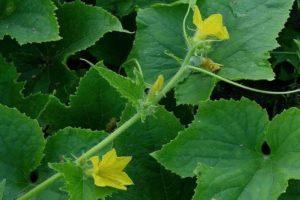
The spring flower is a female flower and is pollinated by bees. Seedlings planted in open ground produce flowers within 15 days. To prevent problems with barren flowers, watering and fertilizing are required. Some leaves should also be removed.
Plant parameters
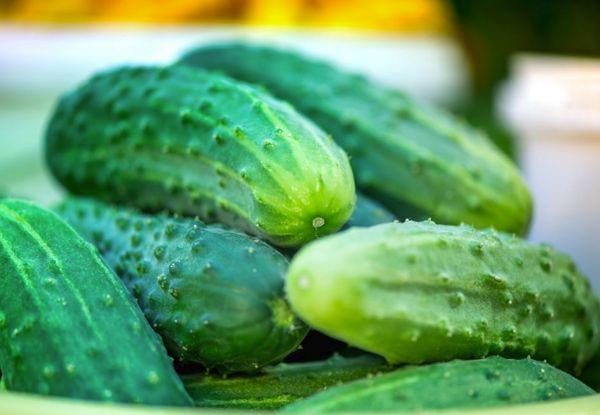
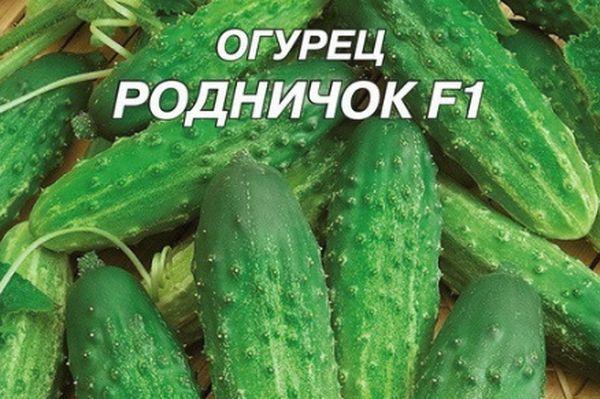
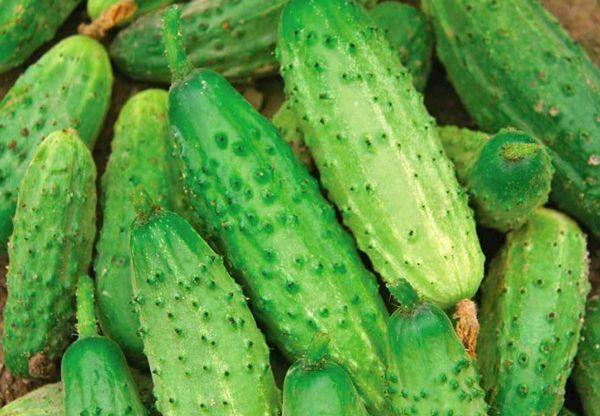
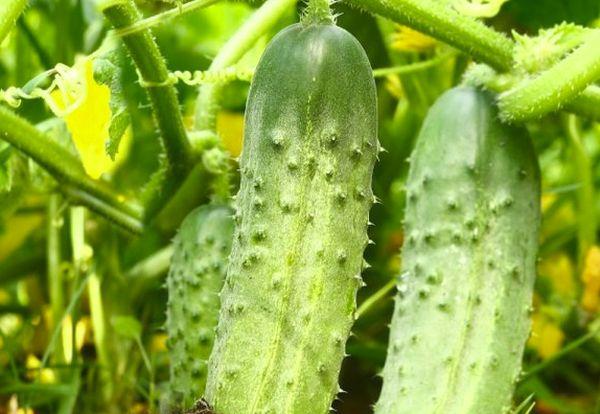
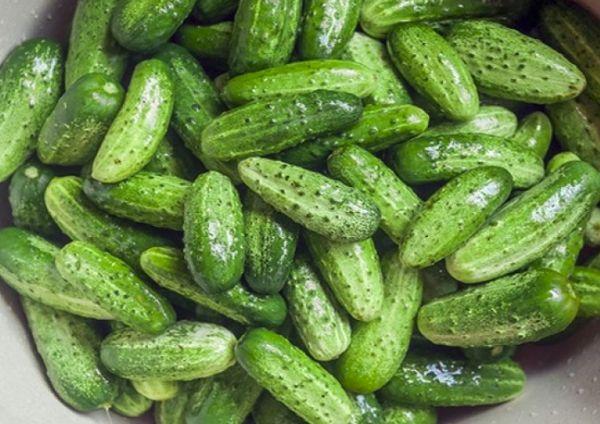
Rodnichok cucumbers are ready for harvest in 50-55 days. The vines grow up to 3 meters. The emerald leaves are medium-sized and heart-shaped. The fruits grow smooth, 9-12 centimeters long, and 3.5-4 centimeters in diameter. They are cylindrical in shape.
The weight of a single cucumber ranges from 90 to 110 grams. It has crisp flesh and a smooth, black-spiked skin.
Pros and cons
The Rodnichok variety has earned its popularity among gardeners thanks to its positive characteristics:
- presentation;
- ease of care;
- resistance to diseases and pests;
- versatility of cultivation: open ground, greenhouse;
- high yield;
- Possibility of transportation.
Among the disadvantages the following are noted:
- demanding care in dry, rainy summers;
- warmed soil for planting;
- Growing on trellises. Vines on the ground without support will rot;
- requirement for constant loosening of the soil after watering and rain;
- The need to remove weeds. This prevents spider mite infestation.
Despite the disadvantages, cucumbers are profitable to grow.
Features of cultivation
Planting material is sown in open ground, under temporary shelter, or for indoor seedlings. Each sowing method has its own timing.
Seeds for seedlings are sown indoors in the last ten days of April, and outdoors in June. When sowing cucumber seeds outdoors, the soil must be warm. Air temperature is 20°C (68°F) during the day and 14°C (55°F) at night. Growing instructions are described and demonstrated in the video below.
Seed preparation
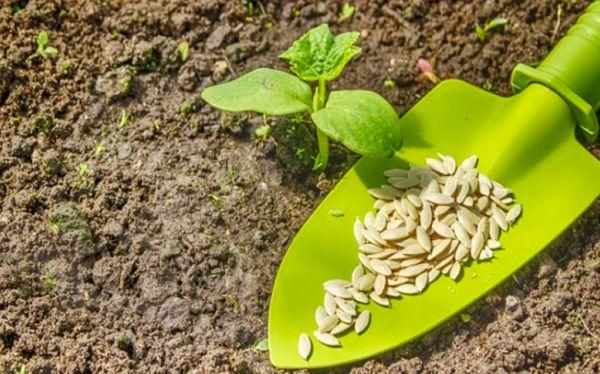
The planting material is sorted and calibrated by immersing it in salt water. The floating seeds are discarded, and the remaining ones are dried.
Germination is stimulated by heating. Keep the seeds at 50 degrees Celsius for 6 hours. Before planting, soak the seeds in a solution of potassium permanganate for 20 minutes to disinfect them.
Sowing for seedlings
Rodnichka seeds are planted in individual 50-milliliter pots at a depth of 1.5 centimeters. Maintain the air temperature at 25 degrees Celsius (77 degrees Fahrenheit). When seedlings emerge, lower the temperature by 5 degrees. Nighttime temperatures should be kept at 10 degrees Celsius (50 degrees Fahrenheit). If sown in containers, transplant when two true leaves appear. Harden off the seedlings before planting them outdoors. Place the containers on a balcony or unheated terrace.

Selection and preparation of a permanent location
Cucumbers prefer sunny locations, away from cold winds and drafts. Choose neutral soil. Acidic soil is diluted with dolomite flour and lime. Clay is added to sandy soil, and vice versa, sand to clay soil.
The soil is prepared in the fall. The area is cleared of debris. The soil is dug to a depth of a shovel. Organic matter is added. In the spring, the soil is loosened and weeded. To produce vegetables in a shorter time, warm beds are used.
Transplanting seedlings
Seedlings are planted according to the lunar calendar or weather conditions. The air temperature should stabilize at 12 degrees Celsius for several days. The distance between plants should be 35-40 centimeters. Three plants are planted per square meter. Proper planting ensures free access of oxygen to the entire plant.
At first, the seedlings are protected from night frosts with film, which is removed during the day.
Further care of the crop
Growing cucumbers requires certain requirements. Regular watering, fertilizing, weed control, and disease and pest prevention are essential. When the first signs of disease are detected, combat them with folk and traditional methods.
Watering
Furrows are dug near the beds in the open ground. Watering is done with warm water in the prepared trenches. The frequency of watering depends on the soil's drying. In a greenhouse, water regularly, at a rate of 4-5 liters per square meter. The soil should be kept moist to ensure proper air circulation.
When buds appear, water once every 2-3 days. The amount of water per square meter is increased by 5 liters. After flowering, ovaries form. During this period, water every other day. In hot weather, water the greenhouse glass with a chalk solution.
Top dressing
The first feeding is done when 3-4 leaves appear, using organic matter. Repeat every 15 days with complex fertilizers. The Rodnichok F1 variety responds well to nettle and yeast infusions. During fruit formation, fertilizers containing potassium and phosphorus are added.
When the cucumbers enter the fruiting phase, they are fed with an infusion of green grass or mineral fertilizers.
Spraying
Disease prevention, foliar feeding, and plant hydration are accomplished by spraying. Foliar feeding is accomplished by spraying with urea at a rate of 12 grams per 10 liters of water. Topaz treatment is used for disease and pest prevention. Foliar hydration is achieved by sprinkling.

Diseases and pests
The spring plant is highly resistant to diseases such as powdery mildew, bacterial blight, rhizome rot, and pests. It is sometimes attacked by spider mites. Preventative spraying with Confidor or Topaz helps prevent infestations. Weeds are removed promptly, and the soil is loosened.
Harvesting and use of the crop
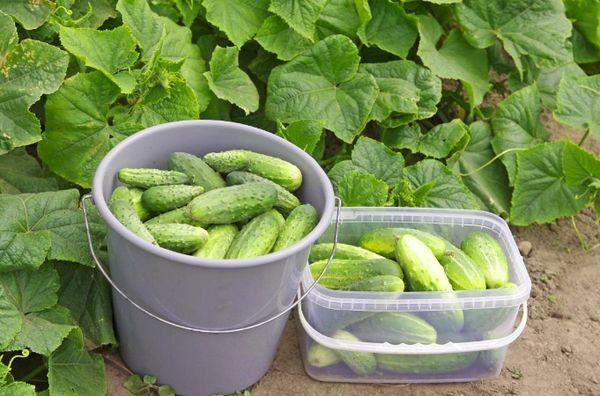
The average ripening period for cucumbers is 52 days. The fruits ripen at different times, so they are harvested every two days. Cucumbers are eaten fresh, preserved, and pickled.
Gardeners' reviews of Rodnichok cucumbers
Judging by the reviews, Rodnichok cucumbers have deeply entered the hearts of gardeners.
Gardener Sergey:
"I grow the Rodnichok F1 variety using the standard approach. They require insect pollination. In the open ground, the plants have free access. In the greenhouse, I additionally spray with a honey solution and open the gates. I placed the greenhouse near the bee colonies, and I'm very happy with the results."
Vladimir:
"I love the Rodnichok variety. Over the years I've been growing it, I've noticed that when I fertilize the plants with mineral fertilizers, the soil acidity increases. I solved the problem by adding ash to the soil. In hot weather, I shade the cucumber trellises with netting. It helps greatly. I also prevent diseases with the biological agent Fitosporin."
Related posts:
 How to plant carrot seeds in open ground, timing and sowing methods
 The best grape varieties for growing in the Urals, planting and care rules in summer
 The best eggplant varieties for growing in a polycarbonate greenhouse: planting and care
 Methods for planting and propagating cherries at home
 How to grow ginger in the open ground at your dacha, planting and care
 How to properly plant peas in a greenhouse and open ground
 Is it possible to grow an apricot tree from a seed in your garden? How to plant and care for it?
 Description of 30 grape varieties for Siberia, planting and care for beginners