
- Signs of poor bush development
- Cucumbers are not growing or are growing very slowly
- The cucumbers grew and stopped at one level.
- Drying at the root of the planting
- The fruit is not ripening well.
- The green fruits don't ripen
- Leaves and fruits turn yellow
- The main reasons for slow growth and death of cucumbers
- Violation of optimal conditions for growth and fruiting
- In a greenhouse and hotbed
- Temperature changes and drafts
- Pollination problems
- Inappropriate soil composition
- In open ground
- Violation of planting and harvesting deadlines
- Uncomfortable temperature
- Dense plantings
- Unformed bushes
- Rare fruit harvest
- Poor pollination
- Insufficient irrigation of bushes
- Excess or deficiency of fertilizer
- Diseases and pests affecting the growth and development of cucumbers
- Powdery mildew
- Anthracnose
- Melon aphid
- Spider mite
- Slugs
- Sprout fly
- Root nematode
- Field and speckled mosaic
- How to revive cucumbers
- Revive cucumbers in an open garden bed
- Saving cucumber crops in a greenhouse
- Conclusion
Gardeners can encounter the question of why cucumbers aren't growing at almost any stage of growing this vegetable crop. Therefore, it's important to familiarize yourself with the main causes of this problem and how to resolve it.
Signs of poor bush development
There are several signs of slow cucumber growth that you should be aware of before planting the vegetable.
Cucumbers are not growing or are growing very slowly
The main sign of poor cucumber plant growth is slow development. In this case, the plants rarely produce new fruit-bearing shoots. New fruits also fail to form on the stems. Some plants may even stop growing altogether and gradually dry out.
The cucumbers grew and stopped at one level.
Sometimes cucumbers planted in a garden bed stop developing and growing. This is a common problem faced by many beginning vegetable growers. Most often, vegetable growth stops due to a lack of nutrients or the development of diseases.
Drying at the root of the planting
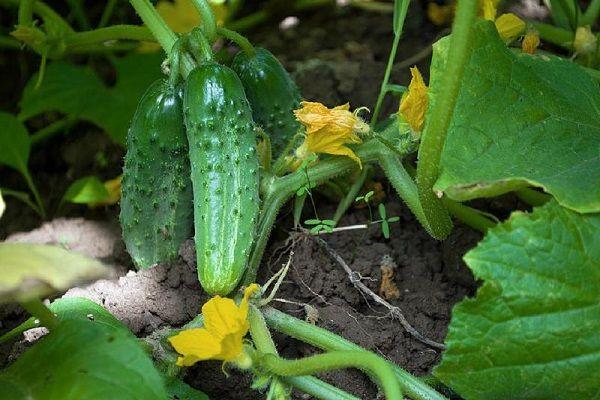
Another sign of poor bush development is a dried-out root and lower portion of the main stem. This drying doesn't occur immediately, but gradually. If root system of cucumbers began to dry out, the leaves of the seedlings become covered with yellow spots and gradually begin to wither.
The fruit is not ripening well.
Slowly developing bushes have difficulty filling out the fruit that has already set. Cucumber ripening slows, and gardeners are unable to harvest the crop on time.
The green fruits don't ripen
In some cases, the cucumbers stop growing altogether and fail to ripen. This problem can arise due to a lack of fertilizer, improper watering, or the development of a disease.
Leaves and fruits turn yellow
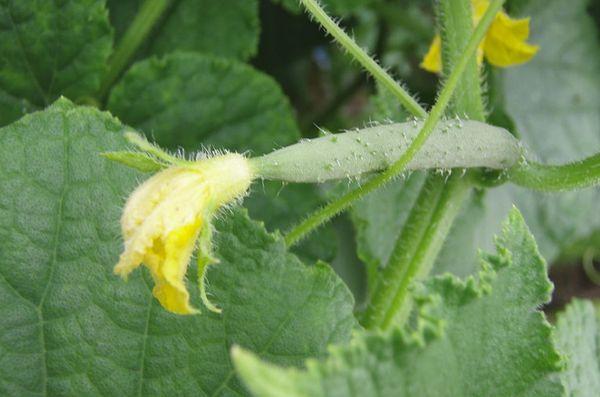
The main sign that cucumber seedlings are not growing well is yellowing of the leaves and cucumbers. Their surface becomes covered with yellowish spots, which eventually appear throughout the entire plant.
The main reasons for slow growth and death of cucumbers
Before you start growing cucumbers, you need to understand why they might be dying. Vegetable death can be caused by the following reasons:
- Using poor-quality seed. Quite often, cucumbers grow slowly due to poor-quality seeds. Some gardeners neglect to disinfect the seeds before planting. This causes the cucumbers to become diseased and to develop poorly. To prevent cucumbers from becoming diseased and dying, soak the seeds in a potassium permanganate solution beforehand.
- Excessive number of barren flowers. Sometimes, vegetable production and growth decline due to too many barren flowers on the bushes, which prevent the formation of new fruit. Barren flowers occur due to overcrowding and improper plant care.
- Unfavorable climate conditions. Seedling development can be slowed by unsuitable growing conditions: excessively high or low temperatures, high humidity, or poor lighting.
Violation of optimal conditions for growth and fruiting
It's no secret that when growing cucumbers, you need to create the right conditions for them to thrive. Failure to do so will result in problems with the growth and fruiting of the plants.
In a greenhouse and hotbed
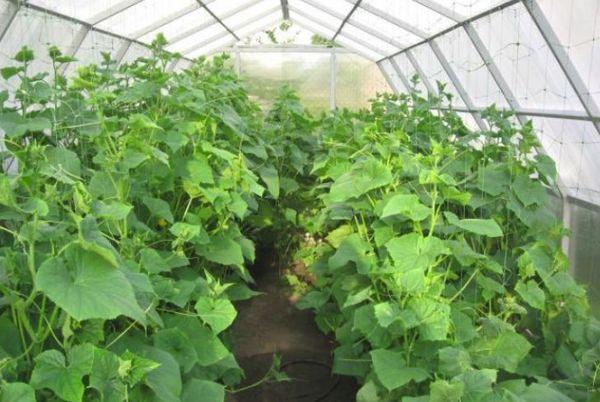
Sometimes vegetable growers have to grow cucumbers in a greenhouse. There are three problems faced by those growing vegetables in greenhouses.
Temperature changes and drafts
Drafts and sudden temperature changes can slow down the growth of plants. Experienced vegetable growers advise carefully inspecting the greenhouse walls before planting to ensure there are no cracks. If it is too cold inside, you will have to install a heating system to maintain the optimal temperature.
Pollination problems
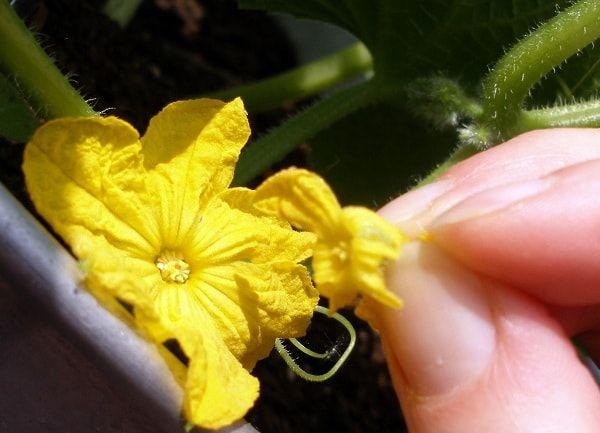
It's no secret that when growing cucumbers in a greenhouse, you'll have to pollinate the plants yourself. Without pollination, the plants won't develop cucumbers. To pollinate cucumber seedlings, you'll need to use a small brush to transfer pollen from the male flowers to the female ones.
Inappropriate soil composition
Cucumber bushes can fail if grown in unsuitable soil. Seedling development problems arise if they are planted in soil with high acidity. Cucumber growth is also stunted by a lack of mineral microelements in the soil.
In open ground
There are several reasons for the slow growth of cucumbers planted in open ground.
Violation of planting and harvesting deadlines
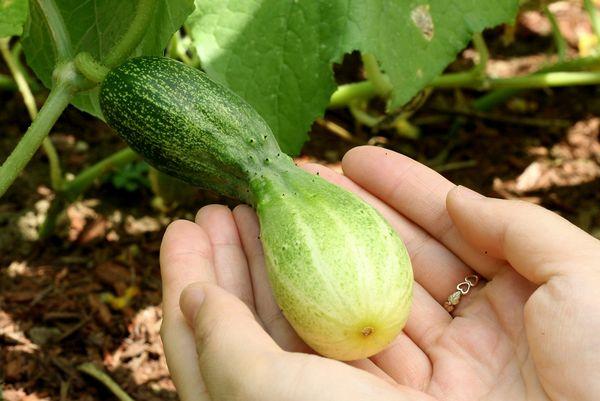
Cucumbers don't cope well with low nighttime temperatures, so they should be planted in the ground in the second half of spring, when temperatures rise to 15 degrees Celsius. Planting is recommended before the 20th of May to allow the fruits to ripen by the end of summer. The harvest begins in mid-summer, when the first cucumbers appear on the vines.
Uncomfortable temperature
When grown outdoors, cucumbers often suffer from low temperatures. Even a slight frost can slow the growth of the plants and reduce yield. To protect the seedlings from temperature fluctuations, cover them with plastic film at night.
Dense plantings
Overly dense plantings cause cucumber ovaries to turn yellow and gradually fall off. This occurs because the densely planted plants shade the soil surface and prevent it from drying out. High humidity promotes nutrient deficiencies and fungal diseases.
Unformed bushes
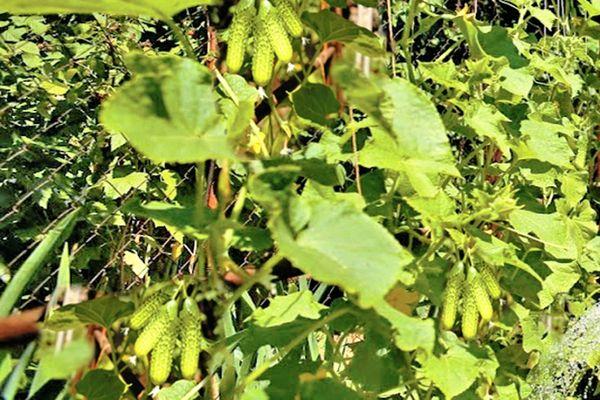
Experts recommend pruning the bushes to remove all side shoots and shoots above the second leaf. Without pruning, the green mass of the bushes will constantly develop and consume a lot of nutrients. This slows down the formation and ripening of young cucumbers several times.

Rare fruit harvest
The yield of planted cucumbers depends on how often the ripened crop is harvested. If the cucumbers are not harvested for too long, overgrown fruits will appear on the bushes, which will delay the formation of new ovaries and reduce fruiting.
Poor pollination
To improve pollination of cucumber seedlings, it's important to plant pollinator plants near vegetable beds. These plants attract bees and other insects. This will ensure that most of the planted cucumbers are pollinated.
Insufficient irrigation of bushes
Quite often, plants begin to dry out due to a lack of moisture and dry soil. Therefore, it's worth familiarizing yourself with cucumber watering recommendations. There are three methods for irrigating cucumber plants:
- A watering can. This is the simplest method for watering vegetables. Experts recommend using a watering can when growing compact varieties that don't require large volumes of water.
- With a hose. Tall plants are watered with a hose connected to a water supply, well, or any other water source. When watering, attach a special nozzle to the hose to evenly distribute the liquid onto the stems and leaves. It is recommended to water plants with a hose in the evening or early morning.
- Sprinkler irrigation. If cucumbers are slow to ripen, use sprinkler irrigation for watering. This is a universal method that can be used both in greenhouses and outdoors. To use this method, you will need to purchase pumping equipment to extract the water.
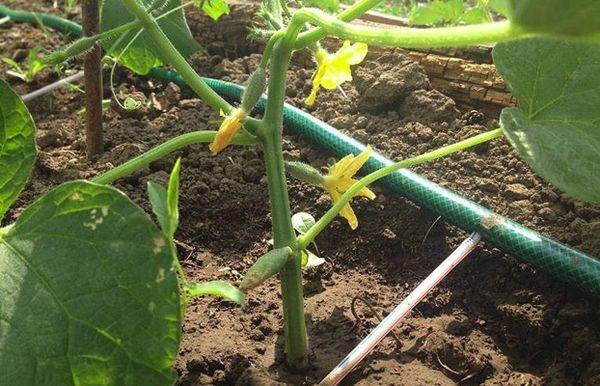
Excess or deficiency of fertilizer
Sometimes bushes begin to stop growing due to a deficiency of the following nutrients:
- Nitrogen. A lack of nitrogen-containing fertilizers causes plants to develop miniature inflorescences and small leaves. Yellow spotting also spreads throughout the plant.
- Phosphorus. Phosphorus deficiency doesn't show up immediately, making it difficult to detect. If plants aren't fed phosphorus fertilizers, they'll stop growing and bearing fruit. Additionally, seedlings may lose leaves and their stems may wilt.
- Potassium. When plants lack potassium fertilizer, their foliage takes on a bluish tint. Also, without potassium, leaf tips dry out and curl.
Vegetable growth can also be stunted by overfertilizing. Therefore, experienced gardeners recommend fertilizing cucumbers no more than 4-5 times during the growing season.
Diseases and pests affecting the growth and development of cucumbers
The development and growth of seedlings is sometimes slowed down as a result of pest attacks or the development of dangerous diseases.
Powdery mildew
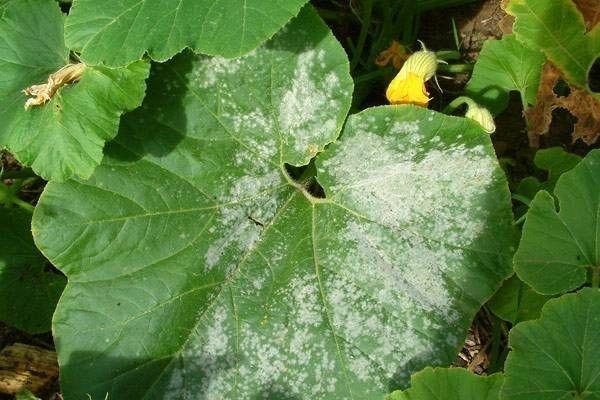
Powdery mildew is a fungal disease that affects many vegetable crops. Signs of the disease include leaves turning yellow and falling off. Powdery mildew develops due to high humidity and low temperatures.
Anthracnose
A fungal disease that causes young cucumber seedlings to turn yellow and dry out. Initially, the spots appear only on the lower leaves, but they later appear on the upper parts of the plants as well. High humidity favors the development of anthracnose.
Melon aphid
The death of seedlings in midsummer is associated with an attack by melon aphids. This small insect attacks the foliage of bushes and feeds on plant sap. After emergence, each leaf becomes covered with yellow spots. If you don't get rid of aphids, the bushes become depleted and die.
Spider mite
Another insect that likes to attack vegetable crops is the spider mite. It's easy to spot this insect early, as affected plants become covered in webbing. The mites feed on the sap from the leaves, causing them to turn yellow and die.
Slugs
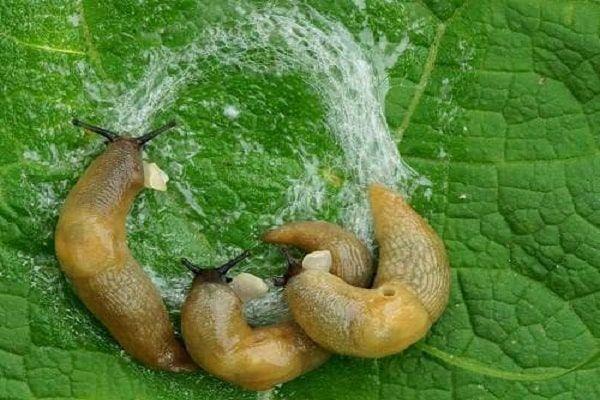
Slugs are dangerous pests that attack vegetable and fruit crops. They eat not only the leaves but also the fruit. If slugs appear on the foliage, immediately spray the plant with fungicides and mixtures made from biological products.
Sprout fly
The cucumber sprout fly lays eggs on the leaves of cucumbers, which gradually eat away at the leaf blades. Within 15-20 days, the pests can destroy all the leaves. The larvae can also penetrate the fruit and eat them from the inside.
Root nematode
Nematodes are a dangerous insect to be feared, as they cause cucumber plants to wilt. The pest penetrates the root system, causing growths and swellings to appear on the roots. This reduces yield and stunts the growth of the plants.
Field and speckled mosaic
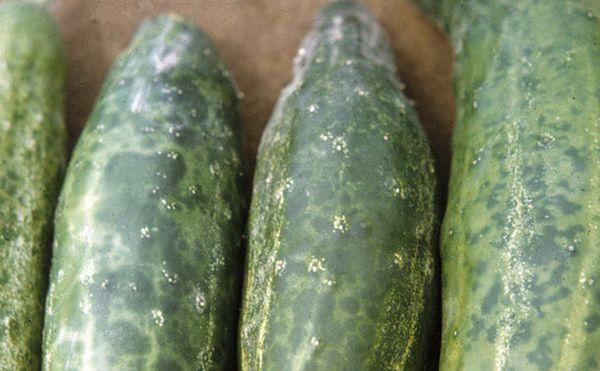
This disease most often develops in cucumbers grown in greenhouses. As mosaic disease develops, yellow spots appear on the leaves and fruit. If left untreated, the fruit becomes deformed and falls off.
How to revive cucumbers
There are several recommendations that can help revive cucumbers that have begun to grow more slowly.
Revive cucumbers in an open garden bed
You can revive cucumbers planted in the garden using the following means:
- Baking soda solution. If foliage growth is slow and yellowing, you can use a baking soda solution. To make it, add 30 grams of baking soda to five liters of boiling water. Let the solution steep for five hours, then spray it on the cucumbers.
- Potassium permanganate. To create a solution, mix ten liters of water with 3 grams of potassium permanganate. Apply the mixture to the bushes every 5-6 days.
Saving cucumber crops in a greenhouse
When growing vegetables in a greenhouse, the following are used:
- Serum. If the leaves begin to burn, spray the seedlings with a serum solution. Mix the serum with warm water in a ratio of one part to ten. Apply the prepared mixture no more than three times a week.
- Ash. Add two kilograms of ash to a ten-liter container of heated water. Mix thoroughly and transfer to a dark place to steep. After a week and a half, the ash solution can be used to treat cucumbers.
Conclusion
Gardeners who plant cucumbers in their plots often encounter slow growth of their seedlings. It's recommended to understand the reasons for the vegetable's slow growth and learn how to revive cucumbers.
Related posts:
 Why cucumber leaves are drying out and what to do, how to treat them in a greenhouse and in the ground
 Description of the best varieties of Chinese cucumbers, planting, growing and care
 How to care for cucumbers in open ground from planting to harvesting
 Why do cucumber leaves curl inward and what to do about it?
 Description of unusual methods for planting and growing cucumbers
 Why does white rot appear on cucumbers in a greenhouse and what can be done to treat it?
 Why do cucumbers in a greenhouse grow crookedly, what's missing, and what to do?
 Causes of cucumber diseases in open ground and how to combat them