
- Why are cucumbers misshapen?
- Poor nutrition
- Potassium starvation
- Nitrogen starvation
- Neglect of crop rotation rules
- Inappropriate varieties
- Wrong neighborhood
- Violation of care rules
- Sudden temperature changes
- Incorrect organization of irrigation
- Untimely harvest
- What can I do to make cucumbers grow straight?
- Preventive measures
Cucumbers are one of the most common vegetable crops. Their fruits are quite juicy and nutritious. They are great eaten fresh, pickled, and salted. However, not all gardeners manage to produce marketable-quality cucumbers when growing them in greenhouses. Therefore, to ensure perfect cucumber shape, before growing vegetables in your garden, you need to know why cucumbers in greenhouses grow crooked and how to prevent it.
Why are cucumbers misshapen?
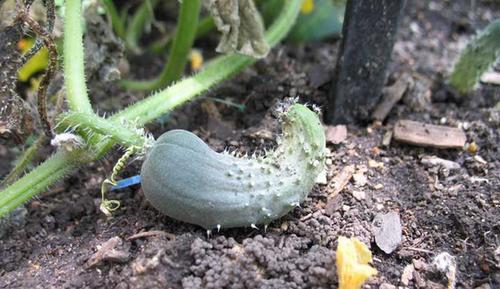
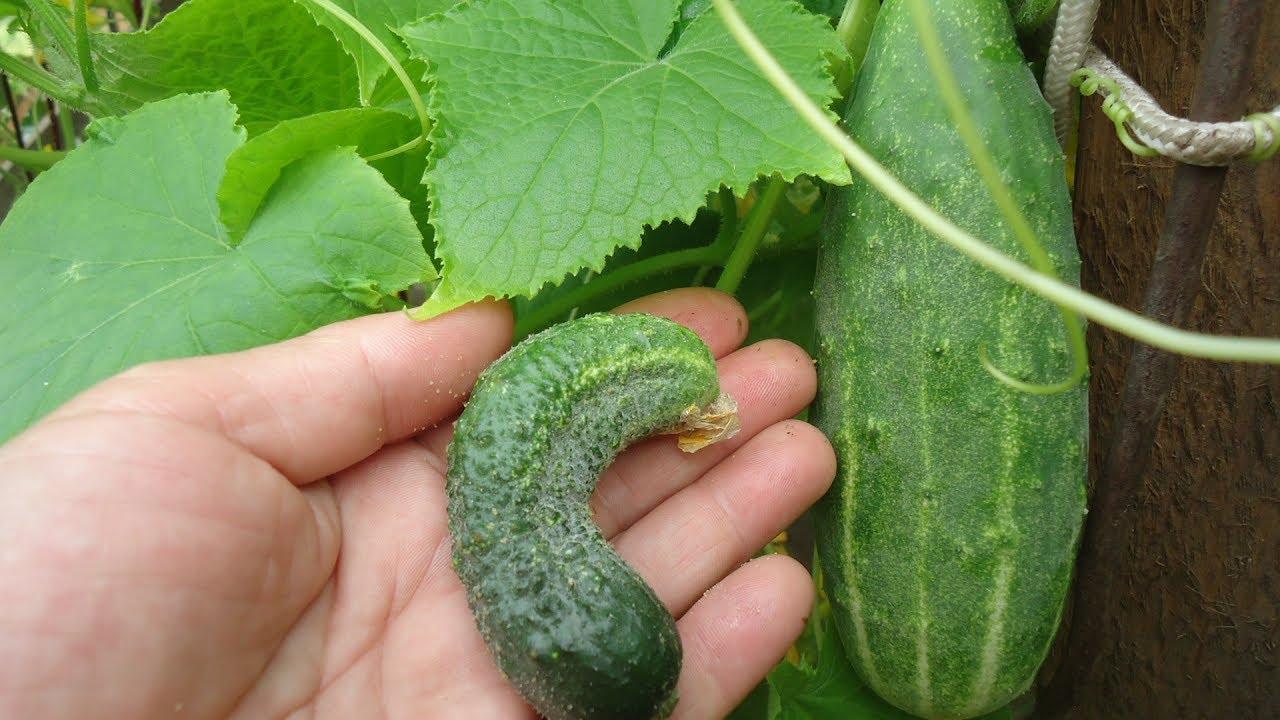
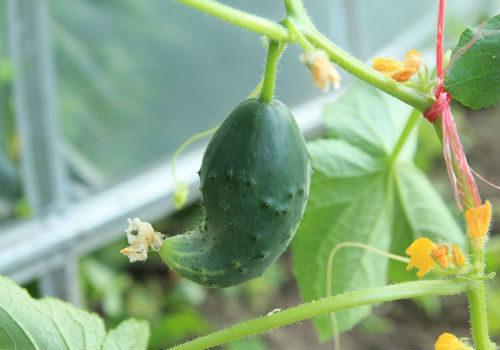
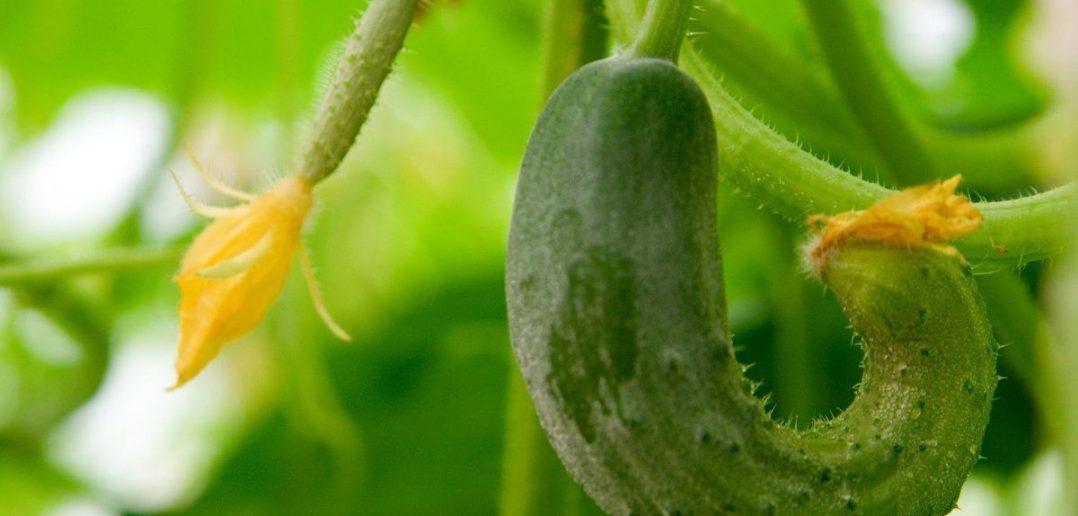
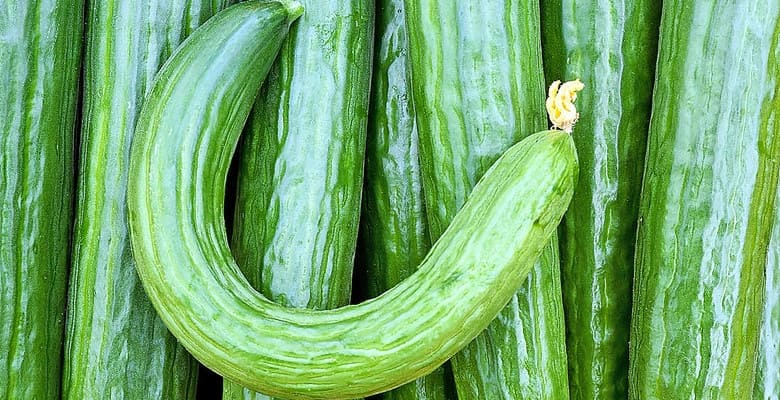
There's no definitive answer as to why cucumbers in greenhouses grow crooked. This deviation can occur for a variety of reasons. Here are some examples of the most common factors that can cause cucumbers to develop an abnormal crooked appearance, and how to correct them.
Poor nutrition
Cucumbers are a delicate crop that requires additional nutrition. Without the necessary nutrients, the fruits become deformed and the foliage turns yellow. At the same time, an excess of nutrients negatively impacts yield.
Therefore, when growing cucumbers, it is important to consider the concentration of fertilizers, the time and methods of their application.
Potassium starvation
Potassium is one of the most important micronutrients for cucumbers. It promotes sap flow and plant development. It also plays a role in fruit formation.

When potassium is deficient, cucumbers become pear-shaped. They typically have a narrow "bottom" and a spherical tip. Furthermore, when potassium deficiency in cucumbers a bitter taste appears, which is why any dish can be ruined with just one ingredient.
You can increase potassium in the soil with fertilizers such as:
- wood ash;
- Potassium magnesium sulfate;
To make an ash infusion, use 1-2 liters of non-combustible wood residue and 15 liters of water. After leaving the mixture for several days, dilute the resulting concentrate with a bucket of water and apply 0.5 liters per bush.
Potassium magnesium sulfate is used in dry form, at a rate of 20 grams of powder per square meter. These fertilizers are applied as root dressings. The optimal time for application is considered to be the flowering and fruiting stages.

Nitrogen starvation
Nitrogen-containing components are important for cucumbers at all stages of their growth. A nitrogen deficiency negatively impacts foliage growth, flowering, and fruiting. However, an excess of nitrogen can cause cucumber fruits to curl and develop a crooked appearance. To saturate the soil with the required amount of nitrogen, experienced gardeners recommend using a folk remedy using chicken manure. It's applied to cucumbers in liquid form.
Scheme for preparing the solution:
- Chicken manure is diluted with water in a 50:50 ratio.
- The concentrated mixture is infused for 3 days.
- After the specified time, the solution is diluted with water in a ratio of 1:10.
The resulting concentrate is introduced into the soil, under the roots of plants.
Neglect of crop rotation rules
Curling of cucumbers also occurs when vegetable crops are not grown correctly in a greenhouse. Incorrect crop rotation disrupts the mineral balance of the soil and leads to soil fatigue. Therefore, to maintain an attractive appearance, cucumbers need to be rotated annually with other plants. The optimal crop rotation method is considered to be "root-top" rotation. This approach will also prevent the vegetables from becoming bitter.
Inappropriate varieties
When growing several varieties of vegetable crops in open or closed ground, it is necessary to take into account what variety they belong to.
There are two categories of cucumbers:
- hybrids;
- parthenocarpic.

The first variety produces fruit ovaries without pollination. Parthenocarpic varieties bear fruit only with the help of pollinating insects. If the flowers of these plants are located adjacent to each other, cross-pollination occurs. In most cases, this process results in impaired plant growth, and the fruits begin to curl.
Wrong neighborhood
Cucumbers can be threatened by edible and common vegetable crops. Inappropriate plant combinations in greenhouses can lead to root and leaf secretions that contribute to allelopathy.
Thus, the following are considered to be oppressive neighbors for cucumbers:
- potato;
- tomatoes;
- herbs;
- green salads.
It's not advisable to plant cucumbers near or near plants that will shade them. Insufficient light will cause the cucumbers to accumulate low levels of sugar and other nutrients.
Violation of care rules
Agricultural work plays a major role in growing cucumbers. It's not labor-intensive and doesn't take up much of your free time. However, agricultural practices require adherence to certain rules.

Sudden temperature changes
Cucumbers are quite heat-loving plants, beginning to curl up in extreme cold and temperature fluctuations. The optimal temperature range for cucumbers is considered to be between 14.5 and 42 degrees Celsius. Daytime temperatures that enhance marketability are between 25 and 30 degrees Celsius, and nighttime temperatures between 15 and 20 degrees Celsius.
If the temperature range drops, seedlings and mature cucumbers are covered with additional film to prevent freezing. When the air temperature exceeds the high limits, greenhouses need to be ventilated.
Incorrect organization of irrigation
Vegetable crops respond negatively to improper watering. Inadequate irrigation practices lead to various diseases, which can cause the fruit to grow crooked. Rules for irrigating cucumbers in greenhouses:
- Watering should be done carefully, right at the roots of the plants, without disturbing the soil or breaking the stems. Therefore, it's better to use a garden watering can rather than a hose.
- Irrigation water should be warm, between 18 and 23 degrees Celsius. It should never be below 10 degrees Celsius. Otherwise, the cucumbers will not only stop growing but also die.
- In dry summers, as well as on light sandy soils, plants are watered several times a week.
- In humid climates and on soil that retains water well, watering is done less frequently but more abundantly.
- To avoid sunburn on leaves when exposed to moisture, it is best to irrigate in the morning or evening.
- It's recommended to ventilate the greenhouse before watering. If frost is expected overnight, it's best to postpone watering until the morning.
- The recommended watering rate for young plants is 5-10 liters per square meter. During fruiting, this figure increases to 15-20 liters.

The values given are not critical. They may vary depending on the hook-shaped fruit and plant variety.
Tip! Some cucumber varieties and hybrids have unique water requirements. Therefore, when purchasing a particular vegetable, it's a good idea to read the growing instructions included. These are typically found on the seed packaging.
Untimely harvest
If gardeners follow all the growing guidelines but cucumbers still look crooked, they should pay attention to harvesting. If the fruit is harvested late, numerous overgrown cucumbers will form on the bushes. Even though these giants are no longer edible, they continue to absorb nutrients. As a result, young cucumbers are deprived of beneficial micronutrients and begin to curl. To avoid this, experienced gardeners recommend harvesting every 2-3 days.

What can I do to make cucumbers grow straight?
The yield volume and curvature of cucumber fruits depend on two main factors: soil composition and agricultural practices.
Timely care includes:
- watering;
- weeding;
- loosening.
If the soil lacks nutrients, it should be fertilized with potassium, nitrogen, and phosphorus. If the soil is infected with bacterial or fungal infections, disinfection is recommended. A pink solution of potassium permanganate is used for disinfection.
Preventive measures
The set of measures aimed at preventing cucumbers from bending into a hook is described above. Therefore, to prevent deformation, you need to take the following steps:
- Observe crop rotation.
- Do not place hybrids and parthenocarpic varieties nearby.
- Feed the soil with beneficial nutrients.
- Water the cucumbers with warm water as needed.
- Weed and mulch the soil.
- Consider the proximity to other vegetable crops.
- Observe the temperature and light conditions.
Also, don't forget about regular harvesting.So, having learned what cucumbers might be lacking based on their fruit shape, every gardener can perform certain tasks independently. As you can see, these steps aren't all that difficult and don't take up much time. However, if you follow these recommendations, cucumbers will acquire excellent taste and marketability, which will positively impact their sales.
Related posts:
 Description of the best varieties of Chinese cucumbers, planting, growing and care
 Description of unusual methods for planting and growing cucumbers
 Why cucumber leaves are drying out and what to do, how to treat them in a greenhouse and in the ground
 How to properly plant cucumbers in open ground with seeds, and at what depth
 TOP 30 best determinate cucumber varieties with descriptions
 How to plant cucumbers in open ground under film: timing and cultivation technology
 TOP 30 best varieties of cold-resistant cucumbers with descriptions and characteristics
 How to care for cucumbers in open ground from planting to harvesting
Good and practical advice