
- Cucumber root system structure: description and characteristics
- How the root system is formed
- Where do additional and lateral roots form?
- Length of cucumber roots
- How deep do cucumber roots go?
- Methods for increasing the root system of cucumbers
- Cucumber feeding area
- Do I need to loosen the soil and hill up the cucumbers?
- How to properly hill up plants
- In open ground
- In the greenhouse
- Watering
- Fertilizer and feeding
- What diseases and pests is the root system susceptible to?
- Causes of root rot
- How to protect crops from disease and how to combat it
The root system structure of cucumbers and tomatoes differs. Therefore, the same care for both varieties should not be used, as this will lead to irreversible consequences. Knowing whether the root system is taproot or fibrous and its depth will allow you to apply fertilizer correctly and prevent damage to lateral shoots when loosening the soil. Let's get to know cucumbers better, starting with the roots.
Cucumber root system structure: description and characteristics
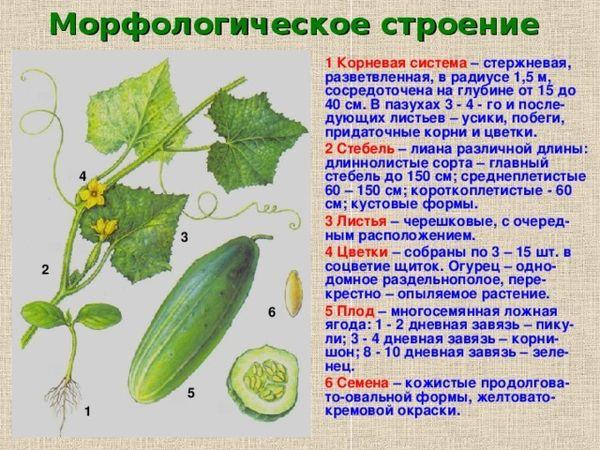
Cucumbers originate from the subtropics and are closely related to pumpkins. Therefore, their root systems are similar, with the difference being that cucumbers are much shorter. The plant's shallow root system (up to 30 centimeters below the surface) is distinguished by its increased ability to absorb moisture from adjacent soil layers.
It's all about the lateral branches. Because of them, loosening and hilling cucumber beds is not recommended. It's better to cover the root zone with a layer of mulch; this will be more beneficial. The relationship between the role of the cucumber's central root and the branches is as follows: the deeper the main root goes, the less lateral root development.
Accidentally damaged plant shoots recover, on average, within 8-10 days. This will affect the delay in cucumber fruit set in the future.
How the root system is formed
As the plant grows, its aboveground part simultaneously develops its invisible, underground part. The rate at which cucumber rootlets form depends on soil moisture and nutrient availability. This is influenced by the soil's permeability to air and nutrients, as well as its chemical composition (salts, acidity, and the presence of organic matter). Lighting levels in the cucumber bed are also important, ensuring that all leaves receive the required amount of heat.
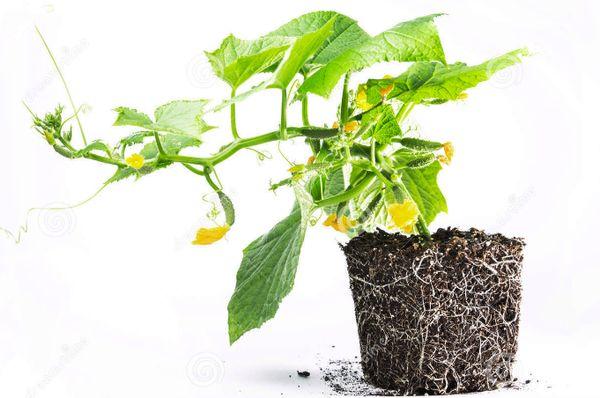
But soil moisture is cited as the main factor affecting the growth of central and lateral roots. It influences the spread of the root system outward from the cucumber plant (underwatering) or the consistent development of a strong taproot (with uniform soil moisture).
Where do additional and lateral roots form?
Cucumbers can develop additional roots in the surface zone, collecting precious moisture throughout the entire plot. These roots are located shallowly, literally just beneath the top layer of soil, and are therefore easily damaged if handled carelessly.

Length of cucumber roots
The average size of cucumber rootstocks varies depending on the variety, region, and growing conditions. Traditionally, when planting in a greenhouse or open ground, a 30-40 centimeter spacing is used between adjacent plants. This is the growth zone of the plant's lateral roots, their maximum length.
How deep do cucumber roots go?
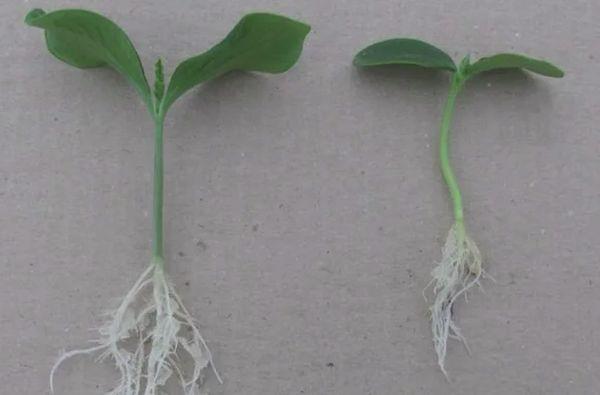
In the 1930s, thanks to research by enthusiasts, it was possible to establish that the greatest length of the central stem of a cucumber at different ages of the bush reaches the following dimensions:
- 14 days – 60 centimeters;
- 40 days and more – up to 110 centimeters.
The cucumber's main, branched roots are concentrated in a zone located 25 centimeters below the soil surface. Up to 70% of the roots are distributed between 5 and 40 centimeters deep.
Methods for increasing the root system of cucumbers
It's possible to force cucumbers to develop and enlarge their taproots and lateral roots. First of all, use warm, settled water, never straight from the mains. Cucumbers "sense" changes in soil temperature; when it drops to 13 degrees Celsius, the plant wilts and becomes inactive. Therefore, the first rule for stimulating plant growth is timely and temperature-controlled watering.
Next: do not allow the cucumber roots to become exposed – exposure to sunlight is detrimental to the bush. Therefore, this should not be allowed. The third rule is to regularly provide the cucumber's underground portion with fresh air. However, loosening the soil is not allowed; mulching is used instead.
The next consideration is the presence of micronutrients (phosphorus or complex fertilizers) in the soil. Without nutrients, cucumbers won't grow. When using liquid fertilizers, the mineral concentration should be maintained at 2 grams per liter of water. Various growth stimulants are also available, but not all of them are safe or capable of ensuring an environmentally friendly harvest.
Cucumber feeding area
To grow a delicious, juicy cucumber from the garden, you need to provide the plant with adequate nutrition, care, and a comfortable growing environment. Maintain a distance of 30 centimeters between cucumber plants when grown outdoors, and up to 40 centimeters (60 centimeters between rows) in a greenhouse. This area will provide the cucumber with sufficient nutrition, focusing light, heat, water, and minerals.
Do I need to loosen the soil and hill up the cucumbers?
Beginner gardeners often make serious mistakes when caring for pumpkins. This includes loosening or hilling the soil around cucumbers. Moving the soil or attempting to drain it mechanically will expose the delicate roots and even damage them. The plant will then be forced to expend energy on repairing its organs, instead of growing and developing, strengthening, and ascending.
A good alternative to loosening the soil is to use mulch. This can be leaves, small shrub clippings, or compost. This will help protect the cucumber by retaining moisture in the soil and providing oxygen to the root zone.
How to properly hill up plants
Hilling is recommended for most garden crops, but cucumbers can be an exception. The problem lies in the relatively shallow placement of lateral shoots, which poses a risk of injury. Experienced growers avoid hilling healthy, normally growing, and fruiting cucumbers. This extreme measure is used only if the plant is diseased or its roots are damaged.
In open ground
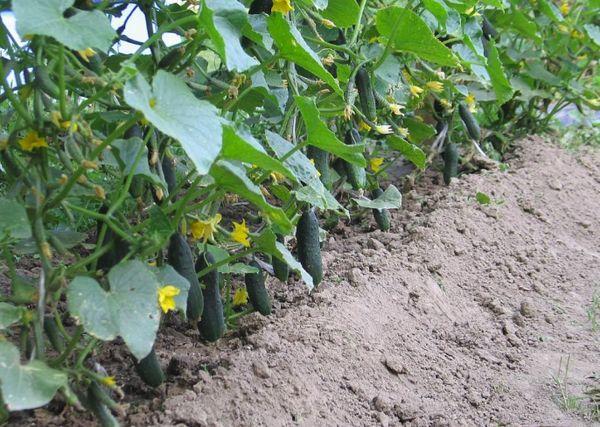
My cucumber plant has wilted, and the roots are developing rot due to overwatering or another disease. What should I do? The plant can be saved by using proper hilling. The upper, above-ground portion of the cucumber is carefully rolled into a ring and placed on the soil surface. Pre-prepared, sufficiently loose and fertilized soil is carefully poured on top, evenly distributing it over the plant's feeding zone. In this case, there's a chance the plant will heal itself, sending out fresh roots and establishing itself in the soil.
In the greenhouse
In greenhouse conditions, especially if the rows are spaced trellises for supporting cucumber stemsHilling is done by adding soil. Fertile soil is added to the previously formed furrows where the seeds or seedlings were planted. This soil will also retain moisture and promote the growth of lateral roots.
Watering
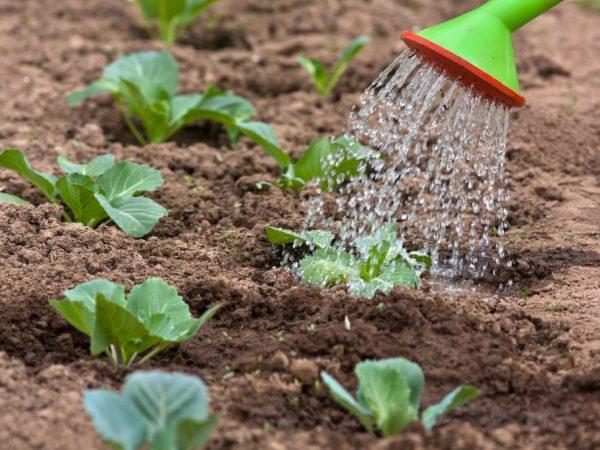
Without proper watering, there's no harvest—this is the fundamental principle of cucumber cultivation. Regardless of growing conditions, whether in the open ground or a greenhouse, cucumber plants must receive sufficient moisture. Soil moisture levels should be 80% for uniform root and fruit development. Dropping below 30% is unacceptable, as this will kill the plant.
To maintain the required balance of dissolved water in the soil, it's also necessary to monitor its permeability. Heavy, fine-grained soils will retain moisture, leading to rot. Warm, not cold, water is essential for irrigation: this affects the rate of water absorption by the root system. At the same time, a general decrease in temperature in the root zone leads to the development of plant diseases.

Fertilizer and feeding
Cucumbers are fed with aqueous solutions of mineral fertilizers, as well as organic matter. There are many options, including traditional and exotic methods. These include yeast, ash, bread, chicken manure, and onion peel infusion. Mineral complexes contain magnesium, potassium, and nitrogen—all essential for successful cucumber growth.
The easiest way to make a simple but effective fertilizer is to soak stale bread for a week.
It's important to remember that all solutions must be diluted with water before use. Add the additives carefully to the roots or into a specially dug furrow.
What diseases and pests is the root system susceptible to?
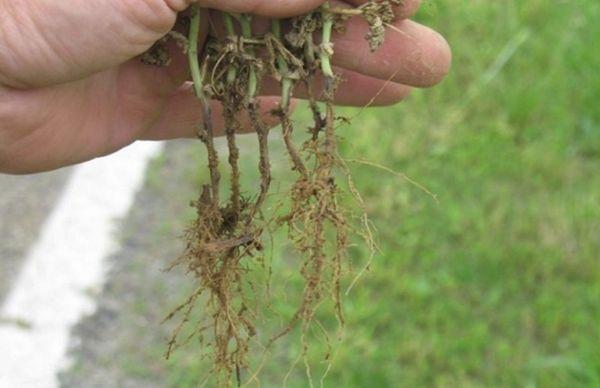
Root rot is the most common culprit for cucumbers. It occurs due to improper watering, stagnant air, and the introduction of fungal spores in the soil. Aphids are the most dangerous insect, as they are difficult to get rid of.
Causes of root rot
There are several factors that can cause cucumber plant disease and root damage. These include traumatic damage to lateral branches, impaired air circulation, and the transfer of spores from neighboring plants.
Rot never occurs on its own. Its appearance is always preceded by a cause.
How to protect crops from disease and how to combat it
Prevention is the best way to save the plant and harvest. At the first sign of rot, treat with fungicides or alternative methods. Don't let the disease run its course. Cucumbers can be successfully treated with biological compounds (a strain of a microorganism aggressive against rot) and Bordeaux mixture. All fungi are very sensitive to copper-containing compounds, so one way to suppress them is by spraying with a similar compound.
To prevent the disease, cucumbers should be planted at intervals (to avoid infection from neighboring plants). Diseased plants should be burned and not left in the garden bed. And, of course, avoid stagnant water, overwatering, or excessive humidity.
Related posts:
 Description of unusual methods for planting and growing cucumbers
 Why do cucumber leaves curl inward and what to do about it?
 Description of the best varieties of Chinese cucumbers, planting, growing and care
 Why does white rot appear on cucumbers in a greenhouse and what can be done to treat it?
 Description and characteristics of the Murashka cucumber variety, cultivation and care
 Causes of cucumber diseases in open ground and how to combat them
 How to care for cucumbers in open ground from planting to harvesting
 Is it possible to soak treated cucumber seeds before planting and how to do it correctly?