
- When to plant cucumber seeds in open ground
- Early planting
- Mid and late sowing
- Boarding deadline
- What determines the timing of planting cucumbers in open ground?
- Depending on the variety
- Depending on the growing region
- Optimal temperature conditions
- At what night temperature can cucumbers be planted in the ground?
- Minimum temperature for cucumbers in open ground
- Comfortable temperature
- Night
- Daytime
- How to save crops and seedlings during a sudden cold snap
When growing cucumbers, it's important to adhere to the correct planting timing. To ensure a good harvest, you need to know when to plant cucumbers outdoors. Sowing timing is influenced by climate conditions, the variety, soil type, and other factors.
When to plant cucumber seeds in open ground
Planting cucumber seeds can be done at different times, taking into account a number of factors. Sowing is done from late March until the end of May.
Early planting
It's best to plant late-ripening vegetable varieties in late March. This is because these varieties have a longer growing season than other varieties.
Mid and late sowing
Mid-season and early-ripening varieties are grown from the second half of April to mid-May. The seeds germinate during the optimal period, when summer days are hot and nighttime temperatures drop slightly.
Boarding deadline
The final deadline for planting cucumbers outdoors is the end of May. If you sow cucumbers later, they won't have time to bear fruit before the first autumn frosts. Early-ripening vegetable varieties that produce fruit throughout the warm season are planted at the latest possible time.

What determines the timing of planting cucumbers in open ground?
Several factors influence the timing of cucumber planting in open ground. When planting, it's important to consider the cucumber variety, the surrounding climate and weather conditions, the soil type, and the most recent crops grown in the garden.
Depending on the variety
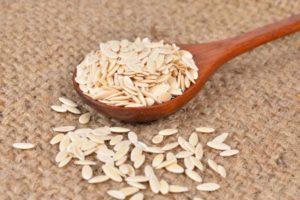
Different types of cucumbers have different ripening times and varying susceptibility to environmental conditions. All cucumber varieties can be roughly divided into three categories:
- early ripening;
- vegetables with a medium ripening period;
- late-ripening.

The seed packages indicate the approximate time for planting cucumbers, allowing you to calculate the best time for sowing. It's important to adhere to the planting date, taking into account the variety's characteristics, as vegetables that don't ripen in time will be damaged by frost.
Depending on the growing region
Different vegetable varieties are suitable for different regions of the country. Cucumbers are heat-loving plants, so in cooler regions, seeds should be sown outdoors early. In southern regions, sowing vegetables at the latest possible time is permissible. It is important to remember that sowing is carried out only if the possibility of recurrent frosts has been excluded, when the soil has warmed up and the average daily temperature exceeds 18 degrees.
Optimal temperature conditions
Ambient air temperature is a key factor for proper and vigorous plant growth. To prevent slow development, reduced yield, and plant death, it's important to constantly monitor the temperature and take appropriate action if it deviates from the norm. For convenience, you can install a thermometer near the beds and take readings daily.

At what night temperature can cucumbers be planted in the ground?
In many regions, nighttime temperatures drop significantly compared to daytime temperatures. These sudden changes negatively impact the growing season, so when planting vegetables, it's important to know in advance how low the nighttime temperature will drop.
Since cucumbers grow primarily at night, nighttime temperatures should be at least 13 degrees Celsius. It's also worth considering that a simultaneous drop in temperature and humidity increases the risk of fungal infections, including powdery mildew.

Minimum temperature for cucumbers in open ground
Temperature requirements must be met from the moment the first shoots emerge. For seeds to begin growing, the air temperature must reach 10-12 degrees Celsius. Leaves and fruits are able to form at temperatures of 15-16 degrees Celsius. Warming to 25 degrees Celsius stimulates accelerated growth, with the first shoots appearing five days after sowing, while at temperatures of 17-20 degrees Celsius, sprouts can be seen within 10 days.

Temperatures dropping below 10 degrees Celsius lead to stunted growth, yellowing, and rotting of foliage. Prolonged exposure to these temperatures can lead to pathological cellular changes in plant tissue. Further drops can lead to the death of greenery. Planting in frozen soil also negatively affects seed growth, and they do not germinate until favorable weather sets in and the soil warms up.
Comfortable temperature
The optimal air temperature is determined by the vegetable crop's development phase, including germination, flowering, fruit set, and fruiting. Light levels, growing methods, and other factors also influence the optimal temperature.
Night
For active seed germination, vegetable development, and healthy fruit formation, nighttime temperatures should be between 18 and 22 degrees Celsius. At night, the substances synthesized during the day are transported from the leaves to the fruits, root system, and upper shoot bases.

Daytime
In summer, the ideal temperature for cucumber ripening is 24-28°C (75-82°F) on a sunny day and 22-24°C (72-75°F) on a cloudy day. When growing vegetables in hot regions, temperatures as high as 30°C (86°F) are acceptable.
Warmer temperatures promote active ripening of vegetables, while moderate temperatures within the specified range promote root and shoot growth. This allows plants to fruit for a longer period and produce vegetables with excellent flavor.
How to save crops and seedlings during a sudden cold snap
In the event of late frosts or sudden cold snaps, it's necessary to protect the plants to avoid crop losses. The most effective method is to use cover. Thick fabric or opaque plastic is suitable for protecting plants.

You can also purchase the necessary covering material at gardening stores. Simply throw the material over the plants and secure the edges. Covered cucumbers will withstand cold snaps well, and frost won't affect their yield.
Related posts:
 How to properly plant cucumbers in open ground with seeds, and at what depth
 When to plant cucumbers in open ground in Siberia, how to grow them, and the best varieties
 Description of unusual methods for planting and growing cucumbers
 How to care for cucumbers in open ground from planting to harvesting
 How to plant cucumbers in a greenhouse, at what distance and with diagrams
 Description of the best varieties of Chinese cucumbers, planting, growing and care
 How to plant cucumbers in open ground under film: timing and cultivation technology
 How to properly plant cucumber seedlings in a greenhouse and care instructions