
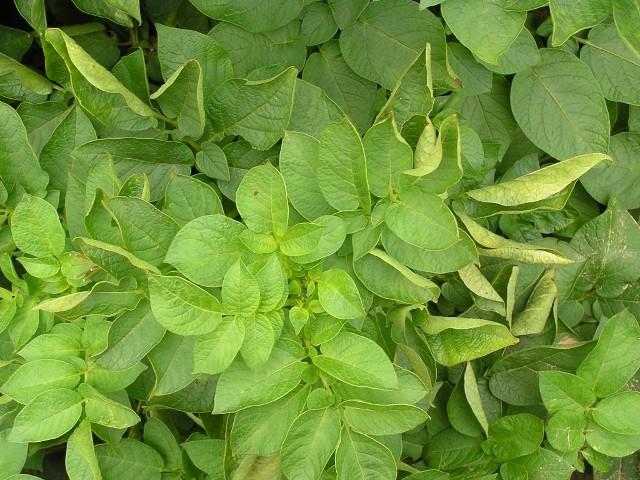
Potato leaf curl can be detected on potato leaves as a large, mottled mosaic, accompanied by bulging areas of leaf tissue between the veins. This problem can encompass a range of unrelated symptoms that have different causes. Therefore, every gardener who decides to grow this vegetable crop should learn all the measures to combat potato leaf curl.
Causes of potato curl
Changes in potato leaf shape can signal several diseases. All of them can weaken the plant and significantly reduce yields. Gardeners must be able to recognize the signs of potato leaf curl at an early stage and take prompt action.
The main reasons for the appearance of curl on potato tops.
Herbicide damage
Gardeners often plant large areas of potatoes. As a result, they don't have time to get rid of all the weeds. Therefore, they resort to herbicides, which, if applied incorrectly, can cause foliar curling. When the chemicals come into contact with the leaves, the plants stop growing, and the leaves begin to curl. The chemicals can also be carried by the wind from neighboring gardens or farm fields.
In this case, it is necessary to remove the affected bushes and be extremely careful when using herbicides.
It is better to use herbicides in the fall when preparing the soil for planting, but not while the crop is growing.
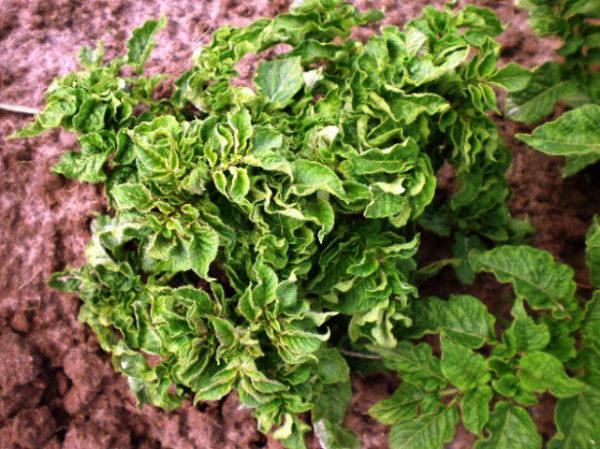
Mosaic
Leaf curl causes a disease called mosaic, characterized by green and white spots on foliage and fruit. These spots can come in all sizes and shapes, causing damage to the leaf blade and altering its contour. The virus slows photosynthesis, alters metabolism, and alters water balance.
For potato gardeners, it's important to know the different types of mosaic disease and accurately recognize the symptoms of each. This will help them quickly combat this dangerous disease and ultimately achieve a high-quality and abundant harvest.
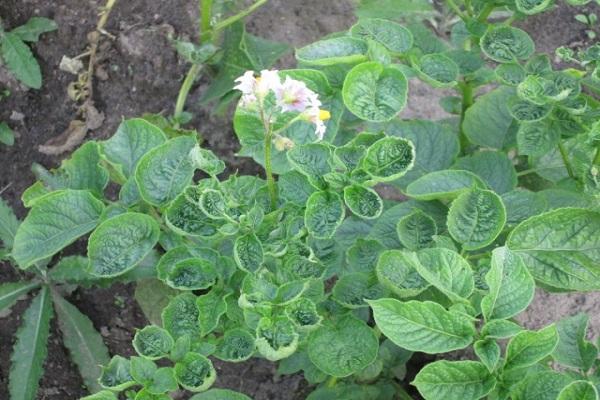
Plain and folded
Common mosaic disease occurs on young foliage. It is indicated by light green mottling of varying irregular shapes. With age, some varieties develop brown, almost black spots in place of the mottling. The virus is transmitted by contact between healthy potatoes and diseased foliage. Spread of the disease within a plot is also caused by potato aphidPlants can also become infected through mechanical damage caused by tools during plant care.

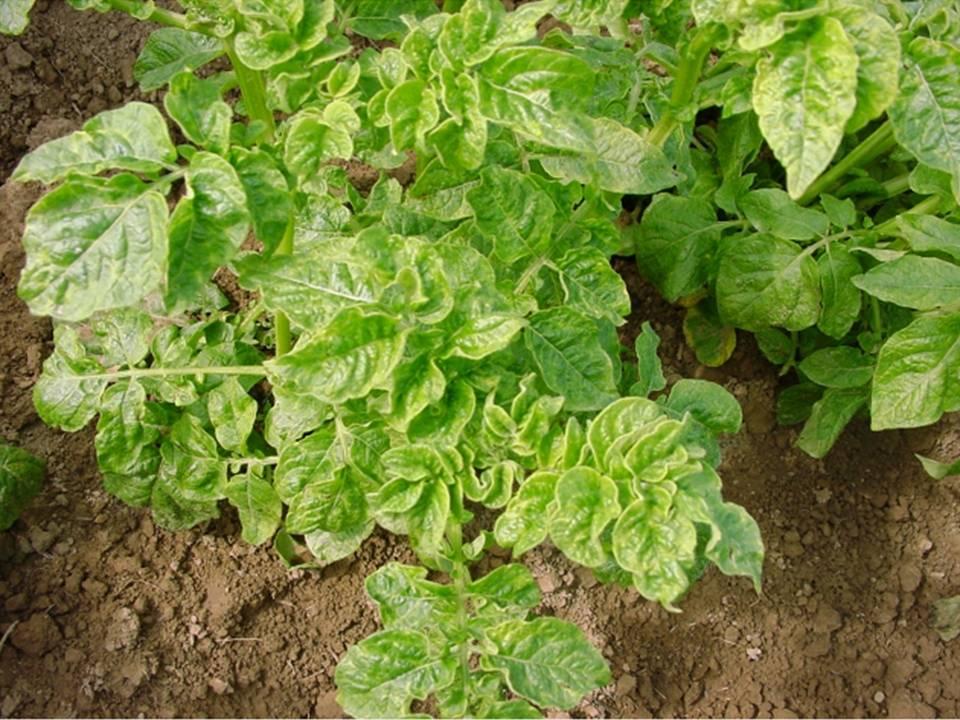
The main symptoms of plicated mosaic are the distortion of leaf particles. Wrinkles form at their edges, and small swellings develop between the veins. Initially, the leaves become lighter in color, then take on a bronze hue. In case of severe damage, yield loss is 40%.
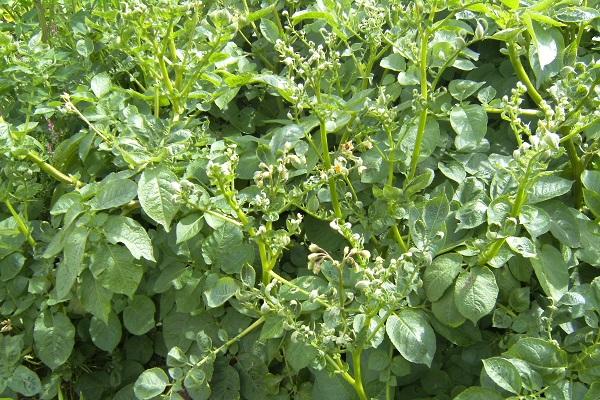
Mosaic curling of the upper leaves
During budding, the edges of the upper leaves become wavy and lifted, and the leaf takes on a spoon-like shape, but remains soft. This disease is easily recognized by the curling and disfigurement of only the young leaves. Gardeners observe yield reductions of up to 50-70 percent.
Speckled mosaic
The disease is believed to be caused by a soil-borne fungus that appears on leaves as light-green mottling, and on some varieties, black necrotic spots develop. Depending on plant growth conditions, the pathogens causing this viral disease can remain latent, making it difficult to accurately diagnose based on external signs.
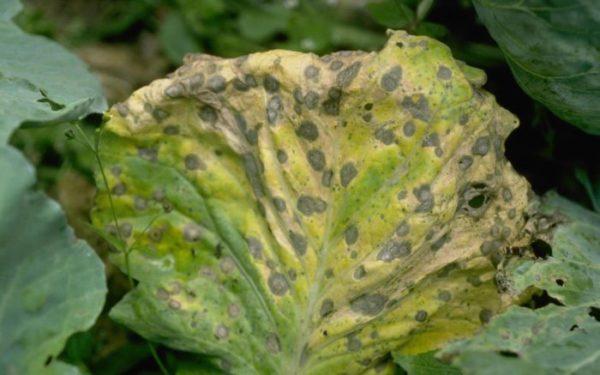
Rugose and banded mosaic
The symptoms of rugose mosaic disease are subtle in the early stages. Early in the growing season, disproportionate growth of leaf tissue causes bumps and wrinkles to appear between the veins, and leaf blade margins curl downward. Diseased cells are unable to retain moisture, so infected plants die in dry weather.
Infected tubers sprout and form stunted, stunted tops that die a month early, leaving the fruit small. Yield losses of up to 90 percent are observed.
Potato plants are also attacked by a type of mosaic called striped mosaic. Characteristic signs of the disease include distinct longitudinal stripes on the upper tissues and stems of the plant, which become rough and shrink in size. The mosaic also affects the tubers, which take on a spindle-shaped form. The roots lose their flavor, and yields are significantly reduced. The disease leads to the death of potato plants.
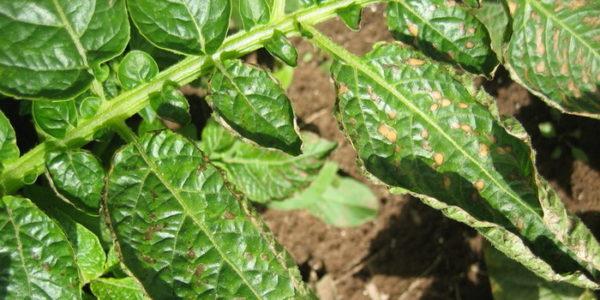
Black scab (rhizoctonia)
Black scab, a disease that also causes potato tops to curl, is caused by fungi. Spores enter the soil along with infected material. In summer, the disease is indicated by wavy leaves, and later, all plants develop ulcers. The core turns to dust. The tubers are deprived of nutrients. In this case, vegetable growers may not see a harvest, with yields dropping by 30 percent.
Poor soil or the presence of fungus in the planting material exacerbates the disease. Most tubers will be underdeveloped at harvest. Rhizoctonia-infected plants rarely survive droughts.
Take a look Also
Improper care
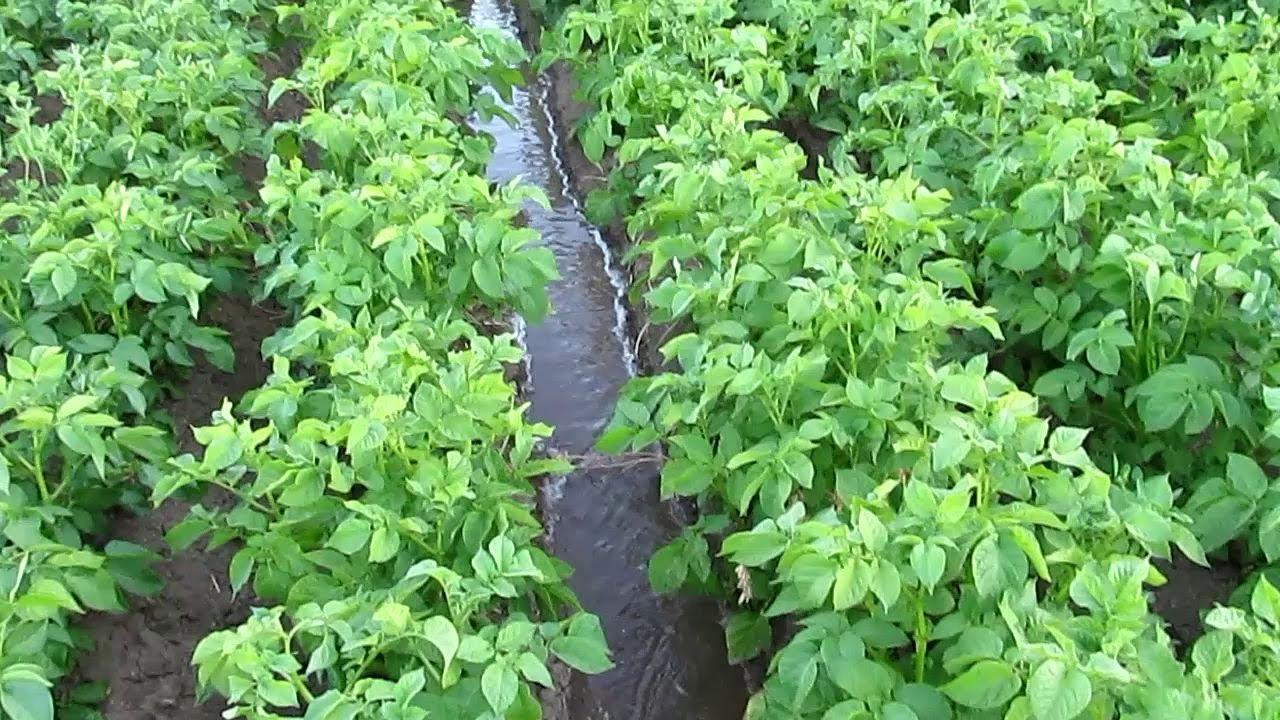
Lack of proper plant care. A deficiency of minerals such as phosphorus and potassium in the soil, as the presence of nitrogen in the form of manure or compost does not solve the soil fertility problem. Potato plants also respond by stunting growth and development due to improper watering and insufficient light. The leaves begin to curl, fade, and photosynthesis ceases. As a result, the plant fails to form tubers, and yields drop by 50 percent.
How to save potatoes?
Every gardener should know how to prevent crop loss. If the tops begin to curl, this indicates the presence of a disease. The bushes become weakened, and the number of tubers decreases significantly. It is important to promptly remove diseased plants from the area to prevent widespread infection. It is best to burn affected bushes to prevent a resurgence of the virus and its further spread. Water the hole with a solution of potassium permanganate.
Leaf curl is dangerous because it's difficult to recognize in its early stages. Damage from a few affected bushes is insignificant, but the same cannot be said for the third year. The beds become completely curled, the stems are brittle, and the leaves are dry, brown, or light green. Photosynthesis ceases, and ultimately, there's no harvest to show for it.
Gardeners are trying to treat the problem with all available means, resorting to special chemicals and folk remedies, but all to no avail, as time has been lost. Potato leaf curl is incurable. Therefore, it is important to prevent it and try to stop the spread of the virus through preventative measures.
Preventing leaf curl
To combat potato leaf curl, you need to know the signs of the disease, regularly inspect potato crops, and carefully follow the necessary agricultural practices when growing the vegetable crop:
- Use only healthy, certified potato seed and select potato varieties resistant to the mosaic virus. This will ensure healthy, robust plants.
- Avoid cutting tubers into pieces to prevent infection. If you lack planting material, disinfect the knife with alcohol, vodka, or a potassium permanganate solution. Dry the cut areas and treat them with brilliant green, then sprinkle with crushed activated charcoal.
- Maintain crop rotation and avoid planting potatoes in the same bed for more than 2-3 years. Legumes, cabbage, cucumbers, and squash are considered good predecessors, as they enrich the soil with nitrogen and improve its health. Avoid planting potatoes in beds previously occupied by tomatoes, peppers, eggplants, and other nightshade plants.
- Ensure that the soil acidity is within the pH range of 5.0-5.5, and that the soil is fertile and does not require minerals.
- It is imperative to hill up the plants: root crops should be located at a depth of 5-10 cm.
- Destroy pests that carry dangerous diseases in a timely manner.
- Keep the beds free of weeds, as they shade the potato plants, weakening them. They also serve as breeding grounds for aphids, the main vector of disease.
- A disease such as mosaic is very dangerous and cannot be cured, so when inspecting the beds and seeing a bush with curly leaves, you must immediately dig it up and remove it from the beds.
 Knowing how to properly carry out preventative measures can help you obtain a high-quality and quantitative potato harvest.
Leaf curl in potatoes is a common occurrence. The causes are varied, but the main one is considered to be failure to follow proper agricultural practices. Most gardeners ignore crop rotation and don't pay enough attention to pre-planting treatment. Therefore, to enjoy the flavor of your favorite vegetable, you need to follow all expert recommendations.
Reviews
Vladimir: "I often wondered why the tops of my potatoes were curling. The disease was getting worse each year. A neighbor at my dacha recommended buying new planting material and treating it with special products designed to prevent problems like curl before planting. I took his advice and don't regret it one bit."
Natalia: "For years, I've been trying to combat potato leaf curl, but it's all been useless. I've tried all sorts of chemicals and folk remedies, but nothing has worked. Experienced gardeners advised me to keep the soil well-fertilized, have the right acidity, and, most importantly, use only selected, high-quality planting material. That's what I did. Now I can't get enough of the delicious vegetable harvest."
Related posts:
 Description and treatment of potato pests, control measures
 Why potatoes aren't growing well in the garden, and what to do to ensure a bountiful harvest
 Description and treatment of potato diseases, methods of control using folk and chemical means
 Description and causes of potato Alternaria blight, control measures and treatment methods
 Reasons why potato tops turn yellow and dry out, what to do about it, treatment methods, and protection
 Causes and treatment of eggplant pests and diseases, how to combat them at home
 Causes and symptoms of potato cancer and sources of infection, control methods
 Description and characteristics of the Zorachka potato variety, planting and care