
- Composition of birch bark tar
- Properties of birch bark tar
- The principle of action on the Colorado potato beetle
- How tar is obtained
- How to prepare the product
- Carrying out processing
- Before landing
- After landing
- Use in the garden
- Potato
- Tomatoes
- Sorrel
- Use in the garden
- Apple
- Pear
- Plum
- Cherry
- Raspberry
- Control of other pests
The presence of pests in garden beds leads to reduced harvest yields. The Colorado potato beetle feeds on plants and can damage the above-ground portions of seedlings in just a few days. Gardeners use birch tar to protect their crops from the Colorado potato beetle. Tar treatment should be applied immediately after pest infestations are detected to preserve the bulk of the harvest.
Composition of birch bark tar
Birch tar is a thick, oily mixture with a dark green color and a distinct odor. It contains over tens of thousands of different organic compounds, most of which are present in minimal proportions.
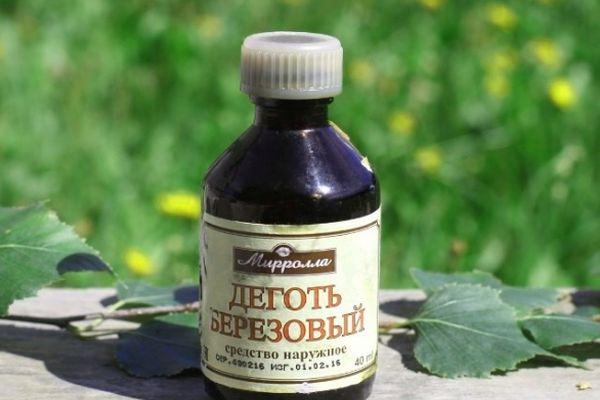
The main components of the mixture are:
- toluene and phenols;
- phytoncides;
- diokybenzene and scrap;
- xylene and guaiacol;
- acids.
Properties of birch bark tar
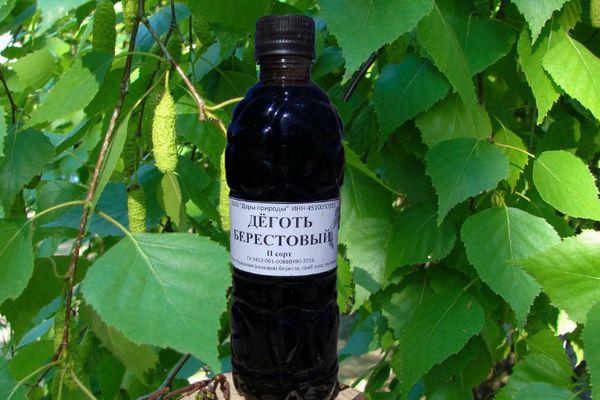
This product has become popular among gardeners due to its insecticidal properties. Treating the soil around seedlings repels insects and prevents their reappearance during subsequent plant growth. Furthermore, birch bark tar has an odor that the Colorado potato beetle dislikes. The use of a birch bark tar solution to combat the Colorado potato beetle and other pests does not pose a danger to humans or animals.
The principle of action on the Colorado potato beetle
Tar treatments are permitted as a preventative measure or after pests are detected in the garden beds. When applied to the beds, the product emits a pungent odor that kills insects. By penetrating the soil, birch tar protects plants during subsequent stages of growth and prevents pests from damaging the root system.
How tar is obtained
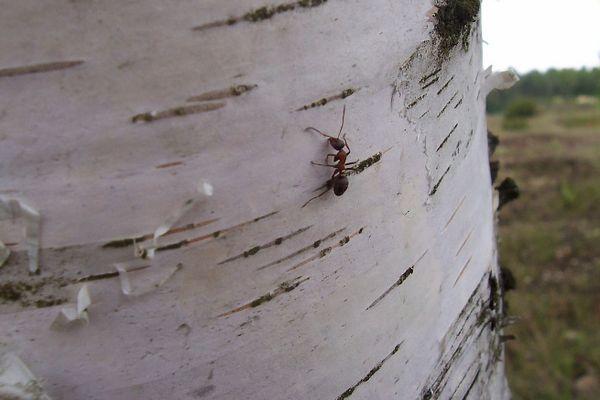
Tar is extracted from the surface layer of birch bark. High-quality tar is obtained from trees that emit sap. It is recommended to extract the mixture in the first half of summer, when the resin peels off easily from the wood.
Extracting the substance, unless you have sufficient experience, can be time-consuming. If necessary, you can purchase the mixture at specialized gardening stores or pharmacies.
How to prepare the product
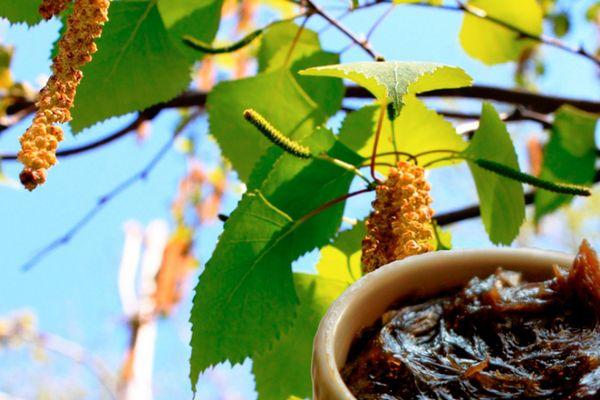
The method for preparing a mixture to repel the Colorado potato beetle involves distilling the dry form. During the distillation process, the birch bark is heated to over 500 degrees Celsius with minimal air flow. Heating the bark requires a specialized oven capable of producing high temperatures.
Take a look Also

Carrying out processing
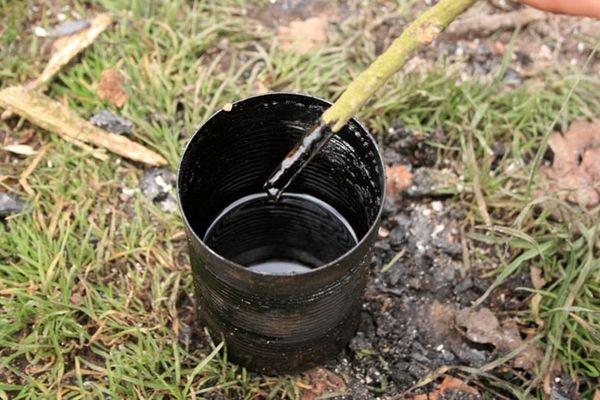
A standard sprayer isn't suitable for treating crops against Colorado potato beetles, as the small holes in the sprayer easily become clogged. To spray the plants, use a folk method: soak a broom in the solution and shake it over the seedlings.
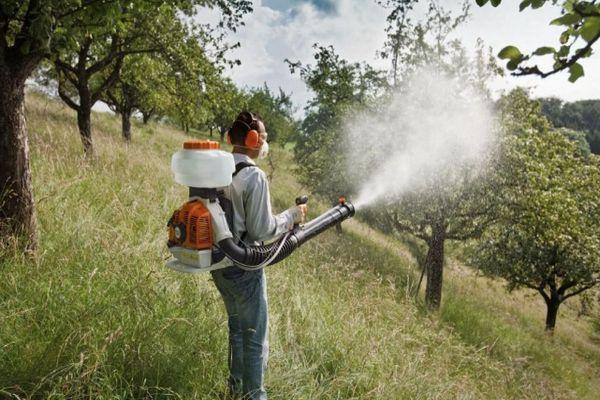
Treatment should not be carried out during rain, as the product will be washed away. For the same reason, crops should not be sprayed immediately before inclement weather. Suitable conditions for applying the tar solution include dry morning and evening weather or cloudy afternoon weather. This will help prevent sunburn.
To prevent the tar emulsion from separating, the product should be constantly stirred while treating the beds.
Spray plants from above, on the foliage, and from the underside, as Colorado potato beetle larvae nest on the undersides of green leaves. If large pests are found in the beds, first remove them by hand and then water the plants with the solution.
Before landing
A high-quality and abundant harvest can be achieved by cultivating the soil before planting. Before planting, water the dug furrows with the solution. It is also recommended to soak the seeds or onion sets in birch bark tar. To do this, mix one tablespoon of the solution in a bucket of clean water.
After landing
It is recommended to begin treatment after planting when the first shoots emerge. The recommended frequency of treatment is every 3 days. Birch bark tar should be used to spray the crops until harvest.
If pests are not present in the beds, then, as a preventative measure, treatments can be carried out 3-4 times during the season. During frequent rainfall, spraying should be done more frequently.
Use in the garden
Birch bark tar solution is most often used as a fertilizer for garden plants. Its insecticidal properties help effectively eliminate pests and maintain expected harvest volumes.
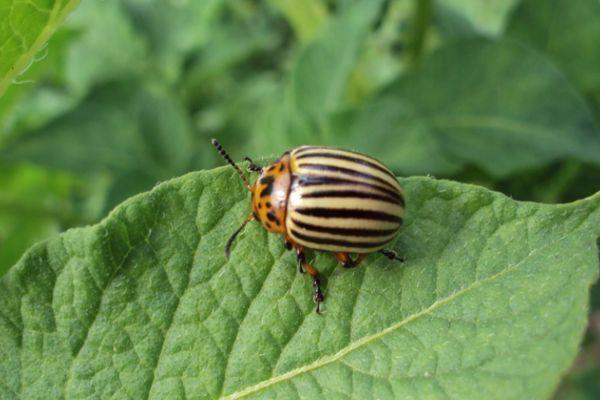
Potato
Tar effectively repels Colorado potato beetles in potato plantations. A dilute solution or a birch soap solution can be used to control the pest. Not only growing seedlings but also tubers ready for planting can be treated.
Potatoes are also susceptible to wireworms. To prevent these pests, treat the tubers with a birch tar and water solution before planting. It is recommended to soak the tubers in the solution for an hour. If the potatoes are being planted by seed, the soil should be watered with the insecticidal solution beforehand.

Tomatoes
The Colorado potato beetle attacks the leaves and stems of growing tomato plants. To spray the plants, prepare an emulsion by mixing 10 milligrams of tar with 50 grams of laundry soap and 5 liters of clean water. After thoroughly mixing all ingredients, water the plants 2-3 times a week.
Sorrel
As with tomatoes, sorrel requires a solution of tar, soap, and water. Colorado potato beetles actively chew through sorrel leaves immediately after the first shoots emerge, so immediate spraying is necessary upon detection.
Use in the garden
The properties of birch bark tar allow it to be used not only for treating garden plants but also for pest control in the garden. Different garden trees should be sprayed with the product, taking into account their growth characteristics.
Apple
Applying an insecticide protects apple trees from harmful insect attacks. These pests live under the tree bark during the winter and become active in spring, after the snow melts. The Colorado potato beetle and other pests chew through the leaves and fruit of apple trees, which can reduce the yield by half.
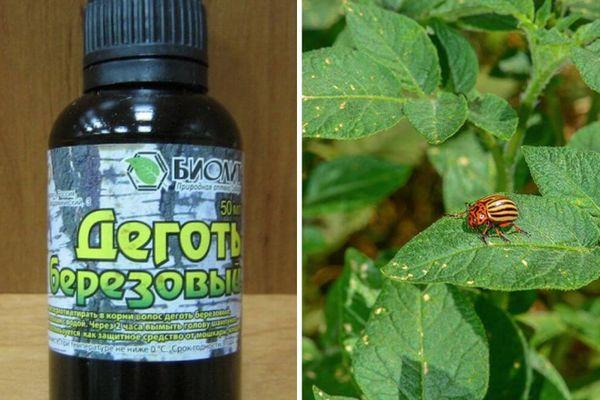
You can begin treating apple trees before frost sets in to protect them from pests. To do this, treat the tree trunks and the soil around the roots with birch bark tar mixed with a soapy solution.
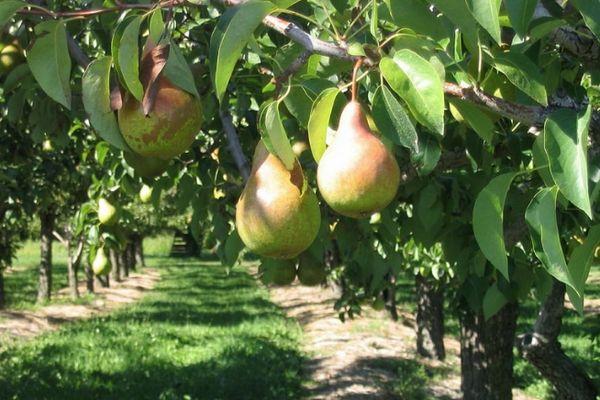
Pear
Pear trees are attacked not only by the Colorado potato beetle but also by the hawthorn beetle. To protect the harvest, use the same method as apple trees. If the pear tree is also affected by scab, the bark should be treated immediately when the tree begins to bloom. Spraying the pear tree weekly is recommended until the pests are completely eliminated. Birch bark tar can also be used to prevent insect infestations.
Plum
Juicy plums attract many pests. The crop is susceptible to attack by hawthorn moths, codling moths, and beetles. Plum treatment is no different from caring for other garden plants. If insects are detected, simply treat the leaves and bark of the trees. Repeat the process until the pests are completely eliminated.
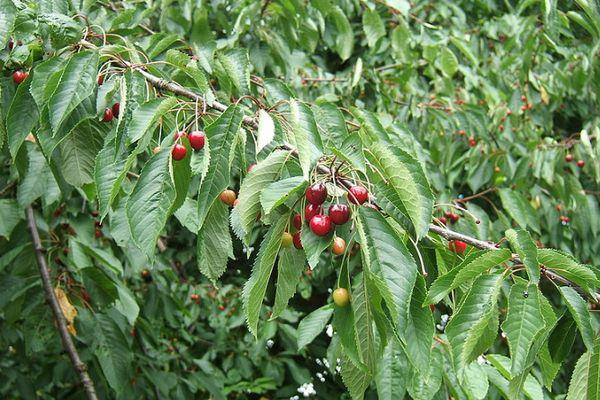
Cherry
Cherry trees suffer from infestation by Colorado potato beetles and weevils, which are small gray insects. These insects gnaw at leaves, inflorescences, buds, and ripening berries.
Take a look Also
Cherry trees should be treated with birch tar after the first leaves have emerged. A second application is required after flowering and the first fruit sets.
Raspberry
Raspberry bushes are attacked by spider mites, small beetles, and the raspberry weevil. During the winter, these pests hide under the remaining leaves of the plants. To control these pests, spray the bushes before the budding stage begins.
Control of other pests
Garden and vegetable plants can be damaged not only by insects but also by larger creatures, including rodents and hares. As a protective method against rodents, sawdust soaked in a tar solution is used. The sawdust is used as a mulch in the soil, mixed with compost. This treatment should be carried out before autumn.
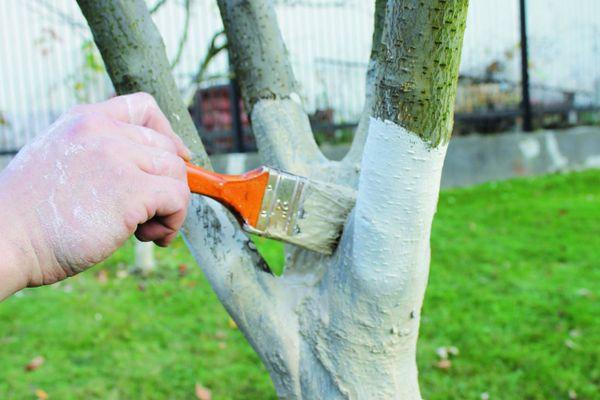
To protect trees from hares, whitewash the trunks. To do this, mix 1 kilogram of whitewash, 10 kilograms of mullein, 50 grams of birch bark tar, and enough water to create a liquid consistency.
Birch bark tar is also effective against wireworms. These pests attack most garden crops. To prevent them, simply dip the seeds in an insecticide.
To prepare a solution for treating tubers, add 1 tablespoon of tar to 10 liters of water and let the mixture steep for an hour. When planting (before adding directly to the soil), you can treat the seeds with the solution.
In addition to the pests listed above, tar's properties help eliminate the negative effects of onion flies, cabbage moths, spider mites, and other insects. The plants themselves are not affected by the product's pungent odor, and yields remain high.
Related posts:
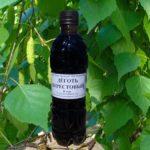 Instructions for using birch tar in the garden to control pests
 The best eggplant varieties for growing in a polycarbonate greenhouse: planting and care
 How to control carrot flies with medications and folk remedies
 Methods for planting and propagating cherries at home
 How to properly plant peas in a greenhouse and open ground
 How to propagate and grow peas, cultivation technology, and care in open ground
 How to control onion flies using natural and chemical methods
 The best grape varieties for growing in the Urals, planting and care rules in summer