
A bountiful potato harvest is always a joy, but not everyone has a cellar or even a garage. How do you properly store potatoes in your apartment to preserve their nutritional value and flavor? After all, they require special conditions, which can be challenging to achieve. But then, until the next harvest, you can prepare hearty and healthy dishes from your own harvest.
How to prepare potatoes for storage
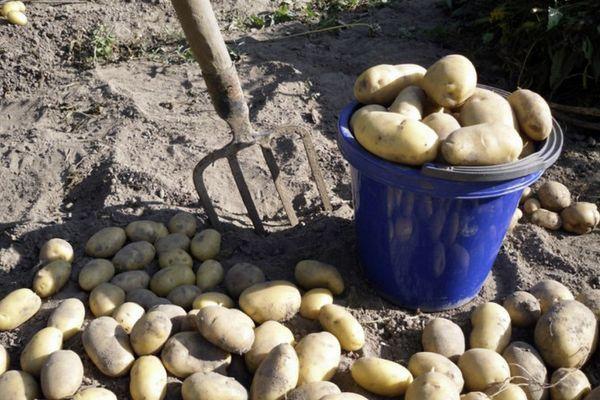
Successful storage of harvested potatoes at home depends largely on proper preparation. To ensure this, immediately after digging, the tubers are exposed to warm sunlight for several hours. UV light kills pathogenic bacteria and fungal pathogens. Next, shake off any remaining soil and sort the potatoes by size. Small potatoes are used as pet food, large ones are for human consumption, and medium ones are used for seed.
If signs of a dangerous disease are detected on tubers, they should be immediately set aside. The harvest should be inspected especially carefully for late blight, canker, or fungi. Healthy and storage-ready vegetables should be dried in the shade.
It is important to remember that early varieties are not suitable for long-term storage and should be eaten first or left entirely to seed.
Gardeners' opinions differ on whether to wash potatoes before storing them. However, one rule should be followed: whether the tubers have been washed or not, they must be completely dry before storing. Otherwise, the harvest will quickly rot.
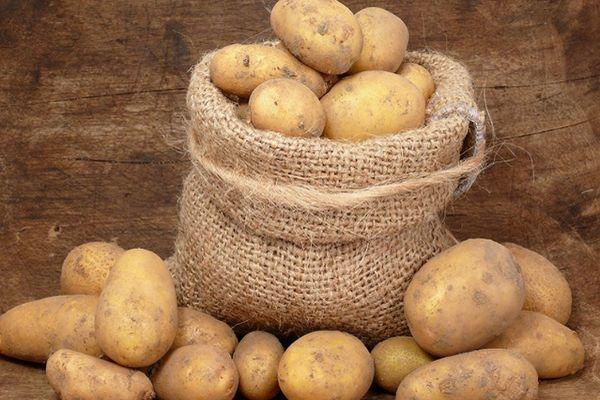
5 Surefire Ways to Preserve Your Potato Harvest in Your Apartment
Successful potato storage at home depends on proper pre-harvest preparation, the right harvesting timing, and the conditions they will be exposed to throughout the fall and winter. There are several effective methods for preserving potatoes with minimal loss and in peak condition.
Storing potatoes in a cellar
Storing potato crops in a cellar is ideal, especially if optimal conditions are created. The ventilation in the cellar should be checked and ensure it is functioning properly. Treating the walls with a solution of slaked lime, copper sulfate, and table salt is a good idea. Wooden pallets should be treated with a solution of potassium permanganate and thoroughly dried.
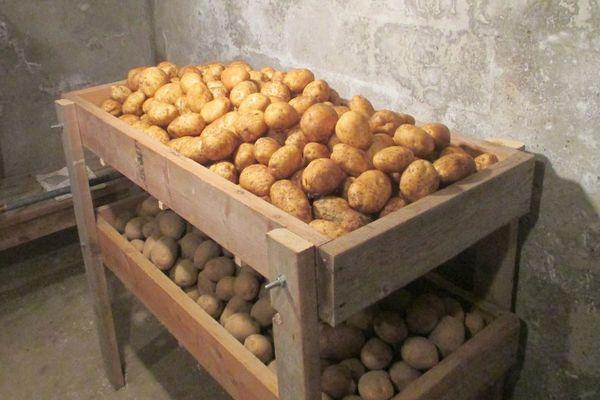
It's a good idea to place a box of beets between the potato bins. This root vegetable is known to draw out excess moisture. The temperature in the potato cellar should be maintained at 5°C, and the humidity should be around 91%. These conditions ensure the best preservation of the tubers.
If you don't have storage bins indoors, and building one is problematic, you can build potato boxes yourself. Leave small gaps between the boards to allow air circulation.
In the hallway or entrance
Potatoes stored this way don't take up space in your apartment, and they can be quickly collected if needed. It's a good idea to make a potato box in advance. A hallway or entryway is always warmer than outside, but cooler than a living space.
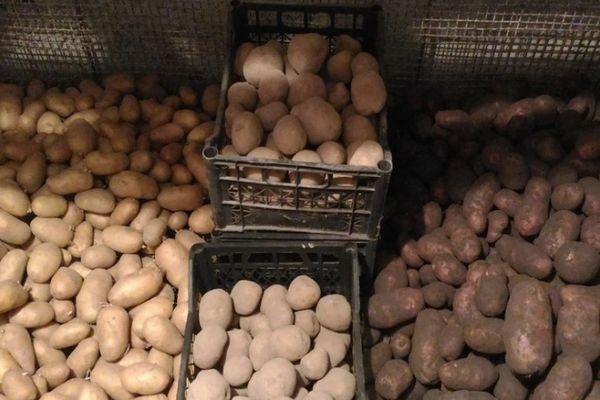
However, this storage method also has its disadvantages:
- sudden temperature changes do not have the best effect on the safety of the harvest;
- tubers can be stored for a short period of time;
- possibility of crop theft;
- discontent of neighbors.
This method is preferable if you only need to store potatoes until spring and you don’t have your own cellar.
In a box on the balcony
You can make a DIY potato storage box for your balcony from wooden planks nailed together. You'll need to make two boxes at once, each nesting like a nesting doll. Leave a 5 cm gap between the walls. Fill this gap with insulation (foam or sawdust). You'll also need to make a double insulated lid for this device. You can only store potatoes in such a box in a glazed loggia. The harvest is preserved even in cold winters.
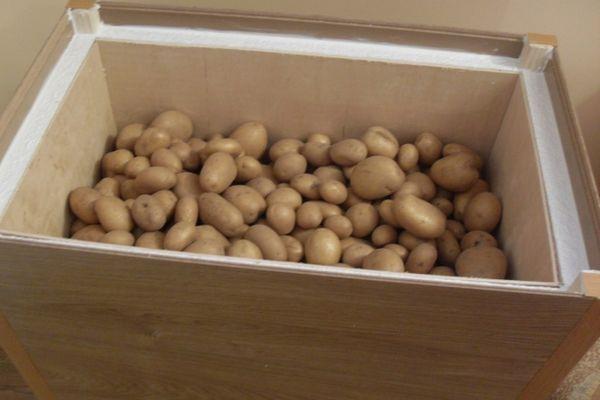
You can buy a ready-made cellar for household use, designed specifically for storing harvested potatoes, at the store. This product is made of modern thermal insulation materials and is electrically heated. The minimum temperature that potatoes can withstand in this container depends entirely on the manufacturer. Some models can store tubers even at -40°C. Their capacity ranges from 100 to 300 liters.
A small supply in the refrigerator
Storing potatoes in the refrigerator is impractical due to limited space, but some homeowners do use it if necessary. Typically, only a few kilograms fit in the refrigerator. The optimal storage temperature is 3-5°C. However, the following issues can cause inconvenience:
- It is unclear what kind of container is best for storing tubers, because in a plastic bag they sweat and quickly rot, and dirt spills out through the mesh;
- it is not possible to store large volumes of potatoes;
- During long-term storage, the taste quality significantly deteriorates due to the conversion of starch into sugar.
Storing potatoes in an apartment
Potatoes intended for immediate consumption are stored in homes. Even in well-ventilated living spaces, the air temperature rarely drops below 20°C. This is not ideal for preserving the tubers. It's best to use kitchen furniture, furniture, or a pantry for storage.
Built-in cabinets are also suitable. If an apartment is being renovated or remodeled, the entryway interior design should be designed to provide storage for freshly harvested food.
Which potato varieties store best?
Preserving potatoes in tubers isn't all that difficult. It's important to remember that early varieties tend to spoil quickly, so mid-season or late varieties are preferable. Breeders have developed potato varieties whose descriptions and characteristics promise excellent shelf life without sacrificing flavor.
These include:
- Asterix;
- Atlas;
- Treasure.
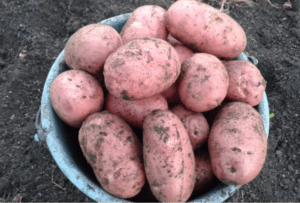
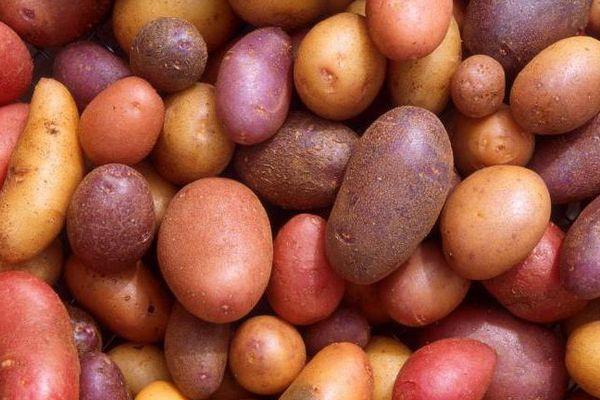
All three varieties are table grapes. Asterix has a red skin, while Skarb and Atlant have yellow skin. All of them have excellent shelf life and high yields. Other worthy options worth considering are:
- Picasso;
- Crane;
- Blue;
- Lorch;
- Vesnyanka.
Storing potatoes of the same variety can be successful both on the balcony and indoors. To find the best option, it's worth experimenting not only with storage methods but also with temperatures.
Common mistakes
Storing potatoes without following certain requirements and rules is impossible. All the effort and expense can be wasted if ignored. First and foremost, it's important to select the most suitable variety. Early varieties, even under near-ideal conditions, won't retain their marketability and flavor for long. Even in a cool room, their maximum shelf life is until December.
Due to a lack of knowledge and inexperience, the following mistakes are most often made when storing potato tubers:
- the selected material showed signs of disease or spoilage;
- storing separately from other root crops and vegetables;
- storage under natural conditions;
- storage of unsorted material;
- storing tubers in bags.
Potatoes require the right humidity and temperature, so standard apartment storage conditions are unsuitable. If you smell rot or see flies or gnats, sort the crop immediately and discard any spoiled potatoes. High humidity and temperature in the storage area pose a risk.
Under such conditions, the root crop quickly becomes unusable, sprouts, or begins to rot.
When storing in bins, the thickness of the potato layer should not exceed one meter. Otherwise, the bottom layer will quickly begin to rot and eventually decay due to excess moisture. The bottom should be lined with a water-absorbing material, such as sand or sawdust. Linoleum, floorboards, or slate should never be used for this purpose. Bare cement floors are also unsuitable for storing potatoes.
Related posts:
 Why potatoes aren't growing well in the garden, and what to do to ensure a bountiful harvest
 Description of the best potato varieties of domestic and foreign selection
 How to grow potatoes from seeds at home
 Description and treatment of potato diseases, methods of control using folk and chemical means
 Agricultural technology for growing potatoes in open ground and greenhouses and care
 Description and characteristics of the Lorkh potato variety, planting and care
 How to combat late blight on potatoes: description and treatment methods
 The period of potato ripening from planting to harvesting, what is vegetation?