
- How dangerous is late blight for potatoes?
- Causes of the disease
- Signs of potato disease
- Methods of treating late blight
- Biopreparations
- Fitosporin-M
- Maxim
- Prestigitator
- Chemical fungicides
- Oxychom
- Arcerid
- Ridomil Gold MC
- Hom
- Folk remedies and recipes
- Garlic infusion
- Copper sulfate solution 0.2%
- Boric acid, copper sulfate and potassium permanganate
- Copper sulfate
- Homemade Bordeaux mixture
- Copper oxychloride
- Soda
- Wood ash
- Serum
- Fat-free milk or sour kefir
- Raw yeast
- Trichopolum (Metronidazole)
- Field horsetail
- Preventive measures
- Disease-resistant varieties
Potato blight is a serious threat; knowing how to combat this fungal infection can protect potato crops from pathogens. Proper care and timely application of soil nutrients are essential for any crop. Weakened plants can become infected in damp, cool weather. Fungicides are used to prevent infection.
How dangerous is late blight for potatoes?
Late blight is a fungal infection that affects the green parts of potatoes (leaves, stems, flower stalks), as well as the tubers. Late blight progresses rapidly, infecting the entire potato bed like an epidemic, resulting in a third-decrease in yield. The disease is caused by fungi that parasitize potatoes.
The activity of mycelial organisms causes numerous brown spots and hard (dry) rot to appear on tubers. Leaves affected by the fungus dry up and wilt. Infected tubers should not be eaten, stored for long periods, or used as planting material. Late blight is commonly known as late blight. Knowing the description and signs of the disease allows you to quickly take action to combat this dangerous infection.
Causes of the disease
Fungal spores can remain in the soil for a long time, and they become active in warm, rainy weather. The infection affects weakened plants that lack the nutrients needed for normal development. Spore-infected weeds left in the field after harvest can also be a source of the disease. Sometimes, the infection is introduced into potato beds along with diseased, brown-spotted, and rotted planting material. The incubation period for late blight is only 3-9 days. Within a short time, the infection spreads throughout the potato crop.
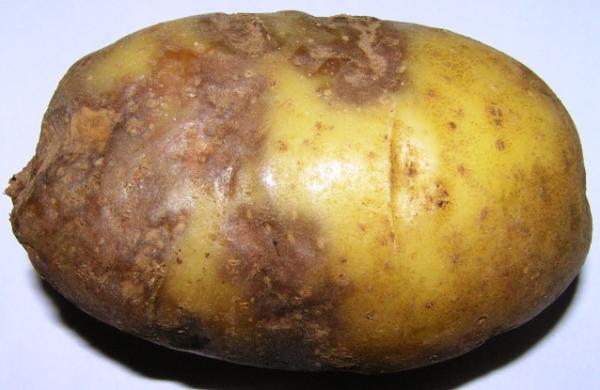
Signs of potato disease
What does late blight look like? Brownish, fuzzy spots appear on leaves and stems, and after a while, they become covered with a light-gray, fluffy, mold-like coating—these are fungal spores. The infection becomes active in the second half of summer, most often during rainy weather.
At first, the fungus isn't easy to spot. It develops on the underside of the lower leaves, then moves to the surface, where white-gray spores appear at the bottom of the leaf. Subsequently, the leaf begins to rot in damp weather, and in dry weather, it dries up and withers. The blight progresses to the apical shoots. During rain, the fungal spores are washed into the soil, spreading the blight to the tubers. In dry and hot weather, the infection is spread by the wind.
The spores take root on the new plant and cause the decomposition of healthy tissue and rotting.
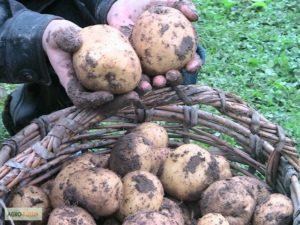
Late blight is very easy to spot on tubers: the entire surface is covered with brown spots that quickly spread outward and inward. The potato rots from the inside and infects nearby healthy tubers.
Methods of treating late blight
Late blight can be treated with fungicides. However, it's best to prevent fungal infection and treat potato beds prophylactically. Late blight can be eradicated using commercial biological fungicides, store-bought chemicals, or homemade folk remedies.
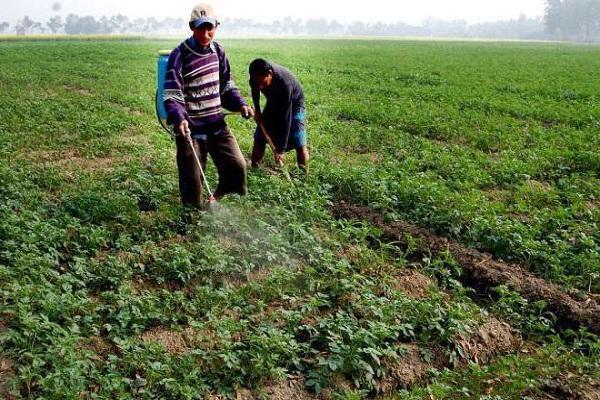
To prevent the development of late blight, it's important to follow the correct timing for potato treatments. Even before planting tubers in the spring, the soil is sprayed with fungicides (Bordeaux mixture, copper sulfate, Fitosporin-M). The planting material itself is also treated with fungicides. On the day of planting, the potatoes are first sprayed with a solution of Prestige or Maxim, and only after 1-2 hours are the dried tubers planted in the holes.
Green tops also need protection from late blight. The first spray with a systemic fungicide should be carried out 2-3 weeks after planting, when the plants reach 26-31 centimeters in height.
Then, after 15 days, repeat the treatment against late blight with any contact fungicide (before the potatoes bloom). During rainy weather, spray the green tops every 7-12 days. In July-August, 18-21 days before harvest, stop treating potato beds with fungicides.
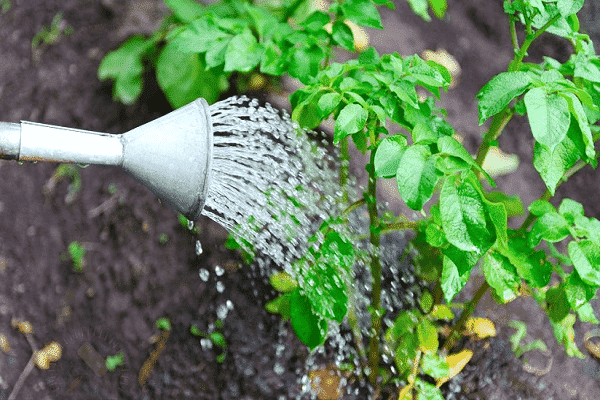
Late blight control methods involve the use of contact fungicides, which should remain on the leaves for a period of time (before rain) and kill the fungi upon contact. Contact fungicides effective against late blight include Bordeaux mixture, Cuprosat, Bravo, Penncozeb, and Novosyr.
It is recommended to combat late blight using systemic fungicides (Quadris, Mefenoxam, Ridomil-Gold).
These products penetrate plants, spread throughout all tissues, and kill the parasitic fungus. Systemic products differ from contact products in that they last longer. Rain does not wash them away, and plants remain protected for 2-3 weeks.
There are also translaminar products (Acrobat MC, Thanos), which do not penetrate beyond the leaf blades. However, fungi can develop resistance to systemic products, so it's best to use the same product no more than twice per season. It's best to alternate fungicides, using different products alternately.
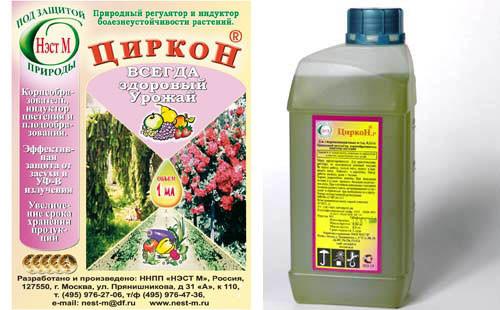
All fungicides are divided into biological and chemical. Biological products are less dangerous; they contain microorganisms that inhibit fungal growth. They do not contain heavy metals, but they have a short period of action.
Chemical agents consist of metal salts and complex chemical compounds. These products quickly kill fungi, but do not exceed the recommended dosage.
Biopreparations
Biological products are used for preventative protection against late blight. Live microorganisms contained in these products integrate into fungal cells and inhibit their growth, protecting plants. Potato beds are sprayed with biological products before and during flowering, as well as during the growth and development period. However, potato crops infected with late blight cannot be saved by biological products.
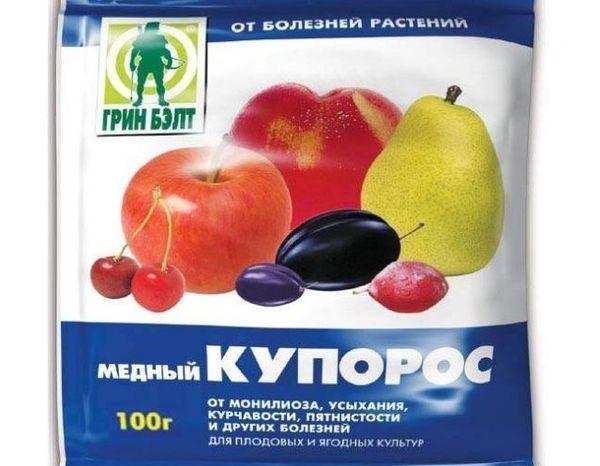
Fitosporin-M
A biological systemic product. It spreads through the potato vascular system and suppresses the growth of pathogenic fungi. It takes effect immediately upon application and remains effective for 2-3 weeks. Available as a paste, powder, or liquid, the product can be applied at any stage of crop development. Apply Fitosporin-M solution to plants in the evening or during dry, cloudy weather. It is not recommended to apply it to potato beds during rainy weather.
Maxim
A contact fungicide with the active ingredient (fludioxonil) of natural origin. It is used to treat tubers before planting or during long-term storage. This product is moderately toxic, but be sure to read the instructions before applying it to potatoes.
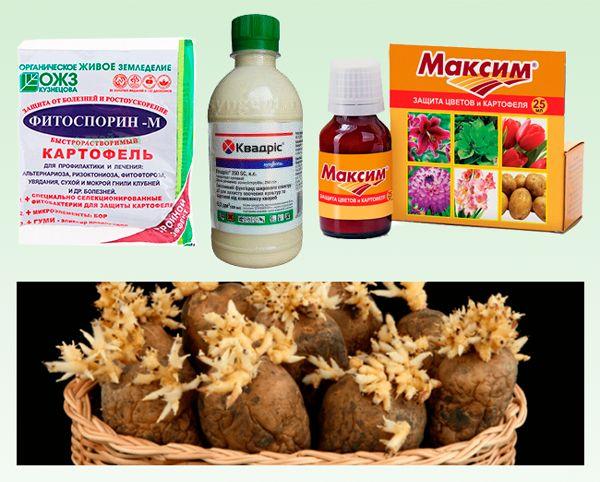
Prestigitator
It is used as a contact insecticide against sucking and chewing insects, as well as a systemic fungicide that inhibits pathogenic fungi. It is recommended to treat tubers with this product before planting. This two-component product allows for a single, comprehensive treatment against fungi and insects, rather than two. The product remains active for 3-4 weeks and is completely eliminated from the plant after 2 months.
Chemical fungicides
Chemical treatments are used for severe late blight infestations of potatoes or areas. Various fungal control products are diluted with water according to the instructions. When using the product, it is important to follow the recommended dosage. Excessive amounts of chemicals can cause unwanted complications in people with allergies or kidney disease.
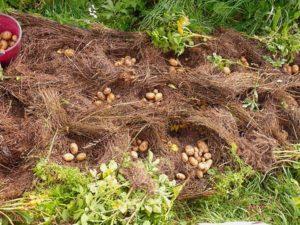
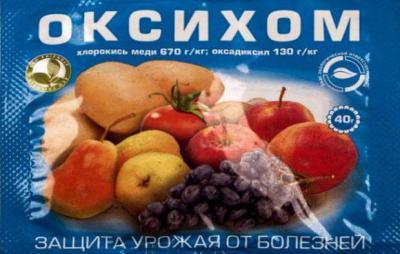
Oxychom
A chemical based on copper oxychloride and oxadixil. This contact and systemic fungicide is used to prevent and treat late blight. Potato beds should be sprayed with this product no more than twice, with a two-week interval.
Arcerid
A fast-acting contact and systemic fungicide. Results are visible within 1-2 hours. Potato beds are treated with this chemical at the first sign of fungal infestation. This product protects plants from late blight for two weeks.
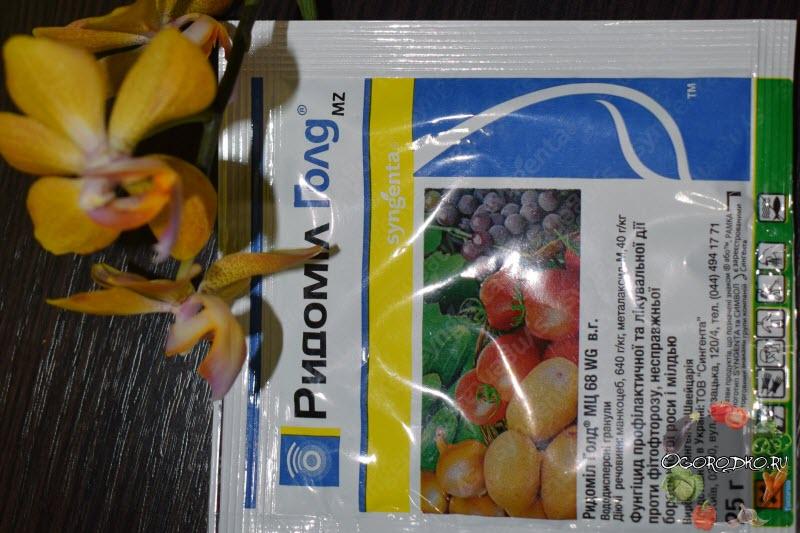
Ridomil Gold MC
A contact and systemic chemical based on mancozeb and metalaxyl-M. It is used for the prevention and treatment of late blight. A maximum of three treatments is recommended, with a two-week interval between treatments.
Hom
A contact fungicide based on copper oxychloride. It is used primarily to prevent fungal infections. It is ineffective in treating fungi. It has a short protective period, does not penetrate the plant, and is washed away by rain. Do not use during flowering.
Folk remedies and recipes
You can protect potato beds from late blight using proven folk remedies. However, you'll need to treat the plants almost weekly, as homemade infusions and decoctions have a short-lived protective effect.
Garlic infusion
Of all the natural remedies for late blight, this is the most powerful. To prepare a working solution, grind 255 grams of garlic in a blender and add 2.55 liters of water. You can add one tablespoon each of mustard powder and ground red pepper. Let the mixture steep for 24 hours. Then filter it and add another 8 liters of water.
Copper sulfate solution 0.2%
Copper sulfate is a contact fungicide that helps eliminate late blight. To prepare a working solution, 20 grams of blue crystals are dissolved in ten liters of liquid. This therapeutic and preventative treatment is used to prevent late blight and as a top dressing when symptoms of copper deficiency appear.
Boric acid, copper sulfate and potassium permanganate
A ten-liter solution of 10 grams of boric acid, 2 grams of potassium permanganate, and 6 grams of copper sulfate is used to spray sprouting tubers just before planting. In cool, rainy weather, this solution can be used to irrigate potato beds to protect against late blight. However, the plants should be sprayed immediately after rain.
Copper sulfate
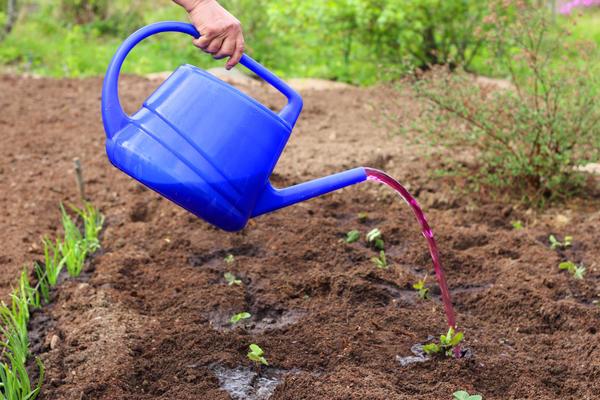
This is copper sulfate, the blue crystals of which dissolve in water and are used as a fungicide. To prepare a working solution, dissolve 100 grams of the substance in ten liters of liquid. The product is used as a spray on plants and as a fertilizer. Repeat treatment can be carried out after two weeks.
Homemade Bordeaux mixture
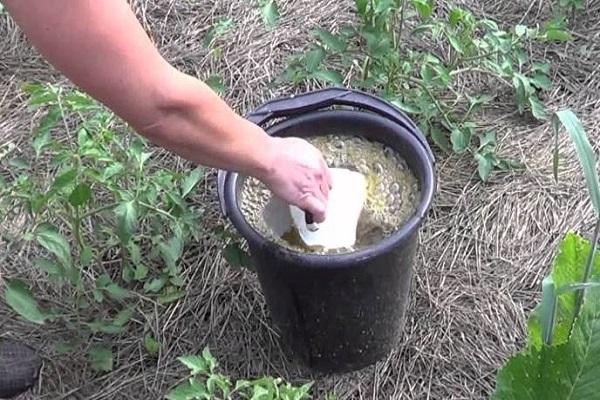
To make Bordeaux mixture, you need copper sulfate and quicklime. To prepare a 1% solution, take 100 grams of copper sulfate, 120 grams of lime, and 10 liters of liquid. First, mix each component separately with one liter of cold water, then add another 4 liters of liquid. Mix the 5-liter solutions together and use immediately.
Copper oxychloride
A fungicide of the same name is used to prevent late blight. A solution is prepared from 40 grams of the product and 10 liters of water. Potato beds are irrigated 3-5 times at intervals of 7-15 days.
Soda
To prepare a working solution against late blight, add 3 tablespoons of baking soda and a little liquid soap to 10 liters of liquid. Potato beds are treated several times, at intervals of 7-14 days.
Wood ash
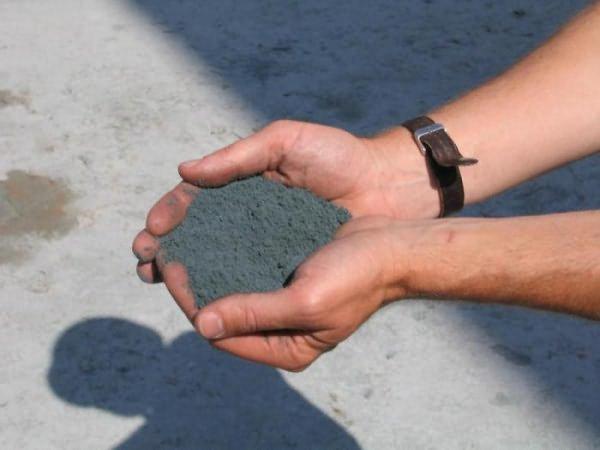
The ash left over from burning grass, leaves, straw, birch firewood, and elm wood is used to combat late blight and as a potassium-phosphorus fertilizer. Two cups of ash are mixed with 10 liters of rainwater. The mixture is left to sit for two days, and a small amount of soap is added just before use.
Serum
Milk whey forms a protective film on potato leaves, preventing the spread of late blight. However, this substance does not combat the fungus itself. One liter of whey is mixed with 9 liters of water, with a little iodine and ash added. The potato plants are sprayed with the solution in the morning. The mixture is quickly washed away by rain, so repeat treatments are carried out weekly.
Fat-free milk or sour kefir
Sour milk or kefir is diluted with rainwater in equal parts. The mixture is left to steep for 3 hours and then filtered. The potato tops are sprayed with the clean solution every 7-10 days.
Raw yeast
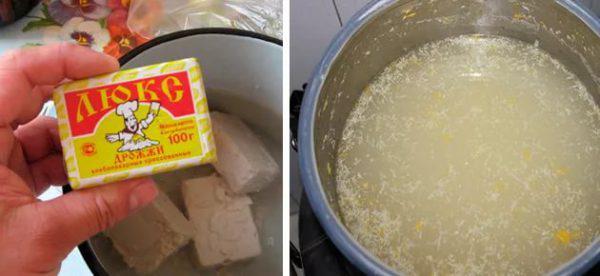
A yeast solution is used to nourish potatoes and boost their immunity. Add 100 grams of pressed yeast to ten liters of warm water. The yeast solution promotes the colonization of beneficial yeast fungi on the leaves, which displace harmful microorganisms.
Trichopolum (Metronidazole)
A medicinal product used to treat fungal infections in humans. Available in pharmacies. Vegetable growers use it against late blight: 20 tablets are crushed and dissolved in 10 liters of liquid. Treatment is repeated every 7-10 days.
Field horsetail
The tincture is used to combat late blight and strengthen the potato's immune system. To prepare the working solution, 2 kilograms of horsetail are poured into 10 liters of liquid and left for 3 days. Repeat spraying is performed after 7-9 days.
Preventive measures
Late blight is easier to prevent than to treat once the plant is infected. Potatoes can be protected by taking preventative measures early. Care for the crop should begin well before planting.
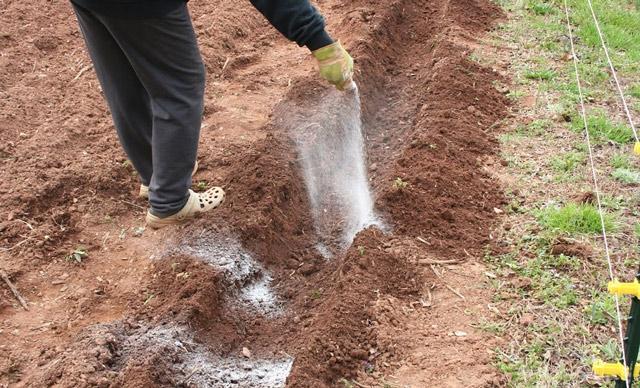
Preventive measures to protect against late blight:
- For planting, use healthy tubers, pre-treated with fungicides (Klubneshchit, Maxim, Prestige).
- In the fall and spring, apply sufficient nitrogen, potassium, and phosphorus fertilizers to the soil. Before planting, water the soil with a fungicide solution.
- At the beginning of summer, spray green potato leaves with a fungicide. During rainy weather, repeat fungicide treatments every 10-12 days.
- Properly care for the crop planted in the field (remove weeds, avoid dense planting and stagnant water, hill up the plants high, do not add a lot of lime, organic matter and nitrogen, do not water using the sprinkler method in the evening).
- Two weeks before harvesting, mow down the tops and then burn them. Harvest the tubers in dry weather.
Crop rotation will help protect the crop from late blight. It is impossible plant potatoes After nightshade plants. Late blight often affects peppers, tomatoes, and eggplants. Fungal spores can persist in the soil for a long time and infect newly planted plants. Nightshade crops should not be returned to their original beds for at least 3-4 years.
Disease-resistant varieties
To avoid crop losses due to late blight, it is recommended to plant varieties resistant to this fungal disease. The most popular varieties among vegetable growers include Zarya, Skoroplodny, Nevsky, Udacha, Reserve, Lugovskoy, Nida, and Timo. These early potato varieties ripen in July and August, before late blight becomes active.
Fungal infection most often affects blue-eyed sineglazka and cast-iron sineglazka. To prevent late blight, plant only healthy tubers pre-treated with a fungicide (Maxim).
Related posts:
 Causes and treatment of eggplant pests and diseases, how to combat them at home
 How to combat late blight on tomatoes: description and treatment of the disease
 Description of the best pepper varieties for greenhouses and open ground in 2025
 Which tomato varieties are best for open ground?
 The best grape varieties for growing in the Urals, planting and care rules in summer
 Descriptions of the 20 best cherry varieties for the Moscow region, their planting and care
 Description of blight-resistant tomato varieties for open ground and greenhouses
 What varieties of tomatoes are best to plant in a polycarbonate greenhouse?