
- The history of the Zekura potato breeding
- Description and characteristics of the culture
- Bush
- Yield and taste of tubers
- Scope of application of fruits
- Pros and cons: is it worth planting in your garden?
- Necessary conditions for growth and fruiting
- Planting a plant on a plot
- Deadlines
- Calculating planting density
- Step-by-step landing technology
- How to properly care for the variety
- Irrigation and watering
- Fertilization
- Loosening and hilling the beds
- Protection and prevention from insects and diseases
- Harvesting and storage
- Reviews of gardeners about the variety:
High yields have always been considered a hallmark of forage vegetable crops. Typically, when developing such varieties, only the yield is considered, not their taste. Crossbreeding efforts are being conducted worldwide. Consequently, vegetable varieties and cultivars are emerging that combine high yields and excellent taste. The Zekura potato possesses these characteristics, and you can find a description, photos, and reviews of this vegetable variety in our article.
The history of the Zekura potato breeding
German breeders have worked hard to create a revolutionary potato variety that combines the best characteristics of both forage and table potatoes. The scientists' primary goal was to create a new potato variety that can be grown in a variety of climates, is tolerant of soil conditions, and boasts high yields and excellent flavor.
At the end of the last century, the Zekura potato variety was added to the state register and immediately gained popularity among gardeners and farmers.
Description and characteristics of the culture
The Zekura potato was created by crossing several varieties of vegetable crops, therefore it has unique properties and characteristics.
Bush
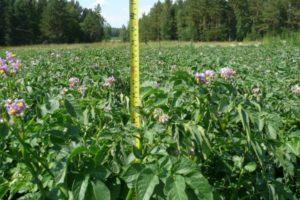
The bushes are low-growing, with few branches, rarely growing taller than 35 cm, making them ideal for growing in small spaces. Green leaves densely cover the bushes, and during flowering, inflorescences with small purple flowers form.
Yield and taste of tubers
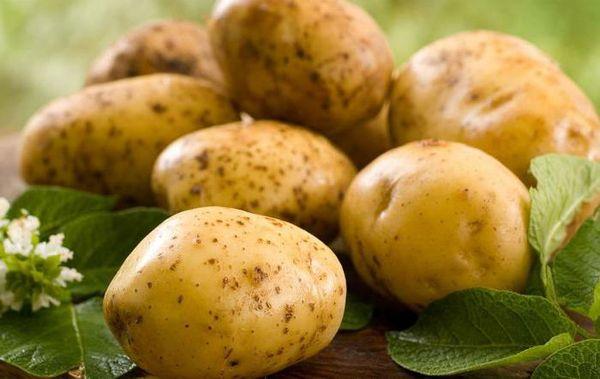
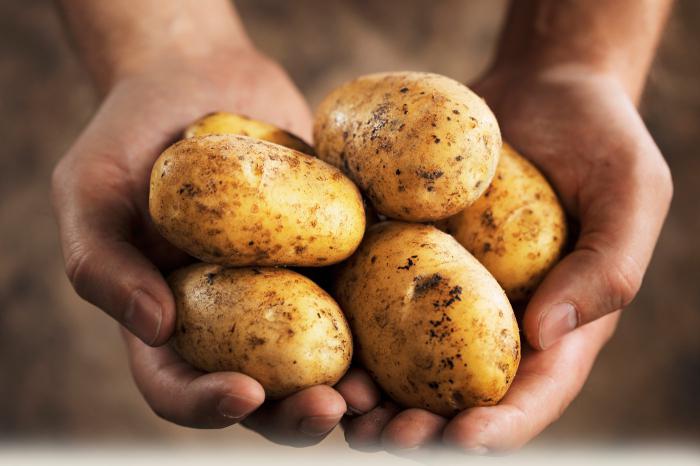
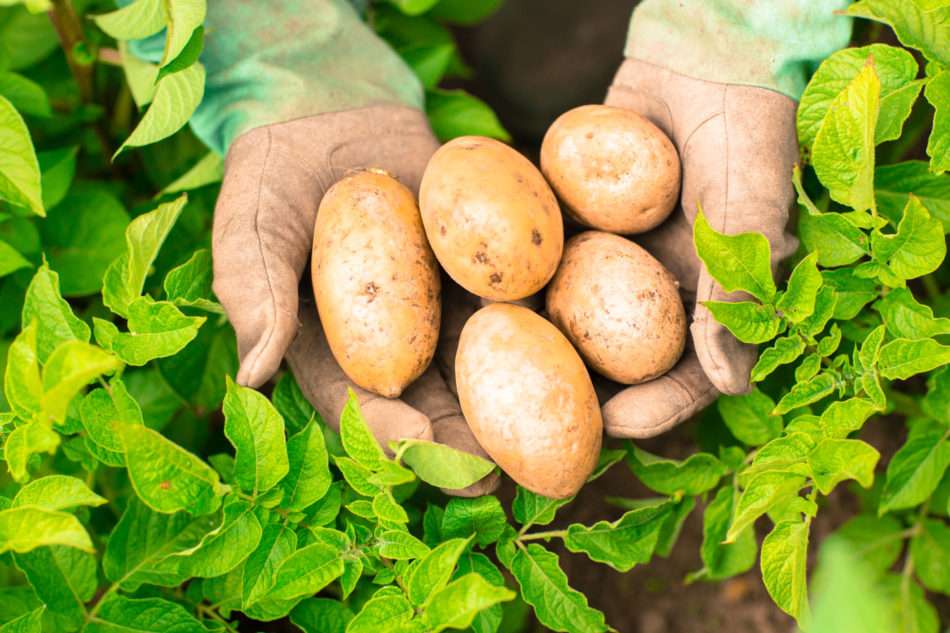
The roots ripen within 3-3.5 months. Ripe tubers weigh 100 to 150 grams with yellow flesh and light brown or yellowish skin. The starch content in the roots ranges from 13 to 18%, depending on the size of the vegetables.
With proper care, each potato plant yields 12 to 18 tubers. Because this variety is so productive, it is also grown commercially. Up to 50 tons of root vegetables can be harvested from one hectare of land.
Scope of application of fruits
In the food industry, this variety is used to make convenience foods, frozen foods, chips, and dry concentrates. In cooking, Zekura potatoes are widely used in soups, salads, and other dishes. The roots do not overcook when boiled, but are excellent for both mashed potatoes and frying.
Take a look Also
Pros and cons: is it worth planting in your garden?
Zekura potatoes have been grown for over 20 years. This time is sufficient to identify all the variety's strengths and weaknesses.
Advantages of the variety:
- The culture is undemanding in care and to changes in climatic conditions.
- Natural immunity to viral and fungal diseases.
- Good taste.
- The variety is characterized by high productivity.
- Long shelf life of root crops.
- Drought resistance.
Potato varieties bred through selection always have more advantages than disadvantages, but they still exist.
- The Zekura potato is sensitive to watering. A lack of moisture causes the tubers to stop growing and developing, which affects the crop's yield.
- Improper plant care leads to root crops developing too quickly and affects the taste of the potatoes.
 Important! The Zekura potato variety is not susceptible to rot damage in over-watered soils.
Necessary conditions for growth and fruiting
To ensure proper growth and development of vegetable crops, level, sunny plots of land are selected. The previous crops that grew in these soils play an important role.
Potatoes are planted in open ground after onions, garlic, herbs, cucumbers, and legumes. Suitable soil is also left behind after beets and peppers.
After tomatoes and sunflowers, there's a risk of fungal and viral diseases developing in the soil. These crops are unacceptable precursors for potatoes.
Planting a plant on a plot
Before planting, preparatory work is carried out to germinate the tubers. Planting material is carefully selected from the previous harvest or purchased from stores. The tubers are inspected for damage, rot, and mold. The selected roots are cleaned of dirt and placed in a warm, well-lit place for 3-4 weeks.
As soon as the potato sprouts reach 1-3 cm, the tubers are ready for planting in open ground.
Although the variety has natural protection against diseases and pests, as a preventative measure before planting, the tubers are doused with a weak solution of potassium permanganate or treated with special antibacterial agents.
Deadlines
The timing of vegetable planting depends on the climate of the region. The soil should warm to 8-10 degrees Celsius. In southern latitudes, planting begins in mid-spring; in northern regions, it begins with consistently warm temperatures; and in the central region, the crop is planted in early May.
 Important! The timing of planting work is calculated taking into accountm of germination of root crops and weather conditions of the regions where plants are planted.
Calculating planting density
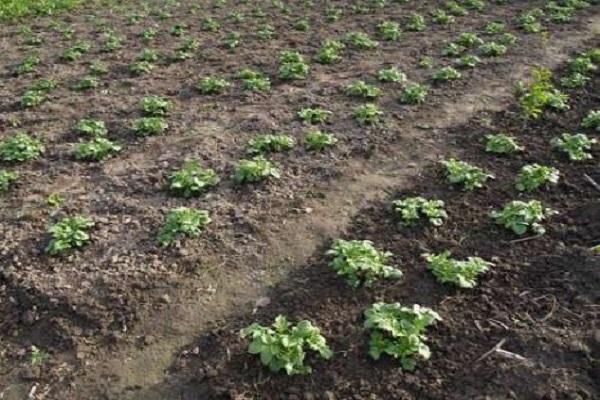
The variety's bushes are small, so the distance between holes is 30 to 40 cm. If the tubers are placed in a common harrow, the same distance between the root crops must be maintained.
For proper potato growth, the distance between beds is maintained within 60-80 cm.
Step-by-step landing technology
The soil for planting potatoes is prepared in the fall. The plot is dug over and thoroughly loosened. Humus is added to improve soil fertility. Ash or lime is added to acidic soils. In the spring, the beds are dug over again and fertilized with organic matter.
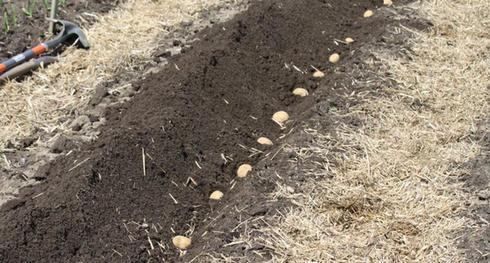
Sprouted planting material is placed in pre-dug holes or a harrow. Large sprouted tubers are planted 7-9 cm below the soil surface, while small and medium-sized root crops are planted 5-6 cm below the soil surface. After planting, the beds are thoroughly watered.
Important! If the planting material is not sprouted in advance, the root crops will take 2-3 weeks longer to ripen.
How to properly care for the variety
The Zekura potato variety is easy to care for, but some agricultural practices will help ensure a good harvest. Before the first shoots emerge, the beds should be cleared of weeds and lightly tilled.
Irrigation and watering
This variety easily tolerates dry conditions and drought, and doesn't require regular watering. However, during the growing and flowering periods, additional soil moisture is essential.
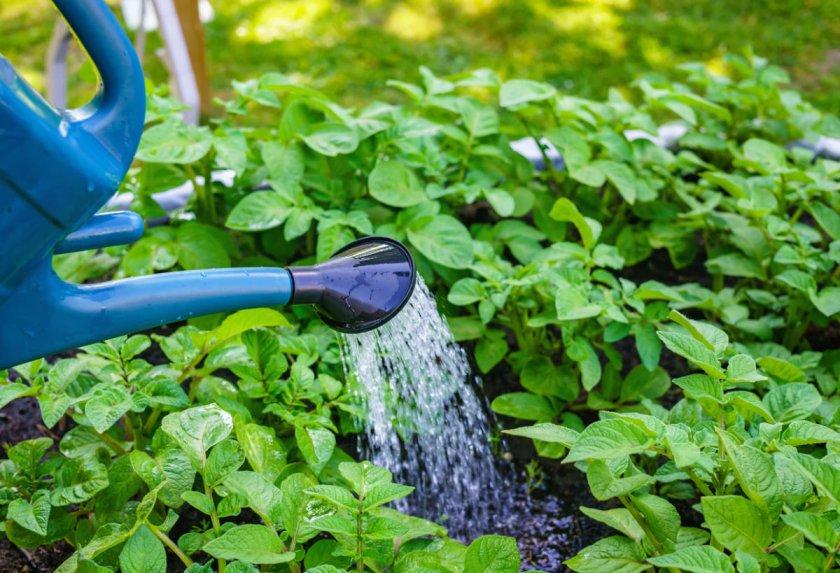
Once the young plants reach 10-15 cm in size and buds begin to form, watering becomes more frequent. Water the potatoes carefully, taking care to avoid excess moisture on the green plants.
Fertilization
Fertilizers applied to the soil in the fall and spring are usually sufficient for plant growth and root ripening. However, in particularly infertile soils, potatoes require additional feeding throughout the season.
- Before the first hilling, the vegetable crop is fed with organic fertilizers.
- During the period of inflorescence formation, potatoes require potassium fertilizers.
- During flowering, organic matter or fertilizers containing phosphates are added to the soil.
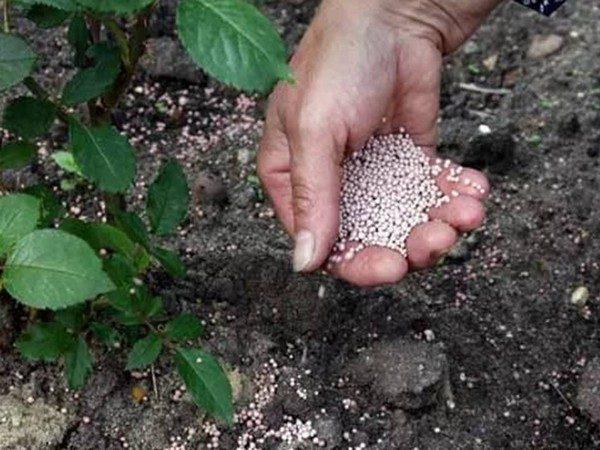
Important! Overuse of nitrogen fertilizers promotes plant development and growth, but inhibits root formation.
Loosening and hilling the beds
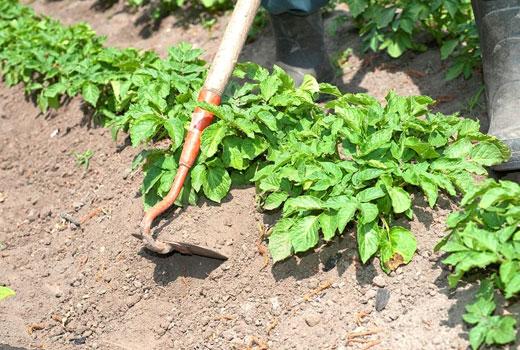
To ensure proper root development, potatoes require hilling and soil loosening. Hilling should be done at least three times during the growing season. This promotes the formation and development of tubers and protects the plant's root system from drying out.
Loosening the soil helps enrich it with oxygen and retain moisture necessary for root crop growth. This also completely removes weeds and other pests that interfere with potato growth.
Protection and prevention from insects and diseases
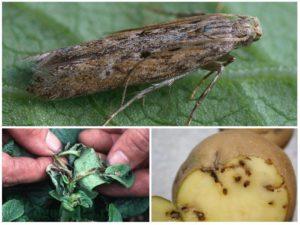
The primary defense against diseases is proper planting and care of vegetable crops. Pest control can be achieved with professional pesticides or traditional infusions and sprays.
Harvesting and storage
Potato harvesting begins depending on the weather and climate conditions in the growing region. In the south, the vegetables ripen as early as August, while in northern latitudes, harvesting begins in late September. To avoid mechanical damage to the ripened roots, the vegetables are harvested with a pitchfork. The dug potatoes are cleaned of excess soil and air-dried for 3-4 hours.

Then they are sorted, removing damaged tubers and selecting planting material for next year. The roots are placed in boxes, bags, or nets and stored for long periods in a cool, dark room. Under proper conditions, Zekura potatoes will keep for 4-6 months.
Reviews of gardeners about the variety:
Mikhail Petrovich, 61 years old. Belgorod.
Some farmers I know recommended planting Zekura potatoes at our dacha. This variety is very easy and low-maintenance, and we harvest 7-8 kg of potatoes from a single plant.
Ksenia Pavlovna 59 years old. Cherkassy.
We've always grown potatoes, but we've always had different varieties until we bought Zekura. We've been growing only this potato for six years now, and we have no plans to change. These delicious, soft potatoes have become a favorite in our family.
Sergey Ivanovich, 49 years old. Novosibirsk.
Three years ago, I planted zekura for the first time. I bought the roots for planting at a specialty store, and now I'm using my own tubers for planting. I get a large harvest, and the potatoes are delicious. I have nowhere to store vegetables, but these potatoes store well in a normal apartment.
Related posts:
 Description of the best potato varieties of domestic and foreign selection
 Description and characteristics of the Rodrigo potato variety, cultivation and care
 Why potatoes aren't growing well in the garden, and what to do to ensure a bountiful harvest
 Description and characteristics of the Krasavchik potato variety, planting and care
 Description of the best potato varieties for 2025, selection for regions
 Description and characteristics of the Gulliver potato variety, planting and care
 Description and treatment of potato diseases, methods of control using folk and chemical means
 Description and characteristics of the Bellarosa potato variety, planting and care