
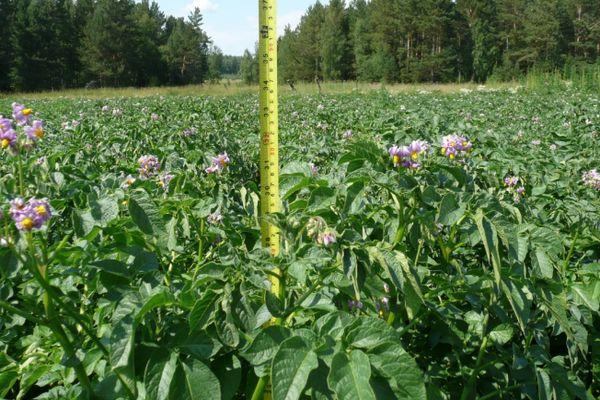
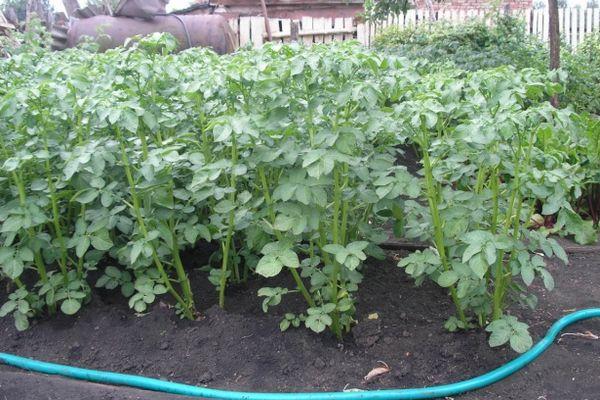
What should you do if your potato tops are too tall? Should you be happy or worried about the future harvest? Large tops aren't always good. It's definitely bad when the vines exceed 1 meter in length. The large amount of green matter takes away most of the plant's nutrients, leaving only a small portion for the tubers.
Reasons for intensive growth of tops
On the one hand, strong potato tops are an indicator of good plant development and health. However, any action is necessary only if the vines begin to stretch significantly, significantly exceeding the variety's specifications. This situation isn't always remediable. If more than a month has passed since flowering, time has already been lost, and work on the mistakes will have to be carried out next season.
Excess nitrogen
Vigorous potato tops can be a result of high nitrogen concentrations in the soil. This situation occurs when a gardener overdoes nitrogen fertilization:
- I added a large dose of organic matter (humus, compost) to the soil before planting;
- additionally used nitrogen-containing mineral fertilizers (urea, ammonium nitrate), adding them during plowing (digging);
- After the emergence of seedlings, I applied additional fertilizers with urea, mullein or grass infusions.
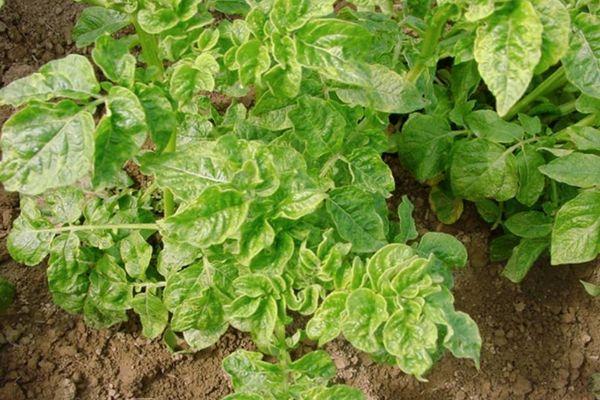
An excess of nutrients in the soil leads to increased growth of the aboveground part of the plant, which negatively impacts root development and tuber formation. A noticeable reduction in yield is observed when stems continue to grow vigorously after flowering.
Buds and flowers appear a month (25-28 days) after planting, and tubers actively develop after flowering. The process of mass accumulation continues until the tops are completely dry.
If there's an excess of nitrogen, the harvest can be saved. To do this, fertilize the potato plants with superphosphate. The phosphorus contained in the fertilizer stimulates the flow of nutrients from the above-ground portion of the plant to the tubers. This helps speed up tuber formation.
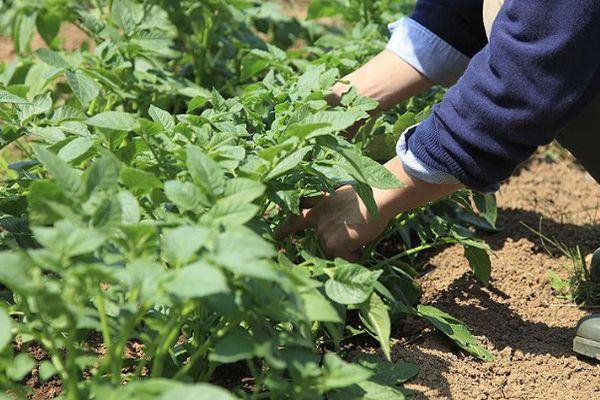
Any type of fertilizer (root or foliar) will help. The solution is prepared according to the same recipe:
- water – 10 liters;
- superphosphate granules – 100 grams.
The granules dissolve poorly in cold water, so they are soaked in a small amount of boiling water for 24 hours. Before treating the potatoes, the resulting suspension is poured into a bucket of water. Stir the working solution several times before use.
Take a look Also
Large tubers
Excessive top growth isn't always caused by too much nitrogen fertilizer in the soil. Planting poor-quality seed, specifically oversized potatoes, can lead to a similar result:
- the potato bush is getting fat;
- the stems are growing;
- the tubers are small.
It's no wonder experienced gardeners spend time selecting seed potatoes in the fall. Their size directly impacts the yield. A potato the size of a large chicken egg contains enough nutrients to optimally develop the above-ground portion of the plant.
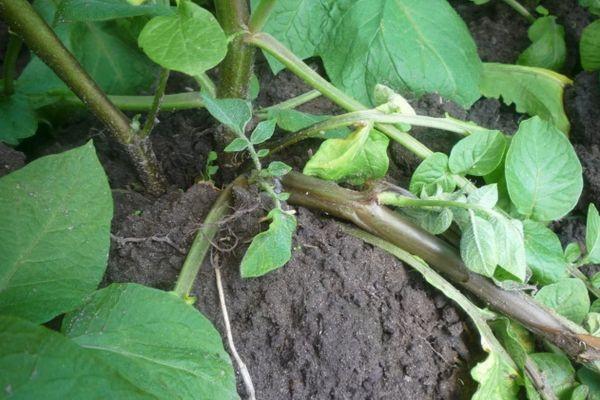
Larger tubers contain more of them, which explains why potato tops are so tall. Until a large seed potato runs out of nutrients, the above-ground portion grows; once those nutrients are exhausted, new tubers begin to form, but there's no time left for them to grow.
Lack of light
When a plant receives insufficient light, it grows tall. Potatoes are no exception: plants of the same variety planted in a well-lit area will be shorter than those growing in the shade. Insufficient light can be caused not only by the shadow of a structure (barn, fence, house), but also by closely planted potato plants.
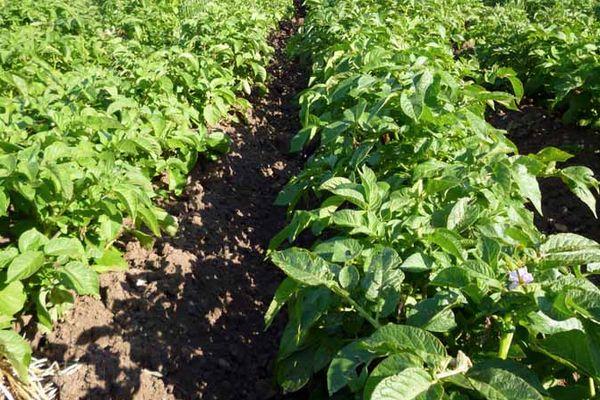
To get a good harvest of root vegetables, you need to follow simple rules when choosing a location and planting pattern:
- near the site where potatoes have been planted, there should be no high fences, sheds, trees, bushes;
- the distance between rows when planting should not be less than 60 centimeters;
- the interval between tubers in a row is at least 30 centimeters.
When planting a new potato variety, it's important to study the description of its characteristics and the manufacturer's recommended planting pattern. Each variety has its own requirements, depending on the size of the plant, its foliage, and the stated yield. Some varieties require a larger feeding area, so when planting, increase the spacing between rows.
Weather conditions
A harvest won't always depend on a gardener's efforts. Weather greatly influences potato growth and the length of the tops. Bushes are always taller in years with warm summer days and nights and frequent rainfall. What should a gardener do to direct the plant's energy toward tuber formation and inhibit active top growth?
Take a look Also

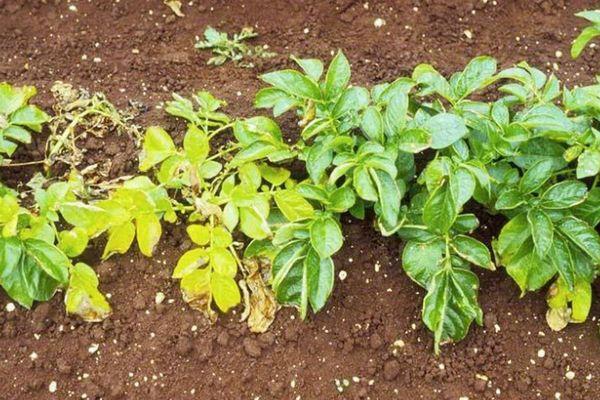
After the mass flowering has ended, gardeners need to tend to the above-ground portion of the plant. It should be lightly pressed down, bending it toward the ground. Avoid breaking the tops. The fallen stems will absorb fewer nutrients, so they will be used to form tubers.
What measures should be taken if the tops are tall?
There is a myth that mowing the tops helps grow large potatoesIn fact, this procedure doesn't affect the size and quantity of tubers, but rather their ripening. More precisely, the formation of a thick skin.
Each variety has its own ripening period; based on this, gardeners can accurately determine when to trim their potato tops. For early and mid-season varieties, the time for mass harvesting of potatoes begins approximately a month after flowering.
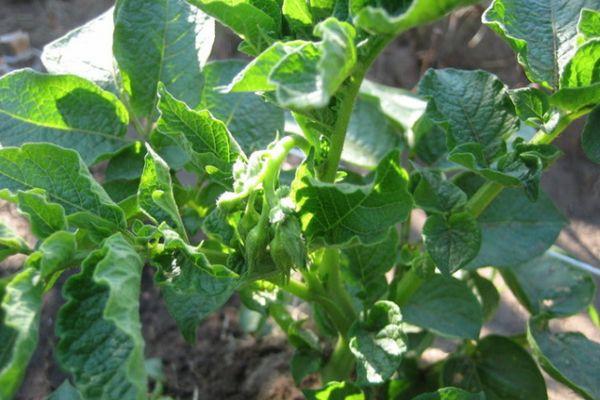
Under favorable weather conditions and fertile soil, there's a good chance the stems will be green by harvest time. This isn't ideal for the tubers, as their skins will be thin and susceptible to damage during digging.
Many gardeners prune potato stems 10-14 days before harvesting. The cut is made not at ground level, but at a height of 20-25 centimeters. Within two weeks, the tubers have time to develop a thick skin, which is not damaged by digging, so these potatoes store better over the winter.
The tops of late- and mid-season potato varieties are also trimmed. Because they are planted late, the tops can remain green almost until frost, so they are also trimmed two weeks before harvest. Sometimes, new tops begin to grow in late summer, triggered by warm, rainy weather.
In this case, it's best to cut off the young tops, as they will draw nutrients from the tubers, negatively affecting their size and flavor. Rainy weather and cold dews often trigger outbreaks of the fungal disease late blight in August. Its symptoms include yellow-brown spots on the leaves and tops.
To prevent fungus from infecting the tubers, infected tops are cut off and destroyed. Healthy, green potato tops after cutting:
- dried and used as mulch for berry crops;
- they prepare infusions from it against garden pests;
- compost.

What to do if the tops are not tall
A potato plant's size, height, and stem thickness aren't always indicators of a good or bad harvest. Sometimes a plant's short stature is due to its varietal characteristics, and this has nothing to do with quality. potato care.
If the variety description suggests taller bushes, it's important to investigate the cause of the problem. In some cases, slow growth is the result of a plant disease (black scab, brown bacterial rot), which requires treatment.
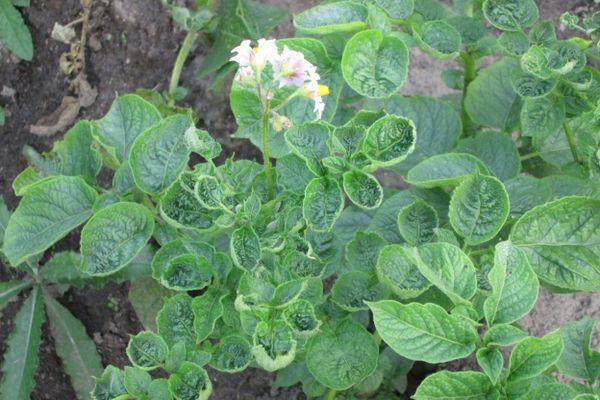
One common cause of slow top growth is nutrient deficiency: depleted soil or phosphorus deficiency. A phosphorus deficiency can be detected by cutting a young tuber with a knife. If a purple border appears around the cut, the plant is definitely deficient in phosphorus.
In this case, the bushes require emergency support in the form of foliar feeding. Prepare a superphosphate suspension (1 liter of hot water, 100 grams of fertilizer), add 9 liters of water the next day, and spray the potatoes with the resulting solution.
Don't worry if you didn't manage to grow large-fruited potatoes this season, as the plants have become overgrown and covered in leafy greens. Correcting your mistakes and choosing a good variety will correct the situation. Next summer, you'll be able to grow tubers of the desired size and flavor.
Related posts:
 Why potatoes aren't growing well in the garden, and what to do to ensure a bountiful harvest
 Reasons why potato tops turn yellow and dry out, what to do about it, treatment methods, and protection
 Description and treatment of potato diseases, methods of control using folk and chemical means
 How and when to carry out potato senication with superphosphate and desiccation after
 Description and treatment of potato pests, control measures
 The period of potato ripening from planting to harvesting, what is vegetation?
 Reasons why potato tops turn black and dry out, what to do, and how to combat it
 Description and characteristics of the Rodrigo potato variety, cultivation and care