
- How many days after planting does it take for potatoes to sprout?
- Why are potatoes not sprouting well?
- Weather conditions
- Incorrect planting conditions
- Low quality of planting material
- Diseases
- Pest infestation
- What to do if potatoes don't sprout
- How to increase germination
- Caring for potatoes after germination
Potatoes are one of the most popular vegetable crops, grown almost everywhere. Planting and caring for them takes not only a lot of time but also labor. To achieve the desired results, it's essential to adhere to basic agricultural practices and use only healthy planting material. However, sometimes potatoes fail to sprout, and not all novice gardeners know why. To avoid such problems, it's important to understand the main ones.
How many days after planting does it take for potatoes to sprout?
When growing potatoes in temperate regions, sprouts should be expected 21 days after planting. In southern regions, sprouting should occur within 14-15 days, and in northern regions, after 25-28 days. When planting already sprouted roots (shoots 3-4 centimeters long), sprouting time is reduced to two weeks.
Early potato varieties undergo vernalization for five weeks using moist wood shavings. By the time of planting, these potatoes have developed not only shoots but also root mass. Roots sprouted in this manner emerge within seven days of being placed in the prepared holes.
Why are potatoes not sprouting well?
The main causes of uneven potato germination include improper planting, poor hole preparation, poor weather, defective seed potatoes, pest infestations, and disease. To prevent poor potato germination, it's important to understand each of these factors in more detail.
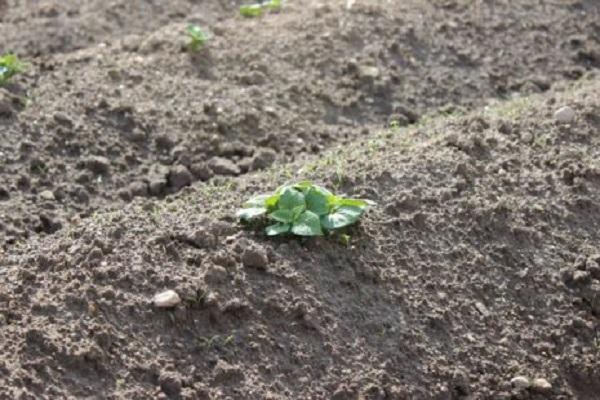
Weather conditions
Root crops planted in a permanent location are very sensitive to adverse environmental factors:
- Temperature drop. Frosts have a detrimental effect on potato tissue. Furthermore, frost burn can occur on buds and mature shoots. This process occurs especially quickly when the soil is deficient in nutrients. Planted potatoes either die immediately or their growth abruptly stops.
- Excessive soil moisture. Prolonged rainfall during the initial stages of potato growth can cause potato rot. In damp soil, the roots don't receive sufficient oxygen, leading to their death.
- Lack of moisture. If dry weather persists for a long time, the development of the future bush's vegetative organs is inhibited.
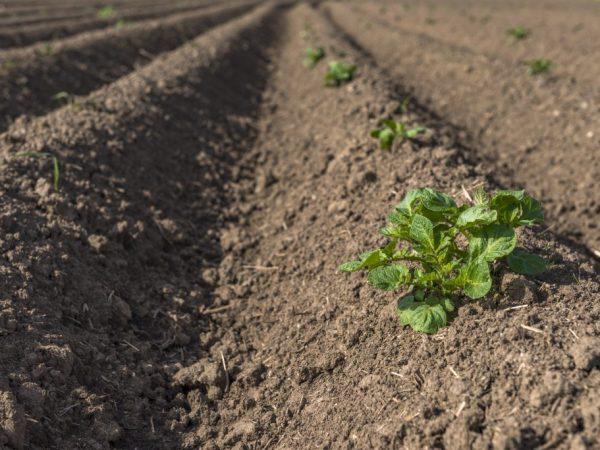
Planting potatoes in conditions of high soil moisture (over 75%) often results in rot diseases of the bush.
Incorrect planting conditions
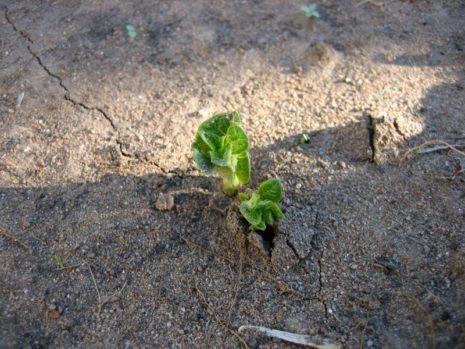
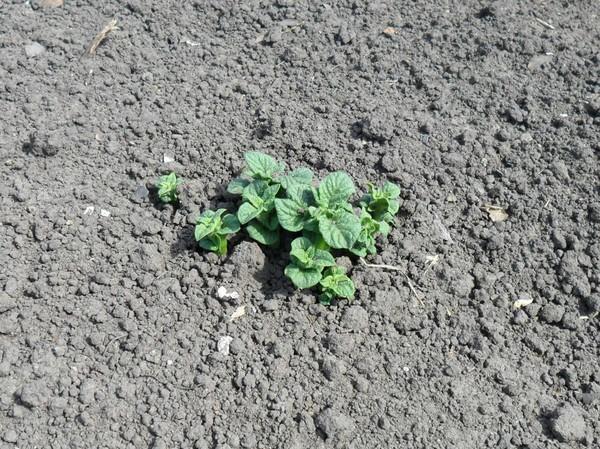
Potatoes sometimes fail to germinate, but the tubers grow. This can happen if they were planted too deep. When growing in loamy soil, plant at a depth of 7-8 centimeters. If the soil is sandy loam or peaty, it is recommended to plant the roots at a depth of 10-12 centimeters.
When planting vegetable crops, you should know that the thicker the soil layer, the more difficult it is for the sprouts to break through it.
To prevent freezing temperatures from damaging newly sprouted seedlings, potato plants should be planted when there is no longer a risk of frost. For greater planting reliability, it is recommended to protect the plants with a protective covering.
Low quality of planting material
Before planting potatoes in prepared beds, it is recommended to inspect the seeds and discard any that lack eyes, are very small, have thin sprouts, or show signs of spoilage or rot. Also, avoid root vegetables that have been treated with a high dose of fungicide.Considering that shoots are formed from buds, if they are absent, seedlings will not appear.
For planting, it is advisable to use large tubers, which contain enough nutrients to nourish developing shoots.
Small potatoes produce weak sprouts, so seed potatoes weighing less than 40 grams are ineffective. For best germination, store seed potatoes in a cool, dark place, but first expose them to light to turn the surface green.
In the spring, root vegetables should be treated with a dilute copper sulfate solution, using 2 grams of solution per 10 liters of water. This treatment is performed 20-30 days before planting. Afterward, they are kept indoors at a temperature of 10-15 degrees Celsius for vernalization. Deeply planted seeds produce tubers in the ground—it's important to know this to avoid such mistakes.
Take a look Also

Diseases
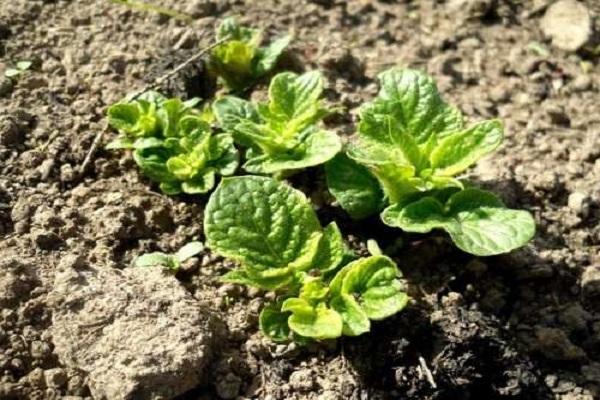
One of the reasons for the failure of seedlings is infection of tubers with late blight, rhizoctonia (black scab), gray spot, as well as canker and dry rot. Fungal diseases progress in conditions of high humidity – damp and cool weather. Pathogenic microorganisms are spread by dewdrops or rainwater.
To prevent disease in planted potatoes, it's important to practice crop rotation. Fungicides are effective against fungal diseases, as are green manure crops such as winter rye, legumes, and oats.
Pest infestation
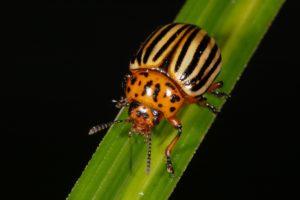
In most cases, potatoes suffer from attacks by cockchafer larvae, mole crickets, and wireworm larvae. Control measures for these parasites:
- digging the soil to a depth of 20-25 centimeters;
- scattering onion peels between potato bushes;
- adding crushed eggshells to the hole;
- installation of special traps for mole crickets (containers with beer or water with honey) 7 days before planting the tubers.
What to do if potatoes don't sprout
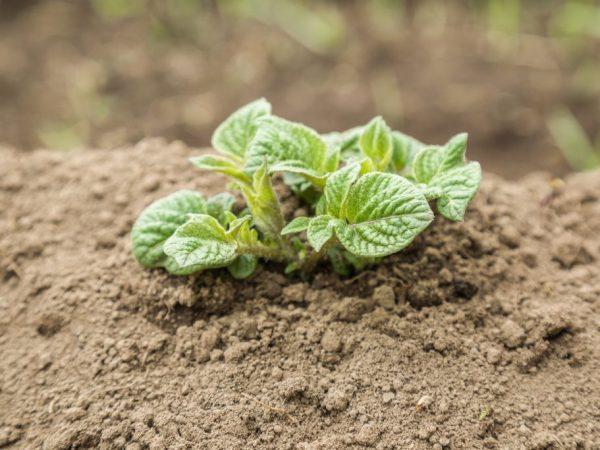
If the sprouts haven't emerged on time, make sure the tubers aren't planted too deep. This could also be the reason the potatoes are starting to sprout. In the event of drought, irrigation should be applied to speed up root germination.
If it is discovered that the seed material, along with the sprouts, has rotted in the soil or has been damaged by harmful insects, it is recommended to remove it and dispose of it, and disinfect the area with fungicides.
How to increase germination
To improve the quality of potato germination, it is recommended:
- exclude low-quality planting material;
- sprout the tubers at a temperature of +15 degrees for 2.5-3 weeks in a sufficiently lit place;
- carry out planting work in dry weather and at temperatures above +10 degrees;
- treat the potatoes with a working solution based on copper sulfate (2 grams per 10 liters of water).
Only an integrated approach to planting root crops allows us to achieve high yields.
Caring for potatoes after germination
First of all, during the tuber formation stage, regular watering is essential. Twice a season, the potato plants should be hilled and the soil loosened. This soil addition will help the plants develop underground stems, which will then produce secondary tubers. Particular attention should be paid to pest control, which should be eliminated at the first sign of their presence on the plants.
Related posts:
 Why potatoes aren't growing well in the garden, and what to do to ensure a bountiful harvest
 Description and characteristics of the Rodrigo potato variety, cultivation and care
 Description of the best potato varieties of domestic and foreign selection
 Description and characteristics of the Krasavchik potato variety, planting and care
 Description and treatment of potato diseases, methods of control using folk and chemical means
 Description and treatment of potato pests, control measures
 Description and characteristics of the Zhukovsky potato variety, planting and care
 Description and characteristics of the Rocco potato variety, cultivation and care
I don't want to read your article from the first sentence, because you are not an expert, since you call potato planting material a root vegetable... But in potatoes, it is a tuber.
A potato is a berry or a root vegetable. The planting material is simply potato pieces that are planted in a hole to allow them to grow. That's right—the planting material is a root vegetable.