- Biology of potato rugose mosaic
- Who is the carrier of the disease?
- Favorable conditions for the development of the disease
- How does the disease progress?
- Symptoms and signs of crop damage
- What is dangerous for potato plantings?
- Treatment methods
- Tips from gardeners on how to combat wrinkled potato mosaic
- Preventive measures of protection
Growing a good potato harvest requires considerable effort from gardeners. In addition to proper plant care, reliable protection from diseases and pests is also essential. Potato rugose mosaic disease can ruin all this effort. Therefore, it's important to familiarize yourself with its photos, descriptions, and treatment options, and armed with this knowledge, you can rest assured of your favorite vegetable harvest.
Biology of potato rugose mosaic
Rugose mosaic is a viral disease that causes leaf dieback and subsequent death of the entire plant. Severe leaf swelling signals the presence of a virus that causes the leaf blade to curl downward. The disease is caused by potato virus Y (PVY), as well as a combination of X and Y viruses (PVX+PVY).
This dangerous disease is widespread in all regions, but is more common in the southern regions.
Who is the carrier of the disease?
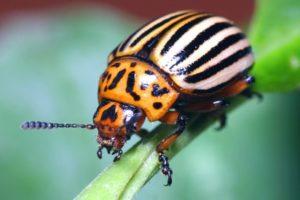
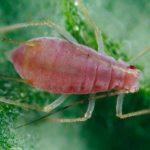
The disease's onset is difficult to detect in the first year, so the viruses overwinter in the tubers. The following season, they begin to infect plants with greater intensity. Aphids are the primary vector for rugose mosaic. Other sucking insects (Colorado potato beetles, bugs, and scale insects) can also transmit the disease.
In addition, the pathogen lives on weeds, and insects, feeding on their leaves, transmit the disease to healthy vegetable bushes.
Healthy potatoes can become infected when mechanically treating tubers before planting or during other gardening activities. Therefore, gardening tools must be handled with care, disinfecting them before use.
Favorable conditions for the development of the disease
Rugose mosaic disease is actively developing in southern regions where hot weather persists. This disease can also affect potatoes in other regions where dry weather persists for extended periods.The development of infection is facilitated by high humidity levels and air temperatures of +20-25 °C.
How does the disease progress?
Characteristic manifestations of the disease include:
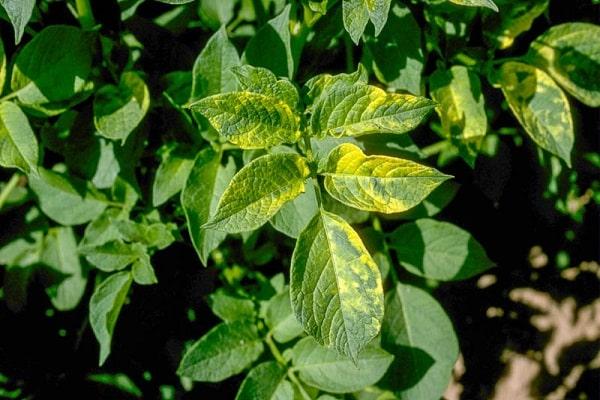
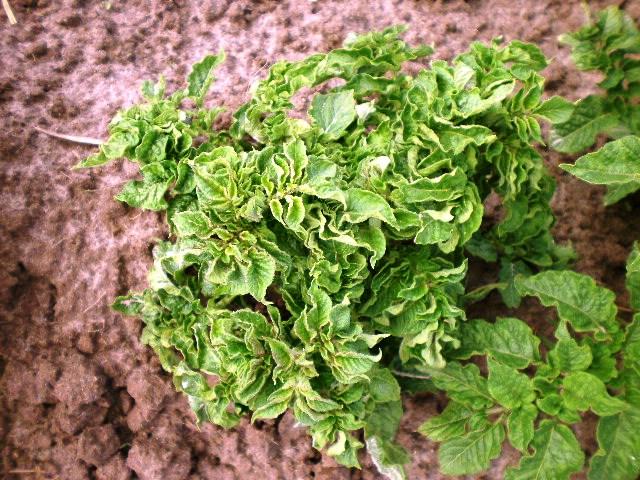
- spots of various colors and sizes that deform the structure of the leaves, they curl, wrinkle and gradually die off;
- plant growth stops because water exchange is disrupted, causing all parts of the plant to dry out;
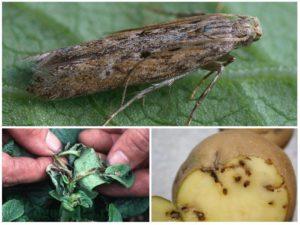
- Brown marks on potato tubers that indicate rotting.
As a result, the root crops lose their flavor, and some specimens become completely unfit for consumption, and the yield also decreases.
Rugose mosaic can affect the entire plant and lead to its death.
Symptoms and signs of crop damage
In the early stages of rugose mosaic disease, most gardeners fail to diagnose the virus on vegetable crops, as it is weakly expressed during the first year. The following season, infected potatoes will exhibit the following main symptoms:
- Infected plants will be significantly stunted in growth compared to healthy plants;
- the appearance of the leaves will change, they will wrinkle, become deformed and begin to turn pale, becoming much lighter in color compared to uninfected bushes;
- aphids will appear on the bushes;
- the tops will become curly;
- fragile, brittle stems will fall to the ground;
- the bushes will hardly form tubers.
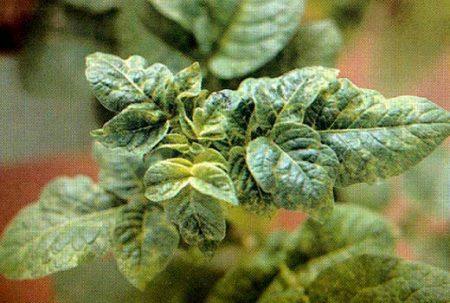 Symptoms of the disease may vary depending on the vegetable variety, virus strain, and growing conditions.
What is dangerous for potato plantings?
The main difference between rugose mosaic and potato rot is that symptoms appear on the above-ground portion of the plant. The disease attacks the potato tops, ultimately halting vegetative growth for a month and reducing the yield. Viral infection significantly reduces vegetable yield, with losses of up to 30 percent possible.
Treatment methods
There are no effective methods for combating rugose mosaic. The only remedy is prevention and the use of disease-resistant varieties. If the infestation is minor, you can try cutting out the affected parts of the plant, but if the infection is severe, only complete destruction of the plant can stop the spread of the virus.
Tips from gardeners on how to combat wrinkled potato mosaic
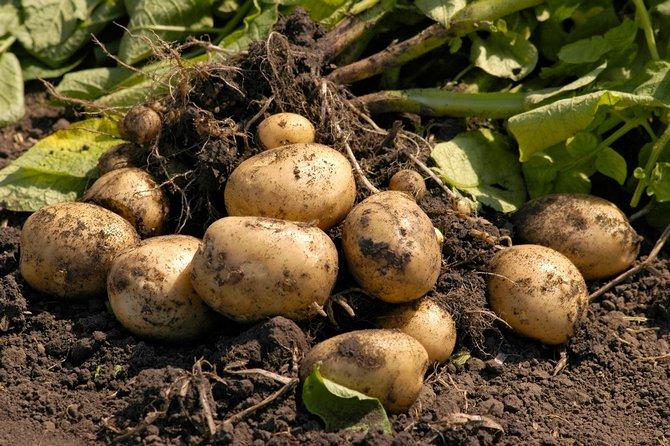
A novice gardener, encountering rugose mosaic for the first time, has many questions. So, they seek advice from more experienced gardeners who have successfully overcome the disease and recommend using healthy tubers for planting, properly caring for the plants, and promptly removing all diseased and slightly affected potato plants from the plot.
Preventive measures of protection
Only preventative measures can help preserve the harvest, which include the following measures aimed at preventing rugose mosaic:
- For planting, use only healthy seed material, which must be treated before planting.
- When growing, give preference only to varieties of the crop that are resistant to rugose mosaic.
- Weed potato beds regularly to prevent weeds from attracting insects and spreading diseases.
- Regularly inspect each potato plant for disease and, if detected, promptly remove any infected plants along with their tubers. This should be done carefully. First, dig up the plant and remove it from the garden bed. Then, burn it to prevent the virus from spreading to healthy plants.
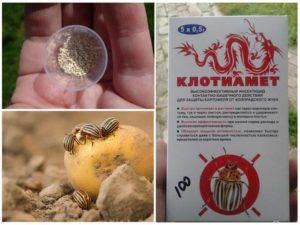
- Constantly combat disease carriers such as aphids, Colorado potato beetles, and other insects by treating plants with time-tested, human-safe products specifically designed for these purposes.
By following these requirements, you can improve the health of your potatoes, get a good, high-quality harvest, and increase the shelf life of your tubers.To achieve a high potato yield, you need to care for your potatoes and pay attention. Following these tips will help you protect your harvest and keep it until spring without loss. Hard work and following all recommendations are the key to defeating the wrinkled mosaic disease.
Related posts:
 Description and treatment of potato diseases, methods of control using folk and chemical means
 Why potatoes aren't growing well in the garden, and what to do to ensure a bountiful harvest
 Description and treatment of potato pests, control measures
 Description of the best potato varieties of domestic and foreign selection
 Description and characteristics of the Lorkh potato variety, planting and care
 Description and characteristics of the Zorachka potato variety, planting and care
 Description and characteristics of the Rodrigo potato variety, cultivation and care
 How to properly prepare planting material and when to plant potatoes to get a rich harvest