
- History of the development of the Far Eastern variety
- Advantages and disadvantages of a hybrid
- External characteristics and description of the Far Eastern 27
- Bush and leaves
- Fruit and yield of the variety
- Resistance to drought and low temperatures
- What diseases and pests is it susceptible to?
- How to plant cucumbers in your garden
- Selecting seeds
- Soil preparation
- Sowing scheme
- Caring for seedlings and adult bushes
- Regularity of watering
- Root and foliar feeding
- Loosening and weeding the soil
- Shaping and pinching
- Preventive measures
- Rules for harvesting and storing crops
- Gardeners' reviews of the variety
The consumer market offers a variety of cucumber varieties and hybrids. Among them, the Far Eastern Cucumber 27 has long been highly popular. This variety, in addition to its many advantages, is renowned for its high yield. However, the taste and marketability of the fruit directly depend on the growing conditions.
History of the development of the Far Eastern variety
The Far Eastern cucumber is considered one of the oldest varieties bred in Russia. Its origins date back to World War II. In the 1930s, breeder E. A. Gamayunova, working at the Far Eastern Research Institute in Khabarovsk Krai, began using selective breeding to improve the qualities of local cucumber varieties.
Thus, in 1943, several cucumber subspecies were developed, under the names Far Eastern 27 and Far Eastern 6. In 1950, these crops, having passed all testing, were included in the State Register, after which their cultivation began in the Khabarovsk and Primorsky Krai.
Today, both varieties are grown throughout Russia. However, the Far Eastern 27 subspecies is considered the more popular.
Advantages and disadvantages of a hybrid
A professional vegetable grower's review states that the Dalnevostochny 27 cucumber has many positive qualities. Among the variety's key advantages, he highlights:
- long-term storage of fruits;
- frost resistance;
- high immunity to diseases;
- long fruiting period;
- drought resistance;
- undemanding to climatic conditions;
- high yield.

It's also worth noting that the Dalnevostochny 27 variety has a well-developed, powerful root system. This allows the plants to establish well in their new location. There are no major drawbacks to the crop. However, novice growers should be aware that the Dalnevostochny 27 variety requires timely harvesting. Otherwise, the ripe fruits will quickly lose their marketable quality.
External characteristics and description of the Far Eastern 27
Although the Dalnevostochny 27 and Dalnevostochny 6 cucumbers were developed at the same research institute, under the supervision of E.A. Gamayunova, there are some differences between the varieties. Therefore, to avoid making mistakes when choosing a variety, it's important to familiarize yourself with the characteristics that differentiate them. Let's look at the external characteristics and description of the Dalnevostochny 27 cucumber.
Bush and leaves
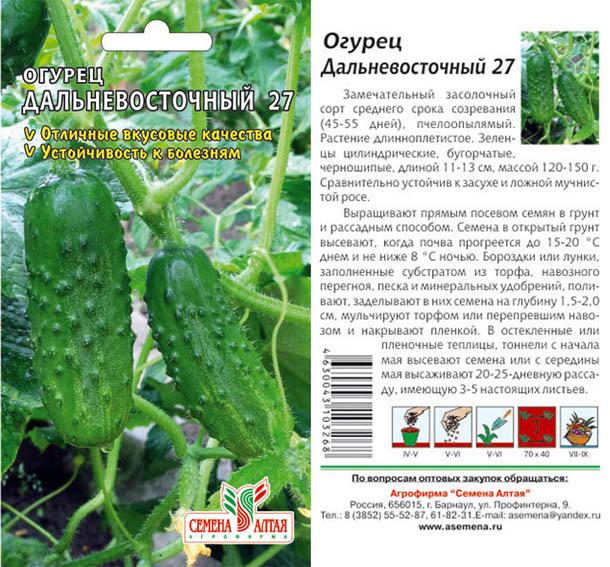
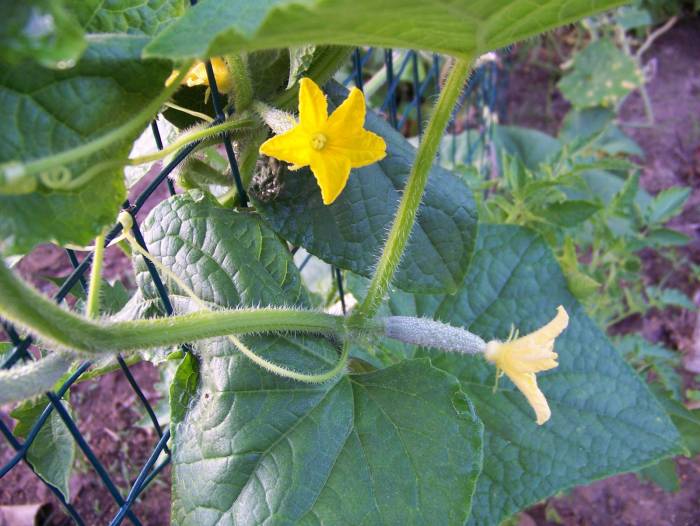
Far Eastern 27 is an indeterminate vegetable crop. This means that cucumbers are tall plants that require topping to stop growth. The bush itself is branched, with long vines. However, the plant has little foliage. The leaves of the Far Eastern 27 cucumber are medium-sized and dark green. It produces mixed-type flowers.
Fruit and yield of the variety
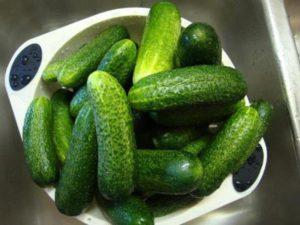
Far Eastern 27 is a mid-season vegetable crop. The growing season, from the emergence of the first shoots to the ripening of the fruit, is 40-55 days. Far Eastern 27 is a pollinated plant. Insect pollinators are required for fruit set. This hybrid is highly productive. If the technical requirements are met, a gardener can obtain an average of 5 kilograms of fruit per square meter.
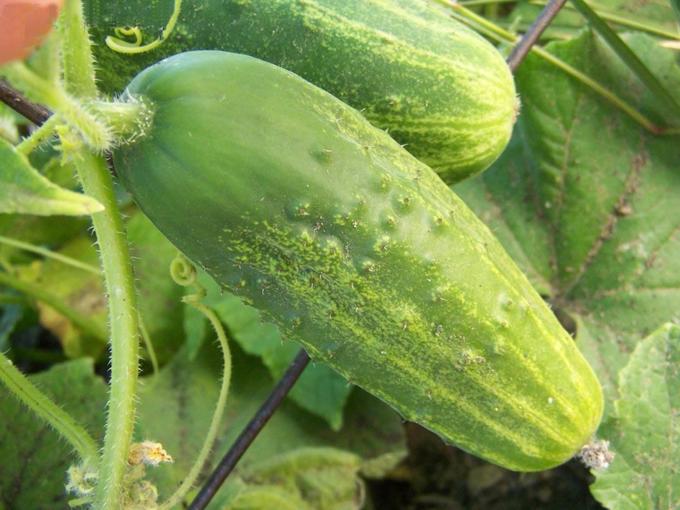
Characteristics of cucumbers:
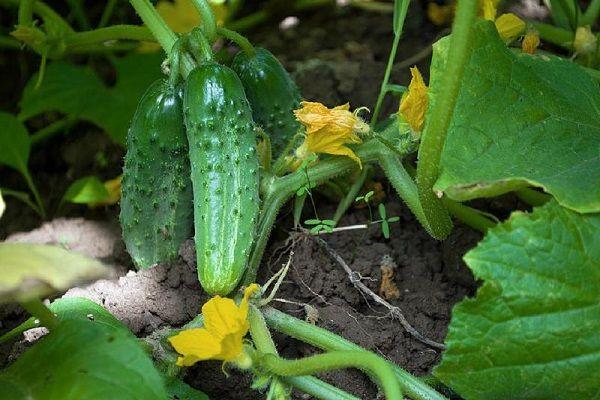
- weight – 110-140 grams;
- shape – elliptical;
- length – 11-15 centimeters;
- skin - dark green, medium thickness, bumpy, black-spined;
- The pulp is juicy, white, and crispy.
The fruit's flavor is top-notch. Cucumbers are used fresh, pickled, and salted.
Resistance to drought and low temperatures
The variety description indicates that the Dalnevostochny 27 cucumber is resistant to adverse environmental factors. The plant tolerates temperature fluctuations and short-term frosts. Therefore, harvesting continues until autumn. However, the crop does not respond well to gusts of northerly wind. Therefore, the Dalnevostochny cucumber should be grown in sheltered, draft-free areas.
As for drought, cucumbers aren't afraid of it. Even in dry summers, the Dalnevostochny 27 variety produces good yields.
What diseases and pests is it susceptible to?
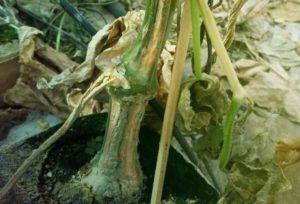
A distinctive feature of cucumbers is their high immunity to various diseases and insect pests. They are resistant to such devastating diseases as powdery mildew and downy mildew. Even when infected with these diseases, cucumbers continue to grow and bear fruit fully after treatment. However, the plant is not resistant to bacterial wilt and anthracite.
The following insects also pose a dangerous threat to crops:
- aphid;
- spider mite;
- slugs.
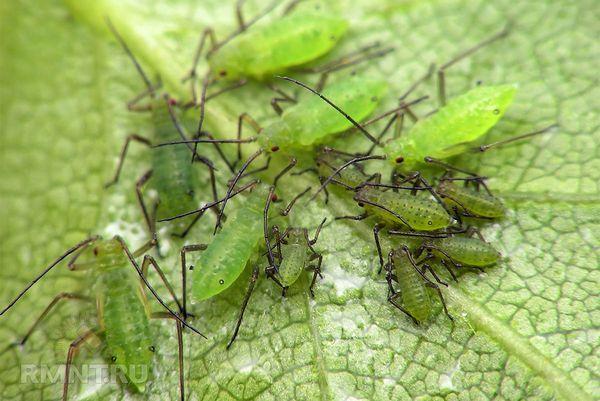
To prevent the dire consequences of a pest attack, it is recommended to take preventative measures in a timely manner.
How to plant cucumbers in your garden
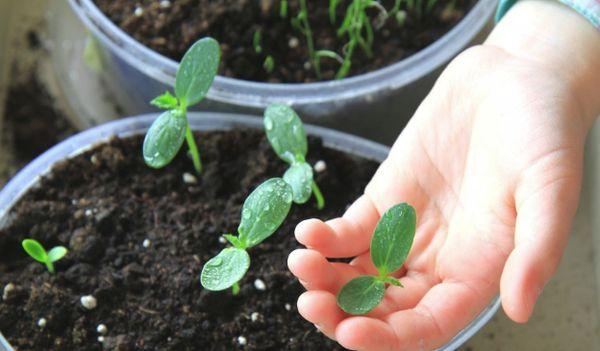
The Dalnevostochny 27 variety can be grown both outdoors and in greenhouses. The choice of cultivation method depends on the local climate. For example, for northern regions of the country, seedlings are recommended. In southern regions, it's better to plant the seeds directly in open ground.
However, regardless of the chosen growing method, proper preparatory work will be required before planting. This approach will extend the fruiting period of the Dalnevostochny 27 cucumber and increase the yield.
Selecting seeds
When growing vegetables, it's recommended to use only fresh seeds. Seeds harvested more than three years ago have a lower germination rate. Furthermore, they produce plants with weak immune systems. Seeds harvested from two-year-old cucumbers are considered optimal. These should be the largest and fullest-bodied seeds.
Soil preparation
According to the producers, the Dalnevostochny 27 variety can grow in all types of soil. However, as vegetable growing practice has shown, the highest cucumber yields were observed in fertile, loose soil with neutral pH.
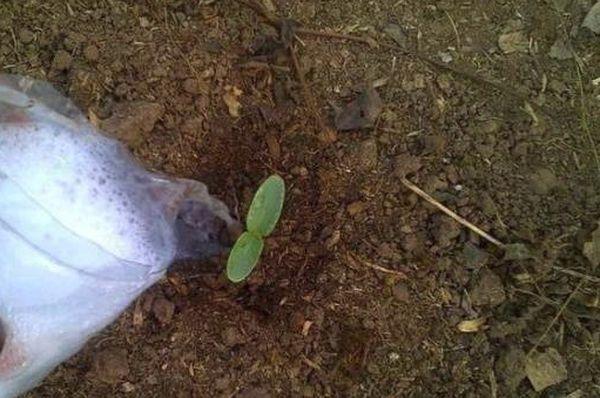
To create airiness in the soil, it is recommended to add sawdust, compost, or dried leaves. For additional nutrition, choose complex fertilizers. Wood ash can be used to reduce acidity. It is applied in liquid form, at a rate of 2 tablespoons per 1 liter of water.
Sowing scheme
Planting seedlings or sowing seeds should only be done after spring frosts have passed. The optimal soil temperature is considered to be +15 degrees Celsius.
When growing cucumbers with support, the planting pattern should be 3-4 plants per square meter. Without support, the planting density is 4-5 seedlings per square meter. The recommended seedling depth is 4 centimeters. The seeds are planted 1-2 centimeters deep.

Caring for seedlings and adult bushes
The Dalnevostochny 27 variety doesn't require any special cultivation techniques. Standard care for all cucumber varieties is sufficient for a bountiful harvest.
Regularity of watering
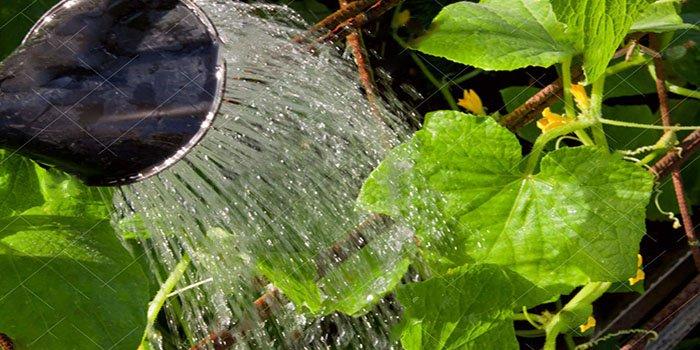
Mature plants of the Dalnevostochny 27 variety tolerate short-term drought well. However, their seedlings urgently require regular watering. This should be done daily with warm water. The best times for watering are morning and evening. In humid climates, mature plants should be watered once every 2-3 days. During drought, water once a day.
Root and foliar feeding
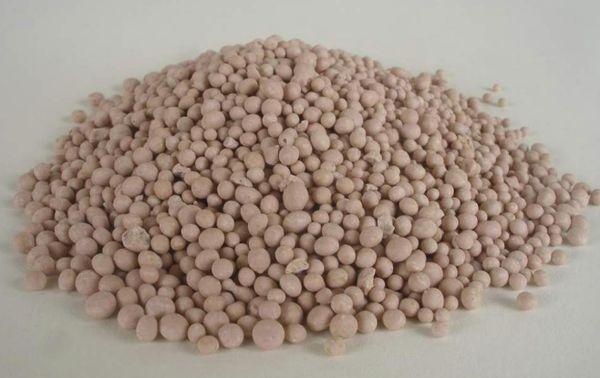
To ensure proper development and consistent fruiting, cucumbers require fertilization throughout their lifespan. Recommended fertilizers for the plant include:
- nitrogen;
- calcium;
- potassium;
- phosphorus.
The first feeding is done when the seedlings have 2-3 true leaves. The second feeding is done during flowering. The third feeding is done during fruiting.
Fertilizers are applied using both root and foliar methods. In the former case, plants are fertilized directly at the roots. With the foliar method, cucumbers are fertilized using a spray bottle.
Loosening and weeding the soil
Growing the Dalnevostochny 27 cucumber should also include agricultural practices such as weeding and loosening the soil. These procedures will help oxygenate the soil and prevent moisture stagnation. Weeding should be done as weeds appear. Loosening the soil is recommended every time after watering.

Shaping and pinching
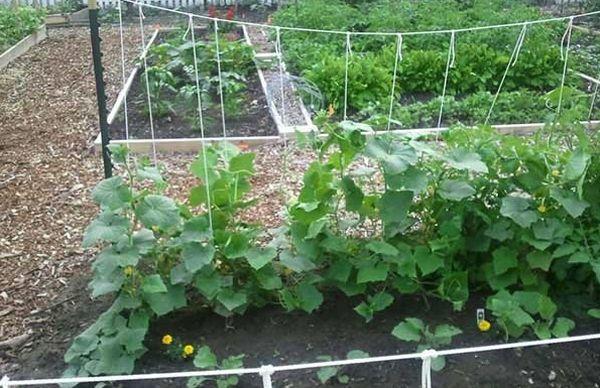
Far Eastern 27 desperately needs to be trained. Otherwise, its shoots will begin to intertwine, which will negatively impact fruit set. The main stem should be pinched when it reaches 80-100 centimeters. Primary shoots are pinched at 40-50 centimeters, and secondary shoots at 12-20 centimeters.
Preventive measures
In order to avoid disastrous consequences from pests and insects, it is necessary to carry out preventive work before planting.
The complex of activities includes:
- Disinfection of planting material and soil.
- Regular inspection of plants.
- Weed removal.
- Pest control.
Proper soil fertilization is also important in preventing the development of pathologies.
Rules for harvesting and storing crops
About 1.5 months after planting, cucumbers can begin harvesting. Harvest the fruits as they ripen, typically twice a week.
The harvest of the Far Eastern variety can be stored for 2-3 days. The refrigerator is considered the optimal place to preserve the taste and marketability of the fruit. After 3 days, it is recommended to process the cucumbers.
Gardeners' reviews of the variety
Ignatyeva M. S., 36 years old, Novosibirsk region
"My Far Eastern cucumbers are grown on my windowsill. Yes, yes! I grow them in my apartment. I wouldn't say I get a huge harvest, but there's always some. But to get them to set, I have to pollinate the flowers with a piece of cotton wool."
Yurova G. N., 51 years old. Barnaul
"Far Eastern 27 is the perfect variety. The plant is easy to care for and requires little maintenance, making it ideal for gardeners. The cucumbers are attractive, delicious, and crisp. I use them for both pickling and marinating."
Related posts:
 Description of 30 varieties and types of Muscat grapes, planting, cultivation and care
 The best eggplant varieties for growing in a polycarbonate greenhouse: planting and care
 80 Best Eggplant Varieties for Different Regions with Descriptions and Characteristics
 Description and characteristics of the best seeds of pea varieties and types
 Description of the Velika grape variety, cultivation and care tips
 How to propagate and grow peas, cultivation technology, and care in open ground
 Description of the 90 best varieties of beans for open ground with names
 The best grape varieties for growing in the Urals, planting and care rules in summer