
- Benefits of crop rotation in the garden
- Suitable precursors for crops
- Peas
- Beans
- Beans
- Potato
- Onion
- Zucchini
- Cabbage
- radish
- Pepper
- After which crops should cucumbers not be planted?
- Cucumbers
- Pumpkin
- Zucchini
- Strawberry
- We are planning plantings for next year in the garden bed after cucumbers
- Green manure crops for autumn sowing
- Vetch
- Lupine
- Buckwheat
- Legumes
- What green manure to plant in spring
- Oilseed radish
- Rape
- Mustard
- Phacelia
- What vegetables can be planted after cucumbers?
- Garlic
- Carrot
The question of what to plant the year after cucumbers periodically arises even for experienced farmers. This topic is considered relevant because it helps solve certain problems and influence soil quality. Cucumbers are demanding of soil; they are often planted in enriched, specially prepared soil, which allows for a good harvest. However, the crop literally "sucks" nutrients from the soil. It has both favorable and unfavorable predecessors.
Benefits of crop rotation in the garden
Crop rotation is considered an element of soil and plant care. It's a scientifically proven method that involves alternating crops on a plot, which helps influence soil quality and yield.
The principle behind this method is that certain plants require elements that accumulate in the soil. What are the advantages and principles of crop rotation?
- Helps maintain the correct balance of nutrients in the soil.
- Helps to avoid deficiency of certain elements.
- Reduces the risk of erosive changes.
- Forming plants into groups will significantly facilitate the procedures aimed at caring for the crop.
- Reduces the risk of developing fungal and other diseases, and also minimizes the likelihood of plant damage by pests.
If a gardener alternates crops on a plot, this allows him to:
- protect the soil from depletion, apply fertilizers less often;
- increase crop yield;
- improve the quality characteristics of the soil without any additional effort.
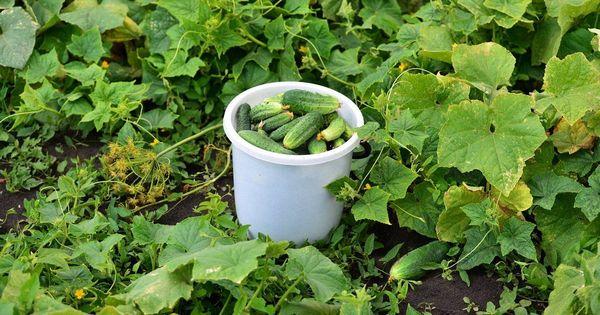
Because cucumbers are very demanding of soil, they don't always receive the necessary nutrients. They require nitrogen, phosphorus, and carbon dioxide. If they're planted in the same spot over and over again, yields will drop. And poor soil will need to be revived over several years with various fertilizers.
Suitable precursors for crops
Because cucumbers have higher soil requirements, they can't always be planted after certain crops. Some plants require the same nutrients as cucumbers. If they don't receive the necessary nutrients during growth, this will significantly impact yield.
It's generally accepted that one crop shouldn't be planted in the same spot where it grew previously. This principle also applies to cucumbers. They shouldn't be planted in the same spot more than twice (it's not recommended to grow them for two years).
Peas
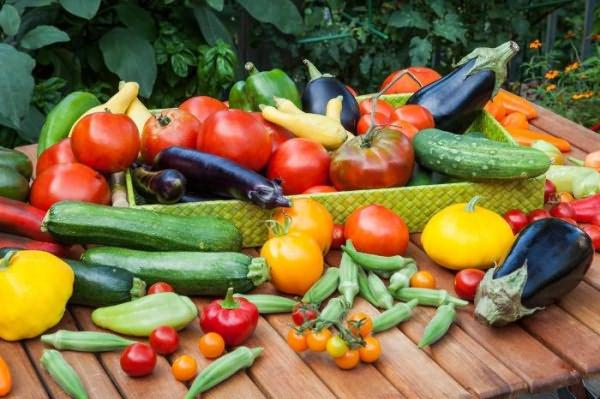
It is not picky about soil, restores soil properties well, and helps achieve the desired result. Peas will restore the necessary characteristics to the soil, but it will have to be cultivated for at least 2 years.
Beans
It also thrives alongside cucumbers. If you decide to plant it after growing cucumbers, you won't go wrong.
Beans
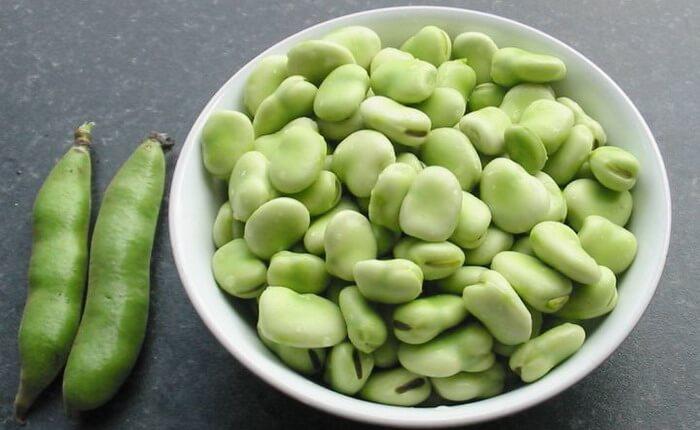
Legumes are excellent soil restorers, allowing the soil to "rest." Therefore, gardeners often plant them after growing cucumbers and other demanding crops.
Potato
If possible, plant root vegetables where cucumbers were previously grown. Potatoes will help balance the soil's nitrogen, phosphorus, and carbon dioxide levels. Dig up the potatoes, but the tops can be left in the area and dug over.
Onion
Since onions are root vegetables, they are ideal for restoring soil properties.
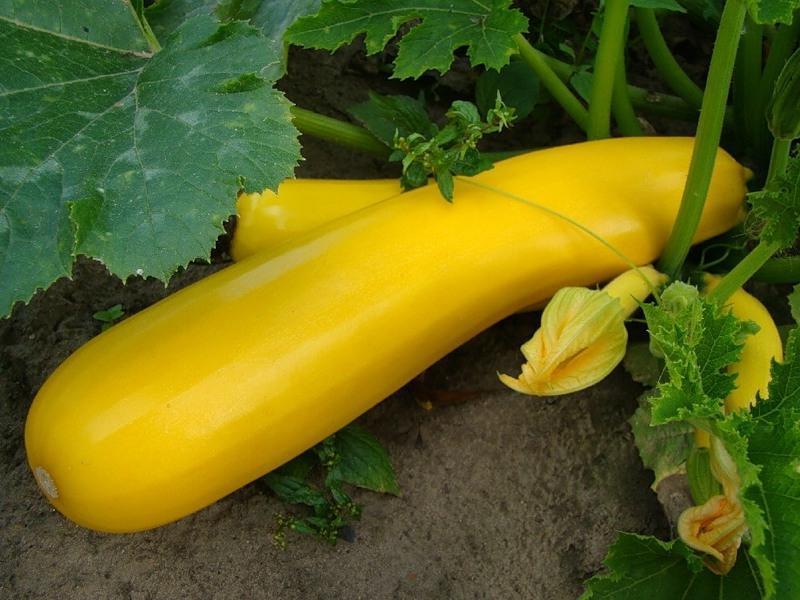
Zucchini
They are classified as close relatives of cucumbers, for this reason zucchini is not cultivated in those parts of the plot where this crop previously grew.
Cabbage
Planting cabbage is not recommended, as it will further deplete the soil. It will take a long time to restore the soil.
radish
Radishes are not particularly demanding and are often planted after cucumbers, which helps restore and normalize soil characteristics.
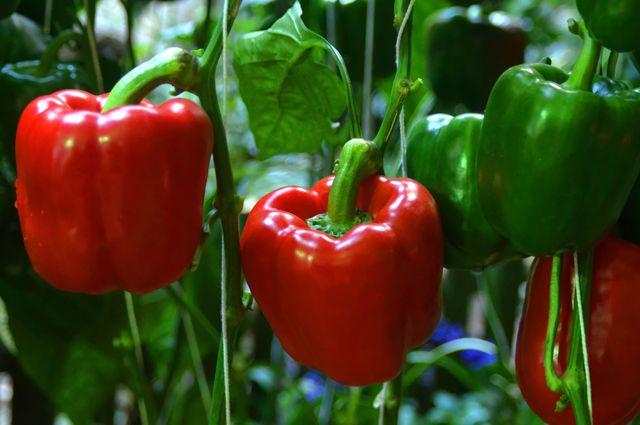
Pepper
Peppers can technically be planted after cucumbers. However, it's best not to do so for several reasons: peppers are demanding of soil, require careful care, and significantly deplete the soil. It's best to hold off on planting peppers until "better times."
After which crops should cucumbers not be planted?
There are also plants in nature that absorb all the nutrients from the soil. After cultivating them, the soil must rest; otherwise, a good harvest is unlikely.
Cucumbers
By changing cucumber varieties, gardeners risk losing their harvest. Their efforts will be in vain. After all, over two to three years, the crop will take all the necessary elements from the soil, altering its properties. The soil will need to be regenerated for three or more years.
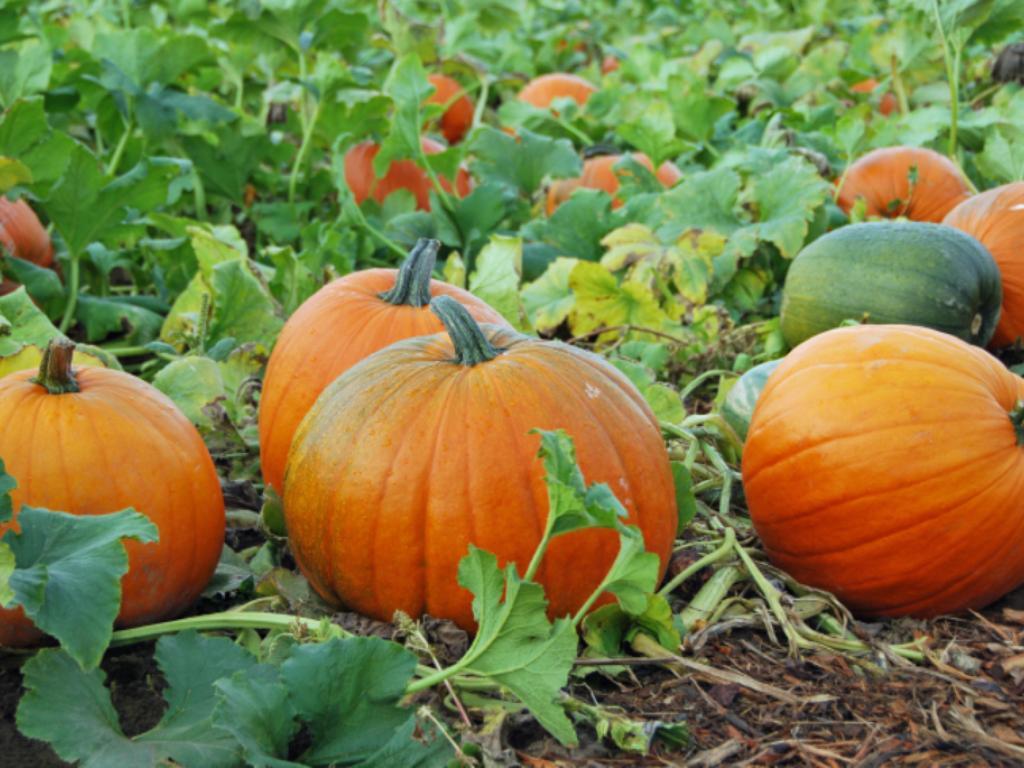
Pumpkin
It won't help restore soil conditions, and it shouldn't be planted after cucumbers, as there's no point. Growing pumpkins is difficult, and this plant is considered a close relative of the cucumber.
Zucchini
Zucchini won't grow in soil previously used for cucumbers. The harvest will be sparse, but not abundant.
Strawberry
Strawberries are very demanding when it comes to soil quality; they can completely deplete the soil within three years, so don't plant them in a garden bed after cucumbers. You won't get a good harvest, and your efforts will be wasted.

We are planning plantings for next year in the garden bed after cucumbers
The decision on how to restore the soil after planting cucumbers is made in advance, with preference given to crops that can be planted in the fall. They will begin to sprout in the spring or will have time to ripen before the cold weather sets in.
Green manure crops for autumn sowing
Green manure is an excellent choice; its properties allow for quick restoration of soil quality.
Vetch
The crop is sown at the end of summer; by the end of autumn, the vetch can be mown down and then the soil can be dug up without removing it.
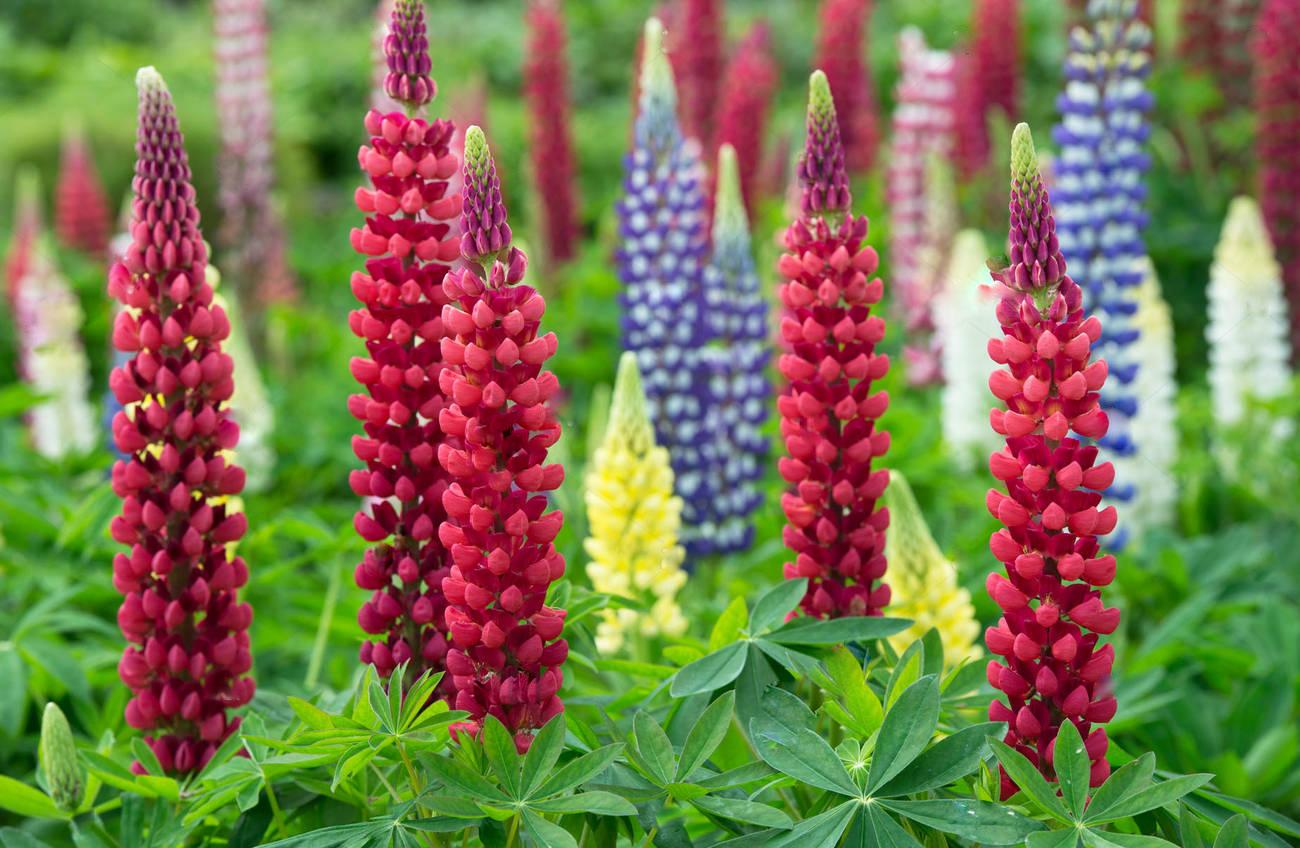
Lupine
It's a good option for restoration, but this plant leaves large roots. You'll have to pick them out. Lupine is also mown down and then the soil is dug up, which helps remove harmful substances.
Buckwheat
If you have chosen this culture, then try the following manipulations to increase the effectiveness of the procedures:
- Remove 20 centimeters of soil and replace it.
- Then sow buckwheat on this land.
- When it grows up, it is mown.
Note! It's not prohibited to combine several plants, planting them together in a plot. Gardeners often plant oats and vetch together.
Legumes
Gardeners believe that legumes are great soil improvers. But you don't necessarily have to plant legumes in the same area where cucumbers grow. You can choose a different spot, sow the beans there, then mow them down and use them as mulch.
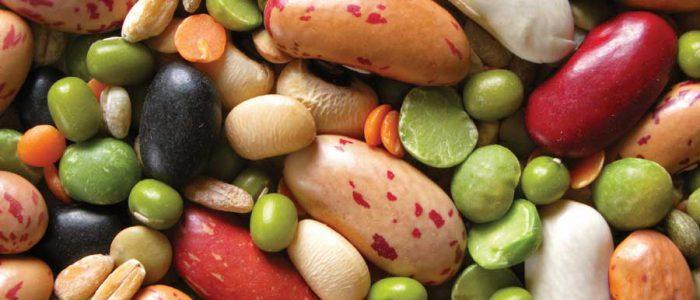
Green manure will not only help clean and improve the soil, but it will also attract earthworms, which will positively impact the soil's properties.
What green manure to plant in spring
These plants allow the soil to rest and are often planted in poor soils to improve their quality. If you grow cucumbers in a greenhouse or plant them in the ground, consider sowing green manure afterward.
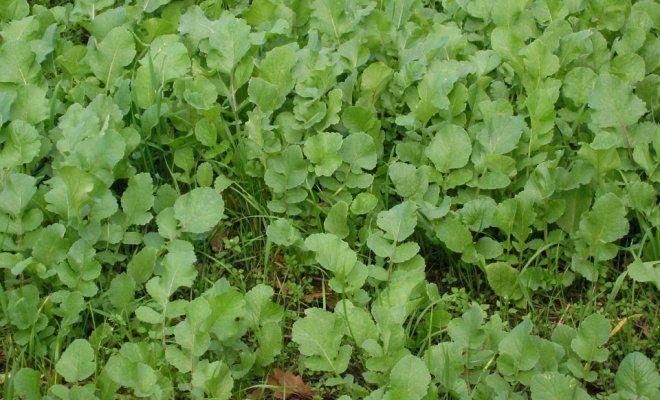
Oilseed radish
This annual plant grows up to 1.5 meters in height. Radish has several advantages that help it influence soil conditions:
- has a long system of root canals through which nutrients are supplied;
- protects the soil from erosion and promotes its loosening;
- oily radish provides the soil with a drainage system, while accumulating moisture in the upper layers of the soil;
- in rainy weather or under unfavorable climatic conditions – protects against erosion.
Rape
A unique green fertilizer that decomposes quickly and helps improve soil quality. Rapeseed helps reduce soil acidity, and planting it will increase water conductivity and water holding capacity.
Mustard
Planting this crop on soil previously occupied by cucumbers can solve a number of problems. Mustard promotes the release of nutrients from deep soil layers. Mustard, cut in the fall, will attract earthworms, which can enrich the soil with beneficial micronutrients.
Phacelia
It differs from other green manures in that it rapidly gains strength – this unique feature prevents weeds from growing.
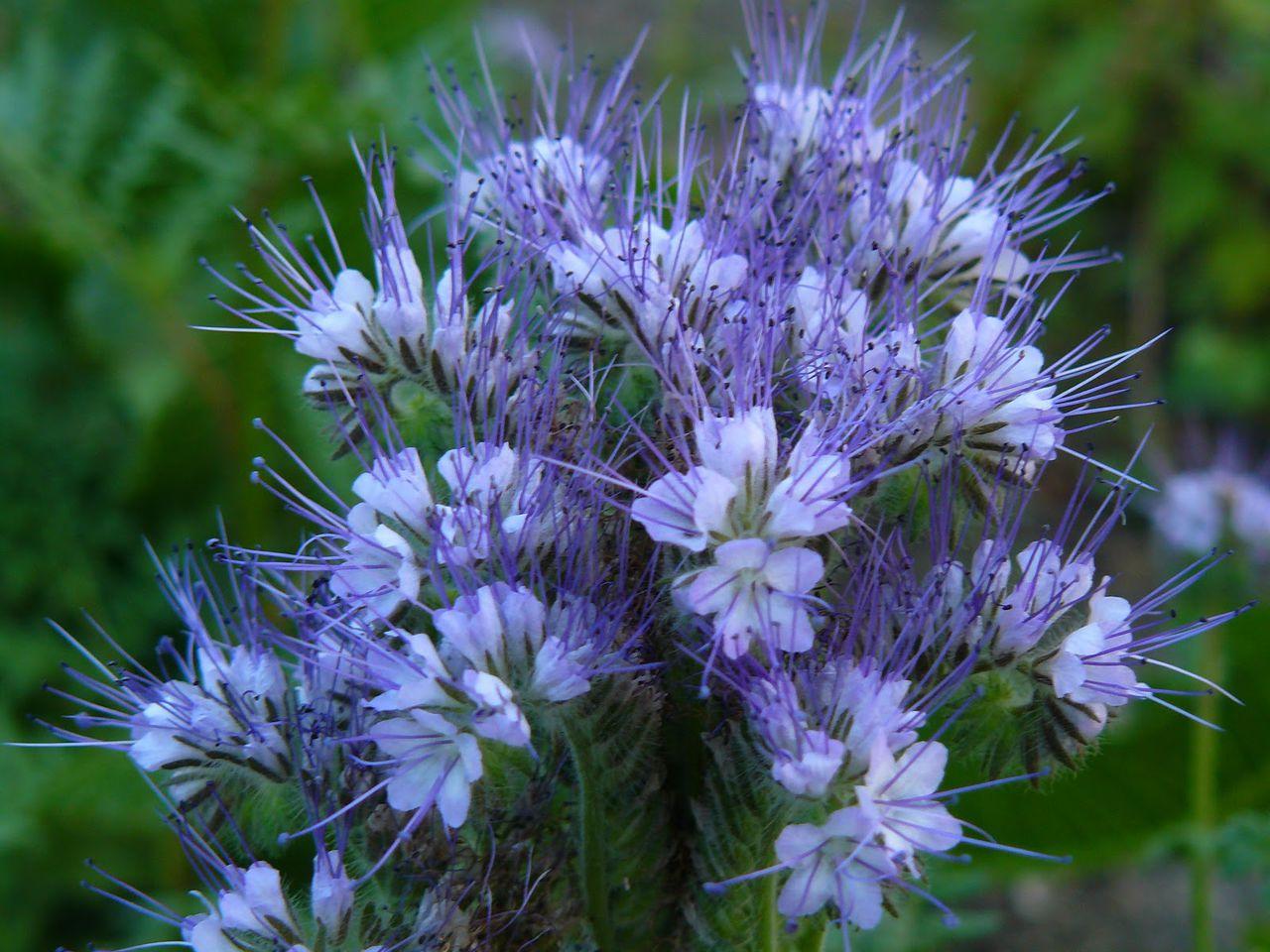
Tip: When soil is barren, weeds quickly take over. If you plant phacelia in your garden, you won't have to worry about weeds.
This plant is attractive not only for its height but also for its decorative qualities. It can be planted as a green manure in a small area, which is quite convenient.
What vegetables can be planted after cucumbers?
When deciding to rotate crops in your garden, consider the plant's needs—this is the most important rule to follow. If you've been growing cucumbers for at least two years, then give preference to legumes, potatoes, and other root vegetables. However, garlic or onions are best grown in your garden. In greenhouses, cereal crops are preferred, but other rules apply when growing plants outdoors.
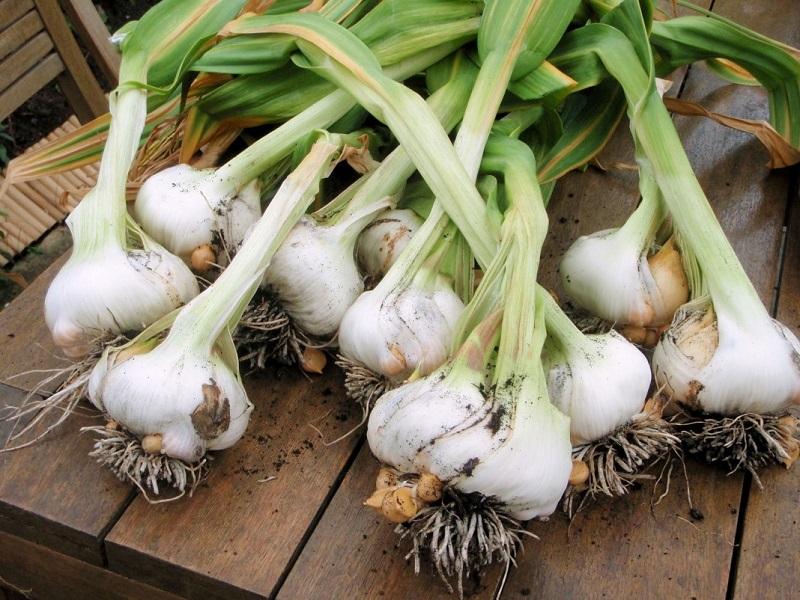
Garlic
It can restore soil properties relatively quickly. Garlic can be planted after the cucumber season ends. Once the cucumbers are harvested, which usually occurs in August or September, the garden bed can be dug over and used for planting garlic.
Carrot
Another good option: on average, carrots take 1.5 months to ripen. If you prepare the seedlings in advance and plant them after cucumbers, then, given favorable climate conditions, you'll be able to harvest this crop as well.
Note! Perhaps the most expensive, but alternative option is to have several greenhouses on your property and plant cucumbers in them one at a time. Soil amendments are also an alternative.
Soil restoration, like planting planning, is a science in itself. It's difficult to master all the intricacies and nuances of plant care. However, don't neglect crop rotation, as it can significantly increase yields and improve soil quality.
Related posts:
 Description of unusual methods for planting and growing cucumbers
 Description of the best varieties of Chinese cucumbers, planting, growing and care
 TOP 30 best determinate cucumber varieties with descriptions
 How to care for cucumbers in open ground from planting to harvesting
 Why cucumber leaves are drying out and what to do, how to treat them in a greenhouse and in the ground
 How to properly plant cucumbers in open ground with seeds, and at what depth
 Why do cucumber leaves curl inward and what to do about it?
 The best cucumber varieties for growing in polycarbonate greenhouses in the Moscow region, planting and care
I have a very small plot and grow only vegetables. So, I alternate between cucumbers and tomatoes every year. Fertilizing and cultivating the soil are therefore crucial for me. I water with rotted or water-soaked herbs such as celandine, burdock, wormwood, and so on.