Every gardener strives to grow a vegetable suitable for both fresh eating and canning. Natasha cucumbers offer just that. This salad variety boasts excellent flavor. It produces small fruits, perfect for winter preserves.
Characteristics of the variety
The Natasha variety is a hybrid. It was created by crossing two early-ripening cucumber varieties.
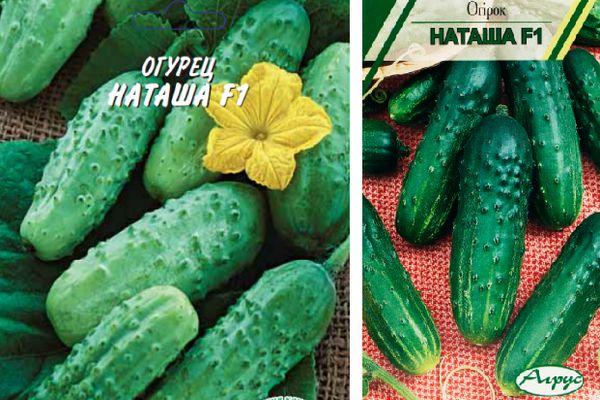
The vegetable's growing season lasts 45-50 days. The Natasha variety is grown both in greenhouses and in open ground. The plant grows vigorously. The leaves are medium-sized and have a rich green color.
The plant requires a net to support the long vines. This variety is highly productive: over 10 kg of fruit can be harvested from 1 m². The Natasha f1 cucumber has excellent flavor: the fruits are juicy and aromatic.
Experienced gardeners leave positive reviews about this variety, but note that for growing in greenhouses and hotbeds, it is necessary to ensure access to natural pollination by bees. This process is very important for obtaining a good and rich harvest.
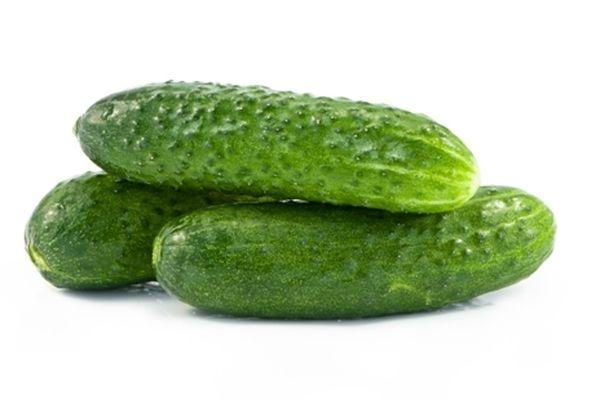
The fruits of the Natasha variety have the following description:
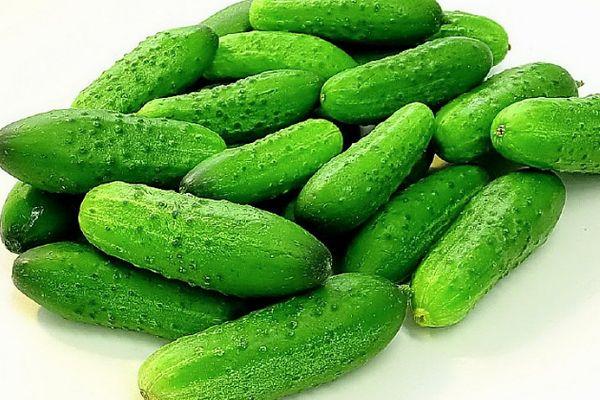
- fruits are of a smooth cylindrical shape;
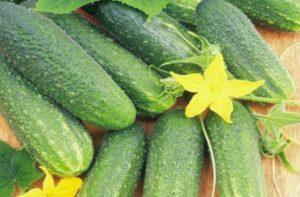
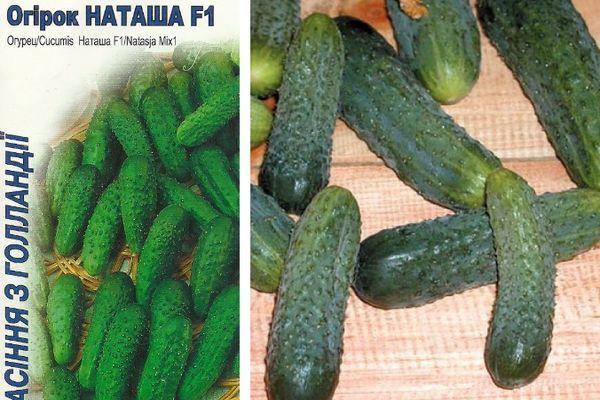
- the skin is dense, with a rough surface; there are a small number of small spines;
- there are few seeds in cucumbers;
- high taste qualities, no bitterness;
- the length of the fruit on average reaches 8-12 cm;
- the weight of an average cucumber is no more than 60-80 g;
- The fruits tolerate long-distance transportation well and have excellent long-term storage properties.
The Natasha variety is suitable for fresh consumption, pickling, and canning. Due to its ability to retain its marketable appearance for a long time, it is successfully grown by farmers and entrepreneurs for sale.

Growing rules
The Natasha cucumber variety is easy to grow and requires little effort to cultivate and maintain.
When purchasing seeds, pay attention to the plant's characteristics and description. This information is provided on the seed packaging. The manufacturer also provides recommendations regarding planting times and growing instructions.
Seeds can be planted in open ground as soon as the air temperature rises to +22°C during the day and +16°C during the day. By this time, the soil should have warmed to +10–12°C.
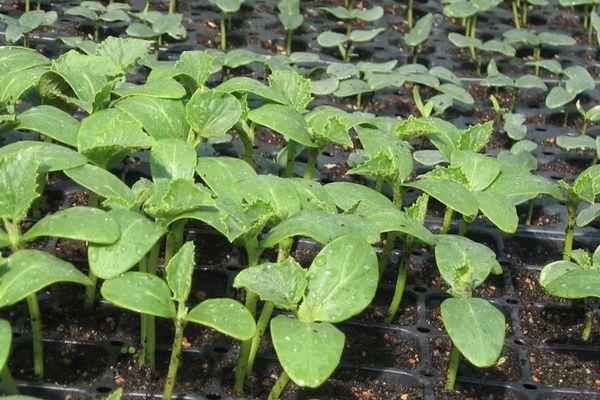
When planting, make a shallow hole, about 3 cm deep. The distance between holes is 50 cm, and between rows, at least 30 cm. Often, after planting the seeds, gardeners cover the beds with plastic wrap until the first sprouts appear. Immediately after planting, the soil is watered with warm, settled water. Five to seven days after planting, the plants are fed with complex mineral fertilizers.
Before planting the seeds, it's important to properly prepare the soil for growing cucumbers. To do this, the soil needs to be fertilized with organic matter. Humus or compost is best for this purpose.
To get a high-quality and abundant harvest, you need to properly care for your plants. Cucumbers, like most vegetables, thrive in nutritious, moist soil.
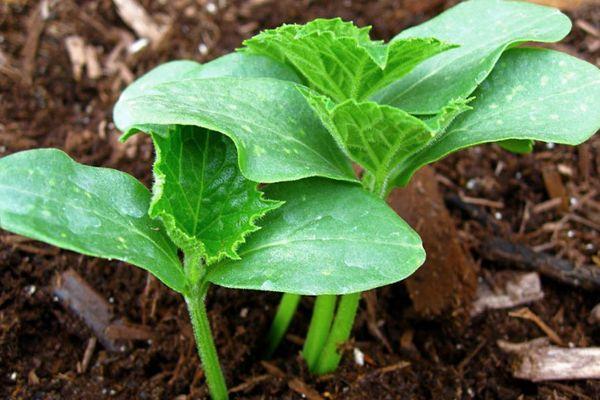
Watering and fertilizing play an important role in caring for this crop. Watering the Natasha cucumber variety should be regular and timely. During hot and dry weather, water the beds once a day. It's best to water the hybrid early in the morning or in the evening. When watering, be careful not to splash water on the leaves, as this can cause fungal growth on the green foliage.
It is very important not to wet the plant's inflorescences, otherwise the pollen will be washed off them and pollination will not occur.
To ensure vigorous plant growth and development, regularly weed and loosen the beds. Loosen the top layer of soil to allow air to reach the roots. This will prevent moisture from stagnating in the soil.
Mineral fertilization of Natasha cucumbers is carried out in several stages throughout the season. It's best to choose a complex product that includes three components: nitrogen, phosphorus, and potassium. Additionally, the soil can be enriched with wood ash. It disinfects the soil and prevents the development of various fungi.
Fertilizing with folk remedies should be approached with caution. For example, homemakers often note that harvests fertilized with yeast solution rarely last long in canned form.
Preventive measures
Preventative spraying of plants against fungi and pests should be regular. Like many other vegetables in the garden, Natasha cucumbers require protection from insects and various infections. For preventative measures, you can use specific products available at gardening stores, as well as a number of folk remedies.
The most common method is to treat plants with one of these agents:
- manganese solution;
- saline solution;
- a product consisting of milk and iodine;
- liquid based on wood ash.
As the bush grows, ensure that the plant's long branches weave neatly and evenly along the installed trellis or netting. Many gardeners prefer netting or twine. This is especially convenient during harvesting.
With proper management of the entire agricultural process, you can reap a healthy harvest, rich in vitamins and nutrients, during the growing season. Even a beginner can grow the Natasha cucumber variety. This hybrid is robust and resistant to fungi. Thanks to its early ripening, it is resistant to powdery mildew, cladosporiosis, and mosaic virus.
Related posts:
 Description of the Natasha potato variety, planting and care instructions
 Description of unusual methods for planting and growing cucumbers
 Description of the best varieties of Chinese cucumbers, planting, growing and care
 How to care for cucumbers in open ground from planting to harvesting
 How to make a cucumber trellis with your own hands from scrap materials
 When to plant cucumbers in open ground in Siberia, how to grow them, and the best varieties
 How to properly plant cucumber seedlings in a greenhouse and care instructions
 How to properly plant cucumbers in open ground with seeds, and at what depth